Yacht Cleaning in Kilo 18

Yacht Cleaning in Kilo 18, Jeddah

Kilo 18 is an industrial zone along the Old Makkah Road well outside the city, where fine metal particles from workshops drift continuously onto moored yachts. Cleaning here requires extra care because workshop grit scratches fibreglass and teak if scrubbed hard, and the weak salt deposits typical of an inland industrial area are compounded by a second layer of metallic dust.

  • A full team comes aboard together
  • Price confirmed before we start
  • Our own equipment, brought aboard
  • Deck, cabins and glass

What changes about yacht cleaning in Kilo 18

Fine metal particles from the workshops are hazardous to marine surfaces and mix with weak salt deposits to create a two-layer cleaning problem unlike residential quarters inland. For the method itself, see the full yacht cleaning page.

  • The first reason

    Fine metal particles from workshops scratch fibreglass and teak instantly

    Workshops nearby generate fine metallic dust that falls directly onto deck and cabin surfaces. This grit cannot be scrubbed hard like salt deposits, because it scratches fibreglass, teak and paintwork. Cleaning requires gentle rinsing with large volumes of water to lift the particles away without scoring the surface or embedded varnish.

  • The second reason

    Weak sea salt mixed with heavy industrial metal deposits

    The industrial zone is far from the sea, so salt deposits here are light compared to the coast. But metal and iron dust from the workshops is heavier and much harder to remove than salt alone. The combination darkens surfaces and windows faster than weak salt deposits would on their own, and accumulates in ways pure coastal salt does not.

  • The third reason

    Exterior surfaces darken rapidly from iron oxide and metallic residue

    Windows and deck surfaces here blacken quickly from metal dust, and the weak salt typical of an inland industrial area offers no protective barrier the way heavier coastal salt does. Regular maintenance washing is critical to stop permanent oxidation and staining of fibreglass and metal fittings that iron dust accelerates.

What yacht cleaning covers in Kilo 18

The industrial zone spreads along Old Makkah Road with storage yards, loading bays and metal workshops, and metallic dust falls directly onto exterior surfaces and window frames of anything moored nearby.

  • Fresh water wash down

    Fresh water wash down

    Fresh water is essential here too, but the volume needed is larger than in other quarters because fine metal particles are heavier than weak salt and settle more stubbornly on surfaces.

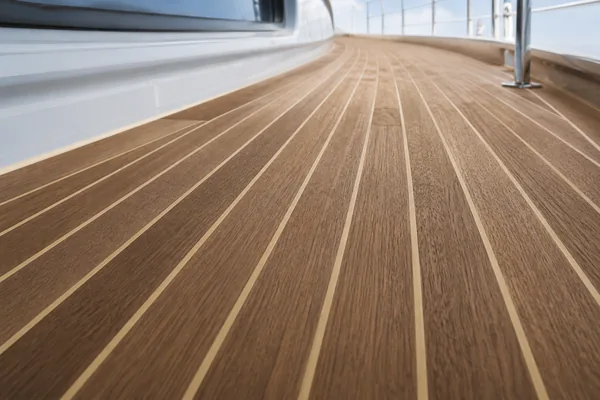
  • Teak decking

    Teak decking

    Teak and fibreglass require gentle washing because metal particles are sharp and scratch easily, and hard scrubbing is absolutely forbidden to avoid permanent damage to the finish.

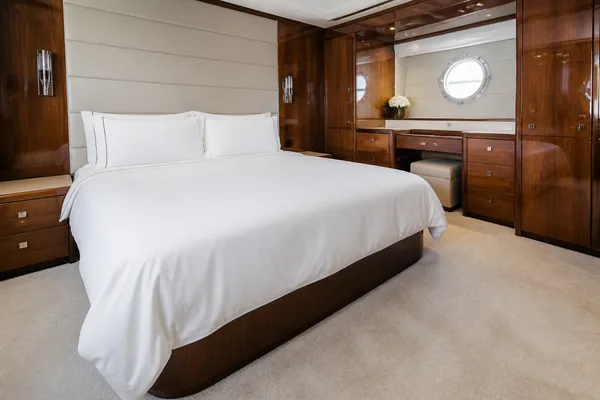
  • Cabins and sleeping berths

    Cabins and sleeping berths

    Cabins may contain fine metallic dust that entered through gaps and vents, so interior cleaning requires extra attention and thorough ventilation to clear all particles.

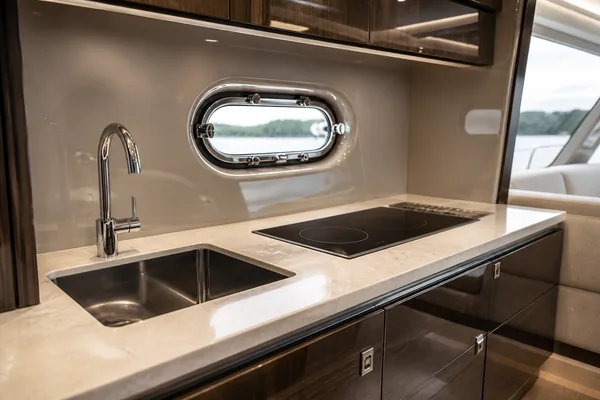
  • Galley and cooking area

    Galley and cooking area

    The small galley and its metal fittings oxidise quickly from metallic dust in the air, and regular cleaning prevents permanent corrosion and pitting of metal surfaces and kitchen equipment.

  • Onboard washroom

    Onboard washroom

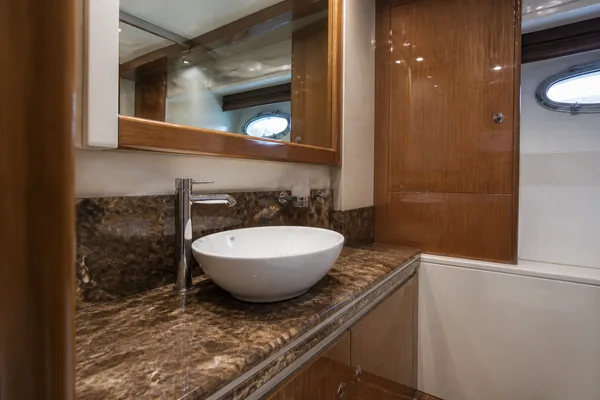
    Onboard water system pipes and metal fittings need extra protection because industrial metal dust causes rapid oxidation on ferrous and non-ferrous metals if left unattended.

  • Seating and cushions

    Seating and cushions

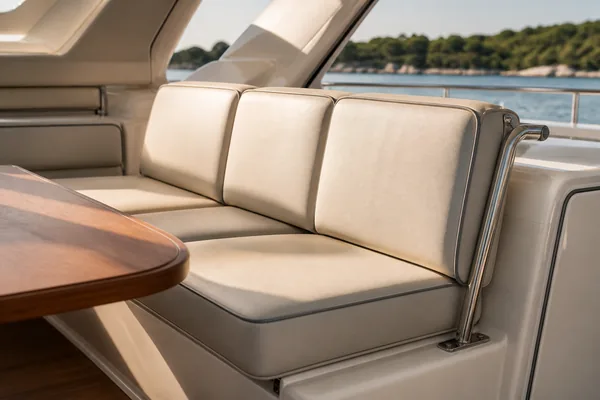
    Soft furnishings and cabin fabrics may trap fine metal particles, and thorough washing and vacuuming prevent the grit from damaging fabric weave and creating permanent stains.

Not included

  • Hull cleaning below the waterline and antifouling
  • Engine, bilge and mechanical servicing
  • Teak sanding, oiling or refinishing
  • Gelcoat polishing, buffing or restoration
  • Repairs to upholstery, fittings or fibreglass

How a yacht clean actually goes

  1. 1

    Fresh-water rinse first

    Before anything is wiped, the whole exterior is rinsed to soften and float off the salt.

  2. 2

    Wash from the top down

    Cabin top, then the sides, then the deck.

  3. 3

    Non-slip and deck scrubbed

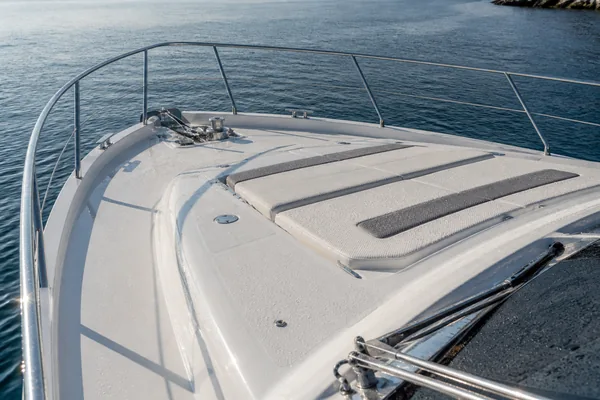
    The textured areas worked with a brush to lift salt and sunscreen out of the grip, where a rinse leaves it behind.

  4. 4

    Glass cleared and dried

    Windows and windshields cleaned and dried so the mineral spots do not just reappear as the water evaporates.

  5. 5

    Below deck cleaned and aired

    Cabins, galley and heads wiped and floors cleaned, with hatches open and air moving to pull the damp smell out rather than seal it in.

  6. 6

    A walk-through with you

    We walk the deck and cabins with you before we step off.

Kilo 18 on the map

Kilo 18 sits about 1 km from Al Huthaifat and about 3 km from Al Mursalat.

Open in Google Maps

Why us for this service specifically

We clean it where it is berthed

The work is done at the marina, deck and cabins both.
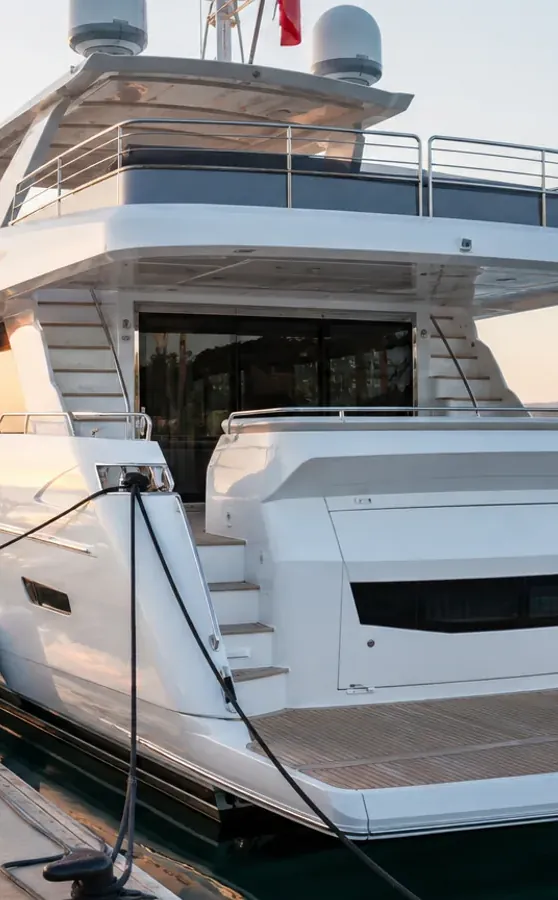
A full team comes aboard

The company runs a large workforce, and we send a team rather than one worker.

Our equipment comes with us

Machines and materials arrive with the team, not rented and not borrowed.

We say no when it is no

If what you need is gelcoat polishing or teak work rather than cleaning, we say so.

From our work

Photographs from real jobs carried out by the crew.

A bedroom after a full clean
Bedroom at handover
Majlis carpet after washing
Majlis after washing
A majlis after a full clean
Majlis after cleaning
A living room after cleaning
Living room after cleaning
A sitting room after cleaning
Sitting room
A folded towel on a table
The small details
A tidy bedroom after service
Bedroom made up
Mopping a marble floor during work
Marble floors
Washing a stone entrance
Exterior entrances
Cleaning a commercial floor
Commercial floor
Making the bed during work
Bed made
A jacuzzi after descaling
Jacuzzi after cleaning

The job does not close before you approve it

The commitment is simple enough to actually keep: we do not step off before you have seen the result and told us what you think.

The character of Kilo 18

Industrial area: workshops, warehouses and loading yards

An industrial zone requires more careful and frequent cleaning than residential quarters, because fine metal particles scratch marine surfaces and cause rapid oxidation of metal fittings if particles are not removed regularly and handled with restraint.

Questions about yacht cleaning in Kilo 18

Do fine metal particles from workshops scratch the hull and fibreglass coating permanently?

Yes, metal grit is sharp and fine, and will score fibreglass and paint if scrubbed hard. Cleaning must be gentle, with high volumes of water to lift the particles away without abrading the surface. Salt deposits can be scrubbed more aggressively, but metal particles cannot, or permanent scratches result.

Is cleaning a yacht here harder than in normal residential quarters away from industry?

Yes, because metallic dust from the workshops combines with weak salt deposits, creating a two-layer problem. The grit must be handled with care to avoid scratching, and surfaces blacken faster than in residential areas. The cleaning requires gentleness and more frequent attention than suburban quarters.

Are the cleaning products you use safe on marine surfaces to prevent oxidation and pitting?

Yes, the products used are safe on fibreglass, teak and marine metals. They remove dust and salt without damaging the surface or metal fittings. Safety confirmation happens on site based on the specific surface material, because metal oxidation risk is higher here than in other quarters.

Does workshop dust return and blacken surfaces again rapidly after the first cleaning?

Yes, the workshops generate particles daily, so surfaces blacken quickly. Cleaning every two to three weeks is necessary to stop accumulation and the rapid oxidation of metals and fibreglass that industrial dust accelerates. Surfaces here need more frequent attention than residential areas inland.

Can you easily reach Kilo 18 and the industrial yards to work on yachts moored there?

Yes, the location is on the main Old Makkah Road and within the Al Muhajjar Logistics Zone. Access is straightforward and work is possible during set hours coordinated with the activity of the industrial yards nearby.

How often per month must a yacht moored in an industrial zone like this be cleaned thoroughly?

Every two to three weeks is necessary here, because metal dust from the workshops blackens surfaces faster than weak salt alone. Regular maintenance prevents permanent oxidation staining and pitting of the hull, fittings and windows that metal particles cause if left to accumulate.

Will hosing the yacht down with fresh water not do the same thing?

A rinse softens fresh salt, but a dried salt haze and set-in grime need the right materials to lift without dragging over the surface. That is the part a hose alone leaves behind, and doing it dry is what scratches the finish.

Do you handle the engine or bilge?

No. Anything mechanical, engine, bilge, systems, is outside cleaning and outside what we do. We tell you at the inspection and point you to the right person if you need it.

How much does yacht cleaning in Kilo 18 cost?

It is set after the inspection, because it follows the size of the job, the materials involved and their condition. Send photos on WhatsApp and we will give you an estimate before we reach Kilo 18.

Other services in Kilo 18

We provide these in Kilo 18 too, and more than one can share a single visit.

Yacht Cleaning in districts near Kilo 18

Need yacht cleaning in Kilo 18?

We reach Kilo 18 at a time we agree, and you get the full cost before we start.

Call WhatsApp