
We clean it where it is berthed
The work is done at the marina, deck and cabins both.
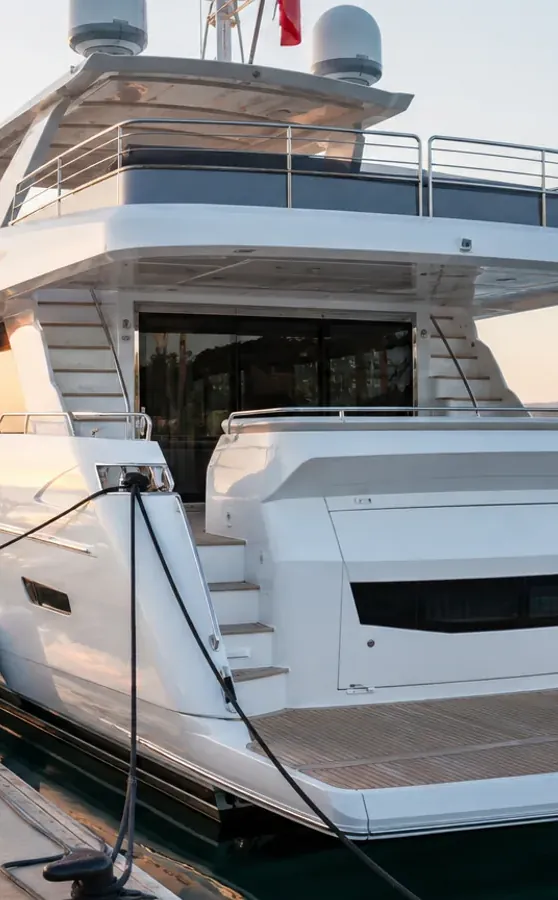
Al Atheer sits on the south-eastern edge of Jeddah along the Jeddah Makkah Expressway, administratively grouped with the wider Bahrah area and positioned between the sea and the main heavy goods routes. A yacht berthed here faces a combination of sea salt and heavy diesel smoke from lorries and workshops, with a dark oily layer accumulating faster than in any other neighbourhood, and coastal humidity that locks it in place.
Diesel soot sticks stubbornly to window sills and curtains, and old cement and tile floors darken where soot is walked through repeatedly, creating permanent-looking stains. For the method itself, see our yacht cleaning service in detail.
The nearby expressway and goods yards release fine diesel soot that penetrates every crevice, bonding immediately with salt to form a black greasy layer on all surfaces. This layer is difficult to remove and requires careful strong scrubbing without damaging underlying finishes, especially on older yachts.
Sea air humidity traps the soot and grease residue, creating a thick musty smell in cabins and on stored fabrics. Older surfaces that collect dampness become a breeding ground for mould, making below-deck cleaning a much longer job than elsewhere.
Cement and old ceramic tile in the lower-rise older housing darkens permanently where soot is walked in and compacted, and cabins require very strong scrubbing and repeated rinsing with fresh water to restore any brightness.
The locality lies between the sea on one side and the heavy goods roads on the other, and the dust here is notably darker and more oily than in northern Jeddah, a mixture of diesel soot and workshop grit.
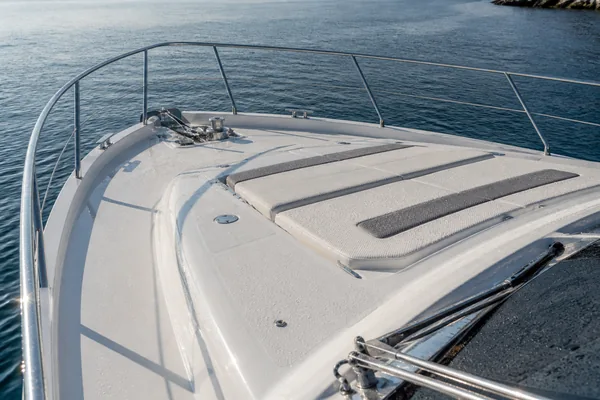
Strong fresh water rinsing to remove dark soot and salt; a third rinse may be needed to clear oily residue that floats on the water surface.
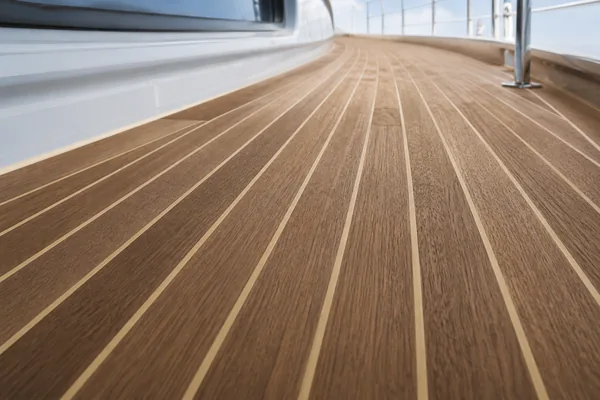
Teak needs long soaking in warm fresh water to soften trapped soot, then very careful gentle scrubbing followed by powerful repeated rinsing to fully clear the darkened grain.
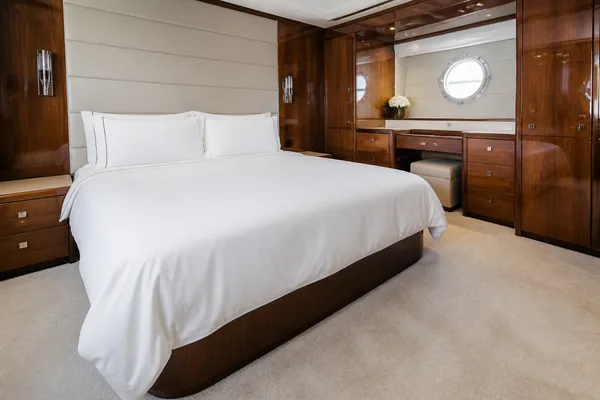
Cabins are opened to strong air flow and cleaned with warm fresh water, then need hours of ventilation afterwards to clear trapped mildew smell.
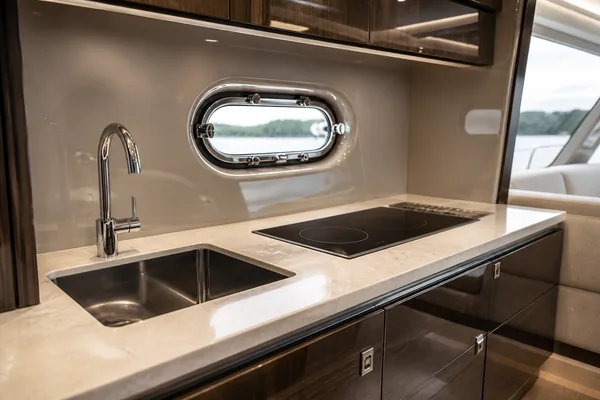
Galley requires strong scrubbing to remove grease and soot layers; hot fresh water if available, then repeated powerful rinsing to cut through accumulated deposits.
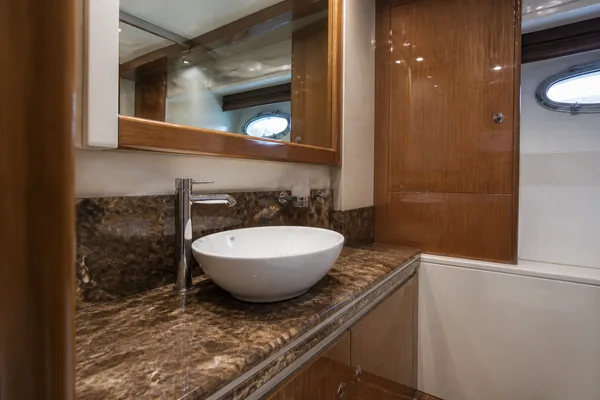
Below-deck washroom traps mildew and soot simultaneously and needs very strong ventilation plus warm fresh water rinsing and complete drying in moving air for extended hours afterwards.
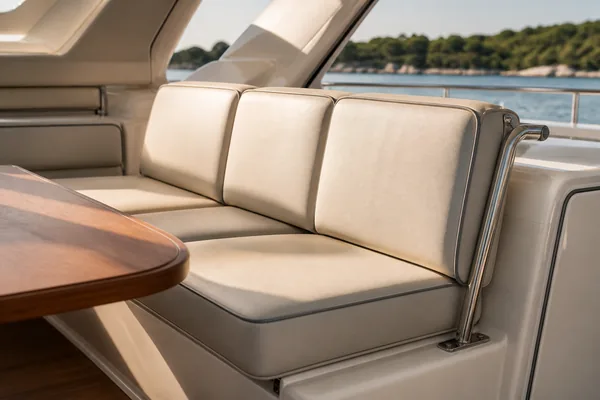
Seating and cushions need long soaking, very gentle dry wiping and repeated fresh water rinsing, then complete drying in clean air away from the industrial and traffic pollution.
Before anything is wiped, the whole exterior is rinsed to soften and float off the salt.
Cabin top, then the sides, then the deck.
The textured areas worked with a brush to lift salt and sunscreen out of the grip, where a rinse leaves it behind.
Windows and windshields cleaned and dried so the mineral spots do not just reappear as the water evaporates.
Cabins, galley and heads wiped and floors cleaned, with hatches open and air moving to pull the damp smell out rather than seal it in.
We walk the deck and cabins with you before we step off.
Mixed district: shops at street level with homes above them
A mixed district between homes and major expressways means soot and heavy grease are a permanent part of the air, so cleaning here focuses on removing thick layers and mildew with strong scrubbing and repeated rinsing, backed by extended ventilation to clear trapped odours completely.
The work is done at the marina, deck and cabins both.
The company runs a large workforce, and we send a team rather than one worker.
Machines and materials arrive with the team, not rented and not borrowed.
If what you need is gelcoat polishing or teak work rather than cleaning, we say so.
Photographs from real jobs carried out by the crew.












The commitment is simple enough to actually keep: we do not step off before you have seen the result and told us what you think.
South Jeddah runs from the port and the industrial city down towards Al Khumrah, and homes here sit between the sea and the heavy goods roads. The dust is darker and oilier than in the north, a mix of diesel soot and workshop grit, and it clings to net curtains, window sills and the tops of kitchen cupboards. Floors in the older low rise housing are often plain cement or ceramic tile that darkens where soot is walked in. Humidity from the coast adds mildew in bathrooms and a musty smell in stored fabrics.
We provide these in Al Atheer too, and more than one can share a single visit.



