
We clean it where it is berthed
The work is done at the marina, deck and cabins both.
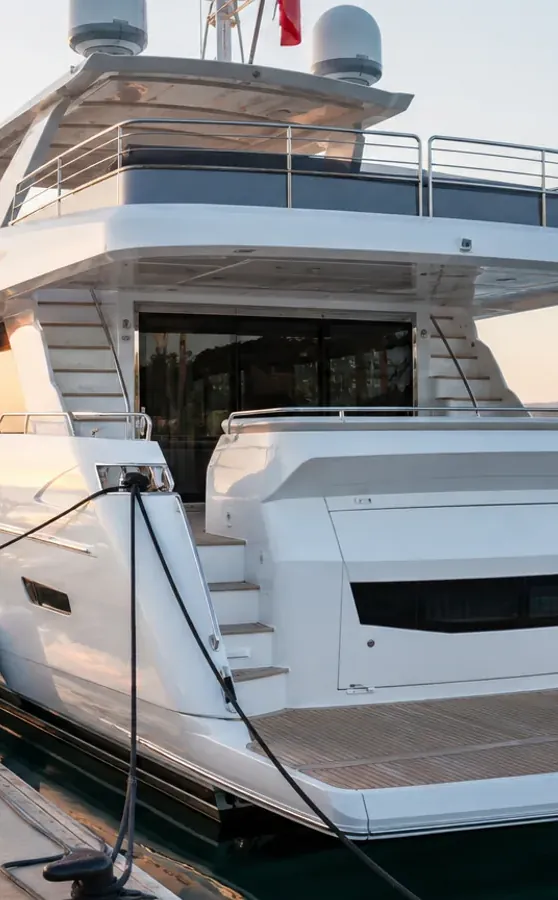
Al Muntazahat lies east of Jeddah, away from the sea and exposed to open ground beyond the ring roads. The dust here is drier and coarser than salt spray, and it works its way under doors to settle on every exposed surface overnight. A yacht berthed near Old Makkah Road faces a different battle: not salt alone, but fine desert dust that scratches aluminium and embeds itself in soft furnishings faster than coastal humidity alone would.
Desert dust leaves a visible grey film on all surfaces by dawn and settles deep into fabrics and soft furnishings, making them heavier and dirtier than they would be in any coastal district. For the method itself, see the full yacht cleaning page.
Dust from the open lands east of Jeddah is coarser and paler than coastal salt, and it scratches paint and metal on contact. Removing it safely demands care not to abrade surfaces further. Once it dries, it becomes part of the finish if left untouched, and water alone will not shift it from fabrics.
The dry air here drives dust deep into cabin interiors and soft furnishings in ways coastal moisture does not. Dust embeds in mattress fabric and upholstery rather than causing the mildew and smell of damp that affects yachts berthed nearer the shore.
Heated tank water on shore houses leaves grey sediment in washbasins, toilets and baths. This is not a problem salt water creates, but a problem unique to yachts moored inland. Removing it takes care not to scratch the ceramics underneath.
East Jeddah's air carries grit from the open valleys and plains rather than salt from the sea. The dust settles quickly and scratches delicate surfaces if removed roughly. Roof tank water adds grey sediment to all fixtures, a problem unique to inland properties.
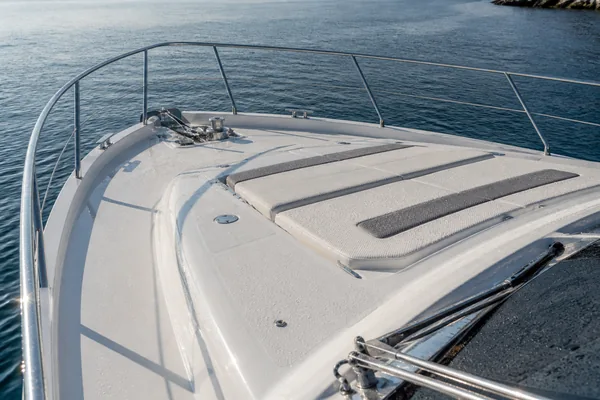
Desert dust in Al Muntazahat does not rinse away with gentle spray alone; it needs stronger fresh water wash to lift it from surfaces and metal without scratching the gloss or damaging soft goods underneath.
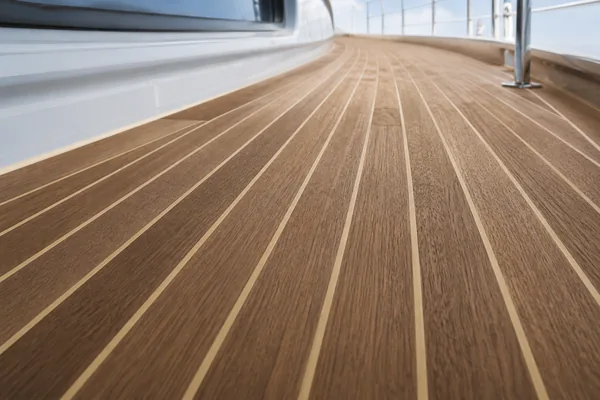
Teak and fibreglass here face dust abrasion rather than salt erosion, so we use soft brushes and warm water to loosen grit, then wipe or mop without the coarser scrubbing that coastal salt sometimes demands.
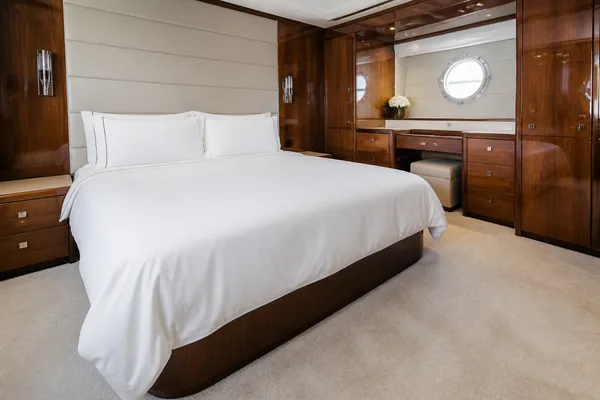
Cabin interiors hold dust in fabrics and mattress filling, so we vacuum first using sealed equipment to contain dust, then gentle wet wash, followed by thorough drying and ventilation to prevent any moisture trapping residual particles.
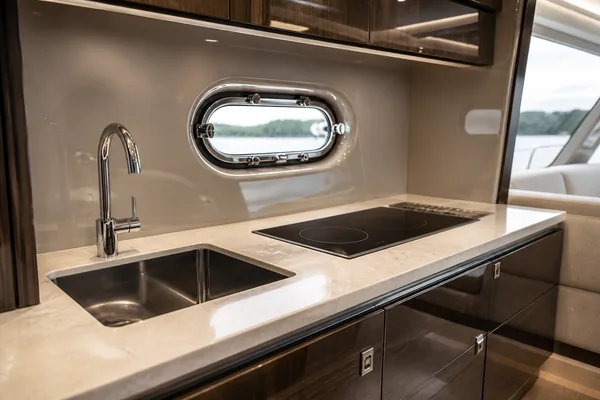
The galley accumulates dust on all shelves and equipment surfaces, and once dust mixes with any grease or salt spray residue, it hardens. We clean it carefully because the mixture is harder to shift than either dust or grease alone.
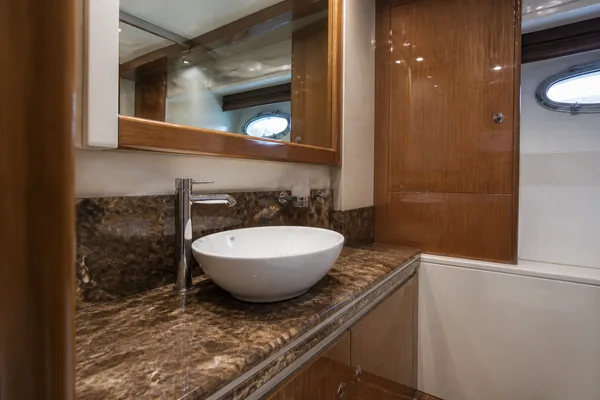
Washroom fixtures suffer grey sediment buildup from roof tanks on land, so we use fresh water and safe cleaning products to dissolve the deposit without scratching ceramic or damaging metal seals and fittings.
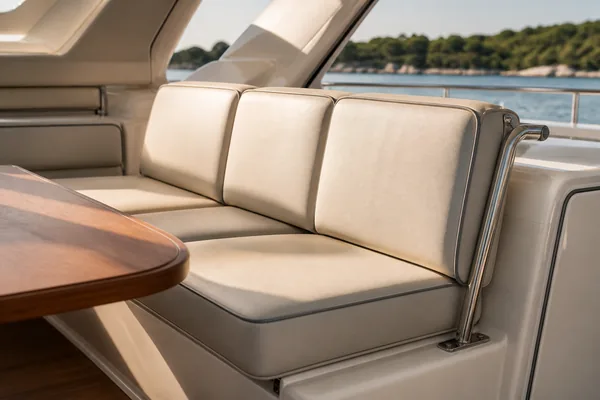
Soft furnishings and seating have absorbed desert dust deeply, so we vacuum sealed before wet washing, then use gentle techniques on fabric, and ensure complete drying before the yacht is used again.
Before anything is wiped, the whole exterior is rinsed to soften and float off the salt.
Cabin top, then the sides, then the deck.
The textured areas worked with a brush to lift salt and sunscreen out of the grip, where a rinse leaves it behind.
Windows and windshields cleaned and dried so the mineral spots do not just reappear as the water evaporates.
Cabins, galley and heads wiped and floors cleaned, with hatches open and air moving to pull the damp smell out rather than seal it in.
We walk the deck and cabins with you before we step off.
The work is done at the marina, deck and cabins both.
The company runs a large workforce, and we send a team rather than one worker.
Machines and materials arrive with the team, not rented and not borrowed.
If what you need is gelcoat polishing or teak work rather than cleaning, we say so.
Photographs from real jobs carried out by the crew.












The commitment is simple enough to actually keep: we do not step off before you have seen the result and told us what you think.
East Jeddah lies furthest from the sea and closest to the open ground and hills beyond the ring roads, so the air is drier and the dust is coarser and paler than on the coast. It comes in under doors and settles on every flat surface overnight, making sofas, mattresses and curtains the heaviest part of the routine. Floors are mostly ceramic tile in the apartment districts and marble in the villa areas, both scratched by grit that is mopped rather than swept. Roof tank water leaves a grey film of sediment in baths and basins.
We provide these in Al Muntazahat too, and more than one can share a single visit.



