
We clean it where it is berthed
The work is done at the marina, deck and cabins both.
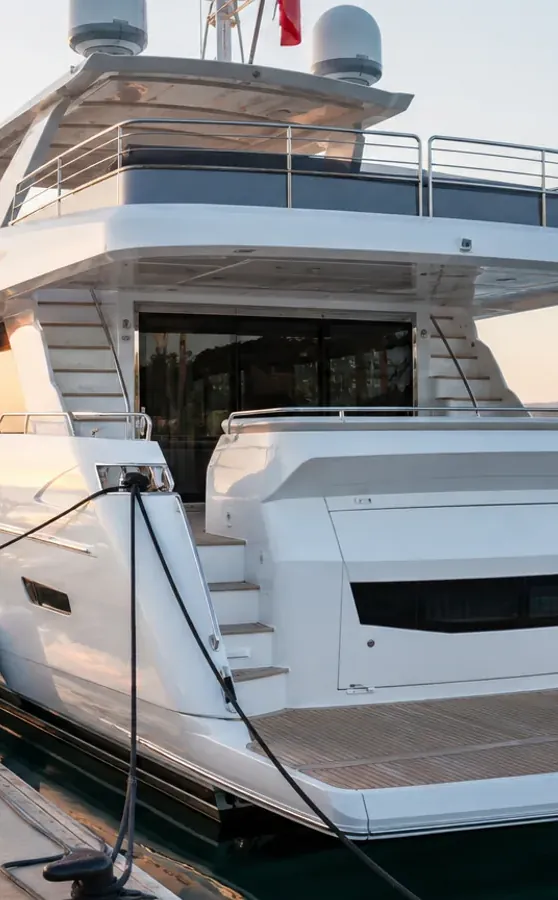
Al Shorouq lies east Jeddah between Al Wahah and Al Tawfiq, a mixed district with shops at street level, apartments above, and scattered villas. The air here is drier than on the coast. Coarse rocky dust from the hills beyond the ring roads settles on every flat surface by morning, and light nightly moisture from temperature swings leaves marks on glass that dry with the sun.
Rocky dust from the hills is coarser and scratches fibreglass and deck surfaces more easily than sea salt does. Salt deposits here are lighter but fine stone particles penetrate deeper into finishes. For the method itself, see our yacht cleaning service in detail.
The dry air east of Jeddah carries fine rocky dust from hills beyond the ring roads. This dust scratches the hull and fibreglass because its particles are sharp-edged, unlike sea salt which is smoother and leaves a haze instead of scratches.
Light nightly moisture from temperature swings leaves marks on cabin windows by morning. This humidity does not cause deep mildew like coastal air, but it leaves a film that needs daily cleaning to keep glass clear.
Ceramic tile in apartment sections and marble in villa areas both scratch easily from fine grit. Cleaning the district means careful dust sorting before mopping, tailored to each floor type to avoid scratching either.
The district sits east of Haramain Road between Al Wahah and Al Tawfiq, bounded to the south by King Abdullah Branch Road, with Palestine Road cutting through it. Newer residential subdivisions adjoin Al Nakhil to the east.
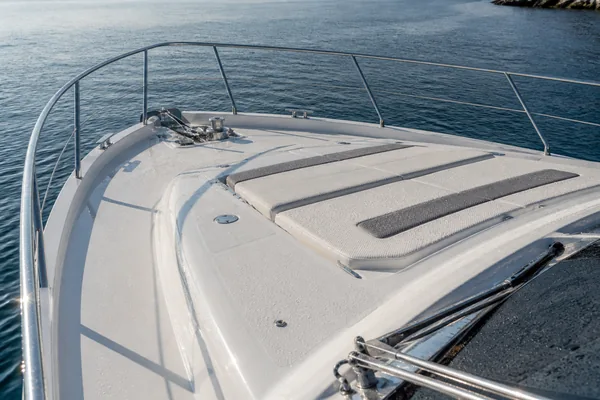
Fresh water rinsing must be thorough here to clear fine stone particles that cling to deck surfaces and may settle back if not fully removed.
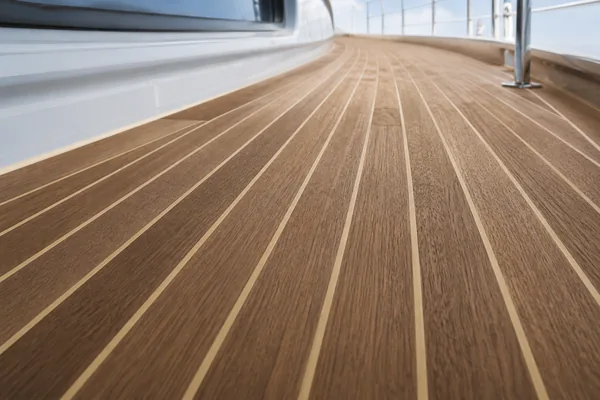
Teak needs quick drying after washing because nightly moisture makes it soft and prone to scratching if dust settles while damp.
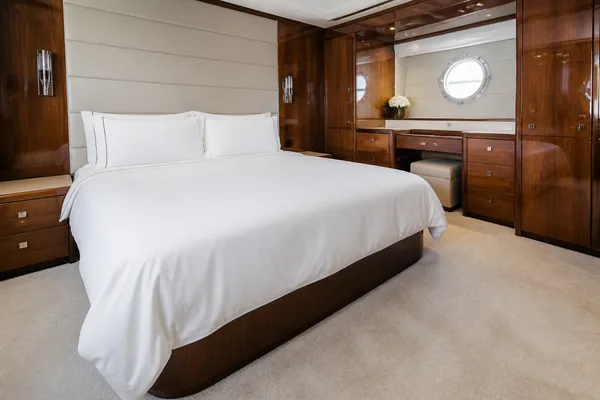
Cabins need morning ventilation to dry out the light moisture that collects overnight before it has time to build up during the day.
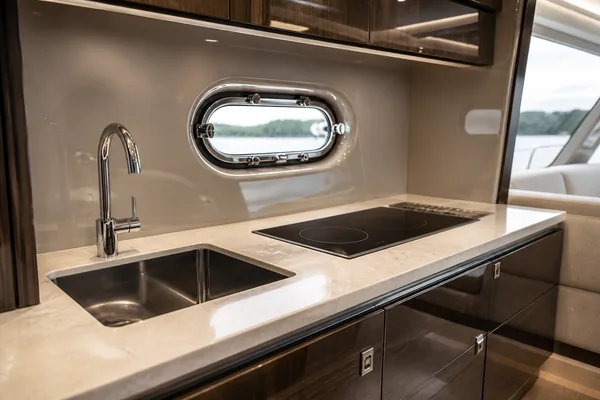
The galley may hold light nightly moisture, so regular ventilation through the day keeps it fresh and prevents dampness smell developing.
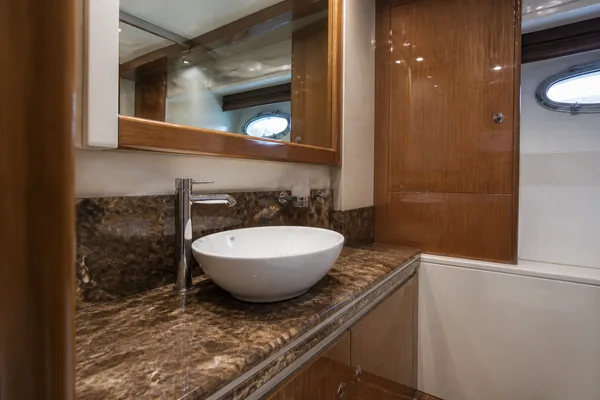
The washroom needs morning drying because nightly moisture collects on metal fixtures and glass, leaving marks by sunrise.
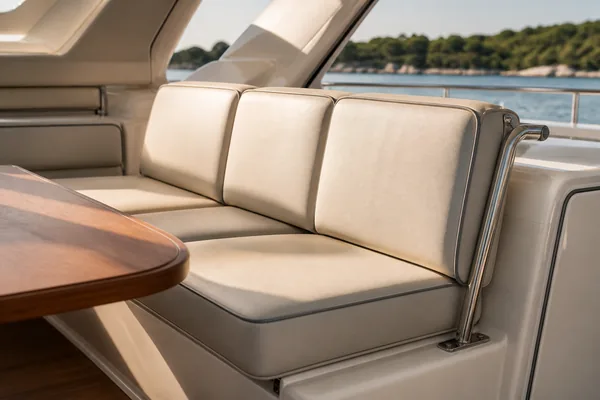
Seating and cushions may hold overnight moisture, so we leave windows open after washing to air them in the dry daytime air.
Before anything is wiped, the whole exterior is rinsed to soften and float off the salt.
Cabin top, then the sides, then the deck.
The textured areas worked with a brush to lift salt and sunscreen out of the grip, where a rinse leaves it behind.
Windows and windshields cleaned and dried so the mineral spots do not just reappear as the water evaporates.
Cabins, galley and heads wiped and floors cleaned, with hatches open and air moving to pull the damp smell out rather than seal it in.
We walk the deck and cabins with you before we step off.
The work is done at the marina, deck and cabins both.
The company runs a large workforce, and we send a team rather than one worker.
Machines and materials arrive with the team, not rented and not borrowed.
If what you need is gelcoat polishing or teak work rather than cleaning, we say so.
Photographs from real jobs carried out by the crew.












The commitment is simple enough to actually keep: we do not step off before you have seen the result and told us what you think.
East Jeddah lies furthest from the sea and closest to the open ground and hills beyond the ring roads, so the air is drier and the dust is coarser and paler than on the coast. It comes in under doors and settles on every flat surface overnight, making sofas, mattresses and curtains the heaviest part of the routine. Floors are mostly ceramic tile in the apartment districts and marble in the villa areas, both scratched by grit that is mopped rather than swept. Roof tank water leaves a grey film of sediment in baths and basins.
We provide these in Al Shorouq too, and more than one can share a single visit.



