
We clean it where it is berthed
The work is done at the marina, deck and cabins both.
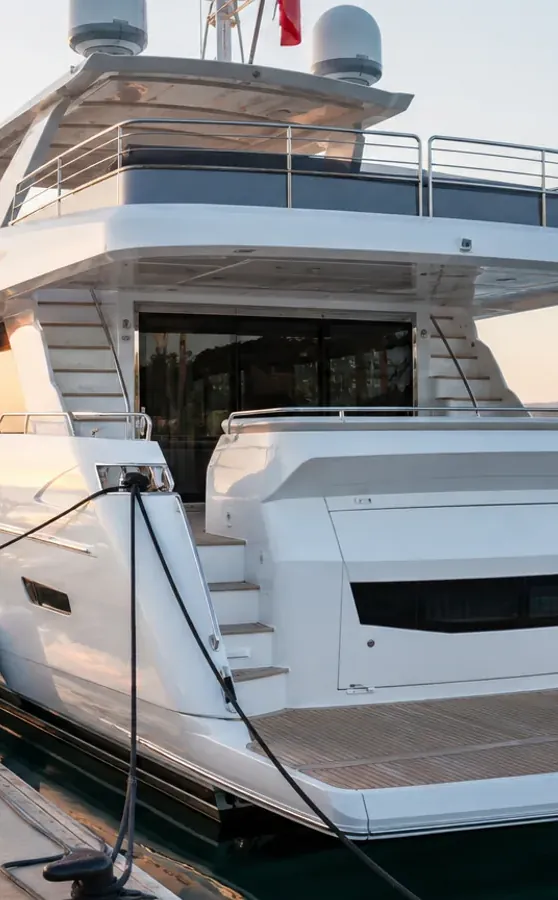
Mareekh is a small district in east Jeddah at the foot of the Mareekh Mountains and close to the course of Wadi Al Qaws, the waterway at the centre of Jeddah's well known 2009 flood. Yachts here encounter coarser dust from the surrounding hills and valleys, and drainage that becomes unreliable during heavy rainfall.
Dust here is paler and coarser than sea-level coastal dust, entering under doors and through small gaps, and settling as a grey film across all surfaces overnight. For the method itself, see how we approach yacht cleaning.
Mareekh Mountains and surrounding wadis discharge dust much coarser than coastal air, mixed with small stones and sand that scratch new paint and score deep marks into surfaces. Gentle scrubbing and thorough rinsing are needed to avoid damage.
Wadi Al Qaws areas are known for sudden flash flooding. When floods occur they leave behind heavy lime scale and red silty clay coating surfaces, decking and cabins, requiring specialist treatment to dissolve and remove.
Wadis hold stagnant humid air, and fine sand clings to moisture in the air, settling on cushions and curtains. Seating and soft furnishings accumulate trapped sand particles that need regular vacuum and vibration cleaning.
The district sits in east Jeddah within the valley and hill terrain, vulnerable to sudden flooding when rains are heavy, with limited basic services and natural drainage patterns that concentrate runoff.
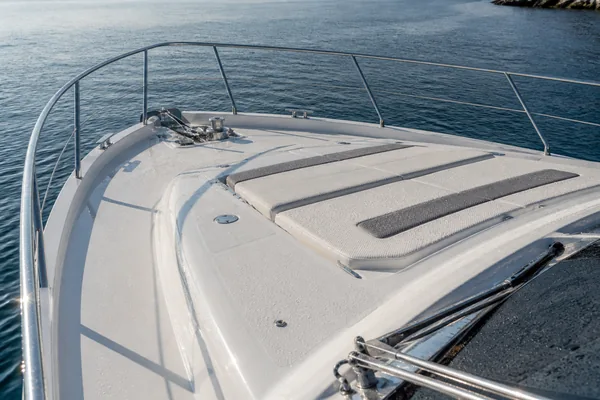
Wadi dust is coarse with heavy sediment, and fresh water rinsing needs strong pressure and extended time to remove all particles and prevent re-settling.
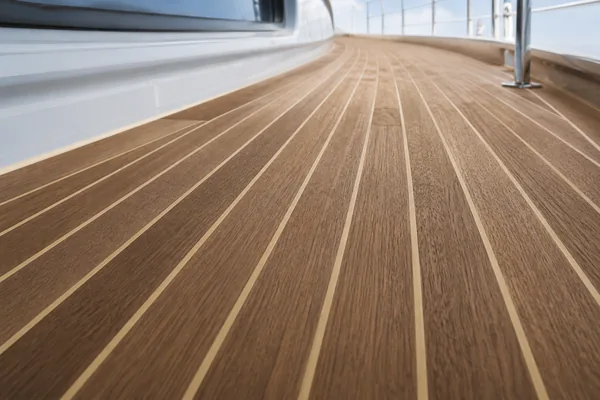
Teak and fibreglass here face coarser grit, and may carry lime scale deposits from previous flood events that need specialist dissolution treatment.
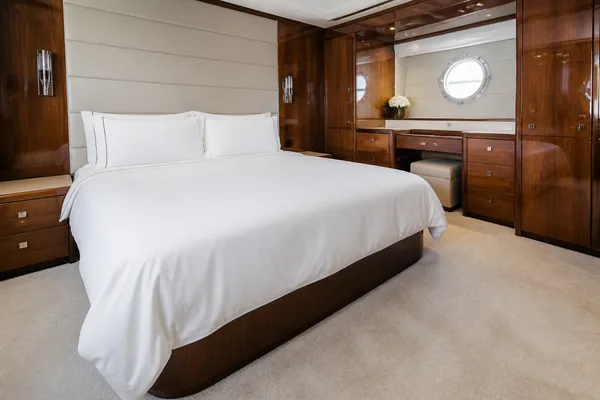
Cabins trap wadi humidity and collect fine sand through every air gap, needing forceful ventilation and frequent cleaning of corners and crevices where sand accumulates.
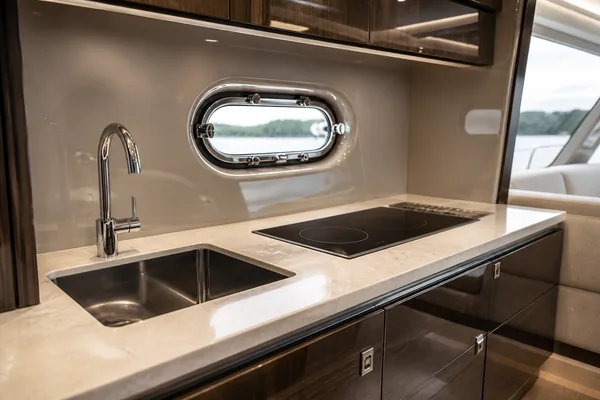
The galley may bear marks of red silt from past flooding, requiring specialist treatment to dissolve heavy lime scale deposits.
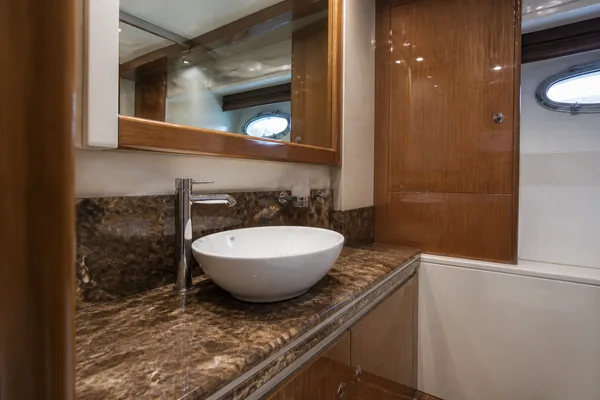
Onboard washrooms suffer heavy lime scale accumulation and may show past flood marks, needing vigorous scrubbing and thorough drying throughout.
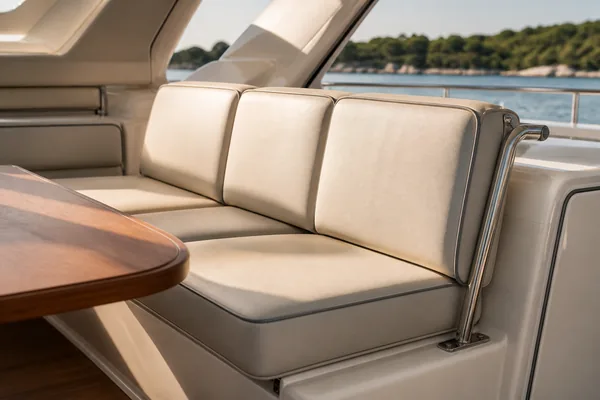
Seating and cushions catch airborne fine sand from the stagnant valley air, needing vibration cleaning and careful brushing to dislodge sand embedded in the weave.
Before anything is wiped, the whole exterior is rinsed to soften and float off the salt.
Cabin top, then the sides, then the deck.
The textured areas worked with a brush to lift salt and sunscreen out of the grip, where a rinse leaves it behind.
Windows and windshields cleaned and dried so the mineral spots do not just reappear as the water evaporates.
Cabins, galley and heads wiped and floors cleaned, with hatches open and air moving to pull the damp smell out rather than seal it in.
We walk the deck and cabins with you before we step off.
The work is done at the marina, deck and cabins both.
The company runs a large workforce, and we send a team rather than one worker.
Machines and materials arrive with the team, not rented and not borrowed.
If what you need is gelcoat polishing or teak work rather than cleaning, we say so.
Photographs from real jobs carried out by the crew.












The commitment is simple enough to actually keep: we do not step off before you have seen the result and told us what you think.
East Jeddah lies furthest from the sea and closest to the open ground and hills beyond the ring roads, so the air is drier and the dust is coarser and paler than on the coast. It comes in under doors and settles on every flat surface overnight, making sofas, mattresses and curtains the heaviest part of the routine. Floors are mostly ceramic tile in the apartment districts and marble in the villa areas, both scratched by grit that is mopped rather than swept. Roof tank water leaves a grey film of sediment in baths and basins.
We provide these in Mareekh too, and more than one can share a single visit.



