
We treat where they live
The result comes from reaching the seams, joints and cracks, not from how much is sprayed.
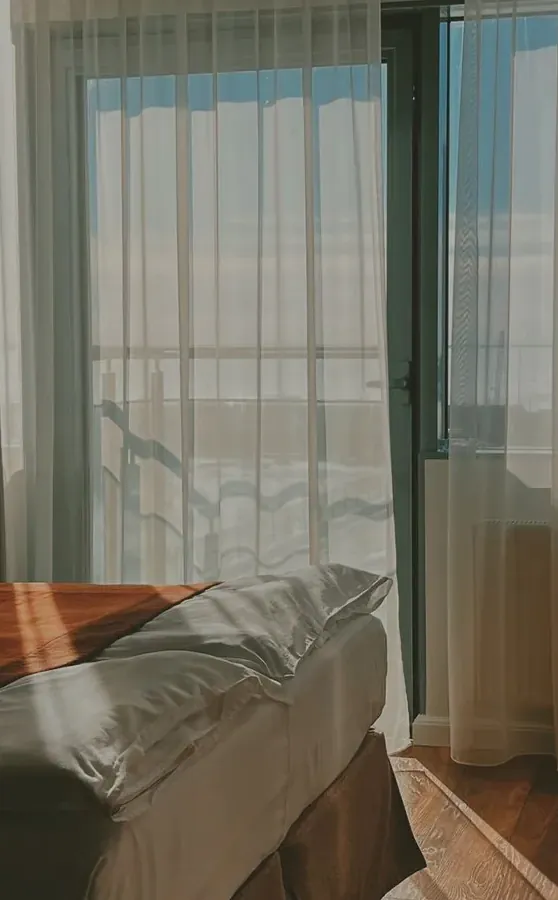
Kilo 14 along the Old Makkah Road is a mixed area combining car repair workshops and spare parts shops in a modern industrial complex alongside a dense, informally built residential quarter housing migrant workers. Simple furniture, frequent moves and unplanned streets allow bed bugs to spread fast. Treatment requires coordinating with workshop owners and residents alike to stop the sources.
Furniture and appliances move in and out of workshops and homes, used equipment from shops carries bed bugs easily, and frequent moves make infestation spread quickly through the neighbourhood. For the method itself, see the full bed bug treatment page.
Workshops handle used cars and second hand furniture and appliances daily. Bed bugs may hide in old car seats, used furniture, even clothes and bags. Workers who buy cheap furniture from shops bring it home without inspection, and bed bugs spread fast through the neighbourhood.
The informal residential quarter has small flats packed very close together, built on unstable ground. Cracks exist in walls and floors with no planning. Bed bugs travel easily from one home to the next through cracks and gaps. Treating one house without treating the neighbours means bugs return quickly.
Migrant workers move from home to home every few months, carrying simple furniture with them. This furniture may harbour bed bugs from the previous home. The popular market sells used furniture that may be infested. Treatment must track these moving sources of infestation.
An area along the Old Makkah Road at the far southeastern edge of Jeddah, combining car repair workshops and spare parts shops in a modern industrial complex with a dense, informally built residential quarter. Inner streets are unplanned and a popular market sells goods.

Inspection starts from furniture and identifying the likely source from workshops or markets, then moves to cracks in walls and floors.

Mattress and frame seams get careful treatment, checking every piece of other furniture as well.
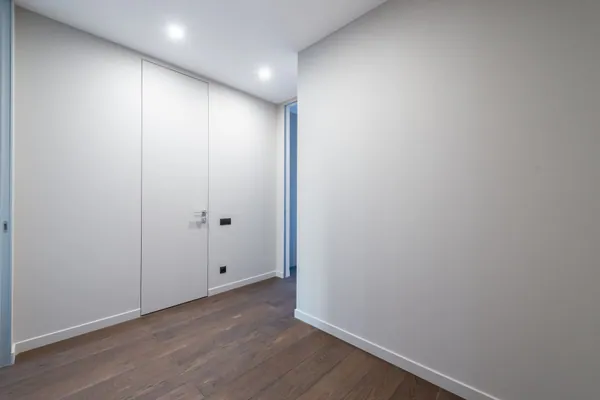
Cracks in walls and floors need deep treatment because bed bugs may come from neighbouring homes.
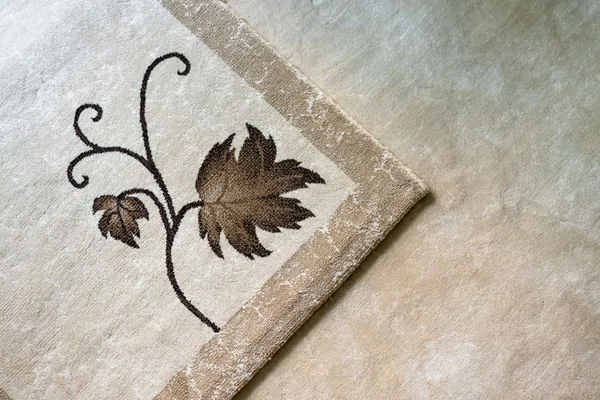
Carpet edges and heavy curtains offer safe harbour, and treatment reaches under the carpet and behind the drapes.
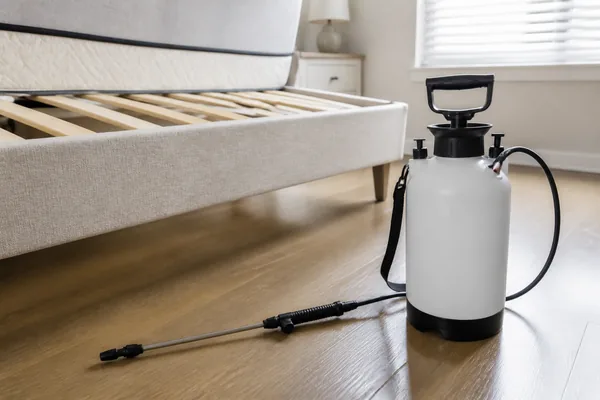
Eggs are shielded in upholstery seams and narrow cracks, and one treatment does not reach them all.
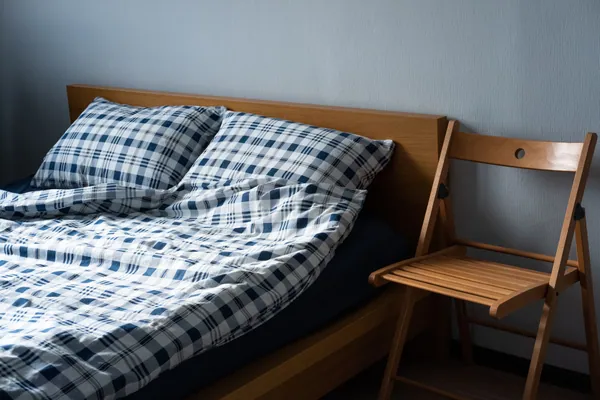
The second visit ten days later catches newly hatched bed bugs emerging from protected eggs, and confirms they are not returning from furniture sources or neighbouring homes.
Before anything is applied, we inspect the seams, frame joints, headboard and skirting to locate the harborage points.
Visible bugs and eggs in reachable spots are removed physically first, which lowers the population immediately and makes the treatment work on less.
Applied into the seams, joints and cracks where they actually shelter, not misted across the open mattress where they never sit during the day.
We work outward from the bed to the surrounding furniture and skirting, because by the time you notice them they have usually started to spread.
Washing and hot-drying bedding, clearing clutter and keeping the layout stable between passes is half the result.
Eggs are shielded and survive the first treatment.
Industrial area: workshops, warehouses and loading yards
An industrial area means bed bugs may come from used furniture or appliances in workshops and shops, and dense informal housing means rapid spread, so effective treatment requires coordinating with both workshop owners and residents to cut off sources of spread.
The result comes from reaching the seams, joints and cracks, not from how much is sprayed.
We do not pretend one visit ends it.
The company runs a large crew, and the team arrives with the materials and a plan for the layout, so the whole affected area is handled in the visit.
If it is early and contained we say so, and if it is advanced we say that too.
Photographs from real jobs carried out by the crew.












The commitment is one you can hold us to: an honest read of the situation, and no work or cost added without telling you first.
South Jeddah runs from the port and the industrial city down towards Al Khumrah, and homes here sit between the sea and the heavy goods roads. The dust is darker and oilier than in the north, a mix of diesel soot and workshop grit, and it clings to net curtains, window sills and the tops of kitchen cupboards. Floors in the older low rise housing are often plain cement or ceramic tile that darkens where soot is walked in. Humidity from the coast adds mildew in bathrooms and a musty smell in stored fabrics.
We provide these in Kilo 14 too, and more than one can share a single visit.



