
We treat where they live
The result comes from reaching the seams, joints and cracks, not from how much is sprayed.
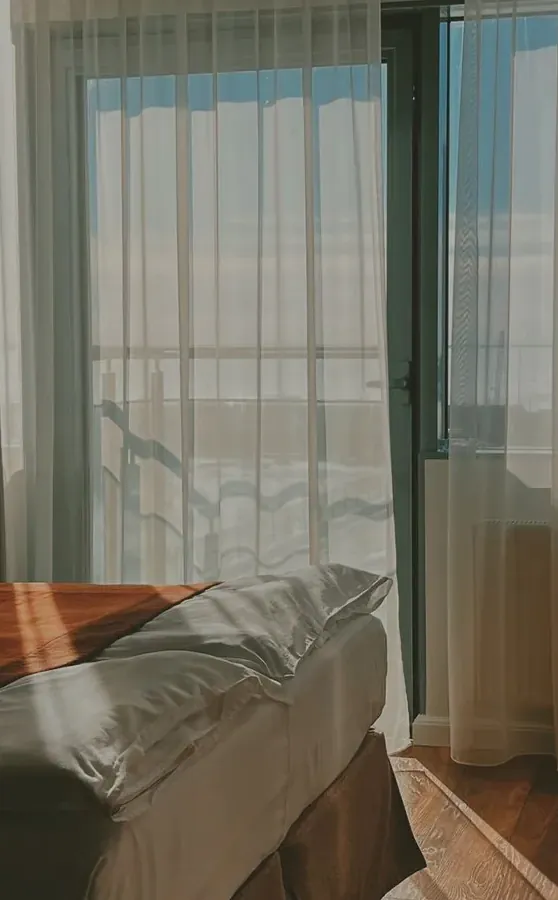
Al Sahifah is an old central district adjoining historic Jeddah, with very ancient urban fabric and newer apartment buildings, tightly spaced flats with shared entrances. Walls are very old, pipes beneath them over a century old. Bed bugs find countless refuges in cracks, crumbling mortar and gaps between stone and brick.
In Al Sahifah, floors, walls and pipes are all very old, and deep cracks and constant dampness create an ideal bed bug environment. For the method itself, see our guide to bed bug treatment.
Al Sahifah is one of Jeddah's oldest inhabited districts, walls contain very old stone and brick, mortar is friable and peeling, plaster has fallen away from the stone in places. Every crack and every cavity provides a refuge for bed bugs and eggs.
Pipes beneath Al Sahifah are over a century old, ceramic and cast iron heavily aged. Water seeps constantly, walls are always damp, lower corners blackened by moisture and mould. Wet conditions create an ideal bed bug habitat.
Buildings in Al Sahifah are pressed directly against each other with no gaps. There are no gardens or open spaces between structures. Bed bugs travel easily between buildings, flats and floors via shared foundations, pipes and common cavities.
Al Sahifah sits between Al Balad, Al Ammariyah, Al Kandarah and Al Sabil on the landward side of historic Jeddah, blending old urban fabric with newer apartment buildings, commercial activity scattered through narrow lanes.
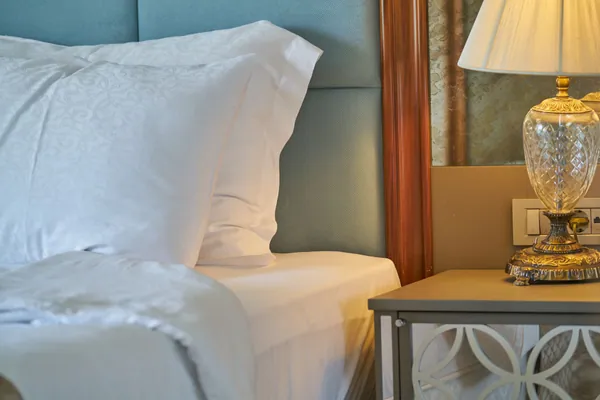
In Al Sahifah, inspection begins at aged walls, crumbling mortar and gaps between stone and brick.

Mattress and bed frame seams are examined alongside damp walls and lower corners where moisture and mould shelter bed bugs.
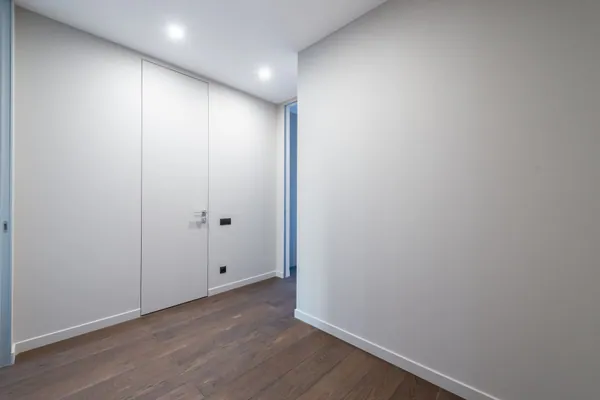
Deep cracks in walls, foundations and wet areas require very intensive treatment.
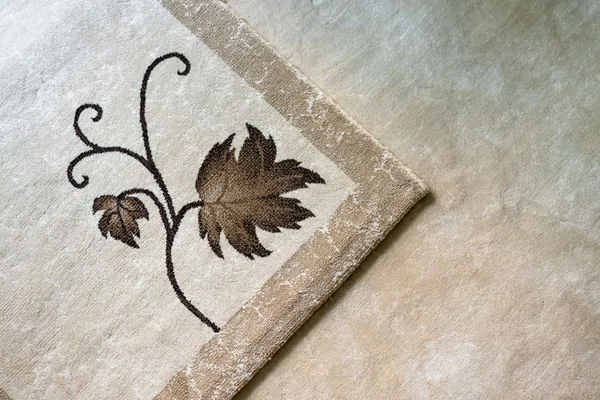
Carpet edges and old furniture are treated together with curtains that may contain bed bugs and eggs.
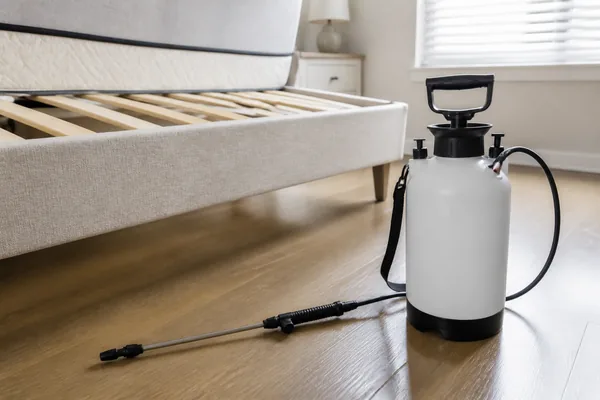
Treatment penetrates eggs in deep cracks, cavities and very damp areas.
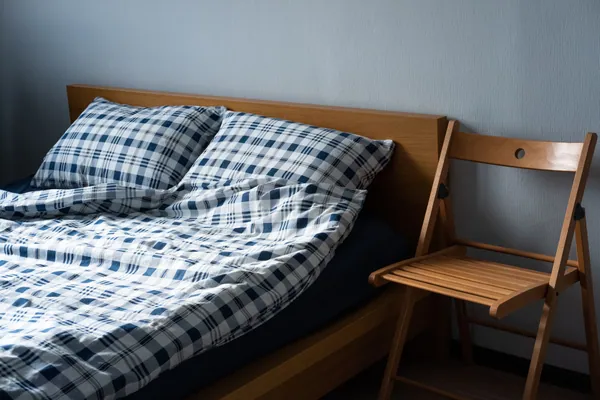
A second or third visit may be necessary because wet conditions shield eggs.
Before anything is applied, we inspect the seams, frame joints, headboard and skirting to locate the harborage points.
Visible bugs and eggs in reachable spots are removed physically first, which lowers the population immediately and makes the treatment work on less.
Applied into the seams, joints and cracks where they actually shelter, not misted across the open mattress where they never sit during the day.
We work outward from the bed to the surrounding furniture and skirting, because by the time you notice them they have usually started to spread.
Washing and hot-drying bedding, clearing clutter and keeping the layout stable between passes is half the result.
Eggs are shielded and survive the first treatment.
Apartment district: residential blocks, repeated floors and shared entrances
In an old apartment district like Al Sahifah, infestation is not confined to one flat but a collective problem across the entire neighbourhood. Fused buildings, shared pipes and constant moisture create an ideal bed bug habitat and egg sanctuary. Treatment requires strong coordination with neighbours.
The result comes from reaching the seams, joints and cracks, not from how much is sprayed.
We do not pretend one visit ends it.
The company runs a large crew, and the team arrives with the materials and a plan for the layout, so the whole affected area is handled in the visit.
If it is early and contained we say so, and if it is advanced we say that too.
Photographs from real jobs carried out by the crew.












The commitment is one you can hold us to: an honest read of the situation, and no work or cost added without telling you first.
In Al Sahifah, access via Old Makkah Road, Khalid ibn Al Walid Street or near Bab Sharif helps us identify your flat and plan treatment visits and follow ups accurately.
We provide these in Al Sahifah too, and more than one can share a single visit.



