
We treat where they live
The result comes from reaching the seams, joints and cracks, not from how much is sprayed.
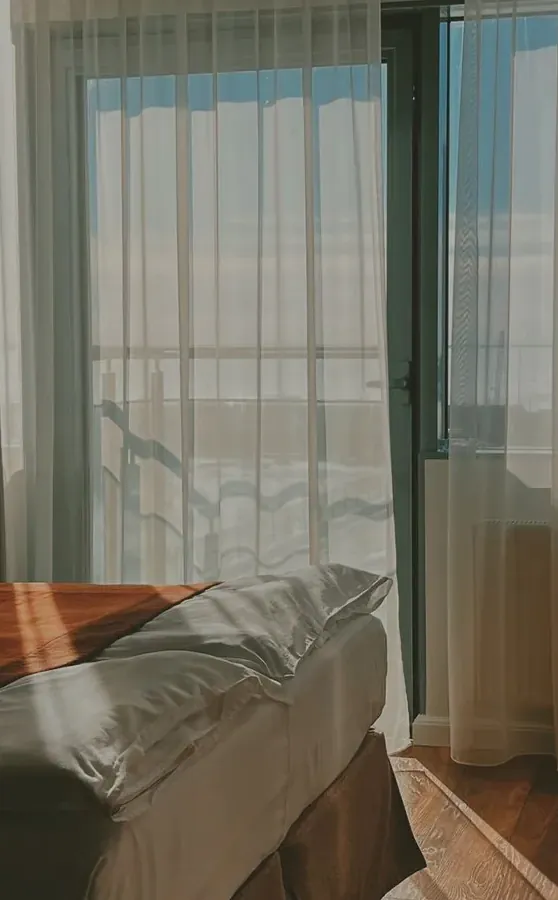
Al Karamah is a mixed district on the eastern edge of south Jeddah, between the sea and the heavy goods routes, where homes sit between the port and the industrial zone. Black diesel soot and workshop dust clings to furniture and mattresses, making bed bugs easier to hide and increasing the speed at which infestation spreads through the building.
Older low-rise homes in Al Karamah receive high coastal humidity and daily industrial soot, leaving fabrics and mattresses damp and heavy throughout the year. For the method itself, see how we approach bed bug treatment.
The oily dust from heavy roads and workshops settles on mattresses and furniture, creating a thick black layer where insects hide. This dust protects bed bugs from surface spraying and retains moisture, making the environment ideal for rapid breeding.
High sea moisture adds mildew in bathrooms and stale odours to stored fabrics. Bed bugs spread faster in humid environments, and damp clothing and furniture provide perfect shelter and breeding ground for rapid population growth.
In older low-rise homes, floors are often plain cement or ceramic tile that darkens where soot is walked in. Cracks in aged floors create deep hiding places for bed bugs that are difficult to reach or treat effectively.
The district lies south of Al Tadamun and is served by Al Lith Road and the Middle Ring Road, with a lower density residential character and commercial shops on the ground floors.

Inspection in Al Karamah focuses on layers of soot on furniture and mattresses and deep cracks in aged foundations, because bed bugs hide beneath the oily dust and trapped moisture.

Mattress and bed seams are saturated with both moisture and soot together, creating ideal conditions for rapid breeding and making every egg difficult to find.
Cracks and gaps in old cement floors provide deep shelters that surface moisture cannot penetrate, so treatment must reach into the depth of the floor structure.
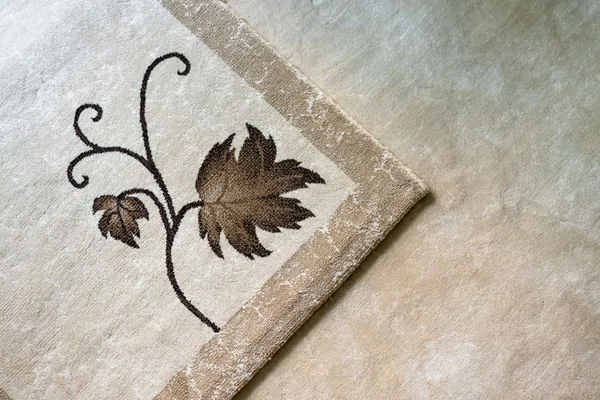
Carpet edges and the room perimeter in old homes may be hidden beneath layers of soot and moisture, requiring thorough and comprehensive treatment throughout.
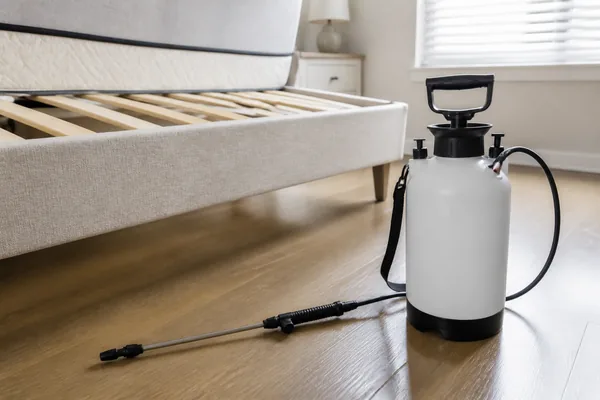
Eggs hidden in aged cracks and soot may be shielded from surface treatment, so careful follow-up monitoring is essential for complete control.
Follow-up visits are crucial in Al Karamah because continuous humidity and daily soot can favour rapid bed bug regrowth even after the first treatment.
Before anything is applied, we inspect the seams, frame joints, headboard and skirting to locate the harborage points.
Visible bugs and eggs in reachable spots are removed physically first, which lowers the population immediately and makes the treatment work on less.
Applied into the seams, joints and cracks where they actually shelter, not misted across the open mattress where they never sit during the day.
We work outward from the bed to the surrounding furniture and skirting, because by the time you notice them they have usually started to spread.
Washing and hot-drying bedding, clearing clutter and keeping the layout stable between passes is half the result.
Eggs are shielded and survive the first treatment.
Mixed district: shops at street level with homes above them
In a mixed district like Al Karamah, bed bugs travel from cramped commercial shops below into the residential flats above. Treatment must account for the gaps between units and the continuous humidity that speeds both movement and breeding.
The result comes from reaching the seams, joints and cracks, not from how much is sprayed.
We do not pretend one visit ends it.
The company runs a large crew, and the team arrives with the materials and a plan for the layout, so the whole affected area is handled in the visit.
If it is early and contained we say so, and if it is advanced we say that too.
Photographs from real jobs carried out by the crew.












The commitment is one you can hold us to: an honest read of the situation, and no work or cost added without telling you first.
South Jeddah runs from the port and the industrial city down towards Al Khumrah, and homes here sit between the sea and the heavy goods roads. The dust is darker and oilier than in the north, a mix of diesel soot and workshop grit, and it clings to net curtains, window sills and the tops of kitchen cupboards. Floors in the older low rise housing are often plain cement or ceramic tile that darkens where soot is walked in. Humidity from the coast adds mildew in bathrooms and a musty smell in stored fabrics.
We provide these in Al Karamah too, and more than one can share a single visit.



