
We treat where they live
The result comes from reaching the seams, joints and cracks, not from how much is sprayed.
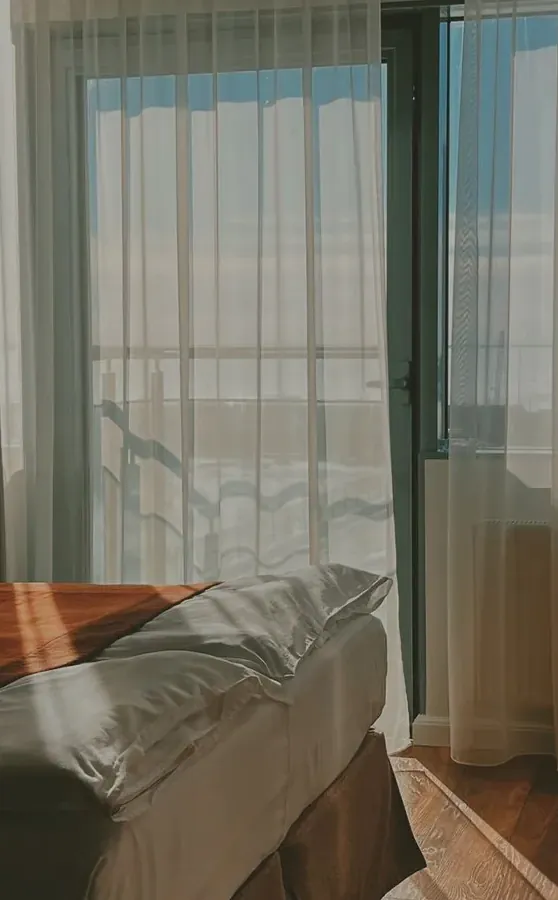
Al Baghdadiyah West faces the Arbaeen Lagoon and the Hamra Corniche, with mid-century apartment buildings that draw coastal humidity year round. The stacked flats share walls, making bed bugs easy to move between units, and damp concrete walls create deeper hiding places than in drier areas. Treatment here means understanding the age of the structure and how salt air works into the plaster.
In the packed flats of Al Baghdadiyah West, bed bugs spread horizontally between adjoining units far faster than in other areas because the walls between them are thin and heavily shared. For the method itself, see the full bed bug treatment page.
Concrete saturated with salt and moisture loses its density over decades, creating deep fissures along the outer walls. Bed bugs burrow into these fissures, and treatment must reach the depth of the plaster pores, not just the visible surface. Surface spray alone leaves the deepest hiding places untouched.
In old apartment buildings, water pipes and electrical runs are routed along the shared walls that separate flats. Bed bugs use these conduits to travel from one unit to the next, so shared wall treatment and the runs within them need precision that single-home treatment does not. Ignoring the shared boundary means re-infestation from next door is inevitable.
Salt in the air affects how treatment materials bond and persist on surfaces exposed directly to the sea. Selecting products that withstand this environment is crucial, and follow up may need adjustment because salt-driven deterioration changes conditions faster than in protected areas.
Old residential blocks close to the sea face constant high humidity, and concrete walls exposed to salt air develop deep cracks that create secure bed bug harbours far below the surface.

Inspection starts on the outer and shared walls before the bed itself, because moisture pushes bed bugs into walls more than into furniture.

Mattress and bed seams in small flats sit close to damp walls, so treatment links the bed and the walls together in a single strategy.
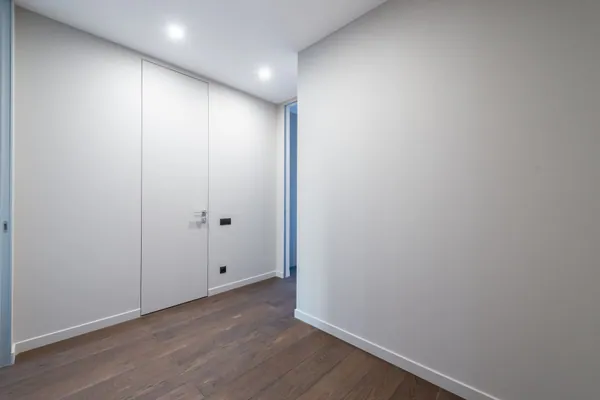
Deep cracks in salt damaged concrete need targeted injection into each fissure, not broad surface spraying alone.
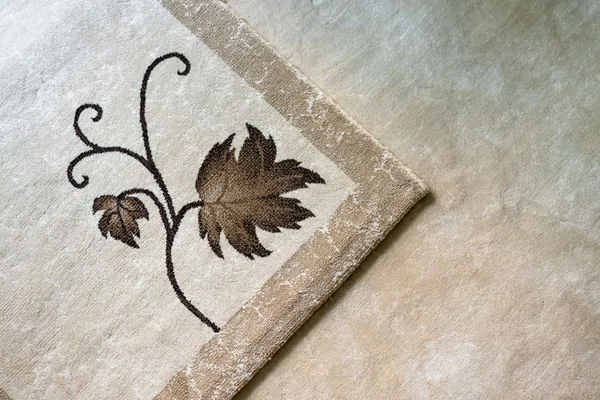
Carpets are rare in old coastal flats, but aged heavy furniture is common. We focus on furniture edges and the floor gaps beneath them.
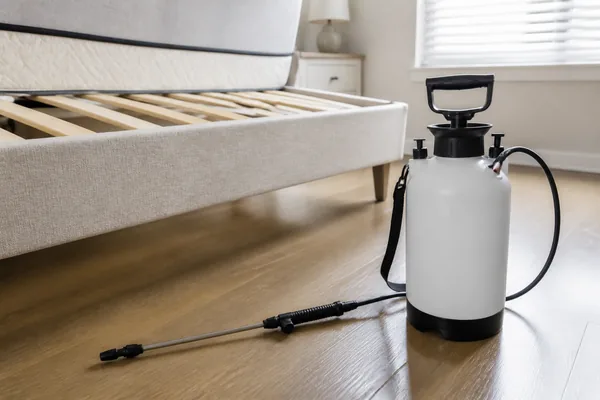
Treatment reaches eggs in deep cracks and pipe runs, and timing between visits is critical in cool damp environments where the lifecycle is slower.

The second visit inspects shared walls and cracks to the same depth as the first, because eggs may be in places so deep that hatching is delayed.
Before anything is applied, we inspect the seams, frame joints, headboard and skirting to locate the harborage points.
Visible bugs and eggs in reachable spots are removed physically first, which lowers the population immediately and makes the treatment work on less.
Applied into the seams, joints and cracks where they actually shelter, not misted across the open mattress where they never sit during the day.
We work outward from the bed to the surrounding furniture and skirting, because by the time you notice them they have usually started to spread.
Washing and hot-drying bedding, clearing clutter and keeping the layout stable between passes is half the result.
Eggs are shielded and survive the first treatment.
Coastal area: high humidity and salt air through the year
Coastal high humidity fundamentally changes how bed bugs behave: they choose deeper, cooler hiding places in walls rather than on the bed itself. Your treatment must understand this shift in behaviour and reach into deep fissures and pipe cavities, not just the visible furniture on the floor.
The result comes from reaching the seams, joints and cracks, not from how much is sprayed.
We do not pretend one visit ends it.
The company runs a large crew, and the team arrives with the materials and a plan for the layout, so the whole affected area is handled in the visit.
If it is early and contained we say so, and if it is advanced we say that too.
Photographs from real jobs carried out by the crew.












The commitment is one you can hold us to: an honest read of the situation, and no work or cost added without telling you first.
Al Baghdadiyah West stretches from Madinah Road to Al Hamra Corniche, very close to Arbaeen Lagoon and near Al Juffali Mosque. We reach the flats along both Madinah Road and Corniche routes, and inspection begins on walls facing the water features where humidity is highest.
We provide these in Al Baghdadiyah West too, and more than one can share a single visit.



