
We treat where they live
The result comes from reaching the seams, joints and cracks, not from how much is sprayed.
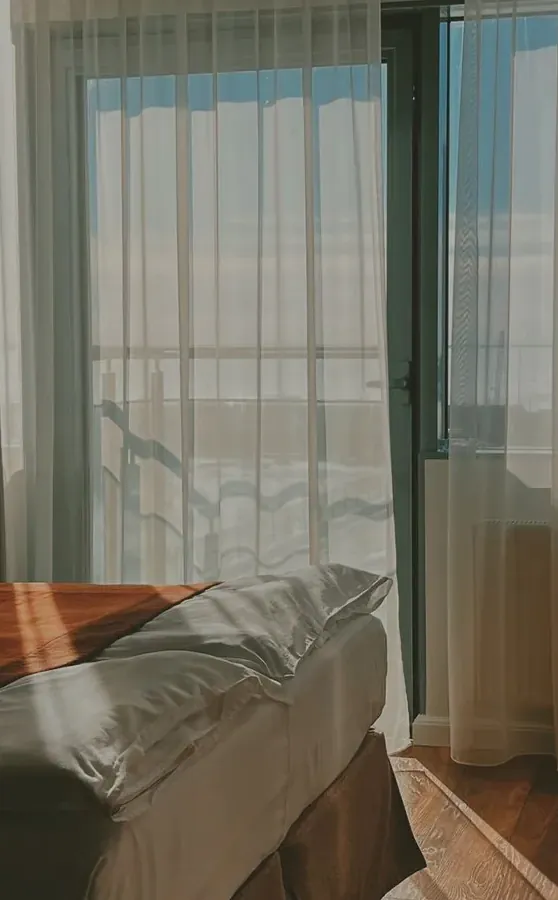
Al Mustaqbal is a south Jeddah district between University Road and King Khalid Road, with mixed commercial housing and darker, oilier dust than the rest of the city. Coastal humidity and industrial soot penetrate everything, and bed bugs hide deeper in cracks and cavities coated with layers of dust and salt, so inspection demands patience and meticulous attention to detail that takes longer than elsewhere.
The oily dust, a mix of truck diesel and workshop grit, settles on curtains and window sills overnight, and bed bugs hide beneath it in layers so thick that finding them needs time and careful probing. For the method itself, see our guide to bed bug treatment.
In Al Mustaqbal, dust and salt spray form a thick coating on furniture edges, windows and cracks. Bed bugs hide under these layers, so inspection requires removing dust and grit first to reach the insects with precision and see what is really there.
Coastal humidity causes rust and mould in the cracks that exist, and sea salt dries and hardens the soil around gaps. Bed bugs here hide deeper and more fortified than in districts away from the coast.
In older housing in Al Mustaqbal, ceramic or plain cement floors have darkened where diesel soot is walked in daily. Cracks under these floors run deep, packed with dust and sand, and offer the best refuge for bed bugs to breed undisturbed.
A southern district sitting between the sea and the heavy industrial roads, crossed by University Road and King Khalid Road, with oily dust from diesel and workshop particles coating every surface.

Inspection begins with partial dust removal from corners and cracks to reveal the sites of infestation hidden beneath the layers. Oily dust masks the bugs from sight, so inspection takes longer than in other neighbourhoods here.

Mattress and bed seams are checked closely, with special attention to humidity and mould, which worsen the environment if ventilation does not improve after treatment.
Cracks packed with dust and salt are handled carefully, and treatment penetrates deep because sand and salt layers shield bed bugs from surface spraying.
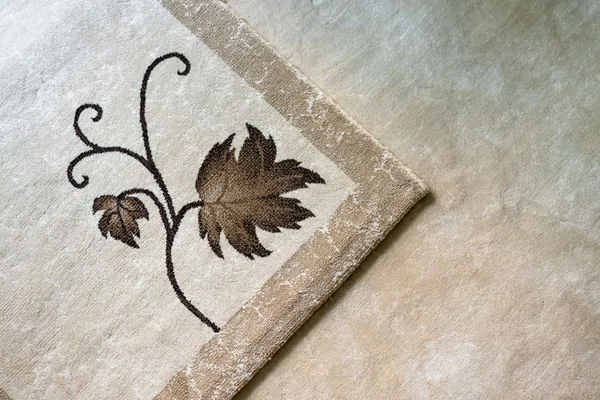
Room perimeter and carpet edges receive special attention because curtains and rugs carry the heaviest concentration of dust and salt, and bed bugs may hide in the fabric of these spaces.
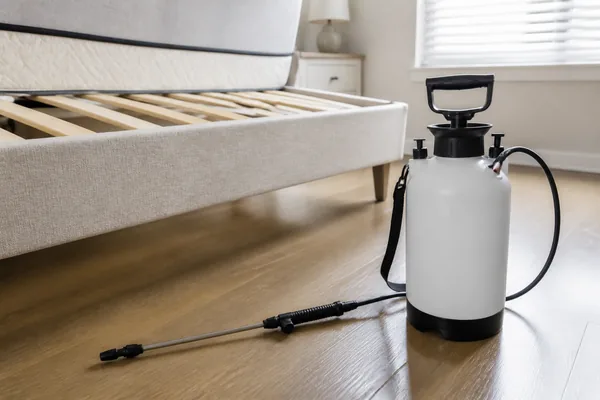
Treatment reaches eggs hidden under dust and salt layers in deep cracks and narrow cavities where surface spray cannot go.

The follow-up visit around ten days later checks the damp, deep cracks for any eggs that the first treatment missed because they were shielded by the protective layers.
Before anything is applied, we inspect the seams, frame joints, headboard and skirting to locate the harborage points.
Visible bugs and eggs in reachable spots are removed physically first, which lowers the population immediately and makes the treatment work on less.
Applied into the seams, joints and cracks where they actually shelter, not misted across the open mattress where they never sit during the day.
We work outward from the bed to the surrounding furniture and skirting, because by the time you notice them they have usually started to spread.
Washing and hot-drying bedding, clearing clutter and keeping the layout stable between passes is half the result.
Eggs are shielded and survive the first treatment.
Al Mustaqbal is reached via University Road from the east and King Khalid Road from the west, with Al Mustaqbal Hospital at the district's heart. Inspection is coordinated from these main frontages, and the process takes longer because of the heavy coastal and industrial dust layer that coats everything.
The result comes from reaching the seams, joints and cracks, not from how much is sprayed.
We do not pretend one visit ends it.
The company runs a large crew, and the team arrives with the materials and a plan for the layout, so the whole affected area is handled in the visit.
If it is early and contained we say so, and if it is advanced we say that too.
Photographs from real jobs carried out by the crew.












The commitment is one you can hold us to: an honest read of the situation, and no work or cost added without telling you first.
South Jeddah runs from the port and the industrial city down towards Al Khumrah, and homes here sit between the sea and the heavy goods roads. The dust is darker and oilier than in the north, a mix of diesel soot and workshop grit, and it clings to net curtains, window sills and the tops of kitchen cupboards. Floors in the older low rise housing are often plain cement or ceramic tile that darkens where soot is walked in. Humidity from the coast adds mildew in bathrooms and a musty smell in stored fabrics.
We provide these in Al Mustaqbal too, and more than one can share a single visit.



