
We treat where they live
The result comes from reaching the seams, joints and cracks, not from how much is sprayed.
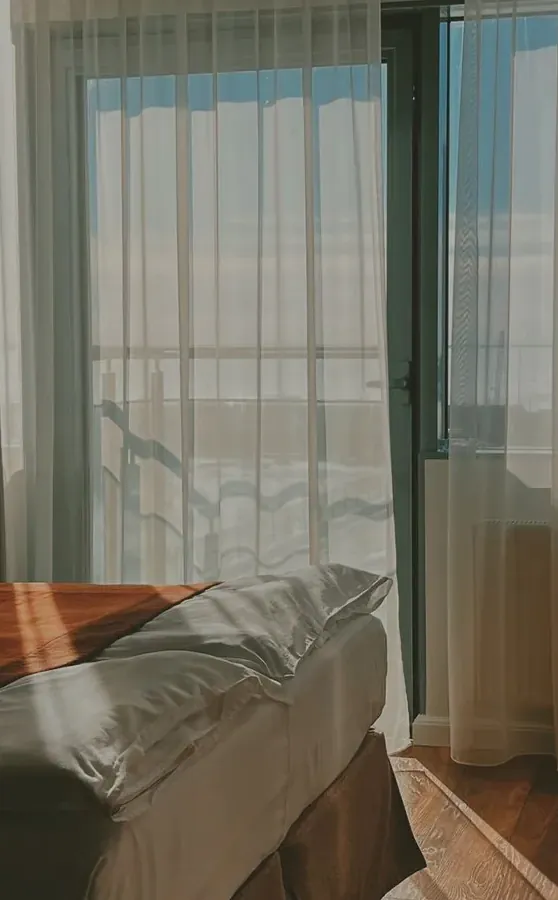
Al Safa is an established mixed district where shops occupy the ground floor and apartments sit directly above them. Bed bugs hide in mattress seams, cracks in old furniture and wall fractures alike. The tight spacing between buildings means bugs readily cross between units, so a single treatment leaves paths open. Precision work in each hiding place is essential.
Multiple tenancies and high turnover in these units mean bed bugs often arrive from a previous occupant, and the delay in spotting them is frequently longer than in purpose-built villas elsewhere. For the method itself, see how we approach bed bug treatment.
Thin partition walls and gaps around pipework allow bugs to migrate from flat to flat. Treating a single room without addressing the dividing walls and service ducts leaves bugs able to return from the neighbour's flat within days.
Apartments here retain furniture for decades. Mattresses with deep seams and wide cracks offer perfect harbouring. Removing bugs from an old mattress requires targeted work before disposal, not merely a spray and removal.
Humidity in shared bathroom and kitchen areas between floors gives bed bugs an ideal environment to survive and breed. Treating the damp environment itself is essential before any insecticide reaches the bugs.
Closely packed older apartment blocks with shared plumbing and persistent damp from common drains create the humid conditions bed bugs favour, and facilitate their spread across connected floors and neighbouring units.
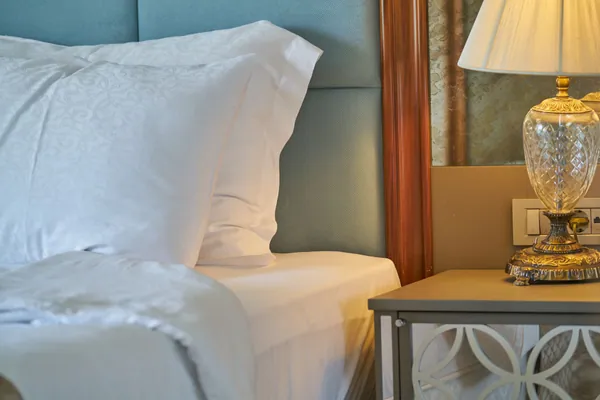
Inspection in Al Safa must include the walls between units and gaps around shared drains, because bugs often migrate from an adjacent flat and may not originate in your space.

Deep seams in old mattresses and second-hand furniture harbour eggs that surface spraying cannot reach, so we use materials that penetrate the textiles themselves.
Fine cracks around the walls, beneath the carpet, and in heavy curtain hems trap dust and moisture, giving bed bugs refuge close to the sleeping area.
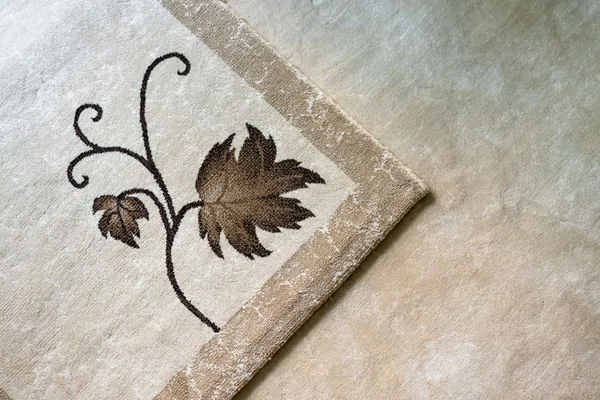
The edges of carpet and skirting boards are where bugs congregate before ascending to the bed, so treating these zones takes priority over treating the open floor.
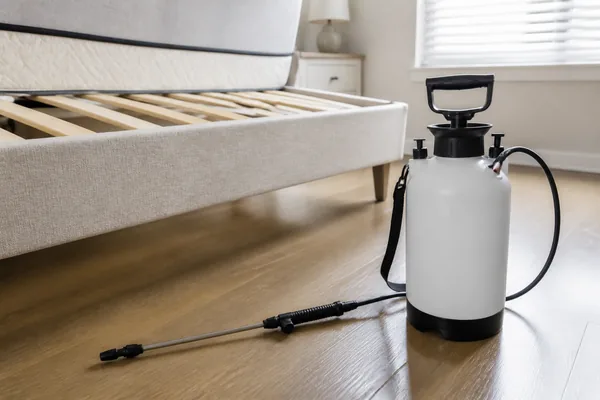
Eggs protected in deep cracks do not die from a single application, so the follow-up pass targets the insects hatching from eggs that survived the first treatment.
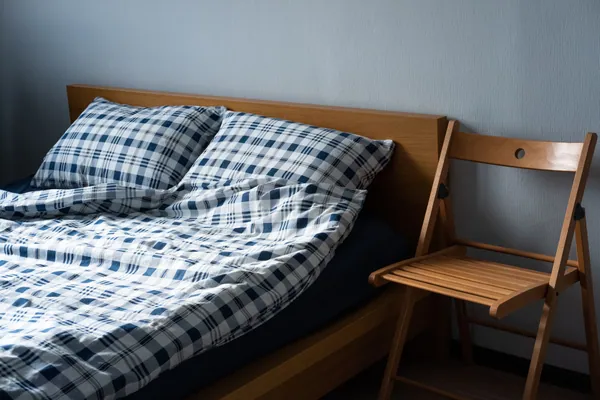
After treatment we monitor for bugs appearing near windows or door edges, as they may attempt to escape through gaps towards the neighbouring flat.
Before anything is applied, we inspect the seams, frame joints, headboard and skirting to locate the harborage points.
Visible bugs and eggs in reachable spots are removed physically first, which lowers the population immediately and makes the treatment work on less.
Applied into the seams, joints and cracks where they actually shelter, not misted across the open mattress where they never sit during the day.
We work outward from the bed to the surrounding furniture and skirting, because by the time you notice them they have usually started to spread.
Washing and hot-drying bedding, clearing clutter and keeping the layout stable between passes is half the result.
Eggs are shielded and survive the first treatment.
Mixed district: shops at street level with homes above them
In a mixed district like Al Safa, constant foot traffic from residents, visitors, workers and shoppers creates routes for bed bugs to enter from the ground floor shops into the flats above, and the mixed-use character accelerates their movement between residential units.
The result comes from reaching the seams, joints and cracks, not from how much is sprayed.
We do not pretend one visit ends it.
The company runs a large crew, and the team arrives with the materials and a plan for the layout, so the whole affected area is handled in the visit.
If it is early and contained we say so, and if it is advanced we say that too.
Photographs from real jobs carried out by the crew.












The commitment is one you can hold us to: an honest read of the situation, and no work or cost added without telling you first.
Central Jeddah is the old heart of the city: Al Balad with its coral stone houses, and the dense apartment quarters around it with shops beneath the flats. Floors here are often terrazzo or older ceramic tile, worn smooth and easily stained by cooking grease that drifts up from the street. Older kitchens and bathrooms carry heavy scale on taps and around drains, and pipework in the older blocks leaves rust marks in basins. Rugs and curtains take on the fine black dust of the main roads, so they need washing more often than elsewhere.
We provide these in Al Safa too, and more than one can share a single visit.



