
We treat where they live
The result comes from reaching the seams, joints and cracks, not from how much is sprayed.
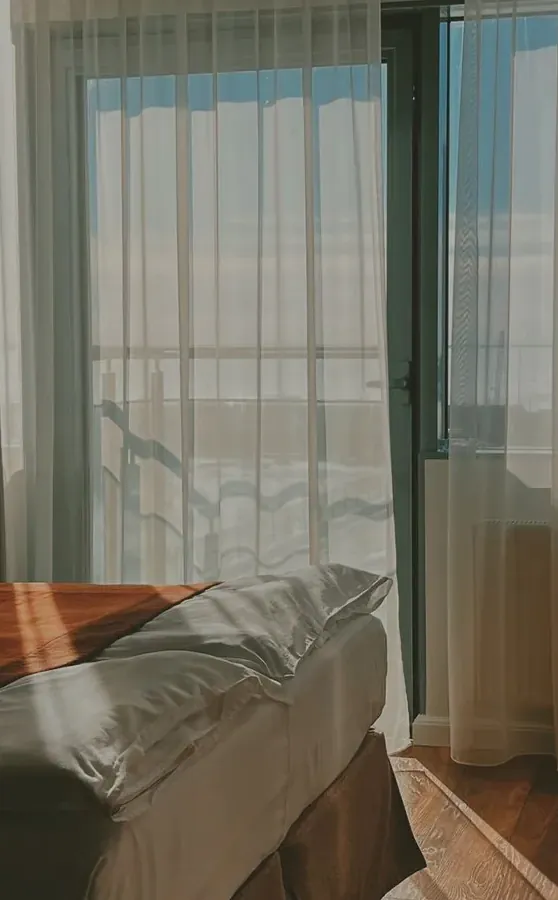
Al Muzayria is a newly developing district in north Jeddah amid vacant land and ongoing construction. New foundations and gaps between incomplete homes provide routes for bed bugs from vacant plots and worker camps. Treatment here differs because new homes may be infested before handover from sources within the construction site itself.
New concrete foundations and cement walls in recently built homes create cracks in patterns different from established or older districts. For the method itself, see the full bed bug treatment page.
Camps and temporary warehouses on and around the site may be infested, and bed bugs move via workers, materials and trucks. New homes may arrive infested on day one if materials come from a contaminated source.
Fresh concrete shrinks and cracks in ways different from older construction, creating novel hiding places for bed bugs. Cracks may not be visible in year one, yet they exist and require careful inspection.
Rapidly built homes with gaps between them offer paths for bed bugs to move between units. Bugs may hide in excavation edges and exposed foundations before the house is finished.
Vacant plots and continuous construction mean worker camps and building storage facilities present, and these are potential sources for bed bugs before they reach newly built homes.

Inspection in Al Muzayria focuses on foundations, concrete edges and cracks that may not be visible on the surface.

Seams in new mattresses may be infested from warehouse storage or from moving mattresses across a contaminated construction site.
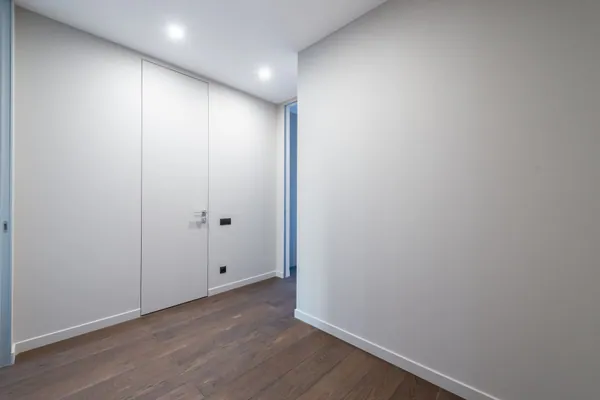
Cracks in fresh concrete appear in different patterns and may run deeper than fissures in walls built years before.

Carpet and curtains in new homes may be infested from the factory or from transport through worker camps.
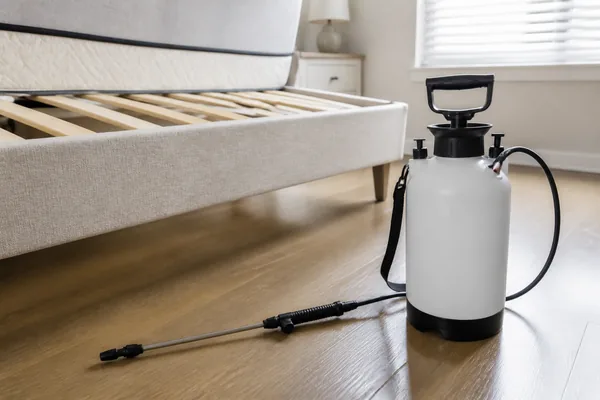
Treatment reaches eggs readily in new homes because cracks may be shallower than in homes established for years.
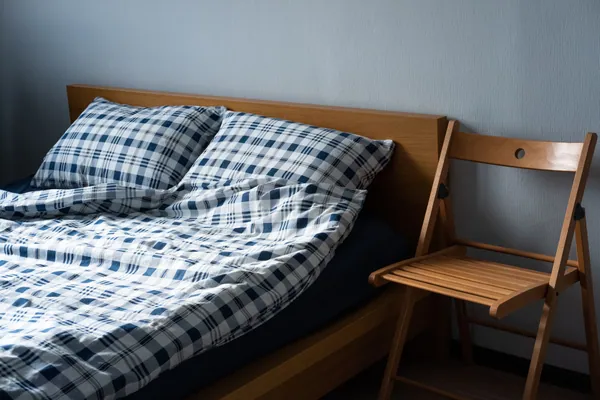
Follow-up is essential and may be sooner than other districts because new conditions create a rapidly changing environment for the insect's life cycle.
Before anything is applied, we inspect the seams, frame joints, headboard and skirting to locate the harborage points.
Visible bugs and eggs in reachable spots are removed physically first, which lowers the population immediately and makes the treatment work on less.
Applied into the seams, joints and cracks where they actually shelter, not misted across the open mattress where they never sit during the day.
We work outward from the bed to the surrounding furniture and skirting, because by the time you notice them they have usually started to spread.
Washing and hot-drying bedding, clearing clutter and keeping the layout stable between passes is half the result.
Eggs are shielded and survive the first treatment.
New development: ongoing construction and vacant plots between the homes
A district under active construction means bed bugs may arrive from worker camps and adjacent vacant land. Treatment must account for contamination from construction sources and materials coming from outside the house.
The result comes from reaching the seams, joints and cracks, not from how much is sprayed.
We do not pretend one visit ends it.
The company runs a large crew, and the team arrives with the materials and a plan for the layout, so the whole affected area is handled in the visit.
If it is early and contained we say so, and if it is advanced we say that too.
Photographs from real jobs carried out by the crew.












The commitment is one you can hold us to: an honest read of the situation, and no work or cost added without telling you first.
Homes in Al Muzayria sit between the Jeddah Madinah Road and King Abdulaziz Road, making access and inspection straightforward. Proximity to Abhor Mall means some materials and furnishings may come from nearby sources that could be contaminated.
We provide these in Al Muzayria too, and more than one can share a single visit.



