
We treat where they live
The result comes from reaching the seams, joints and cracks, not from how much is sprayed.
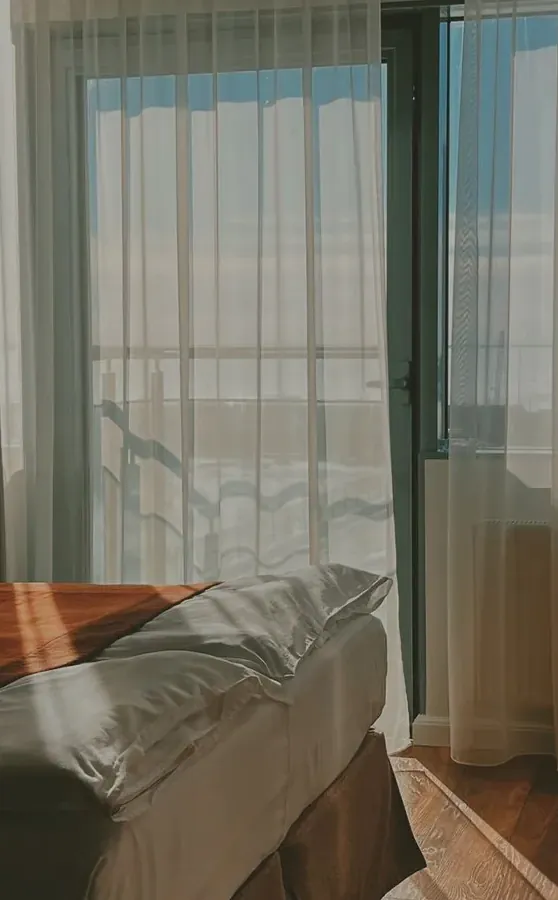
Al Hindawiyah is an old popular quarter beside Jeddah Islamic Port dating from the nineteenth century. High residential density and over two hundred shops divide it into a section facing the port and a popular inland section. Old apartment buildings sit above shops. Constant movement from the port, ships and workers spreads bed bugs easily between flats and shops. Shared old plumbing and high moisture create ideal conditions.
Heavy daily movement from the port, ships, workers and relocating residents means bed bugs spread at remarkable speed between neighbouring flats and shops. For the method itself, see the full bed bug treatment page.
Very old corroded pipes and shared drains between buildings offer open routes for bugs to migrate freely. Persistent moisture from the port and sea provides ideal shelter.
Narrow old flats with damp walls and mould from high humidity provide multiple hiding places. Mould loves moisture just as bed bugs do.
Heavy traffic of port workers, sailors, drivers and relocating residents transports bed bugs on clothing and bags. Bugs spread rapidly between units.
An old popular district very close to the port with very high population density, aged tightly-packed buildings with narrow flats. Humidity from the port and sea is very high. Very old shared drains and pipework throughout.
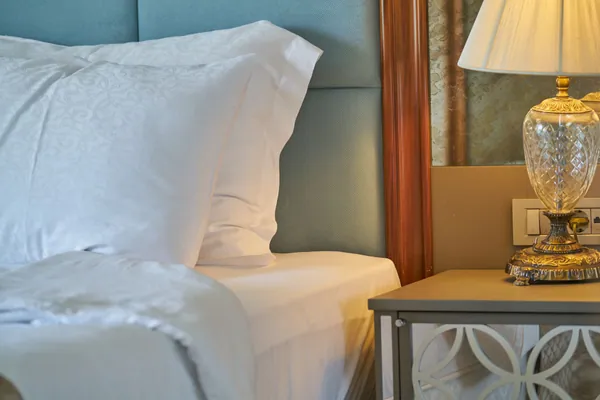
Inspection in Al Hindawiyah must extend to the shops below the building and neighbouring flats, because constant movement between shops and flats facilitates bug migration.

Very old pipes and wide gaps around shared drains offer open routes between floors, so treating these areas with precision is essential.
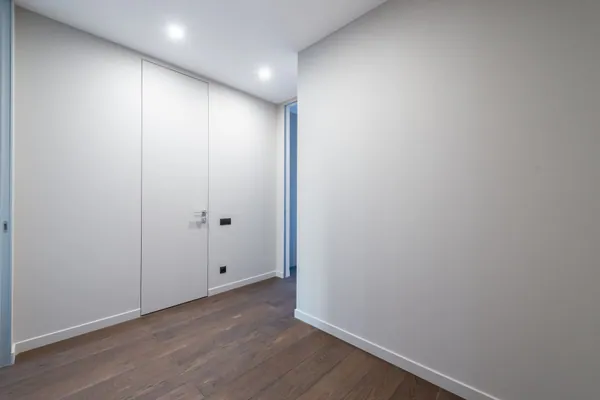
Damp walls and pervasive mould provide multiple refuges for bed bugs, so we focus on cracks and dark damp corners.
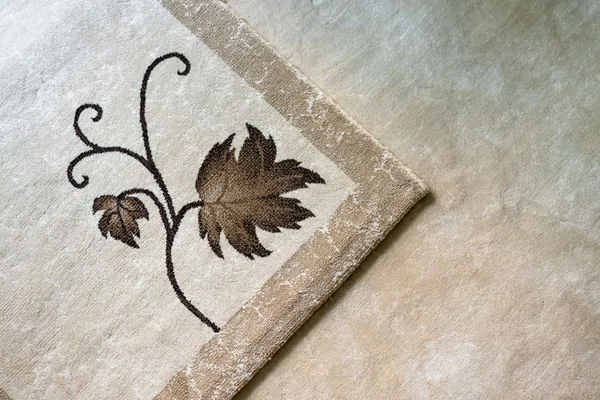
Carpet edges, heavy curtains and damp areas along walls become major congregation points.
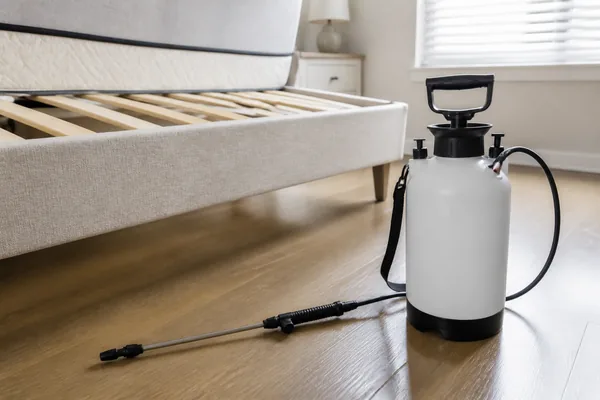
Eggs hidden in dampness, mould and tight gaps hatch quickly in the damp environment, so follow-up is critical.
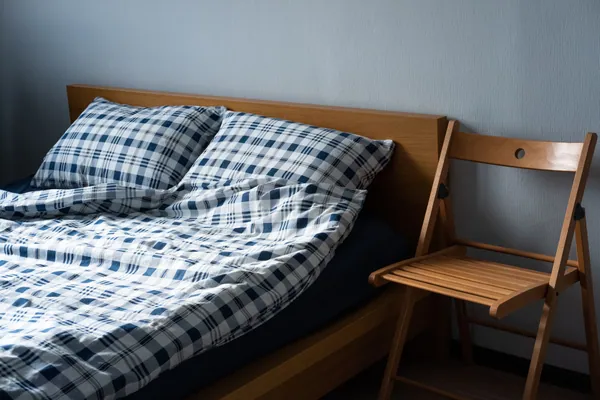
After treatment we monitor for a long period because constant movement from the port and workers may introduce new infestation. We recommend inspecting neighbouring flats and nearby shops.
Before anything is applied, we inspect the seams, frame joints, headboard and skirting to locate the harborage points.
Visible bugs and eggs in reachable spots are removed physically first, which lowers the population immediately and makes the treatment work on less.
Applied into the seams, joints and cracks where they actually shelter, not misted across the open mattress where they never sit during the day.
We work outward from the bed to the surrounding furniture and skirting, because by the time you notice them they have usually started to spread.
Washing and hot-drying bedding, clearing clutter and keeping the layout stable between passes is half the result.
Eggs are shielded and survive the first treatment.
The result comes from reaching the seams, joints and cracks, not from how much is sprayed.
We do not pretend one visit ends it.
The company runs a large crew, and the team arrives with the materials and a plan for the layout, so the whole affected area is handled in the visit.
If it is early and contained we say so, and if it is advanced we say that too.
Photographs from real jobs carried out by the crew.












The commitment is one you can hold us to: an honest read of the situation, and no work or cost added without telling you first.
Al Hindawiyah sits strategically between Jeddah Islamic Port and Port Street, and its division by Al Dhahab Street into a port-facing section and a popular inland section facilitates movement and access to any flat.
We provide these in Al Hindawiyah too, and more than one can share a single visit.



