
We treat where they live
The result comes from reaching the seams, joints and cracks, not from how much is sprayed.

Al Shati is a northern coastal district on the Jeddah Corniche, and the high humidity and salt air here intensify bed bug infestations. The insect thrives more in moist environments, hiding in mattress seams and the cracks that coastal moisture deepens. Treatment must reach into these protected spaces where eggs survive untouched.
Residents notice that night-time moisture from the sea causes a musty smell in mattresses and curtains even before bed bugs become visible, a sign the environment favours them. For the method itself, see how we approach bed bug treatment.
In Al Shati, air saturated with salt and moisture creates ideal conditions for bed bugs to breed faster. Damp cracks and seams offer better protection for eggs and juveniles, so treatment must penetrate deep gaps that moisture keeps moist and attractive.
Salt and fine sea dust settle on all surfaces, forming a protective layer that shields bed bugs from surface spraying. Before treatment, furniture must be cleaned of this deposit because the spray needs direct contact with the insect's hiding places.
Residents keep clothes and fabrics in internal cupboards because of outdoor humidity, making those cupboards perfect hiding places for bed bugs. Treatment includes inspection of all storage areas, not just the bed itself.
Al Shati overlooks the Red Sea directly, and its hotels and residential compounds face constant coastal humidity throughout the year, which changes the nature of any bed bug problem there.

Inspection of a coastal flat begins with visible moisture and the musty smell that signals an environment where bed bugs thrive.

Mattress seams in Al Shati retain more moisture than elsewhere, so cleaning them before treatment is a necessary step.
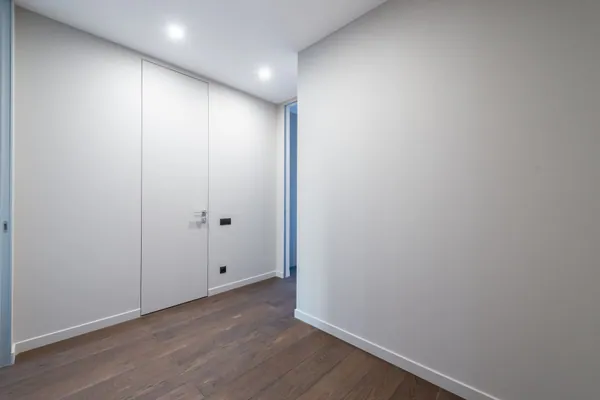
Cracks in walls and gaps between marble and cupboards absorb moisture and are places where bed bugs hide deep where humidity keeps them safe.
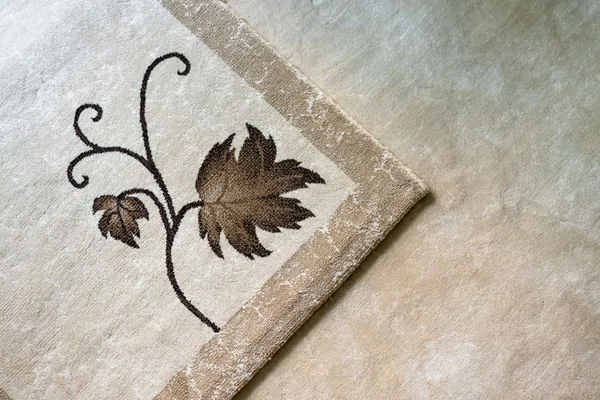
Carpet edges and ceramic skirting in Al Shati may be permanently damp, needing specialist treatment that does not leave the environment wetter.
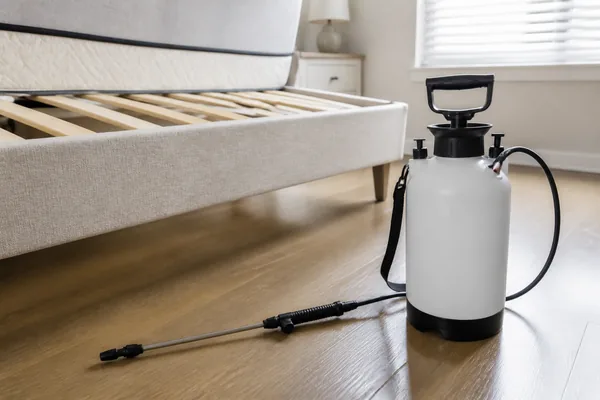
Treatment reaches eggs protected by moisture in seams and cracks, and timing matters greatly to avoid leaving new eggs to hatch after we leave.

The second visit in Al Shati comes two weeks after the first to confirm the insects have not returned in the constant humidity.
Before anything is applied, we inspect the seams, frame joints, headboard and skirting to locate the harborage points.
Visible bugs and eggs in reachable spots are removed physically first, which lowers the population immediately and makes the treatment work on less.
Applied into the seams, joints and cracks where they actually shelter, not misted across the open mattress where they never sit during the day.
We work outward from the bed to the surrounding furniture and skirting, because by the time you notice them they have usually started to spread.
Washing and hot-drying bedding, clearing clutter and keeping the layout stable between passes is half the result.
Eggs are shielded and survive the first treatment.
The result comes from reaching the seams, joints and cracks, not from how much is sprayed.
We do not pretend one visit ends it.
The company runs a large crew, and the team arrives with the materials and a plan for the layout, so the whole affected area is handled in the visit.
If it is early and contained we say so, and if it is advanced we say that too.
Photographs from real jobs carried out by the crew.












The commitment is one you can hold us to: an honest read of the situation, and no work or cost added without telling you first.
Coastal area: high humidity and salt air through the year
A coastal location means constant humidity that never stops, making the bed bug environment ideal all year. Treatment selects materials that tolerate both salt and moisture together, and does not increase the dampness in the process of solving it.
We provide these in Al Shati too, and more than one can share a single visit.



