
We treat where they live
The result comes from reaching the seams, joints and cracks, not from how much is sprayed.
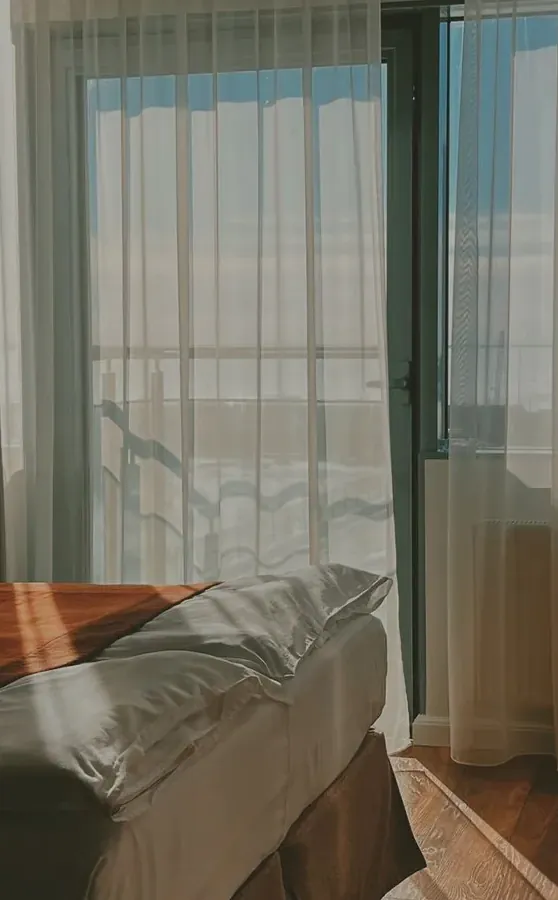
Al Aqeeq is a new subdivision within Obhur Al Shamaliyah in north Jeddah. Construction is ongoing and vacant plots are numerous between new homes. Houses are newly built with new furnishings. Bed bugs usually arrive with newly imported furniture. Fine sand from the ground enters easily with footsteps, and large new windows allow sea moisture inside.
Residents here are very new to the area and furnishings are freshly purchased. Bed bugs may enter with the first furniture shipment and go undetected for weeks until insects begin to appear. For the method itself, see our guide to bed bug treatment.
Newly imported furniture arrives with thick padding and deep frame seams. Bed bugs hide in internal padding and fabric seams that may not be examined closely at purchase.
Fine sand from the ground enters the new district with every step, and large new windows do not shield against moisture and sand. Bed bugs exploit this moisture.
Ongoing construction around the area raises humidity, and rubble and dust leave fine particles in the air. This creates moist conditions ideal for the bug life cycle.
Part of a newly-released urban development area with newly released land plots and housing, ongoing construction throughout. Sand and fine dust enter new homes easily through new windows and doors.
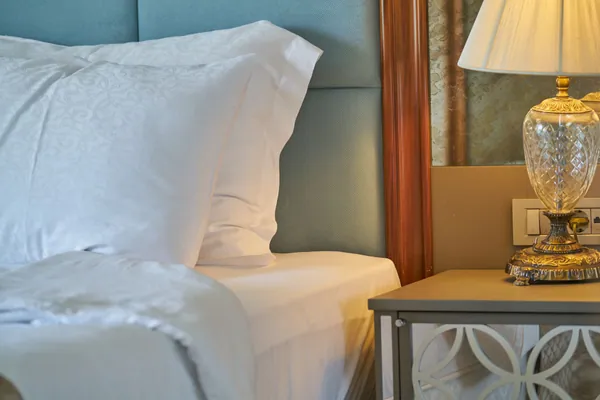
Initial inspection in Al Aqeeq focuses on newly imported furniture and internal padding, because bed bugs usually enter with early furniture shipments.

Smooth new walls and fine seams around them offer ideal small hiding places, so we inspect cracks around fixing points and corners carefully.
Fine gaps around new doors and windows where moisture enters become bug congregation zones, so treating these areas is essential before follow-up.
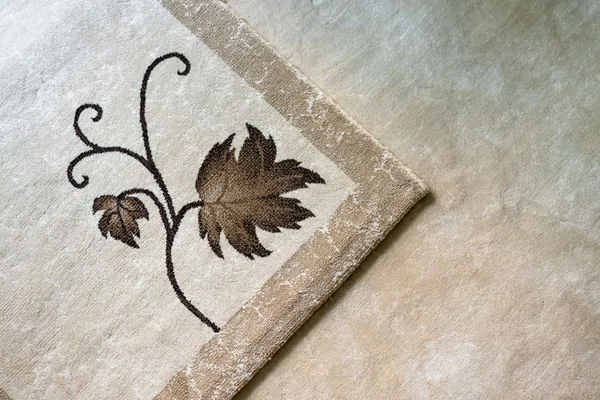
Edges of new carpet and heavy curtains trap both moisture and bed bugs, so we focus on curtain rods and fine boundary lines.
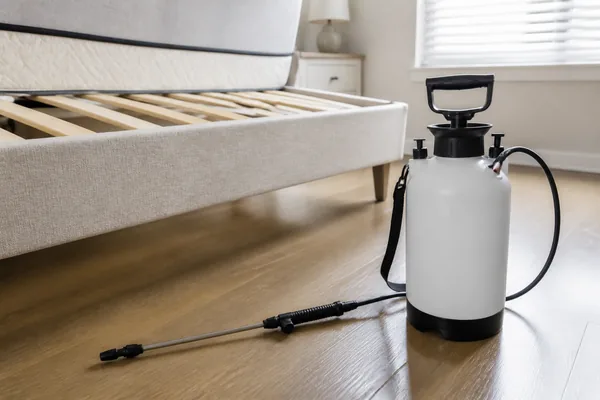
Eggs beneath thick padding and in deep seams do not die from first application, so follow-up is critical in a damp new district.
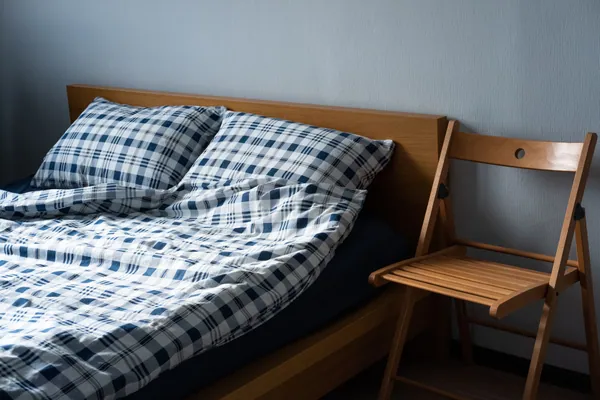
After treatment we recommend inspecting any new furniture before bringing it inside and monitoring for longer because of the high moisture in the new district.
Before anything is applied, we inspect the seams, frame joints, headboard and skirting to locate the harborage points.
Visible bugs and eggs in reachable spots are removed physically first, which lowers the population immediately and makes the treatment work on less.
Applied into the seams, joints and cracks where they actually shelter, not misted across the open mattress where they never sit during the day.
We work outward from the bed to the surrounding furniture and skirting, because by the time you notice them they have usually started to spread.
Washing and hot-drying bedding, clearing clutter and keeping the layout stable between passes is half the result.
Eggs are shielded and survive the first treatment.
The result comes from reaching the seams, joints and cracks, not from how much is sprayed.
We do not pretend one visit ends it.
The company runs a large crew, and the team arrives with the materials and a plan for the layout, so the whole affected area is handled in the visit.
If it is early and contained we say so, and if it is advanced we say that too.
Photographs from real jobs carried out by the crew.












The commitment is one you can hold us to: an honest read of the situation, and no work or cost added without telling you first.
New development: ongoing construction and vacant plots between the homes
In a new development district like Al Aqeeq, most infestations come from newly imported furniture rather than local sources, because the district is newly developing and residents are newcomers with no established local bed bug sources.
We provide these in Al Aqeeq too, and more than one can share a single visit.



