
We treat where they live
The result comes from reaching the seams, joints and cracks, not from how much is sprayed.
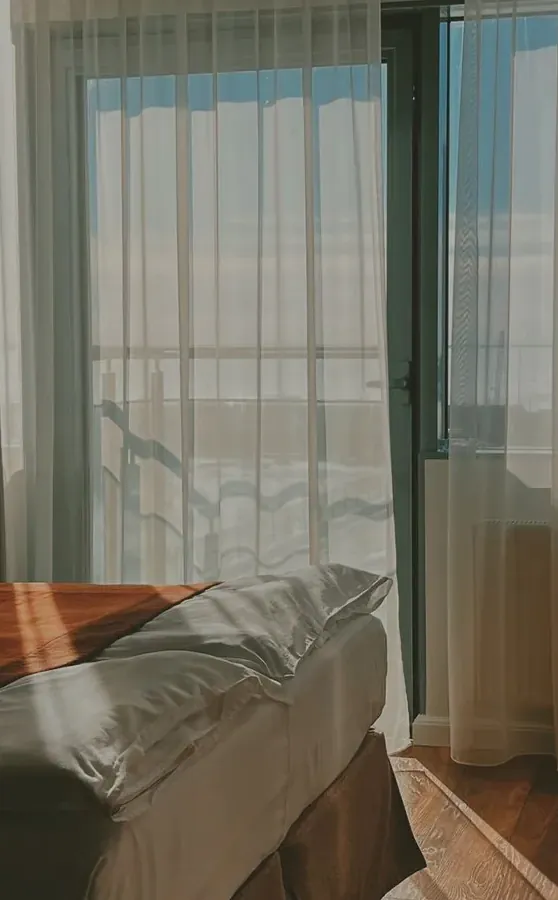
Al Balad is the historic heart of Jeddah, a UNESCO World Heritage site of coral limestone tower houses with wooden rawashin latticework. Narrow lanes wind between the Alawi and Bedouin souqs around Bab Makkah and Bab Sharif. Bed bugs here hide in old timber, in the rawashin screens and in the deep cracks of the coral stone itself. Inspection demands understanding the historic structure of the buildings, and treatment must preserve the heritage.
Ancient timbers in the rawashin, doors and windows provide natural refuges for bed bugs, and the cracks in coral stone run deep and are difficult to repair without damaging the heritage. For the method itself, see our bed bug treatment service in detail.
In Al Balad, the old wooden rawashin screens, doors and window frames provide natural shelter for bed bugs. Damp, ancient timber contains cracks and gaps where bugs hide easily. Inspection requires understanding the historic structure of the buildings.
Ancient coral stone contains deep natural cracks. Old mortar between the stones is weak and deteriorated. Bed bugs hide in these cracks and gaps. Repairing every crack may damage the heritage.
The ancient souqs of Al Balad overflow with second-hand furniture. Bed bugs spread from shop to shop through the furniture stock. Homes above the shops may become infested from the furniture stored below.
A historic old district in central Jeddah with a fabric of coral limestone houses and wooden rawashin screens, popular souqs and narrow winding lanes, listed by UNESCO as a World Heritage site.
Inspection starts with the old wooden rawashin screens, doors and windows, checking every crack in the coral stone around the openings.

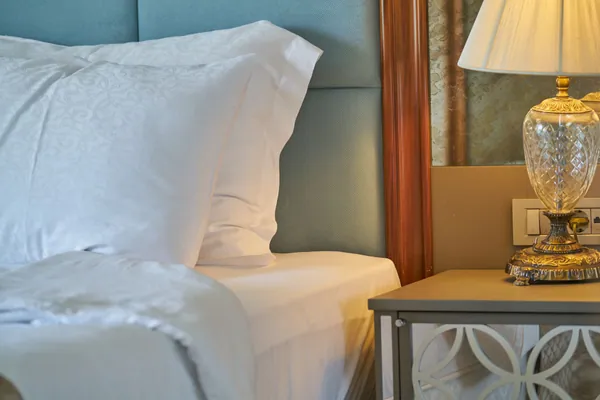
Mattress and bed seams are checked carefully, with special attention to old and imported furniture that may harbour bugs.
Cracks and gaps in coral stone and ancient mortar are treated with special care to protect the historic structure.
Room perimeter and gaps around the old rawashin screens and historic windows are treated with extreme care without damaging the heritage.
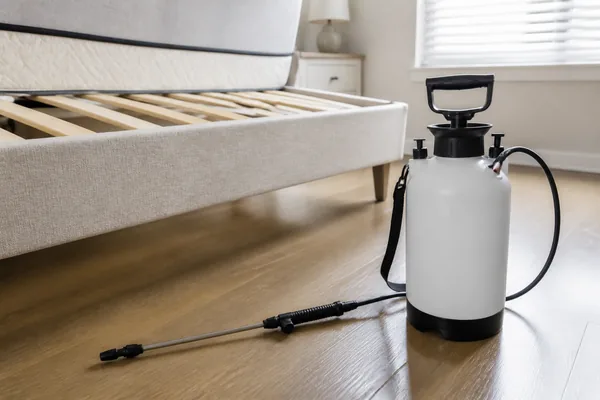
Treatment reaches eggs hidden in deep cracks and ancient timber without dismantling the building.
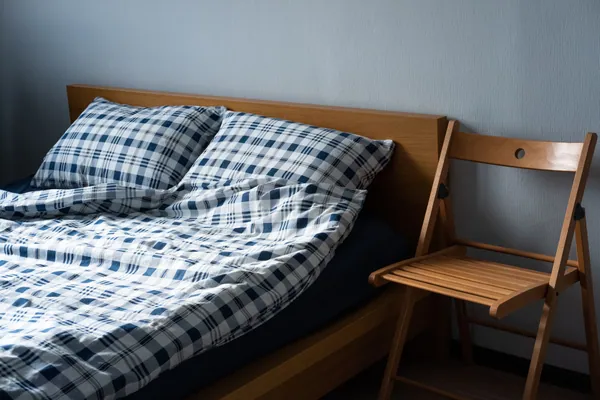
The follow-up visit after about ten days checks the cracks, timber and furniture carefully, protecting the heritage site.
Before anything is applied, we inspect the seams, frame joints, headboard and skirting to locate the harborage points.
Visible bugs and eggs in reachable spots are removed physically first, which lowers the population immediately and makes the treatment work on less.
Applied into the seams, joints and cracks where they actually shelter, not misted across the open mattress where they never sit during the day.
We work outward from the bed to the surrounding furniture and skirting, because by the time you notice them they have usually started to spread.
Washing and hot-drying bedding, clearing clutter and keeping the layout stable between passes is half the result.
Eggs are shielded and survive the first treatment.
The result comes from reaching the seams, joints and cracks, not from how much is sprayed.
We do not pretend one visit ends it.
The company runs a large crew, and the team arrives with the materials and a plan for the layout, so the whole affected area is handled in the visit.
If it is early and contained we say so, and if it is advanced we say that too.
Photographs from real jobs carried out by the crew.












The commitment is one you can hold us to: an honest read of the situation, and no work or cost added without telling you first.
Al Balad centers on Nassif House and Al Shafi'i Mosque, and is surrounded by the ancient Souq Al Alawi and Souq Al Badu around Bab Makkah and Bab Sharif. Inspection is coordinated from the main entrances to the heritage district, and treatment preserves the rawashin screens and coral stones listed in the World Heritage register.
We provide these in Al Balad too, and more than one can share a single visit.



