
We treat where they live
The result comes from reaching the seams, joints and cracks, not from how much is sprayed.
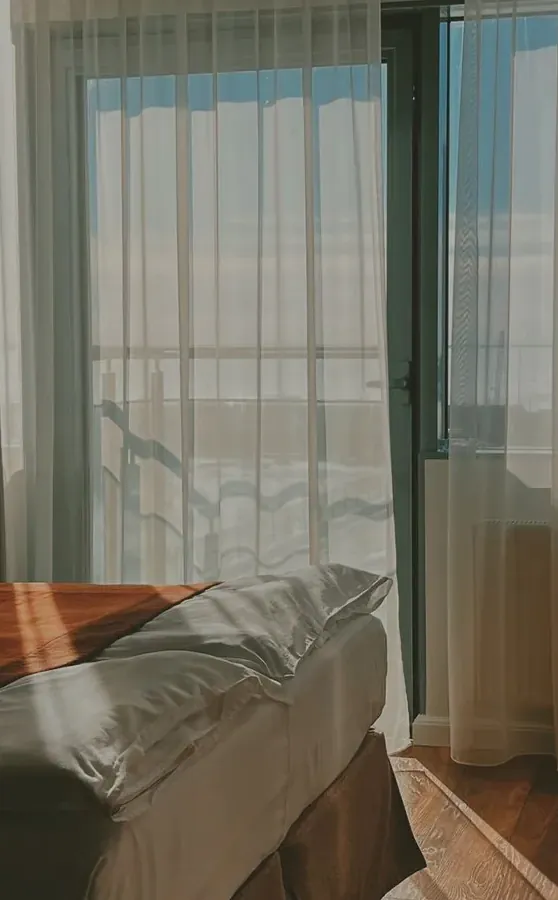
Al Ghawla is a simple residential district in east Jeddah near Wadi Al Ghawla, one of a quiet cluster of small quarters far from the sea. The air is drier than the coast but carries moisture from the wadi and nearby hills, and dust comes from dirt roads and open ground. Gaps under doors and openings around old pipework provide easy routes for bed bugs, and old mattresses and furniture hide them with ease.
Dust in Al Ghawla comes from dirt roads and open ground, and wadi moisture keeps furniture and mattresses slightly damp. For the method itself, see what bed bug treatment involves.
Al Ghawla sits beside Wadi Al Ghawla and near Asfan Road, so air carries dust from roads and open ground and moisture from the wadi and hills. This mixture settles on furniture and mattresses, making them heavier and more damp. Bed bugs exploit this moisture and the dust that covers them.
In Al Ghawla, most flats sit above small shops, and lifts, stairs and floor gaps offer easy routes for bed bugs to move. Bed bugs may come from the shop below the flat or from an infested neighbour, because cracks and gaps are plentiful and deep.
Most homes in Al Ghawla have old furniture and worn mattresses, and wadi moisture makes them softer. Bed bugs find very deep hiding places in cracks and old filling, and treatment must reach every crack.
A simple residential district in the eastern sub-municipality area near Wadi Al Ghawla, with small shops below and flats above, where air is drier than the coast but dampened by the wadi.
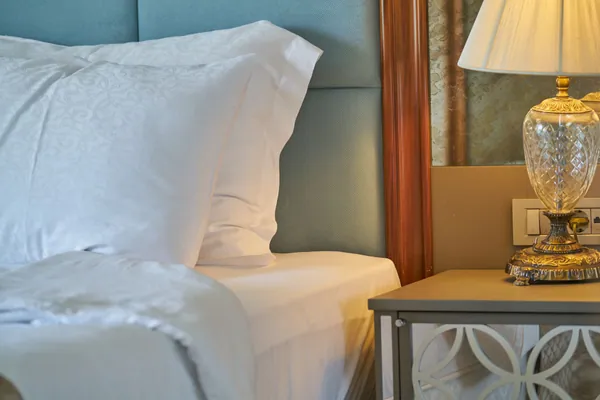
In Al Ghawla, initial inspection focuses on wadi moisture, dust from roads and gaps between floors.

Mattress and cushion seams are packed with dust, moisture and bed bugs. Deep cleaning before treatment is essential.
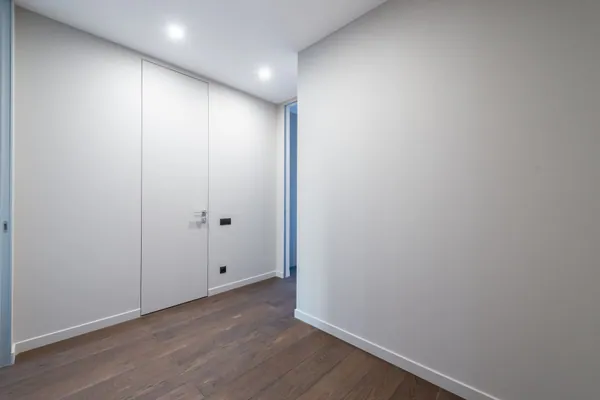
Cracks in old furniture are wide and deep from moisture and age, needing careful treatment.
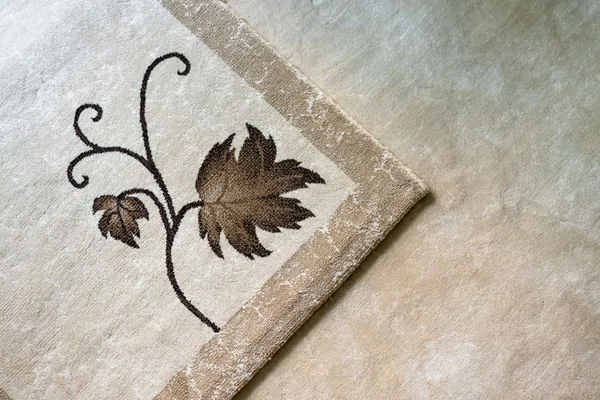
Carpets and curtains in Al Ghawla trap moisture and dust together. Thorough cleaning before spraying is essential.
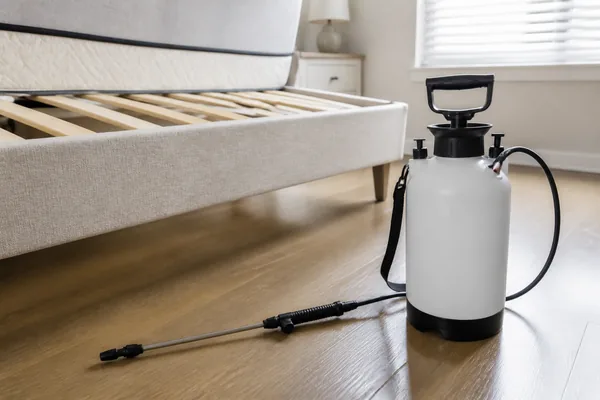
Eggs are hidden deep in old furniture and cracks in walls, and treatment must reach the deepest points.
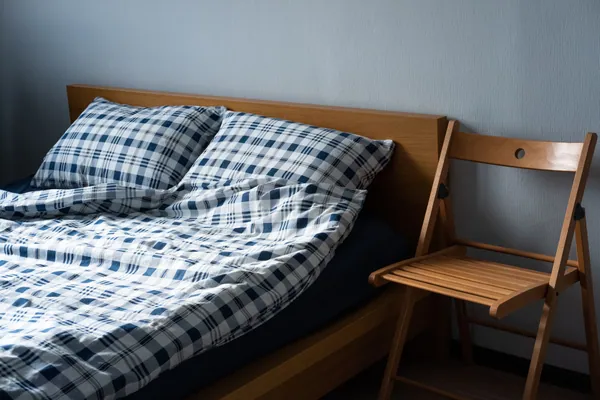
The follow-up visit rechecks floor gaps again because bed bugs may have returned from the shop or neighbouring flat.
Before anything is applied, we inspect the seams, frame joints, headboard and skirting to locate the harborage points.
Visible bugs and eggs in reachable spots are removed physically first, which lowers the population immediately and makes the treatment work on less.
Applied into the seams, joints and cracks where they actually shelter, not misted across the open mattress where they never sit during the day.
We work outward from the bed to the surrounding furniture and skirting, because by the time you notice them they have usually started to spread.
Washing and hot-drying bedding, clearing clutter and keeping the layout stable between passes is half the result.
Eggs are shielded and survive the first treatment.
Mixed district: shops at street level with homes above them
In a mixed district like Al Ghawla, bed bugs do not wait for one flat to be treated. They crawl through cracks between floors and openings around pipework, moving from shop to flat or flat to flat with ease.
The result comes from reaching the seams, joints and cracks, not from how much is sprayed.
We do not pretend one visit ends it.
The company runs a large crew, and the team arrives with the materials and a plan for the layout, so the whole affected area is handled in the visit.
If it is early and contained we say so, and if it is advanced we say that too.
Photographs from real jobs carried out by the crew.












The commitment is one you can hold us to: an honest read of the situation, and no work or cost added without telling you first.
In Al Ghawla, homes and shops spread near Wadi Al Ghawla and Asfan Road, and work begins by inspecting gaps between the shop and flat, then traces deep cracks in old furniture.
We provide these in Al Ghawla too, and more than one can share a single visit.



