
We treat where they live
The result comes from reaching the seams, joints and cracks, not from how much is sprayed.
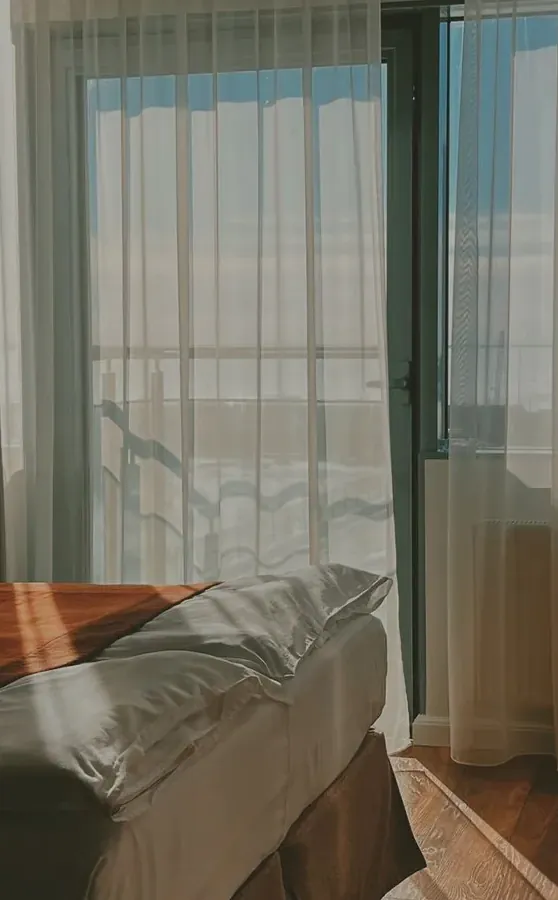
Al Sahel lies on the western edge of south Jeddah near Al Saif Corniche on the Red Sea. An emerging coastal residential area with villas, apartments and shops, it sits between the sea on one side and heavy commercial routes on the other. High coastal humidity and oily dust from trucks combine to create a complex environment where bed bugs multiply rapidly.
In coastal areas close to heavy trade routes, high humidity and oily dust together create perfect shelter conditions for bed bugs. For the method itself, see what bed bug treatment involves.
Al Sahel is close to the Red Sea and humidity here is high year round. This moisture creates ideal conditions for rapid bed bug breeding compared to dry areas. Fabrics and mattresses trap humidity and salt, becoming perfect environments for bed bugs and eggs to hide.
Heavy goods routes near Al Sahel spread oily dust from diesel and workshop debris. This dust settles on curtains and fabrics and hides bed bugs inside them. Treatment finds it hard to reach bed bugs beneath this oily coating.
Al Sahel combines sea moisture, salt air and heavy vehicle dust. This mixture creates a complex protective environment for bed bugs. Mildew grows easily in these conditions, and bed bugs hide within it. Treatment must account for all these factors together.
Al Sahel is a residential coastal strip in south Jeddah near Al Saif Corniche, a mix of residential land, villas, apartments and shops, bounded by commercial routes.

Inspection in Al Sahel begins with curtains and fabrics because humidity, salt and dust hide bed bugs within them.

Mattress and bed seams trap moisture, salt and oily dust together; inspect deeply.
Cracks around external windows and doors must be treated as they may be entry routes from the road.
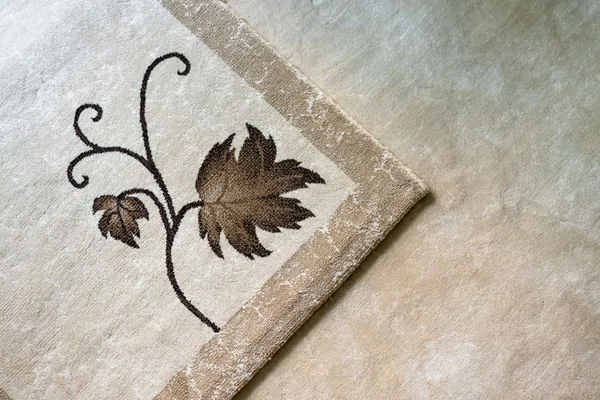
Carpets and curtains trap both moisture and oily dust; bed bugs hide in them readily.
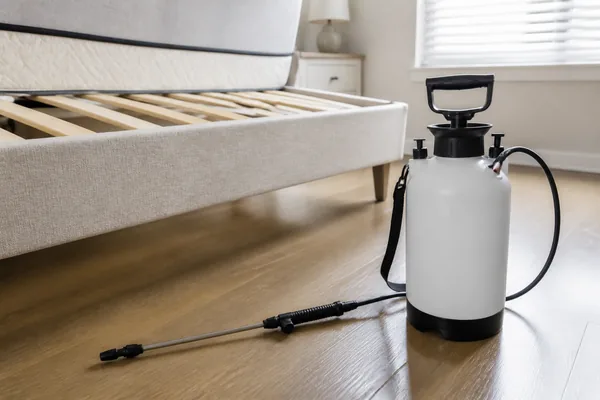
Treatment must penetrate beneath salt, dust and moisture where bed bugs hide.
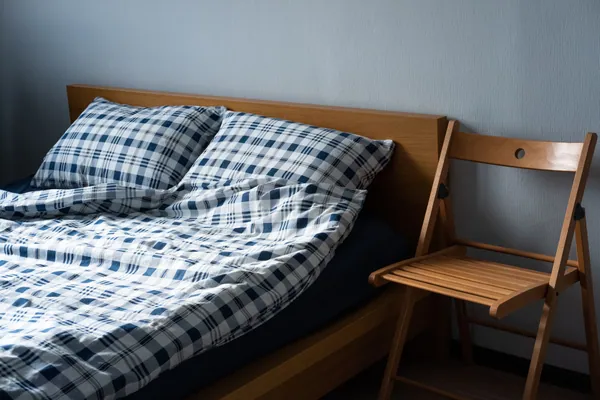
Follow-up visits may be sooner than usual because bed bug life cycle is faster in damp conditions.
Before anything is applied, we inspect the seams, frame joints, headboard and skirting to locate the harborage points.
Visible bugs and eggs in reachable spots are removed physically first, which lowers the population immediately and makes the treatment work on less.
Applied into the seams, joints and cracks where they actually shelter, not misted across the open mattress where they never sit during the day.
We work outward from the bed to the surrounding furniture and skirting, because by the time you notice them they have usually started to spread.
Washing and hot-drying bedding, clearing clutter and keeping the layout stable between passes is half the result.
Eggs are shielded and survive the first treatment.
Coastal area: high humidity and salt air through the year
Coastal high humidity near heavy traffic routes means a complex environment combining moisture, salt and dust. This requires closer, more intensive follow-up and special focus on curtains and fabrics, plus careful attention to cracks where bed bugs from outside may enter.
The result comes from reaching the seams, joints and cracks, not from how much is sprayed.
We do not pretend one visit ends it.
The company runs a large crew, and the team arrives with the materials and a plan for the layout, so the whole affected area is handled in the visit.
If it is early and contained we say so, and if it is advanced we say that too.
Photographs from real jobs carried out by the crew.












The commitment is one you can hold us to: an honest read of the situation, and no work or cost added without telling you first.
South Jeddah runs from the port and the industrial city down towards Al Khumrah, and homes here sit between the sea and the heavy goods roads. The dust is darker and oilier than in the north, a mix of diesel soot and workshop grit, and it clings to net curtains, window sills and the tops of kitchen cupboards. Floors in the older low rise housing are often plain cement or ceramic tile that darkens where soot is walked in. Humidity from the coast adds mildew in bathrooms and a musty smell in stored fabrics.
We provide these in Al Sahel too, and more than one can share a single visit.



