
We treat where they live
The result comes from reaching the seams, joints and cracks, not from how much is sprayed.
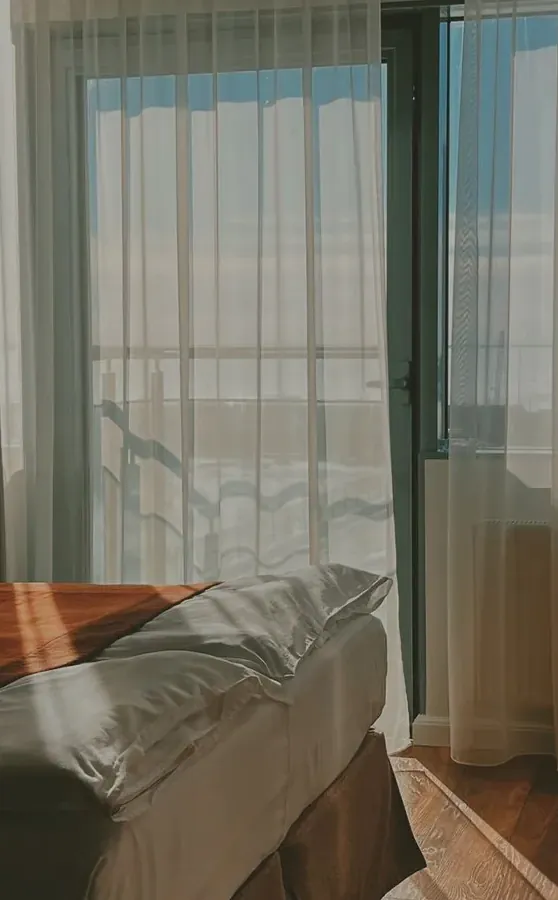
Wadi Usheirah is a valley in the hills east and southeast of Jeddah within the Abraq Al Rughamah area, a very open, sparsely built region with homes far apart and open land between them. Bed bugs may travel easily from open ground and gardens into the home, and moisture from sandy soil provides wide shelter. Treatment must inspect both home and garden thoroughly together.
Homes are very far apart and land between them is open and uninhabited, moisture from sandy soil and irrigation keeps the ground around homes damp all year. For the method itself, see the full bed bug treatment page.
In a remote rural area, the garden around the home is a safe passage for bed bugs from soil and plant life. Outdoor furniture and pets may carry bugs into the house. The great distance between homes means one infestation may not spread to neighbours, but open nature provides multiple sources.
Sandy soil holds moisture easily, and constant garden watering increases dampness around the home. Bed bugs thrive in moisture and breed faster in it. Cracks around the home allow moisture to rise inside, becoming safe shelter for bugs.
Rural homes are often built on simple foundations on unstable ground. Cracks are deep and present in walls and floors everywhere. Bed bugs hide in these cracks and remain shielded from surface spray. Treatment must reach deep into cracks and cavities where bugs shelter safely.
A valley within the Abraq Al Rughamah area in the hills east and southeast of Jeddah, close to Wadi Qaws and Wadi Mareekh in the Jabal Khashash range, a very open, sparsely settled area with widely scattered homes.

Inspection starts from the garden and outdoor furniture, then moves to cracks around the home and foundations.

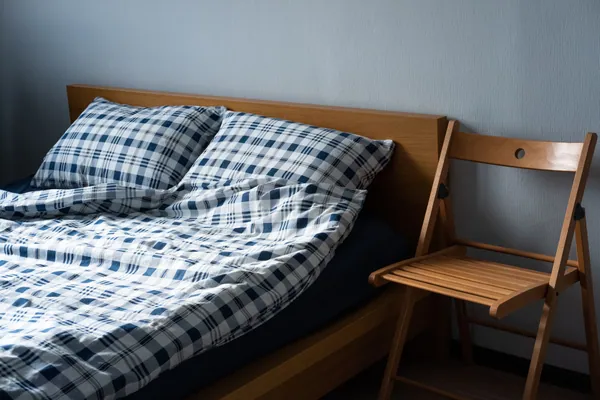
Mattress and frame seams get careful treatment, including any outdoor furniture present in the garden.
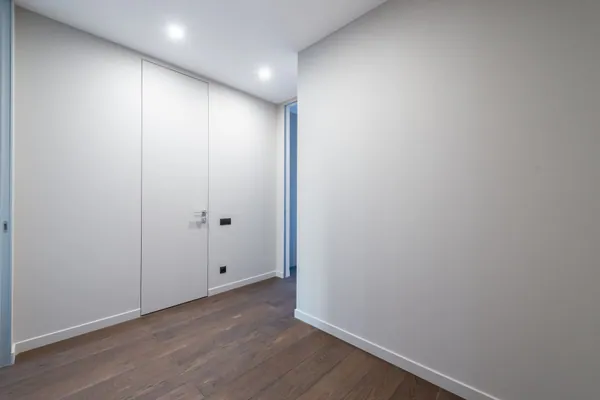
Cracks in floors and corners around walls need deep treatment because moisture rises from sandy soil.
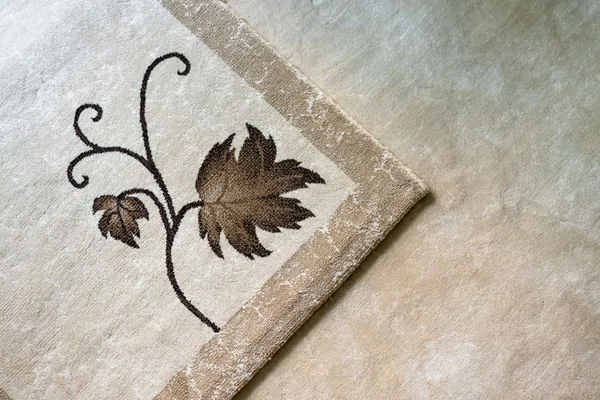
Carpet edges and heavy curtains offer safe shelter, and treatment reaches completely under the entire carpet.
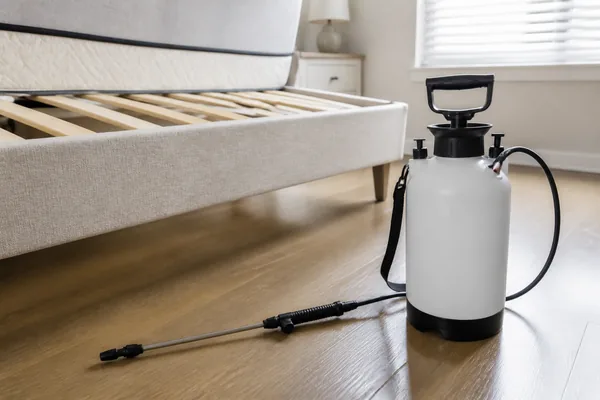
Eggs are shielded in furniture seams, cracks and garden soil, and one treatment does not reach them all.
The second visit ten days later catches newly hatched bed bugs emerging from protected eggs, and confirms they are not returning from the garden.
Before anything is applied, we inspect the seams, frame joints, headboard and skirting to locate the harborage points.
Visible bugs and eggs in reachable spots are removed physically first, which lowers the population immediately and makes the treatment work on less.
Applied into the seams, joints and cracks where they actually shelter, not misted across the open mattress where they never sit during the day.
We work outward from the bed to the surrounding furniture and skirting, because by the time you notice them they have usually started to spread.
Washing and hot-drying bedding, clearing clutter and keeping the layout stable between passes is half the result.
Eggs are shielded and survive the first treatment.
The result comes from reaching the seams, joints and cracks, not from how much is sprayed.
We do not pretend one visit ends it.
The company runs a large crew, and the team arrives with the materials and a plan for the layout, so the whole affected area is handled in the visit.
If it is early and contained we say so, and if it is advanced we say that too.
Photographs from real jobs carried out by the crew.












The commitment is one you can hold us to: an honest read of the situation, and no work or cost added without telling you first.
Rural area: farms, open ground and scattered homes
A remote rural area means bed bugs may come from the garden and open land around the home, the distance between homes means relative isolation, and treatment must inspect the home, garden and sandy ground thoroughly together to cut off sources of infestation.
We provide these in Wadi Usheirah too, and more than one can share a single visit.



