
We treat where they live
The result comes from reaching the seams, joints and cracks, not from how much is sprayed.
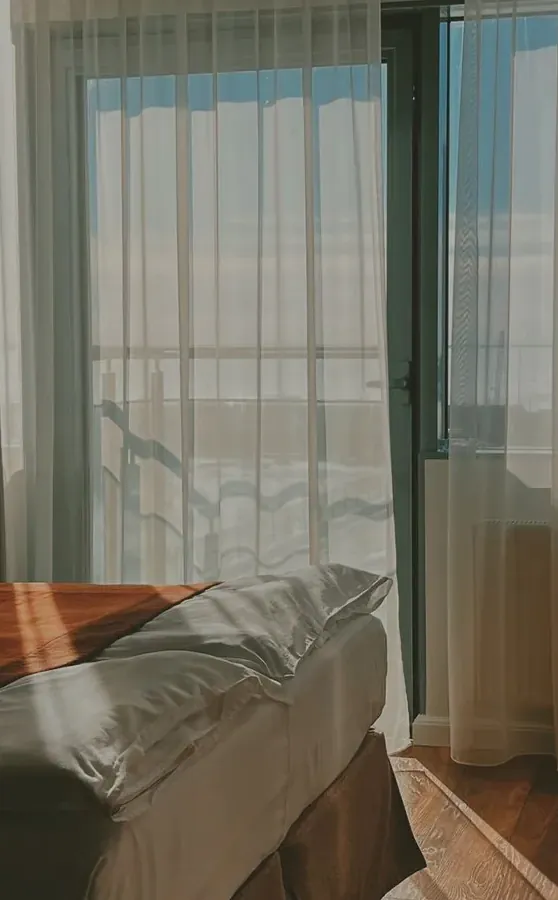
Al Naseem stacks shops at street level with residential flats above them in single buildings, which means bed bugs can travel vertically between units through the shared gaps and pipe routes. The worn terrazzo and older ceramic floors run smooth from decades of use, making movement between rooms easier for insects, and the old horizontal plumbing shared between the ground floor and the flat above offers protected passages for spread.
We often find that infestation here starts with used furniture bought from the shop below, then spreads rapidly through the shared walls between the unit and the commercial space. For the method itself, see the full bed bug treatment page.
The gaps around pipes and conduits that link the flat to the shop below it provide safe passages for bugs to travel. Treatment must reach these gaps from both the shop side and the residential side together, not from one side only. This shared infrastructure is the main vector of spread.
Furniture sold from the shops below your flat can be a primary source of infestation, and the proximity means even individual bugs can climb up easily. We always ask about furniture that arrived in the weeks before the infestation was noticed.
Flats above active commercial spaces lack the insulation that detached homes provide. The constant movement below brings heat and humidity that accelerates the bed bug life cycle, and the blurred boundaries between zones mean the bug population has access to more hosts across a wider territory.
Ground-floor shops receive constant foot traffic and goods deliveries, while the flats above are exposed to insects climbing through the gaps between units and around the shared plumbing that connects them vertically.

Inspection starts at the gaps between your flat and the shop below and adjacent units, because bed bugs wait in these channels during their life cycle.

Mattress and bed frame seams may hide bed bug eggs protected from sight, and treatment reaches the deepest gaps to prevent the eggs from hatching.
The gaps around pipes and the joins between walls in Al Naseem need special attention because they are direct transit routes between units.
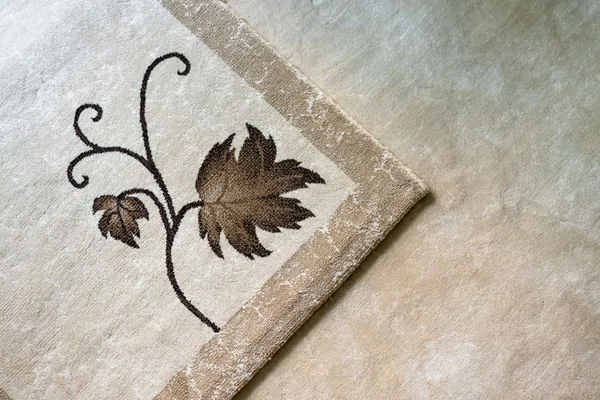
Carpet edges and room perimeter often trap bed bug eggs that are invisible to the eye, and treatment reaches these areas before insects can spread.
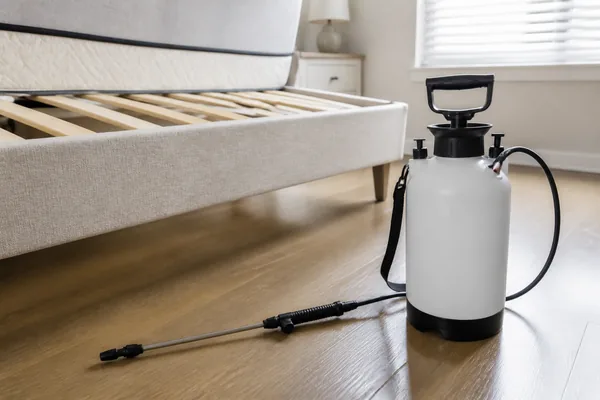
Treatment focuses on the hidden gaps, not on visible surfaces, because bed bugs live in the places you cannot see.
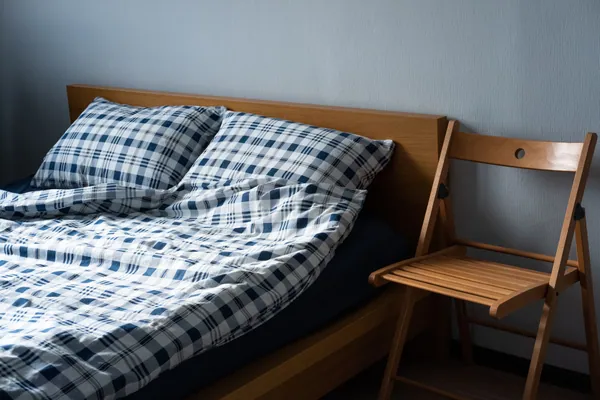
A follow-up visit ten days later catches the bugs that hatched from eggs after the first treatment.
Before anything is applied, we inspect the seams, frame joints, headboard and skirting to locate the harborage points.
Visible bugs and eggs in reachable spots are removed physically first, which lowers the population immediately and makes the treatment work on less.
Applied into the seams, joints and cracks where they actually shelter, not misted across the open mattress where they never sit during the day.
We work outward from the bed to the surrounding furniture and skirting, because by the time you notice them they have usually started to spread.
Washing and hot-drying bedding, clearing clutter and keeping the layout stable between passes is half the result.
Eggs are shielded and survive the first treatment.
Mixed district: shops at street level with homes above them
In a mixed district like Al Naseem, bed bugs do not simply travel from flat to shop; they use the shared gaps and vertical pipe routes as safe corridors. Treatment must reach every one of these gaps from both sides simultaneously to break the cycle.
The result comes from reaching the seams, joints and cracks, not from how much is sprayed.
We do not pretend one visit ends it.
The company runs a large crew, and the team arrives with the materials and a plan for the layout, so the whole affected area is handled in the visit.
If it is early and contained we say so, and if it is advanced we say that too.
Photographs from real jobs carried out by the crew.












The commitment is one you can hold us to: an honest read of the situation, and no work or cost added without telling you first.
Central Jeddah is the old heart of the city: Al Balad with its coral stone houses, and the dense apartment quarters around it with shops beneath the flats. Floors here are often terrazzo or older ceramic tile, worn smooth and easily stained by cooking grease that drifts up from the street. Older kitchens and bathrooms carry heavy scale on taps and around drains, and pipework in the older blocks leaves rust marks in basins. Rugs and curtains take on the fine black dust of the main roads, so they need washing more often than elsewhere.
We provide these in Al Naseem too, and more than one can share a single visit.



