
We treat where they live
The result comes from reaching the seams, joints and cracks, not from how much is sprayed.
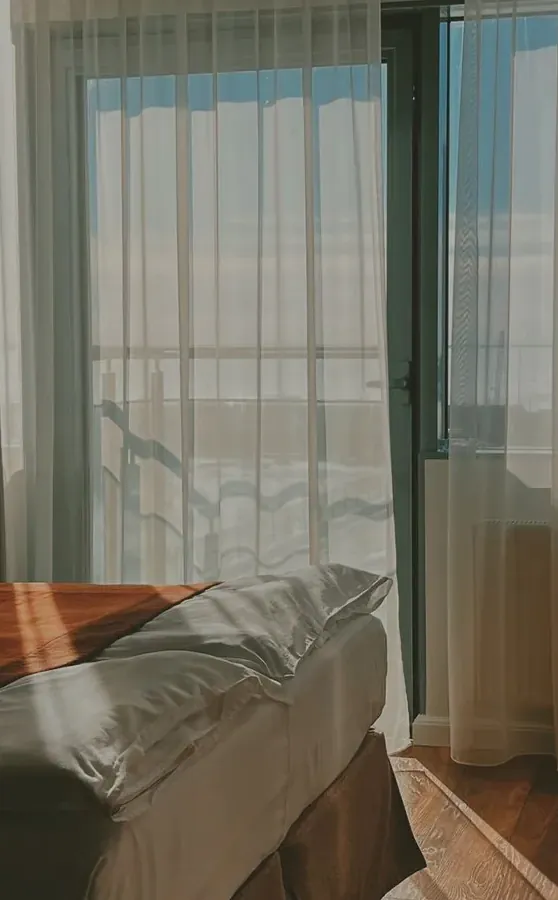
Abhur South is a coastal area with constant high humidity and salt air, which alters how bed bugs live and breed. The damp climate speeds up their life cycle and makes eggs harder to kill. Seasonal chalets and rest houses mean furniture changes hands often, and bugs travel with guests, luggage and transferred furnishings between units.
Guests arriving with luggage and furniture shifting between seasonal chalets spreads bed bugs faster here than in permanently occupied residential quarters. For the method itself, see the full bed bug treatment page.
Salt air and coastal damp speed up bug breeding and growth. Generations pass quicker, so infestations escalate faster and stronger. Treatment must reach eggs before they hatch into additional generations, which arrive sooner in humid conditions.
Chalets, rest houses and beachfront villas receive different guests in different seasons, each arrival a potential bug vector in luggage or clothes. Rented furniture circulates between properties and bugs travel with it.
Coastal buildings need extra insulation against salt and moisture, and this damp insulation creates gaps, folds and void spaces where bugs shelter safely from surface treatments. These hidden zones are different from dry inland districts.
The waterfront, corniche and salt air mean continuous moisture in fabrics and furniture. Villas and chalets are often seasonal, with high turnover of guests and stock, making bug transfer between units a common pattern.
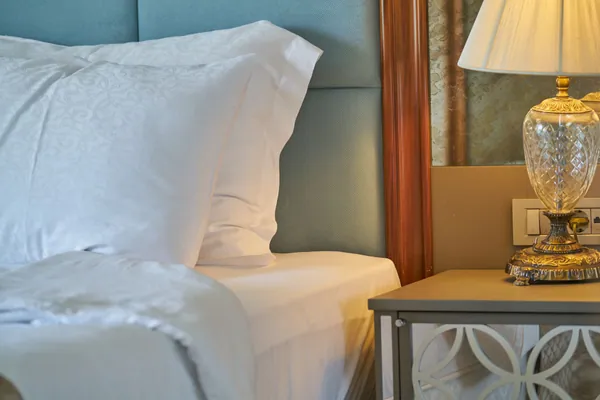
Inspection covers the mattress, furniture and walls comprehensively, focusing on damp patches and extra insulation in coastal buildings, which create additional voids where bugs shelter.

Mattress seams, rented furniture and furnishings that move between chalets carry bugs readily, and humidity means faster breeding.
Cracks and gaps in coastal insulation and walls differ from inland districts, and treatment must reach inside the damp voids.
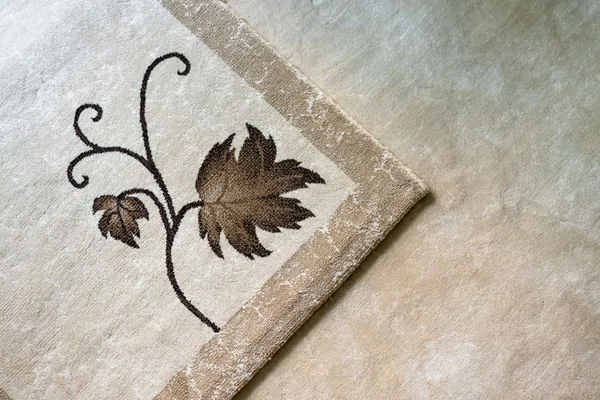
Carpet edges and furniture bases on floors absorb moisture and become ideal bug shelter. Treatment focuses on these areas specifically.
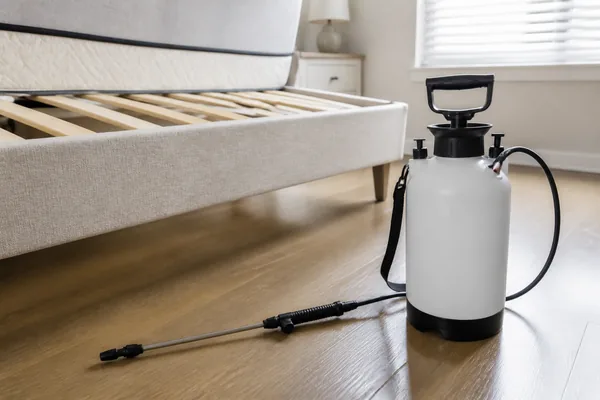
Treatment must reach eggs in damp insulation gaps, and humidity means eggs are tougher and hatch faster.
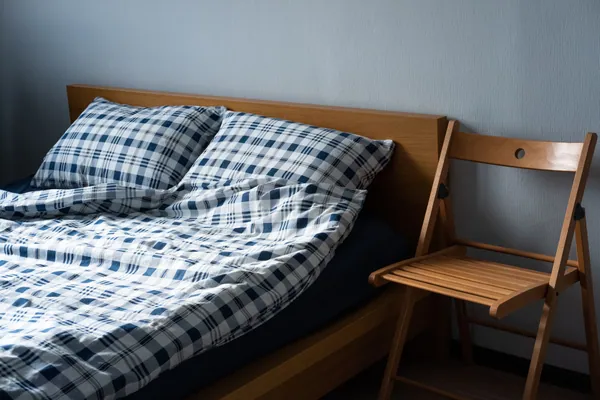
Follow-up is critical in seasonal chalets, especially if new guests arrive while new generations are still developing.
Before anything is applied, we inspect the seams, frame joints, headboard and skirting to locate the harborage points.
Visible bugs and eggs in reachable spots are removed physically first, which lowers the population immediately and makes the treatment work on less.
Applied into the seams, joints and cracks where they actually shelter, not misted across the open mattress where they never sit during the day.
We work outward from the bed to the surrounding furniture and skirting, because by the time you notice them they have usually started to spread.
Washing and hot-drying bedding, clearing clutter and keeping the layout stable between passes is half the result.
Eggs are shielded and survive the first treatment.
The result comes from reaching the seams, joints and cracks, not from how much is sprayed.
We do not pretend one visit ends it.
The company runs a large crew, and the team arrives with the materials and a plan for the layout, so the whole affected area is handled in the visit.
If it is early and contained we say so, and if it is advanced we say that too.
Photographs from real jobs carried out by the crew.












The commitment is one you can hold us to: an honest read of the situation, and no work or cost added without telling you first.
Abhur South stretches along the South Obhur Corniche and Obhur Creek, making it easy for the team to locate and reach villas and chalets scattered along the waterfront.
We provide these in Abhur South too, and more than one can share a single visit.



