
We treat where they live
The result comes from reaching the seams, joints and cracks, not from how much is sprayed.
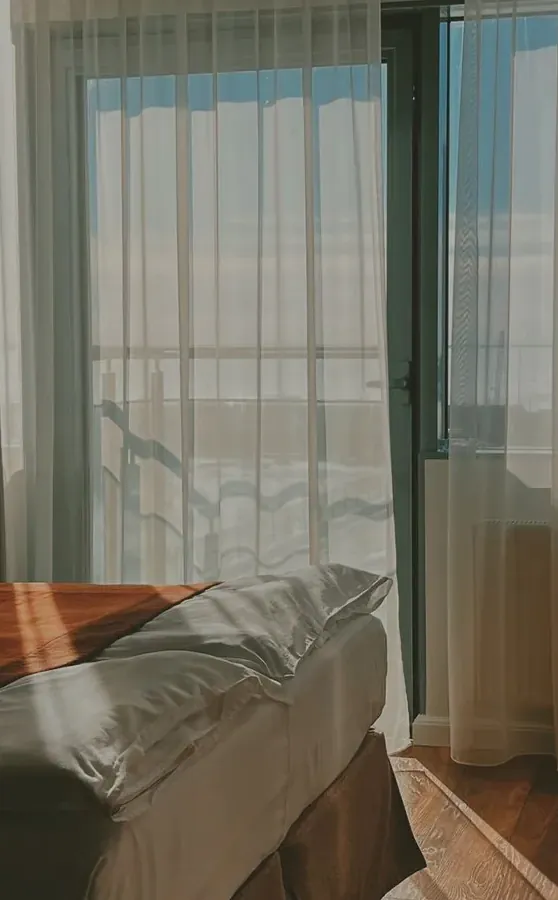
Al Hamra is an upmarket district on the Red Sea coastline, with hotel towers and luxury apartments alongside older villas, each spanning one or several floors. The high population density and shared walls mean bed bugs move easily between units, and coastal humidity accelerates their breeding. A problem in one flat spreads to neighbours quickly.
In Al Hamra, bed bugs rarely stay in one room. Shared walls and internal pipes make them move to neighbouring units within days rather than weeks. For the method itself, see the full bed bug treatment page.
Bed bugs in one flat may have come from the unit next door. Inspection covers boundaries and gaps around pipes and electrical runs, not just the bed. Treatment of adjoining flats may be necessary if infestation is confirmed there.
Al Hamra holds a hospital, serviced apartments and tourism. Bed bugs may arrive in a guest's luggage. Treatment needs speed and cooperation from management to tackle all affected units at the same time.
Eggs in Al Hamra hatch in five to six days instead of ten to fourteen. Fast and precise follow-up is essential or a new generation emerges before the first treatment fully works.
High population density, shared party walls and constant coastal humidity mean bed bugs spread between adjacent units rapidly, and infestations rarely stay confined to one apartment.
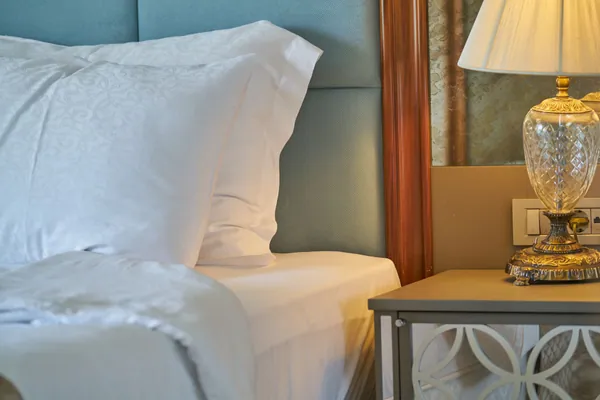
In Al Hamra, inspection covers room boundaries and shared walls, not just the mattress and frame, because transfer from adjacent units is common here.

Mattress seams, sofa seams and curtain hems need close examination, because flats are furnished and furniture moves between locations.
Gaps around pipes and electrical conduits need specific treatment because bugs use them as highways between flats.
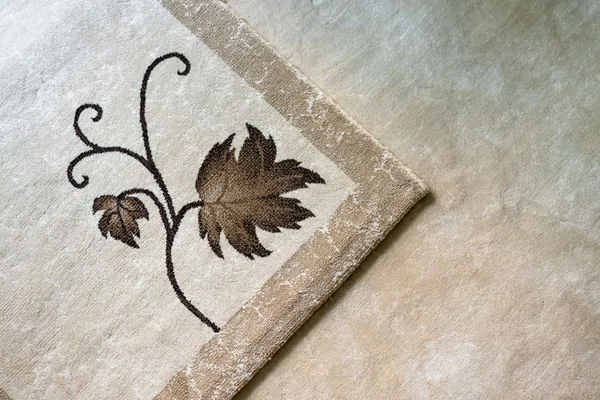
Carpets are rare but sofas and curtains need precise treatment on leather seams and all fabric joints.
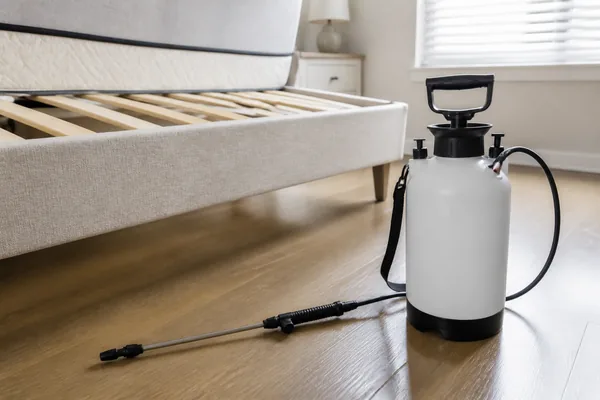
Treatment reaches into gaps above wardrobes and shelves, because tight flat layouts mean insects climb high easily.
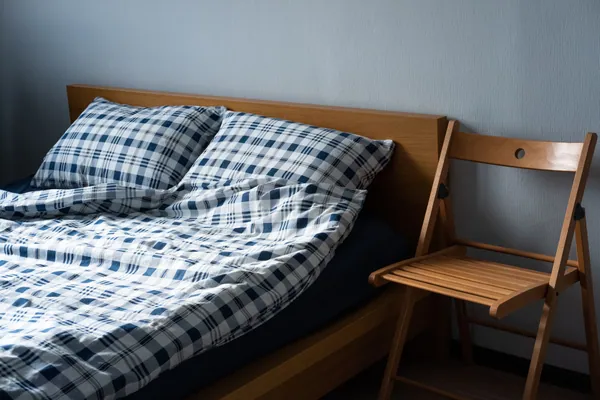
A second visit seven days after the first is essential in Al Hamra, because humidity significantly speeds egg hatching.
Before anything is applied, we inspect the seams, frame joints, headboard and skirting to locate the harborage points.
Visible bugs and eggs in reachable spots are removed physically first, which lowers the population immediately and makes the treatment work on less.
Applied into the seams, joints and cracks where they actually shelter, not misted across the open mattress where they never sit during the day.
We work outward from the bed to the surrounding furniture and skirting, because by the time you notice them they have usually started to spread.
Washing and hot-drying bedding, clearing clutter and keeping the layout stable between passes is half the result.
Eggs are shielded and survive the first treatment.
The result comes from reaching the seams, joints and cracks, not from how much is sprayed.
We do not pretend one visit ends it.
The company runs a large crew, and the team arrives with the materials and a plan for the layout, so the whole affected area is handled in the visit.
If it is early and contained we say so, and if it is advanced we say that too.
Photographs from real jobs carried out by the crew.












The commitment is one you can hold us to: an honest read of the situation, and no work or cost added without telling you first.
Coastal area: high humidity and salt air through the year
In a coastal area like Al Hamra, high humidity means bed bugs spread faster and move between units more easily. The materials are safe for children and pets, but humidity may shorten their active life, so precise follow-up is essential to the plan.
We provide these in Al Hamra too, and more than one can share a single visit.



