
We treat where they live
The result comes from reaching the seams, joints and cracks, not from how much is sprayed.
Al Rabwah is one of the older, well-known districts of central Jeddah, a mix of villas and apartment buildings between Hira Street and King Fahd Road. The closely set buildings create multiple routes for bed bugs to travel between homes, and the old pipework offers safe hiding places that are hard to reach without knowing where to look.
Longtime residents note that bed bugs move easily through shared walls, and several find infestation in two or three adjoining homes at the same time, suggesting movement through the structure. For the method itself, see our guide to bed bug treatment.
Villas and flats sit very close together, and the electrical and water lines run through old shared ducts. Bed bugs walk through these passages at night without difficulty, so an infestation in one home usually means a neighbour is infested too by the time the problem is noticed.
Villas keep furniture for years, and smooth terrazzo makes it easy for bed bugs to move around. Tiny cracks in the floor provide safe hiding spots, and bugs spread quickly from room to room through gaps in older structures.
Older bathrooms hold high humidity, and mildew grows under floors and in cracks. Bed bugs thrive in these damp dark environments and breed rapidly if treatment is not thorough and well-timed across adjoining properties.
Floors in the older villas and flats are often terrazzo or smooth ceramic tile, and the old electrical and water runs leave tight gaps between the closely built properties that share walls.

Inspection focuses on shared walls and old utility runs before treatment begins, mapping where bugs travel between properties.

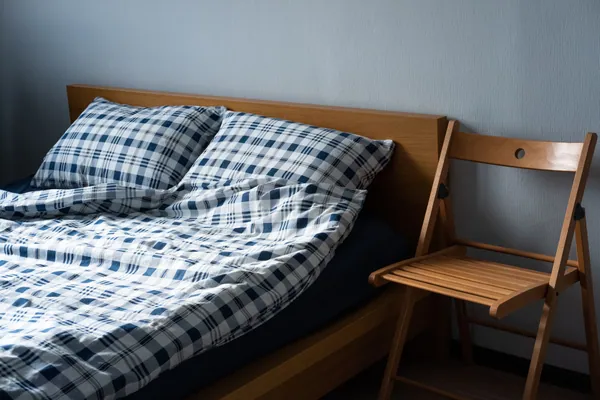
Mattress and bed seams need careful inspection because old furniture may be harbouring the main bug population.
Cracks in old floors and walls require materials that penetrate deep into the building's service runs.
Carpet edges and spaces around old furniture need thorough spray because aged pieces offer multiple hiding spots.
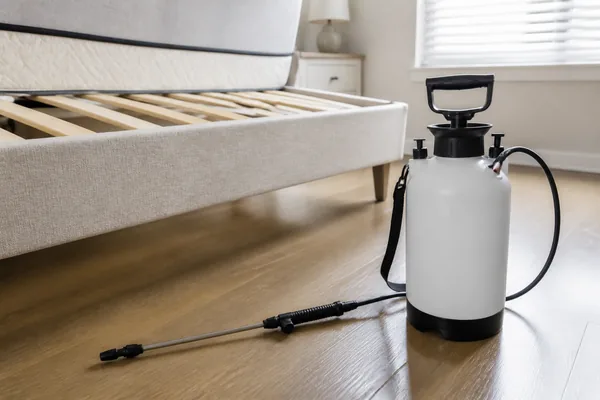
Treatment reaches eggs in deep cracks and old pipework with specialised materials designed to enter the gaps in ageing structures.
The follow-up visit fourteen days later catches any new generation before it completes its life cycle and spreads further.
Before anything is applied, we inspect the seams, frame joints, headboard and skirting to locate the harborage points.
Visible bugs and eggs in reachable spots are removed physically first, which lowers the population immediately and makes the treatment work on less.
Applied into the seams, joints and cracks where they actually shelter, not misted across the open mattress where they never sit during the day.
We work outward from the bed to the surrounding furniture and skirting, because by the time you notice them they have usually started to spread.
Washing and hot-drying bedding, clearing clutter and keeping the layout stable between passes is half the result.
Eggs are shielded and survive the first treatment.
The result comes from reaching the seams, joints and cracks, not from how much is sprayed.
We do not pretend one visit ends it.
The company runs a large crew, and the team arrives with the materials and a plan for the layout, so the whole affected area is handled in the visit.
If it is early and contained we say so, and if it is advanced we say that too.
Photographs from real jobs carried out by the crew.












The commitment is one you can hold us to: an honest read of the situation, and no work or cost added without telling you first.
Mixed district: shops at street level with homes above them
Mixed use means villas and flats share walls and utilities, and bed bugs move easily between homes through these connections. Treatment must account for how these physical links allow rapid spread.
We provide these in Al Rabwah too, and more than one can share a single visit.



