
We treat where they live
The result comes from reaching the seams, joints and cracks, not from how much is sprayed.
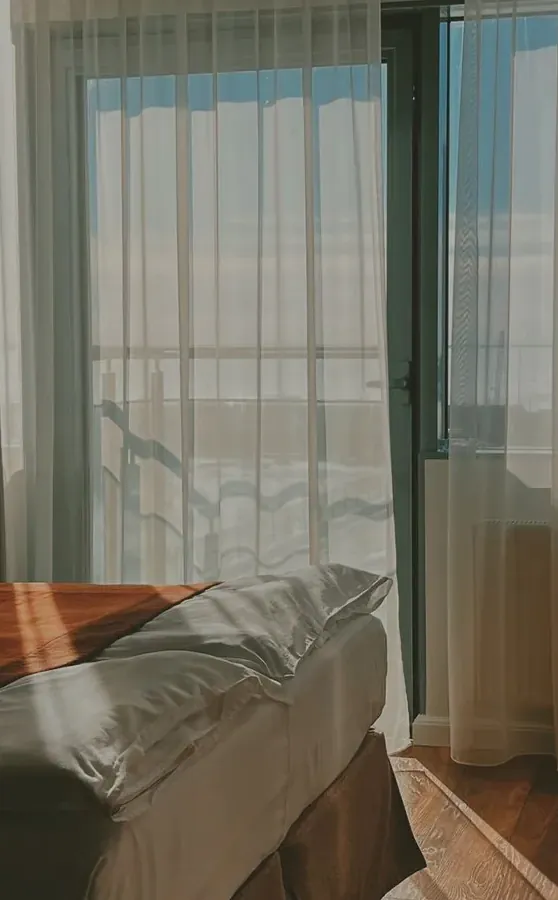
Al Hafnah is a small mixed district in east Jeddah between Mareekh Mountains and Wadi Al Qaws, where shops occupy the ground floor and homes sit directly above them. Bed bugs can arrive from the shop below or travel between flats through shared walls and central piping that runs through the building.
Close-set flats and shared pipes between units mean bed bugs move easily from one flat to another through hidden gaps in walls and around service connections. For the method itself, see the full bed bug treatment page.
Shops on the ground floor may harbour bed bugs, and gaps around water pipes, drains and electrical wiring create an easy pathway for bugs to climb into the flat above. Treatment includes inspection of the area around the pipes entering the flat from below to block this upward route and identify whether infestation is coming from outside.
Close-set flats share water pipes, electrical wiring and sometimes ventilation shafts. Bed bugs travel through gaps around these hidden services from one unit to another. Treatment focuses on these concealed pathways between units, sealing gaps and treating service entry points where bugs cross between flats.
The residential streets are relatively new but individual flats may have been built several years ago. Cracks around windows and doors widen over time and create hiding places for bed bugs that differ from those in brand new homes or very old ones, requiring inspection tailored to how this type of structure settles and moves.
Al Hafnah is a small residential district within the valley and hill belt east of the city, with relatively new residential streets and natural boundaries of mountains and valleys that affect how insects enter the district.
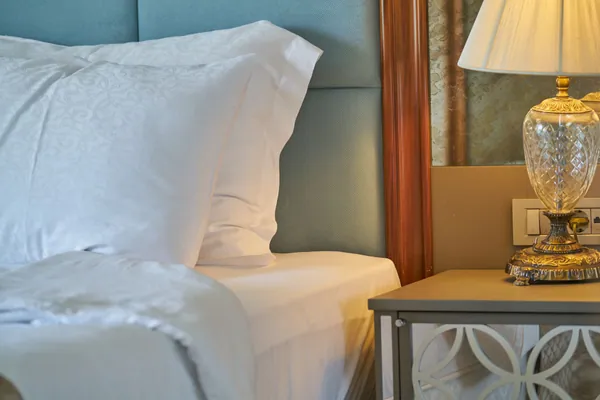
Careful inspection of gaps around pipes and wiring climbing from the ground-floor shop, and around gaps in the shared walls between adjoining flats, to identify all possible entry and transit routes.

The mattress and bed frame may be infested by bed bugs that climbed from the shop below or travelled from the neighbouring flat through shared walls and service runs.
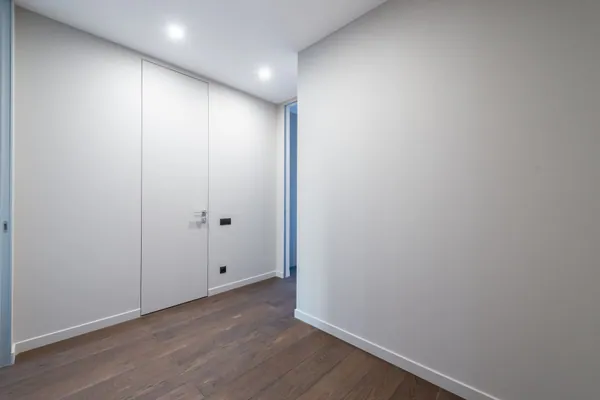
Gaps around pipes, wiring and other service connections, and gaps in the walls shared between units, require precise treatment to block the transit routes bed bugs use to move between flats.
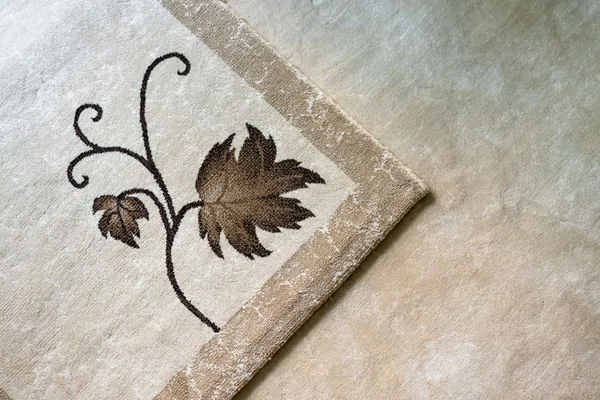
Room edges and corners around carpeting may harbour bugs that have travelled from an adjoining flat or climbed up from the ground-floor shop through shared service runs.
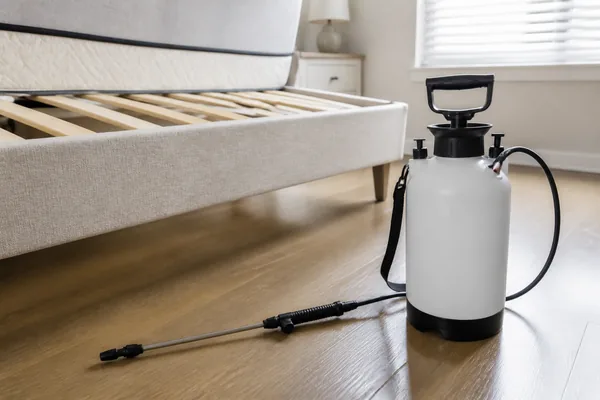
Treatment reaches eggs shielded in gaps around pipes and in the gaps between shared walls where surface spray alone cannot penetrate.
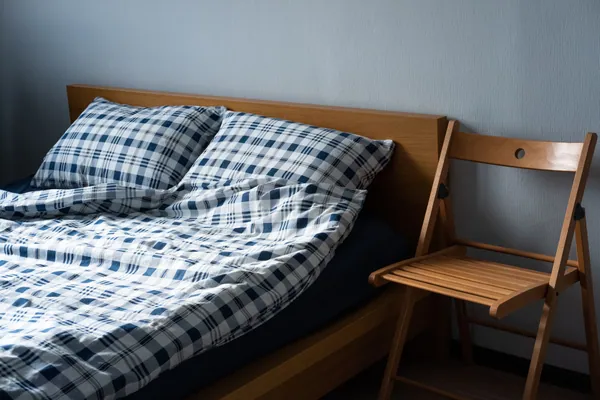
Follow-up checks gaps between units and around pipes for any bed bugs that may have returned from neighbouring flats or climbed back up from the shop below.
Before anything is applied, we inspect the seams, frame joints, headboard and skirting to locate the harborage points.
Visible bugs and eggs in reachable spots are removed physically first, which lowers the population immediately and makes the treatment work on less.
Applied into the seams, joints and cracks where they actually shelter, not misted across the open mattress where they never sit during the day.
We work outward from the bed to the surrounding furniture and skirting, because by the time you notice them they have usually started to spread.
Washing and hot-drying bedding, clearing clutter and keeping the layout stable between passes is half the result.
Eggs are shielded and survive the first treatment.
The result comes from reaching the seams, joints and cracks, not from how much is sprayed.
We do not pretend one visit ends it.
The company runs a large crew, and the team arrives with the materials and a plan for the layout, so the whole affected area is handled in the visit.
If it is early and contained we say so, and if it is advanced we say that too.
Photographs from real jobs carried out by the crew.












The commitment is one you can hold us to: an honest read of the situation, and no work or cost added without telling you first.
Al Hafnah sits between Mareekh Mountains to the east and Wadi Al Qaws to the west, which define the approach routes to the district and the pathways through which insects may enter from surrounding land. Treatment planning takes this geographic position into account and the gaps that natural features may create around the homes.
We provide these in Al Hafnah too, and more than one can share a single visit.



