
We treat where they live
The result comes from reaching the seams, joints and cracks, not from how much is sprayed.
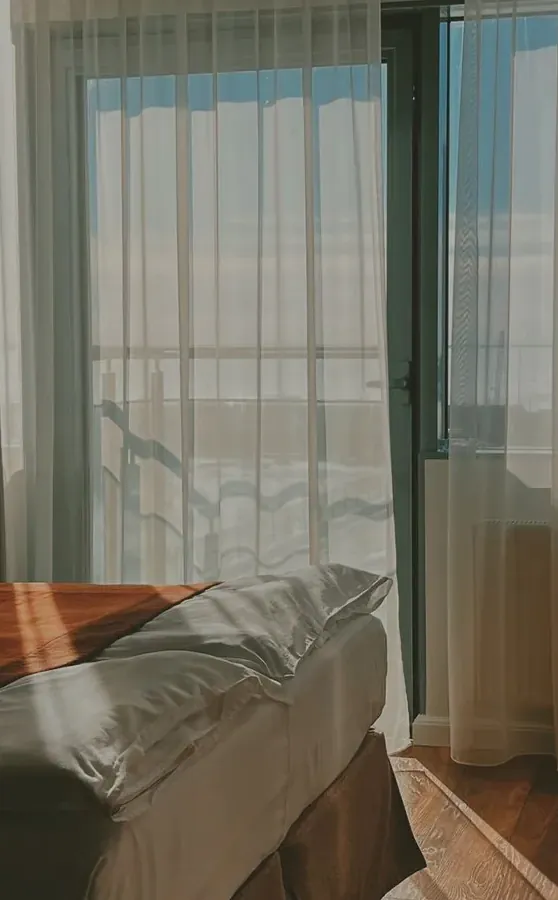
Al Quraiyat is an old popular district in south Jeddah with high population density, ageing apartment blocks and daily services crammed together. Homes here are old, walls are damp and roofs leak in places, so persistent humidity keeps bed bugs unusually active and eggs hatch faster. Mattresses hold moisture and stale odours, and cracks in walls and floors are wide and deep. Bed bugs here do not stay in one bed, but reach into every corner of the home.
Walls and ceilings in Al Quraiyat are damp most of the time, and mattresses and cushions retain stale odour and fine dust. For the method itself, see what bed bug treatment involves.
Al Quraiyat is a damp district; roofs leak, walls are moist and air is heavy with humidity. These conditions speed up the bed bug life cycle significantly, so eggs hatch faster and nymphs mature faster. Humidity also weakens the immune response, so people living in damp homes suffer infection more quickly.
Ageing buildings in Al Quraiyat are full of cracks, and humidity makes them deeper and wider. Bed bugs find deep hiding places in them where pesticides struggle to reach. Some cracks penetrate walls to their depth, providing safe tunnels for bed bugs far from light and heat.
In Al Quraiyat, people live in close quarters, flats are packed together and families are large. Bed bugs exploit this density and cross from flat to flat through walls and pipes easily. If one flat is infested, the infestation can reach dozens of units in weeks.
An old popular district with very high population density in south Jeddah, with decaying buildings, persistent dampness and everyday services clustered together.
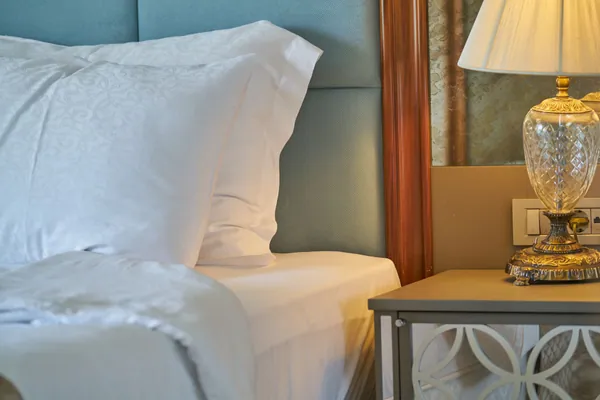
In Al Quraiyat, initial inspection focuses on damp and deep cracks in walls, floors and ceilings.

Mattress and cushion seams in old flats are packed with dust, damp and bed bugs. Deep cleaning before treatment is essential.
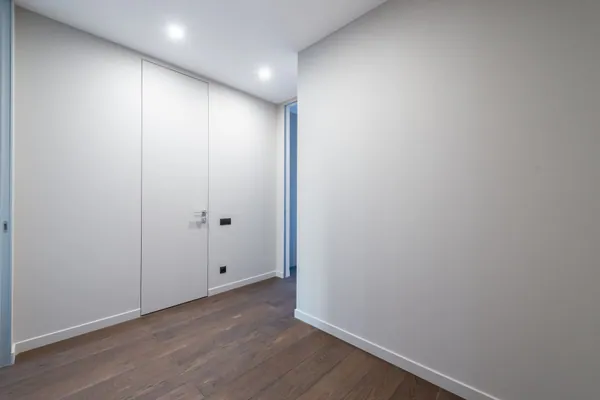
Cracks in walls and floors are deep and wide from damp and age, needing careful treatment and possible filling.
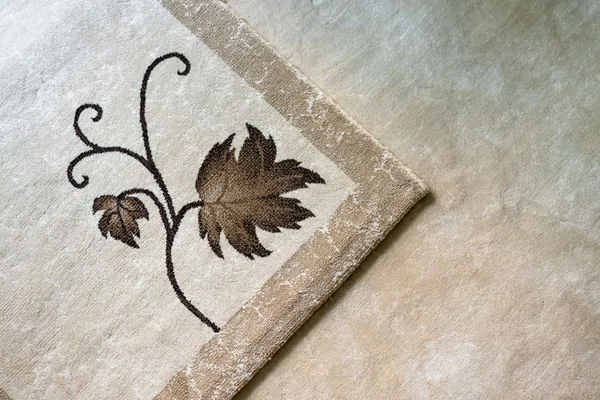
Carpets and curtains in Al Quraiyat trap damp and mould, making them ideal bed bug habitat. Thorough cleaning before spraying is necessary.
Eggs are hidden deep in cracks and damp walls, so treatment must reach the deepest points.
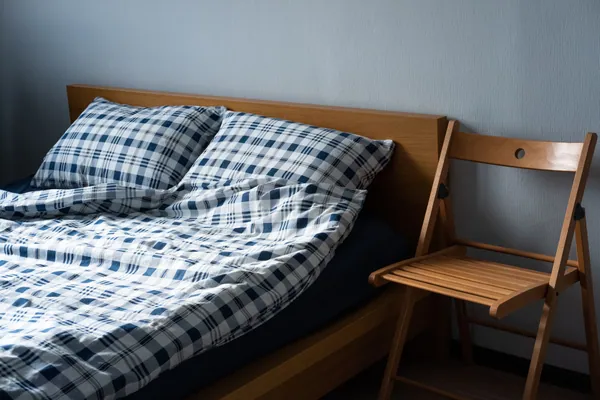
The follow-up visit rechecks cracks because damp may have hindered the first treatment, and extra treatment may be needed.
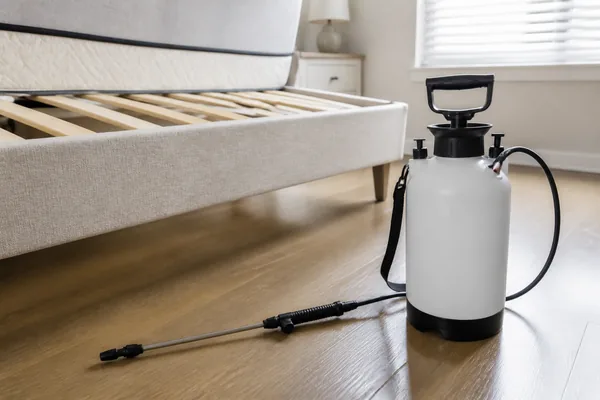
Before anything is applied, we inspect the seams, frame joints, headboard and skirting to locate the harborage points.
Visible bugs and eggs in reachable spots are removed physically first, which lowers the population immediately and makes the treatment work on less.
Applied into the seams, joints and cracks where they actually shelter, not misted across the open mattress where they never sit during the day.
We work outward from the bed to the surrounding furniture and skirting, because by the time you notice them they have usually started to spread.
Washing and hot-drying bedding, clearing clutter and keeping the layout stable between passes is half the result.
Eggs are shielded and survive the first treatment.
In Al Quraiyat, flats cluster densely between the College of Telecommunications and Electronics and King Khalid Road, and work begins by inspecting party walls and deep cracks, then moves to horizontal cracks and damp areas.
The result comes from reaching the seams, joints and cracks, not from how much is sprayed.
We do not pretend one visit ends it.
The company runs a large crew, and the team arrives with the materials and a plan for the layout, so the whole affected area is handled in the visit.
If it is early and contained we say so, and if it is advanced we say that too.
Photographs from real jobs carried out by the crew.












The commitment is one you can hold us to: an honest read of the situation, and no work or cost added without telling you first.
South Jeddah runs from the port and the industrial city down towards Al Khumrah, and homes here sit between the sea and the heavy goods roads. The dust is darker and oilier than in the north, a mix of diesel soot and workshop grit, and it clings to net curtains, window sills and the tops of kitchen cupboards. Floors in the older low rise housing are often plain cement or ceramic tile that darkens where soot is walked in. Humidity from the coast adds mildew in bathrooms and a musty smell in stored fabrics.
We provide these in Al Quraiyat too, and more than one can share a single visit.



