
We treat where they live
The result comes from reaching the seams, joints and cracks, not from how much is sprayed.
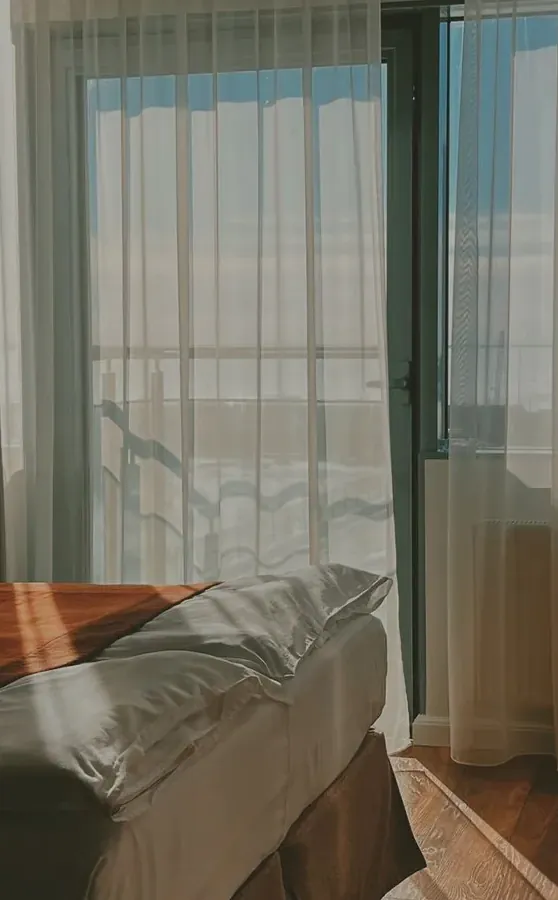
Al Harazat is a densely built residential spread in south eastern Jeddah that grew on former farmland, with low rise apartment blocks and popular housing on narrow streets. Bed bugs move easily between flats and buildings through thin shared walls and common service lines. Your treatment needs a different approach because infestation may come from multiple neighbours above and below you.
High density housing and buildings touching each other means bed bugs can crawl easily between flats or from one building to the next through shared walls. For the method itself, see our bed bug treatment service in detail.
Al Harazat is densely populated and buildings stand very close with thin shared walls. Bed bugs crawl easily from flat to flat or from one building to the next. Your treatment alone may not be enough if neighbouring units are infested.
Electrical and water services run vertically through floors and horizontally between flats, creating direct passages for bed bugs. Cracks around these lines are easy routes. Treatment focuses on sealing these passages precisely.
Narrow streets and constant movement mean people and insects pass easily between buildings. Daily shops and commercial units may harbour bed bugs. Continuous daily traffic increases the chance of new bed bugs entering from outside.
Closely packed buildings with shared walls and vertical and horizontal service lines connecting flats, and narrow streets that bring buildings close together, create multiple pathways for bed bugs to travel.

Inspection focuses on shared walls and cracks from settlement and dampness, and vertical and horizontal service lines passing through walls.

Mattress and bed seams may hold bed bugs arriving from neighbouring flats or other floors, so treatment starts there.
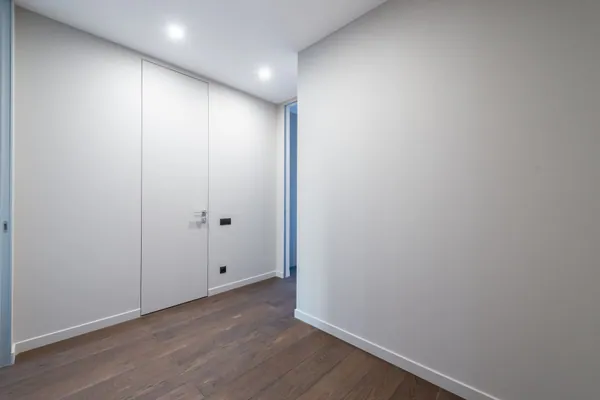
Cracks and gaps between shared walls and service lines are direct passages, and treatment reaches deep into these voids.

Carpet edges and room perimeters may contain bed bugs arriving from neighbouring units, and these boundaries receive close attention.
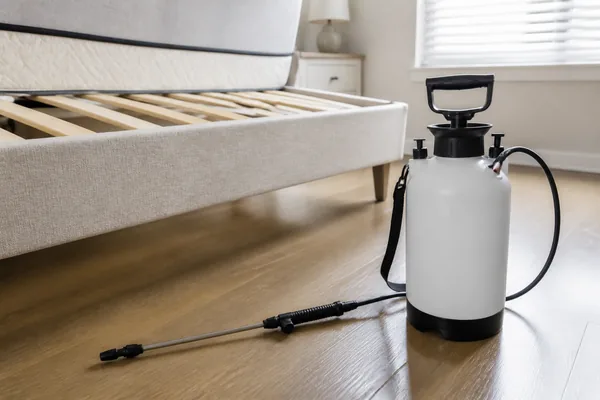
Treatment reaches eggs sheltering in gaps between shared walls and service lines where they hide in older construction.
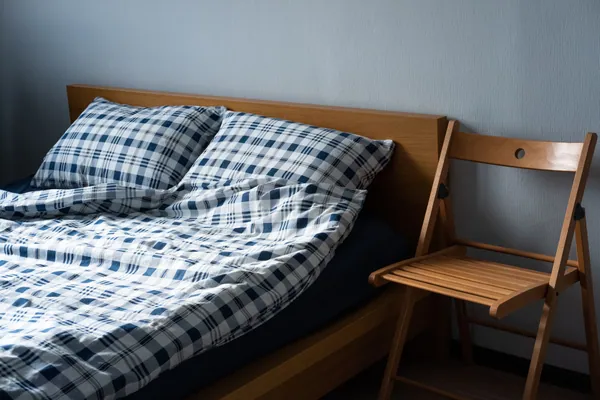
Follow up visits check for bed bugs returning from neighbouring flats and other floors.
Before anything is applied, we inspect the seams, frame joints, headboard and skirting to locate the harborage points.
Visible bugs and eggs in reachable spots are removed physically first, which lowers the population immediately and makes the treatment work on less.
Applied into the seams, joints and cracks where they actually shelter, not misted across the open mattress where they never sit during the day.
We work outward from the bed to the surrounding furniture and skirting, because by the time you notice them they have usually started to spread.
Washing and hot-drying bedding, clearing clutter and keeping the layout stable between passes is half the result.
Eggs are shielded and survive the first treatment.
The result comes from reaching the seams, joints and cracks, not from how much is sprayed.
We do not pretend one visit ends it.
The company runs a large crew, and the team arrives with the materials and a plan for the layout, so the whole affected area is handled in the visit.
If it is early and contained we say so, and if it is advanced we say that too.
Photographs from real jobs carried out by the crew.












The commitment is one you can hold us to: an honest read of the situation, and no work or cost added without telling you first.
Apartment district: residential blocks, repeated floors and shared entrances
A dense apartment district means your flat connects to others on all sides, and bed bugs travel easily from neighbours and other floors. Your treatment may need coordination with neighbours to prevent them returning from outside sources.
We provide these in Al Harazat too, and more than one can share a single visit.



