
We treat where they live
The result comes from reaching the seams, joints and cracks, not from how much is sprayed.

Al Ajaweed is a mixed district under the shadow of the expressway, where ground-floor shops trap moisture and oily dust that rises to the flats above. Bed bugs breach the walls between shop and flat through shared pipes and gaps, so treatment needs a plan that covers the boundary spaces between them.
The mixed housing with shops creates unexpected spread paths, and sometimes bed bugs arrive from the shop next door before residents realise where the infestation came from. For the method itself, see how we approach bed bug treatment.
Ground-floor shops beneath flats leave gaps around pipes and electrical runs, direct passages for bed bugs to travel from one space to another. Treating only one side does not stop the spread if the shop below is infested. The boundaries need careful attention during every stage.
Oily dust from the expressway accumulates on outlet covers and window sills, trapping moisture and creating ideal breeding conditions for bed bugs. Carpets and curtains hold this thick mixture, so early signs of infestation are easily missed until the population grows.
Flats have ceramic or cement floors, and ground-level shops have different surfaces, creating uneven transitions at boundaries. Bed bugs hide in these level changes and move easily between areas because the unevenness offers more shelter than a smooth join.
Black oily dust from the expressway settles into cracks and gaps around windows and floor edges, creating a protective environment where bugs hide and eggs survive initial contact.

Inspection focuses on gaps between shop and flat and shared pipes before any spray, mapping the routes bed bugs use to move between levels.

Mattress and bed seams need careful opening because humidity may have driven bugs deeper into the padding than expected.
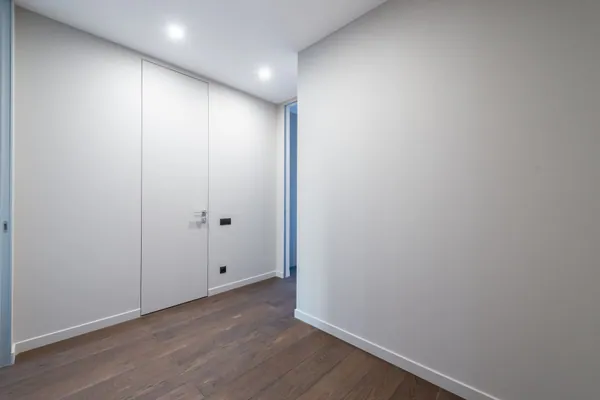
Gaps around pipes and the floor boundary require materials that penetrate deep into tight spaces where eggs cluster.
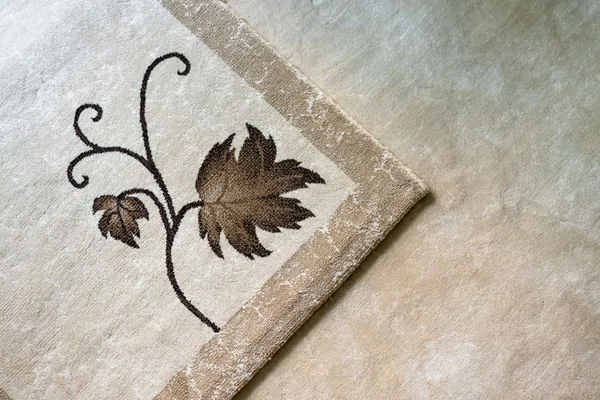
Carpet edges and the spaces under furniture collect the oily dust that hides eggs, so treatment here is thorough and timed carefully.
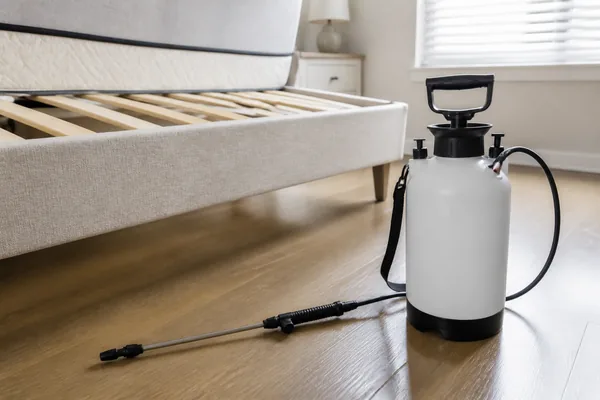
Treatment reaches eggs in dark voids around pipework with materials designed to enter gaps that are too narrow for brushes.
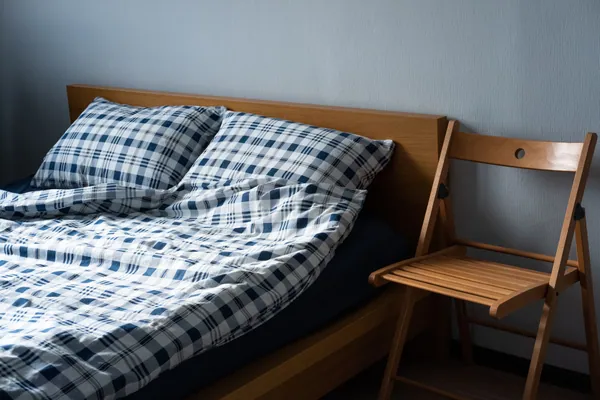
The follow-up visit fourteen days later catches any new generation before it has time to breed in the high-humidity environment.
Before anything is applied, we inspect the seams, frame joints, headboard and skirting to locate the harborage points.
Visible bugs and eggs in reachable spots are removed physically first, which lowers the population immediately and makes the treatment work on less.
Applied into the seams, joints and cracks where they actually shelter, not misted across the open mattress where they never sit during the day.
We work outward from the bed to the surrounding furniture and skirting, because by the time you notice them they have usually started to spread.
Washing and hot-drying bedding, clearing clutter and keeping the layout stable between passes is half the result.
Eggs are shielded and survive the first treatment.
Mixed district: shops at street level with homes above them
Mixed use means bed bugs may not originate in your flat but arrive from shared boundaries, and treatment of your space alone cannot succeed. The treatment needs to account for this connection between shop and home.
The result comes from reaching the seams, joints and cracks, not from how much is sprayed.
We do not pretend one visit ends it.
The company runs a large crew, and the team arrives with the materials and a plan for the layout, so the whole affected area is handled in the visit.
If it is early and contained we say so, and if it is advanced we say that too.
Photographs from real jobs carried out by the crew.












The commitment is one you can hold us to: an honest read of the situation, and no work or cost added without telling you first.
South Jeddah runs from the port and the industrial city down towards Al Khumrah, and homes here sit between the sea and the heavy goods roads. The dust is darker and oilier than in the north, a mix of diesel soot and workshop grit, and it clings to net curtains, window sills and the tops of kitchen cupboards. Floors in the older low rise housing are often plain cement or ceramic tile that darkens where soot is walked in. Humidity from the coast adds mildew in bathrooms and a musty smell in stored fabrics.
We provide these in Al Ajaweed too, and more than one can share a single visit.



