
We treat where they live
The result comes from reaching the seams, joints and cracks, not from how much is sprayed.
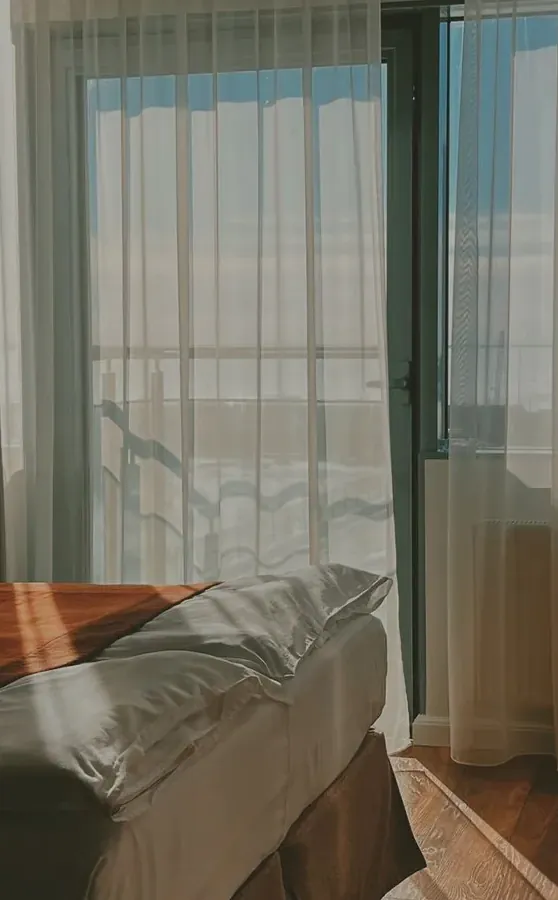
Mareekh is a small district in east Jeddah at the foot of the Mareekh Mountains, close to Wadi Al Qaws, the valley behind Jeddah's well-known 2009 flood. The district mixes villas, flats and small shops. Coarse dust from the hills settles easily, and traces of the past flood may have left lingering dampness in walls where bed bugs easily hide.
In districts between hills and valleys, moisture from the valley and dust from the hills together create a complex environment for insects. For the method itself, see what bed bug treatment involves.
Wadi Al Qaws close to Mareekh experienced historical flooding. Old floods may have left deep dampness in walls of homes near the valley. This moisture may still linger today and creates an ideal environment for bed bugs and mildew. Damp walls develop soft cracks where bed bugs hide easily.
Mareekh is surrounded by mountains and hills, and dust from them settles on every surface easily. Coarse dust covers bed bugs and eggs in carpets and curtains. Inspection is harder because bed bugs may be present but not obviously visible under dust.
Mareekh is small but holds villas, flats and shops together. This variety makes treatment more complex. Each housing type has different needs, and walls may be shared between different types.
Mareekh is a small residential district in east Jeddah among hills and valleys, a mix of apartments, villas and small commercial shops, close to a wadi that can cause flooding.

Inspection in Mareekh begins with damp walls and cracks resulting from past flooding and persistent moisture.

Mattress and bed seams trap both moisture and dust together; inspect deeply.
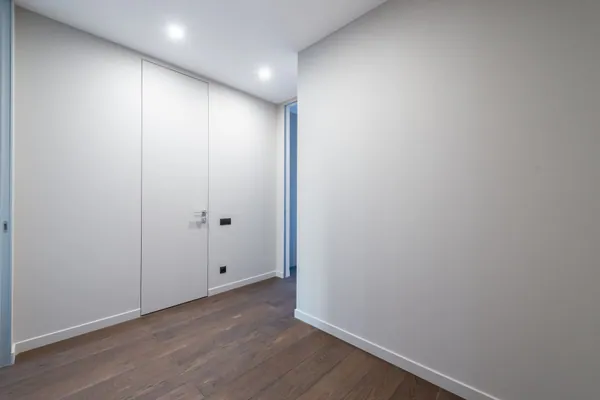
Cracks in damp walls are deeper and more complex than in dry walls; they require careful treatment.
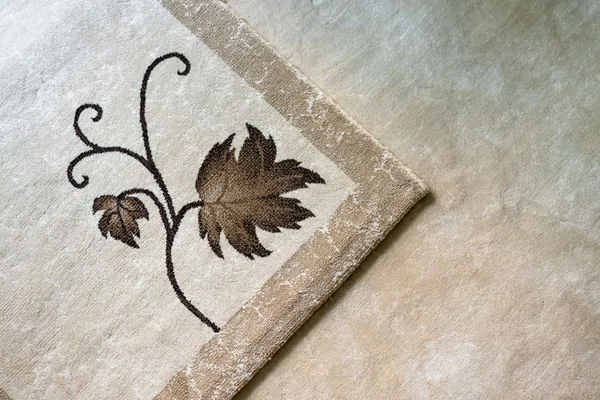
Carpets and curtains trap both dust from the hills and moisture from the valley; bed bugs hide in them readily.
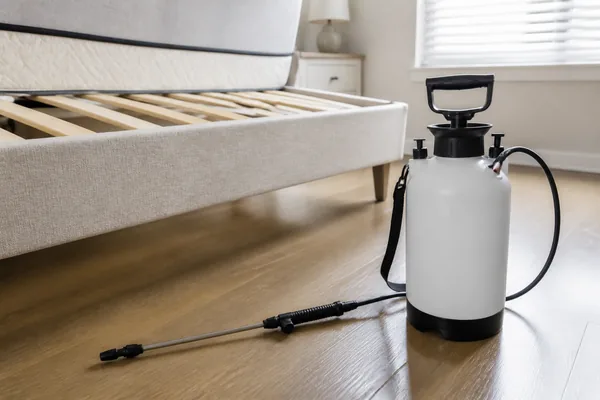
Treatment must reach into damp walls and cracks, not just furniture.
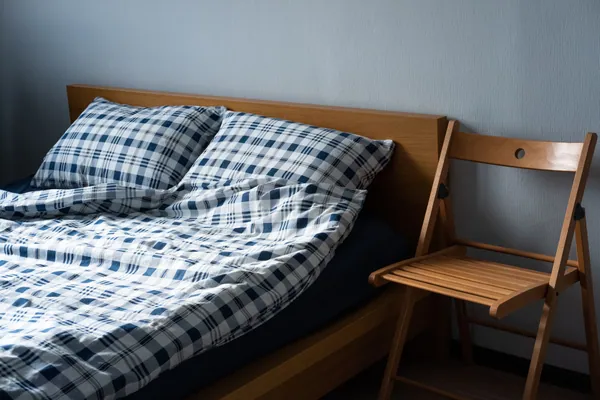
Follow-up visits may come sooner than usual because persistent moisture affects the bed bug life cycle.
Before anything is applied, we inspect the seams, frame joints, headboard and skirting to locate the harborage points.
Visible bugs and eggs in reachable spots are removed physically first, which lowers the population immediately and makes the treatment work on less.
Applied into the seams, joints and cracks where they actually shelter, not misted across the open mattress where they never sit during the day.
We work outward from the bed to the surrounding furniture and skirting, because by the time you notice them they have usually started to spread.
Washing and hot-drying bedding, clearing clutter and keeping the layout stable between passes is half the result.
Eggs are shielded and survive the first treatment.
The result comes from reaching the seams, joints and cracks, not from how much is sprayed.
We do not pretend one visit ends it.
The company runs a large crew, and the team arrives with the materials and a plan for the layout, so the whole affected area is handled in the visit.
If it is early and contained we say so, and if it is advanced we say that too.
Photographs from real jobs carried out by the crew.












The commitment is one you can hold us to: an honest read of the situation, and no work or cost added without telling you first.
East Jeddah lies furthest from the sea and closest to the open ground and hills beyond the ring roads, so the air is drier and the dust is coarser and paler than on the coast. It comes in under doors and settles on every flat surface overnight, making sofas, mattresses and curtains the heaviest part of the routine. Floors are mostly ceramic tile in the apartment districts and marble in the villa areas, both scratched by grit that is mopped rather than swept. Roof tank water leaves a grey film of sediment in baths and basins.
We provide these in Mareekh too, and more than one can share a single visit.



