
We treat where they live
The result comes from reaching the seams, joints and cracks, not from how much is sprayed.
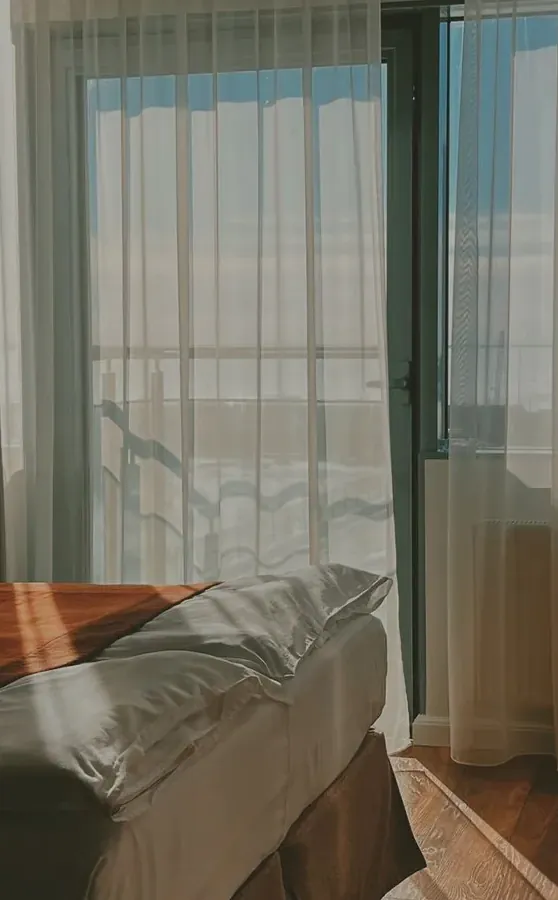
Al Murjan is a small coastal district on the north corniche facing the sea, villas and flats close to open water and high humidity all year. Salt settles on everything and moisture keeps fabrics damp, making bugs less active by day but more mobile at night. Mattresses, curtains and upholstery absorb the dampness, which extends the lifespan of any infestation in them.
High humidity keeps fabrics and carpets damp longer, and salt from the air settles on glass and metal and penetrates curtains and soft furnishings. For the method itself, see what bed bug treatment involves.
Al Murjan sits by the sea where salt settles on everything and moisture keeps fabrics slightly damp. Bugs hide in the dampness and move at night. Mattresses, curtains and upholstery are the heaviest part of treatment here.
Coastal villas have abundant heavy curtains to block salt spray and damp. Bugs nest in fabric layers. Treatment requires curtain removal and deep treatment from hem to rod.
Humidity keeps carpets and sofas damp, which attracts bugs and extends their stay. Treatment focuses on carpet edges and sofa undersides where bugs hide in the moisture.
A compact coastal district on the north corniche directly facing the sea with low-density villas, apartment blocks and gated compounds, centred on Al Murjan Street with retail and shopping mall.
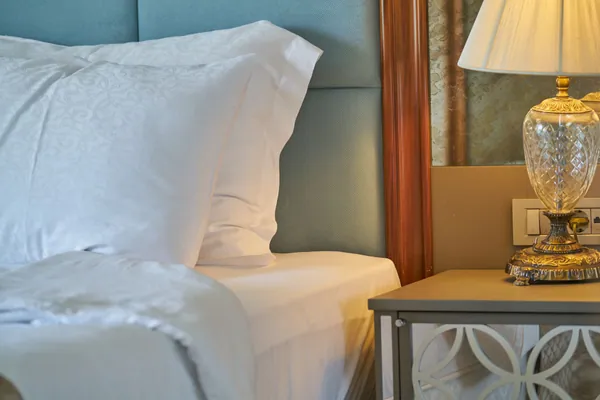
Inspection targets fabrics, curtains and sofas before the mattress, because humidity makes bugs prefer fabric layers over the open bed.

Mattress seams may hold bugs and eggs, but damp curtains and cushions are the primary harbouring places in Al Murjan.
Cracks in walls and window frames may hold moisture and salt; treatment needs deep injection.
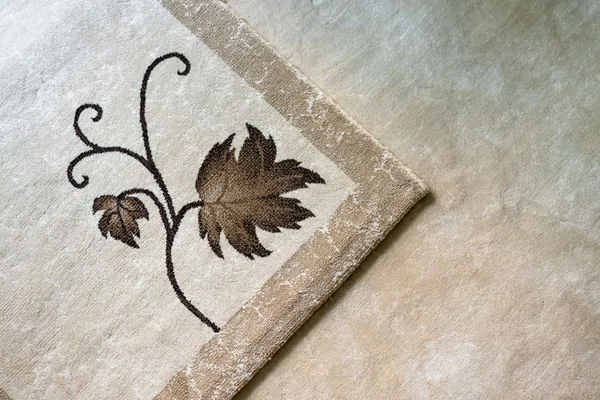
Heavy carpets and damp upholstery retain bugs for longer; treatment may require carpet removal first.
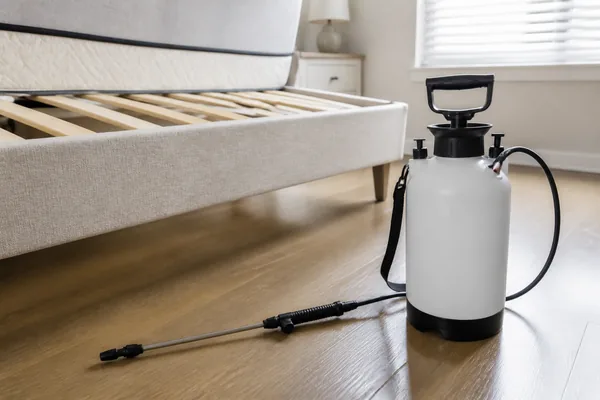
Treatment targets eggs in fabric and damp, needing very long contact time.
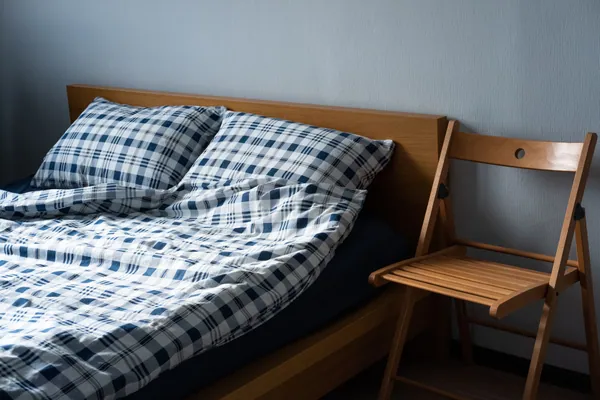
Follow-up every week for four to five weeks is essential; humidity extends the natural lifecycle.
Before anything is applied, we inspect the seams, frame joints, headboard and skirting to locate the harborage points.
Visible bugs and eggs in reachable spots are removed physically first, which lowers the population immediately and makes the treatment work on less.
Applied into the seams, joints and cracks where they actually shelter, not misted across the open mattress where they never sit during the day.
We work outward from the bed to the surrounding furniture and skirting, because by the time you notice them they have usually started to spread.
Washing and hot-drying bedding, clearing clutter and keeping the layout stable between passes is half the result.
Eggs are shielded and survive the first treatment.
The result comes from reaching the seams, joints and cracks, not from how much is sprayed.
We do not pretend one visit ends it.
The company runs a large crew, and the team arrives with the materials and a plan for the layout, so the whole affected area is handled in the visit.
If it is early and contained we say so, and if it is advanced we say that too.
Photographs from real jobs carried out by the crew.












The commitment is one you can hold us to: an honest read of the situation, and no work or cost added without telling you first.
West Jeddah faces the sea along the Corniche, and the flats and towers along it live with salt in the air all year. Salt settles on glass as a haze that plain water spreads rather than removes, and it works into balcony railings, outdoor fabric and the metal of window frames. Indoors, humidity keeps carpets and curtains slightly damp, so they hold odours and dust longer than in drier districts, and bathroom grout and shower glass show scale quickly. Wooden floors and doors swell a little in the wetter months.
We provide these in Al Murjan too, and more than one can share a single visit.



