We test before we wash
Testing the product on a hidden patch is a step we treat as necessary rather than optional.
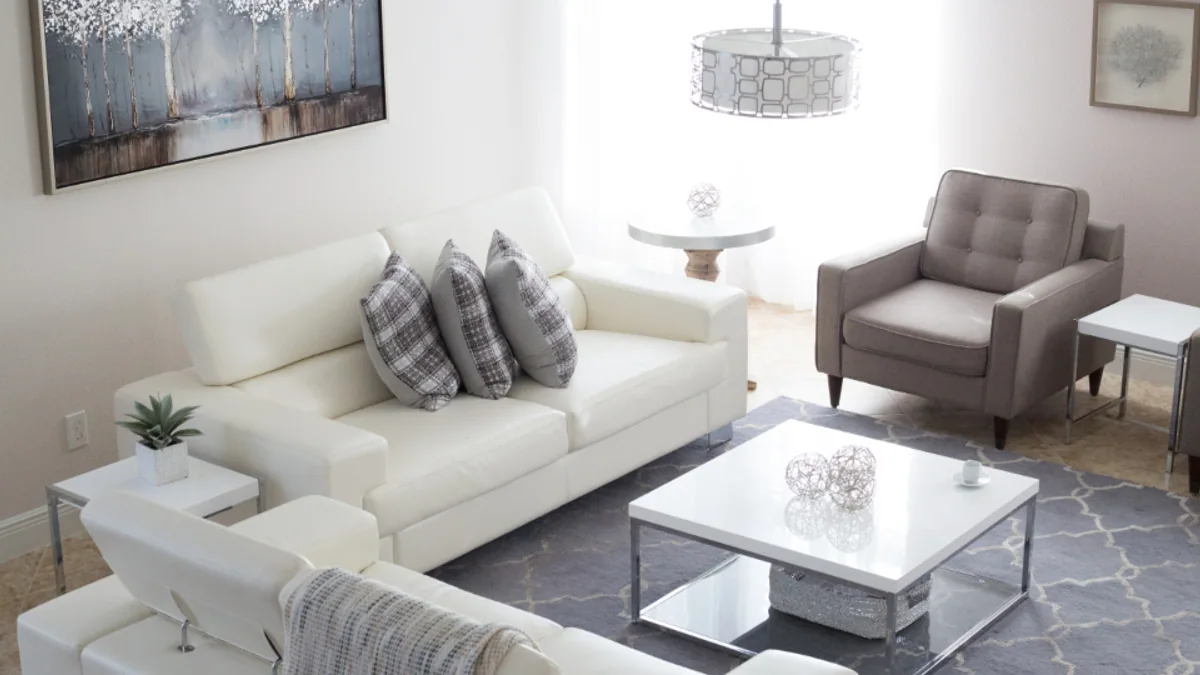
Al Hamdaniyah is a densely packed mixed district where apartments sit directly above busy shops and commercial spaces, stacked between the main retail blocks on Al Masurah Street and Al Haramain Road. Sofas here absorb a double layer of pollutants: moisture and odours rising from the shops below, and dust and exhaust from the busy street frontage. Cleaning means reaching both the surface grit and the embedded oils and moisture that settle into the foam.
Sofas in upper floors here cling to odours longer than in single-family districts because air does not circulate freely between the packed buildings, and cooking and shop smells move upward more than outward. For the method itself, see what sofa and upholstery cleaning involves.
The commercial spaces below send heat and dampness upward into flats throughout the day. Sofas and fabrics absorb this rising moisture quickly, especially the backs and sides that face the walls shared with neighbouring units. The textile stays heavy with damp even in summer, and drying after cleaning needs far more effort than in areas without this vertical moisture flow.
Al Haramain Road is busy and the hypermarkets on Al Masurah raise constant dust and exhaust fumes that do not disperse easily between the close buildings. This mixture of vehicle soot and fine grit enters windows and settles on upholstery and soft furnishings before it can be blown past.
Most flats in Al Hamdaniyah are compact with limited windows, so after cleaning the sofa and cushions take much longer to dry completely. Ventilation is restricted by building density, meaning moisture trapped in the foam and the backing takes hours longer than in better-ventilated districts to leave the fabric completely.
A dense residential area between Al Haramain Road and the major hypermarkets on Al Masurah Street, with apartment blocks and villas sitting above street level shops and commercial tenants on Al Hamdaniyah Street.
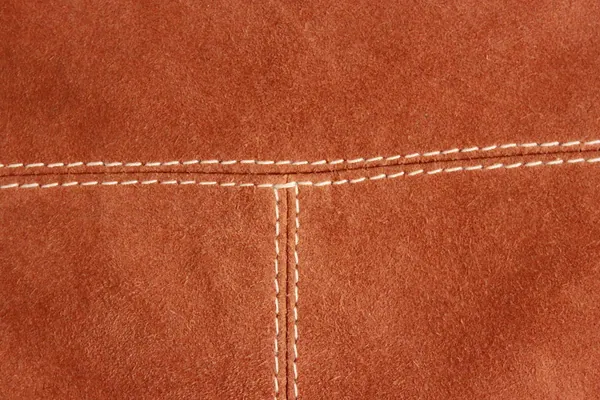
Fabrics in flats above shops need careful testing because oils and rising moisture together may mark the weave if the wrong washing method is chosen.
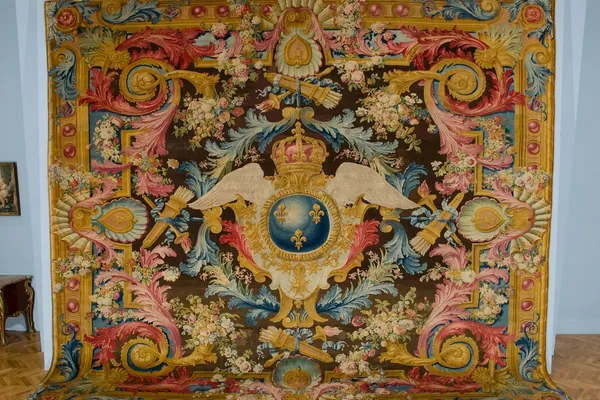
Dry vacuuming removes heavy surface dust from the busy streets and markets, but embedded odours and oils need actual washing afterward to shift completely.
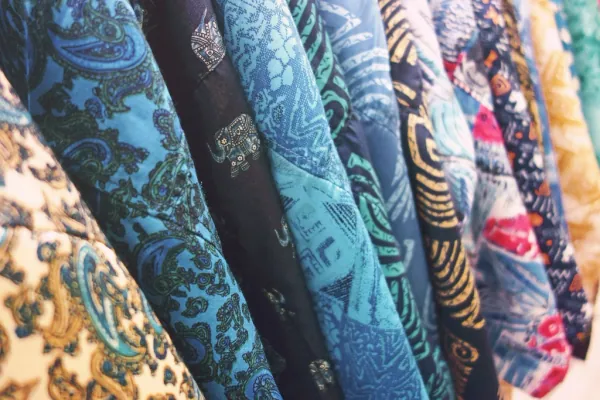
The fabric face, back and sides each trap different pollutants. Front panels absorb dry dust from outside, while backs and sides absorb moisture and odour rising from below and seeping from shared walls.
Cushions need close attention because they have taken in a mixture of street dust, cooking odours and rising humidity, and their drying needs real air movement and time.
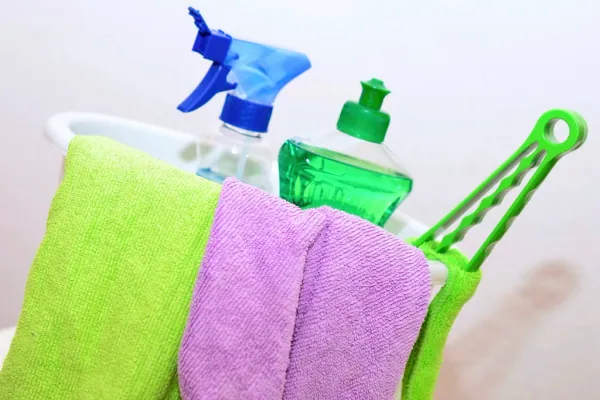
Stains here are mixed: cooking oils from below, salt water marks from rising damp, and streaked dirt from airborne soot. Each type needs a different product to lift it without damaging the weave.
Wet extraction and ventilation are more critical here than elsewhere because the baseline humidity from below means the sofa starts damp already, and drying must be both thorough and fast.
Cotton, velvet, chenille and synthetics do not take the same heat or the same product.
Before any water.
An oil mark is not treated like a juice mark.
We wash with the method that suits the fabric.
The piece is left slightly damp, never wet.
We go over the pieces with you before leaving.
Mixed district: shops at street level with homes above them
A mixed district means upholstery faces multiple pollutants simultaneously: oils and odours from commercial activity below, dust and exhaust from busy streets above. Treatment must balance oil and odour removal against not introducing excess moisture into fabrics that already absorb damp from below.
Testing the product on a hidden patch is a step we treat as necessary rather than optional.
The company employs more than forty cleaners, and we send a crew rather than an individual.
The washing and extraction machines are ours and travel with the crew.
If a piece needs reupholstering rather than washing, we say so.
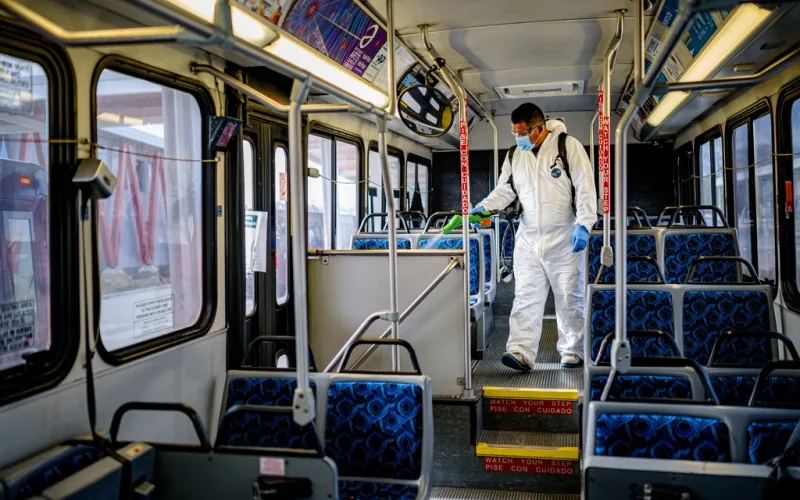
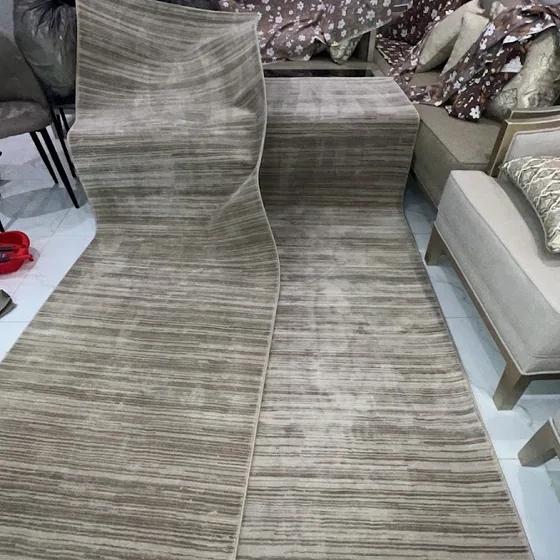
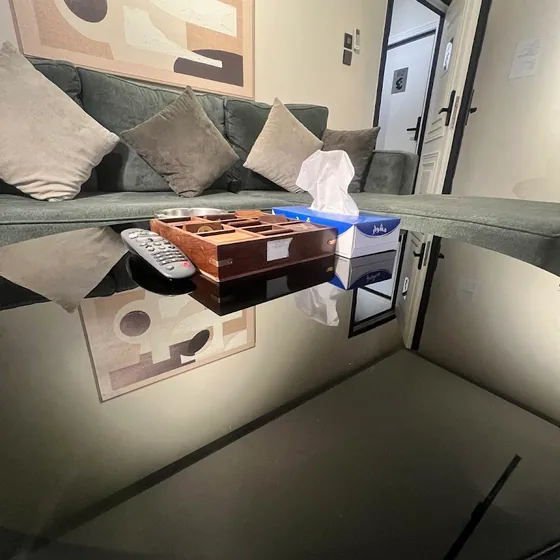
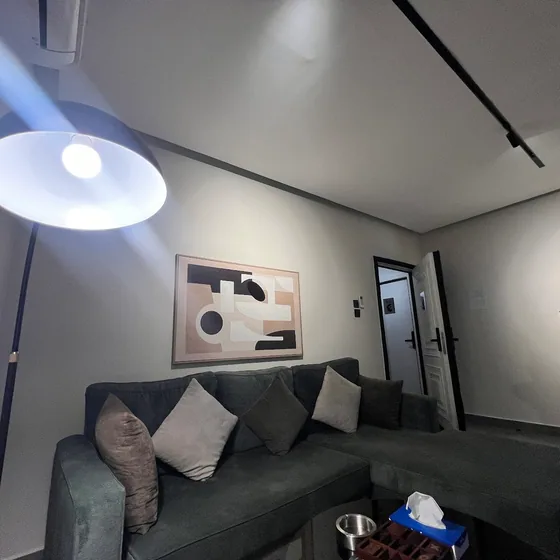
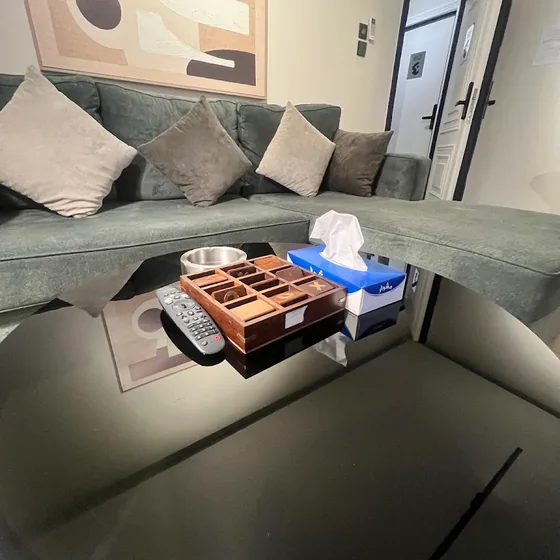
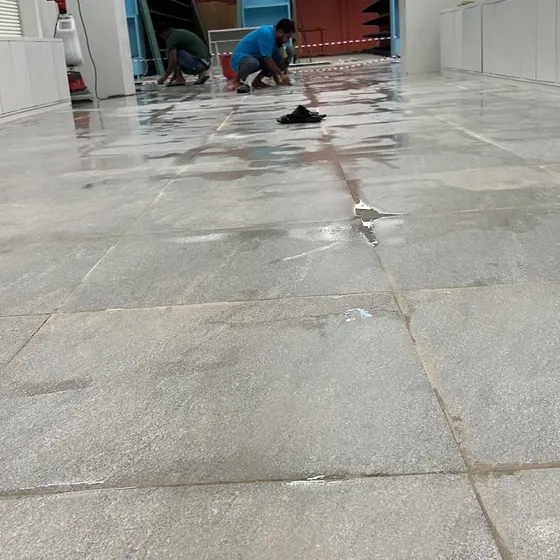
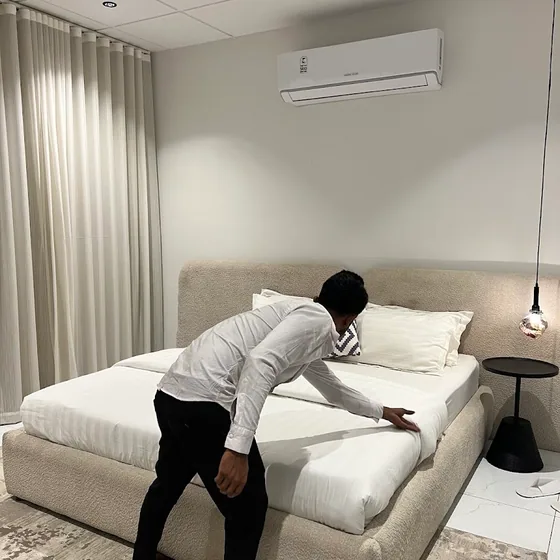
Photographs from real jobs carried out by the crew.
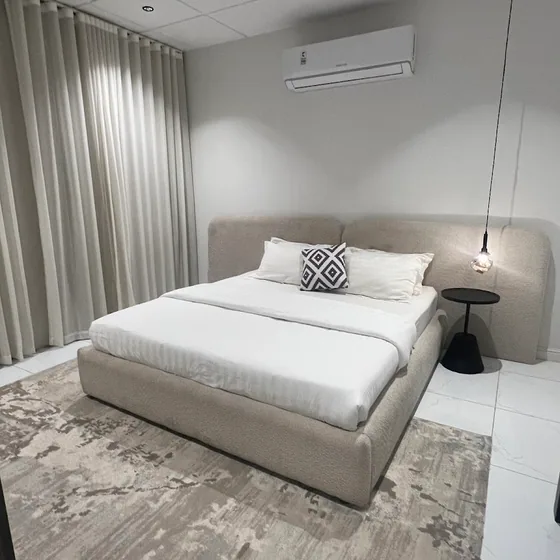
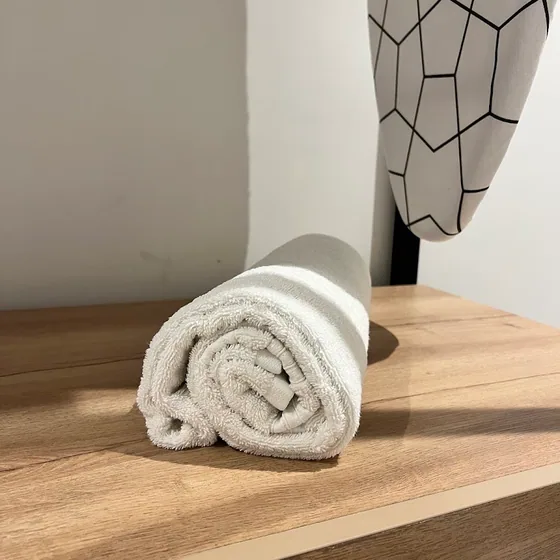
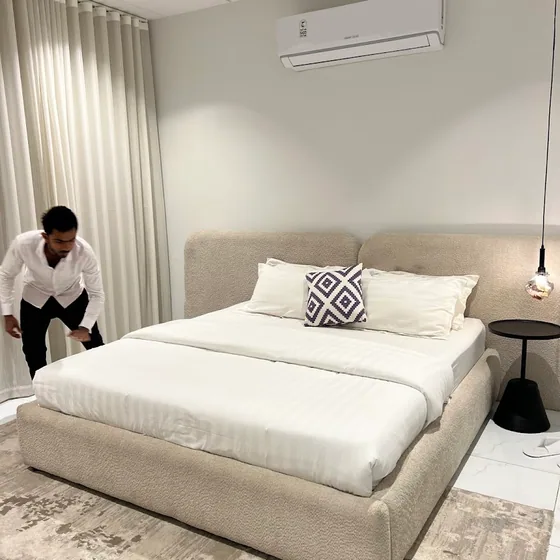
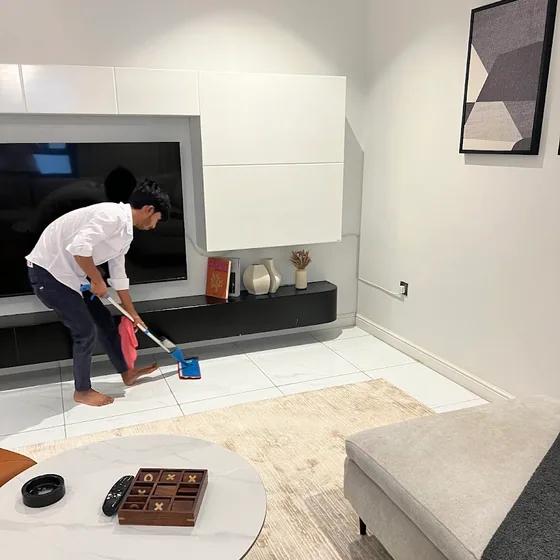
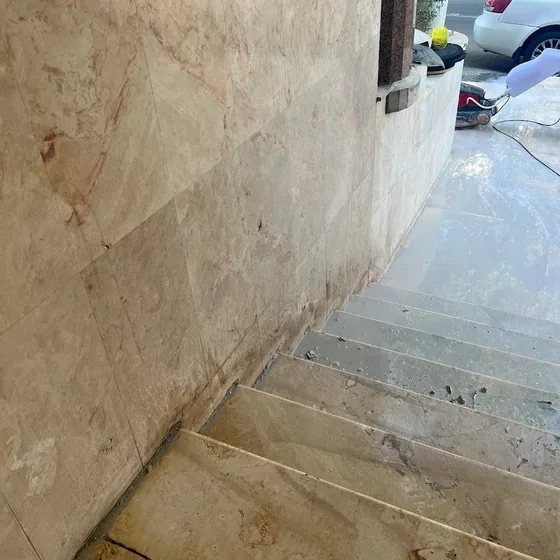
The commitment is simple enough to be keepable: we do not leave until you have seen the result and given your view of it.
Sofas around Al Hamdaniyah Street and the Al Masurah hypermarkets face heavy commercial pollutants from the dense retail activity in this area. Access to flats above shops requires careful planning because entry and exit can disturb settled dust and moisture, so scheduling and method are both fitted to the mixed-use structure of the neighbourhood.
We provide these in Al Hamdaniyah too, and more than one can share a single visit.