We test before we wash
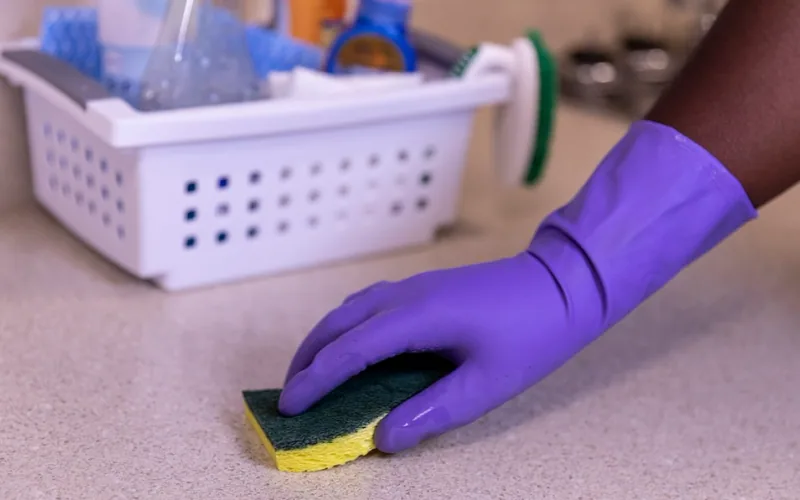
Testing the product on a hidden patch is a step we treat as necessary rather than optional.
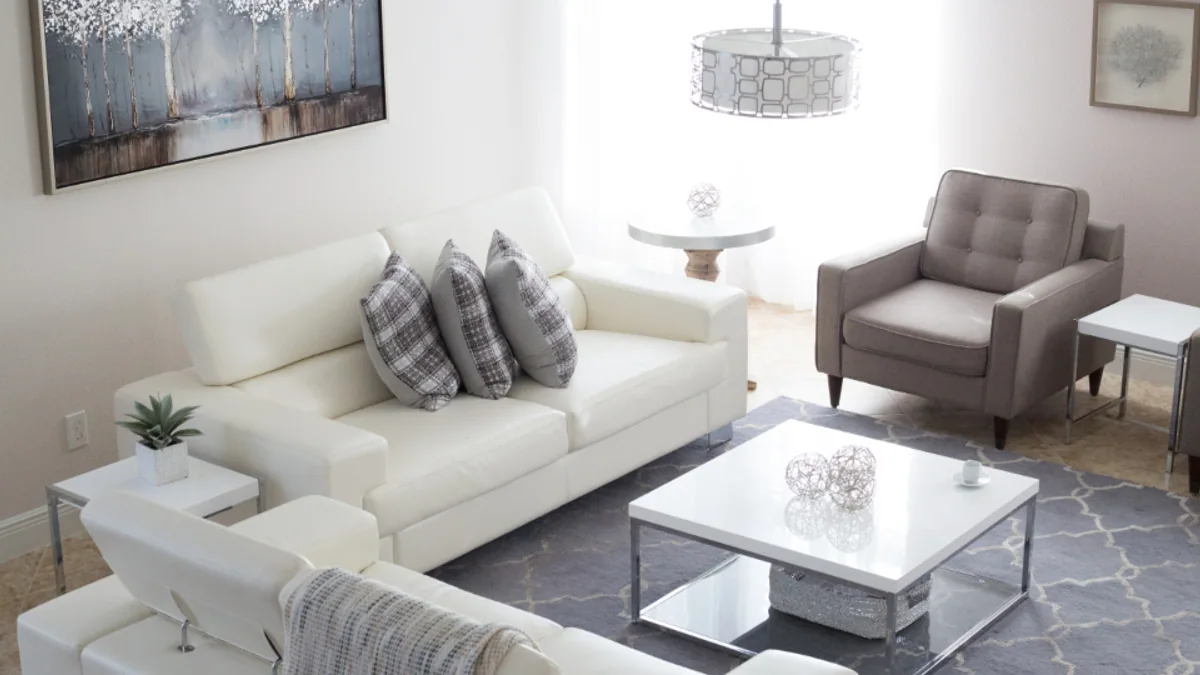
Al Gharbiyah is a newly developed district facing the coast directly in the Obhur extension, where land and homes are freshly released and building continues nearby. The coastal location means salt in the air year-round, and the new villas here have large windows and irrigated gardens, so the routine combines the challenge of new construction dust with persistent sea salt contamination and high humidity.
Salt deposits visibly on windows and glass every day, humidity is very high, and fine sand enters the home on footsteps from the beach which is very close by. For the method itself, see our sofa and upholstery cleaning service in detail.
Al Gharbiyah faces the coast directly in a newly exposed location with full exposure to salt-laden air, salt and humidity accumulate on windows, metals and fabrics rapidly, and new furniture in this strong saline environment suffers more than sofas in inland villas.
The district is under active construction and bare land around villas raises fine sand that enters through large windows, ongoing building work introduces extra particles, and new fabrics absorb sand faster than established cloth in stable areas.
Most new villas here have gardens watered by modern irrigation systems, spray mist leaves chalky rings on tile and outdoor furniture, and salt from sea air combines with these chalky deposits making removal from fabric very difficult.
A subdivision of Obhur on the western coastal side, lying in a new urban area extension very close to the sea, served by the coastal King Abdulaziz Road, with new land and housing recently released.
Fabric testing must check sensitivity of new fabrics to salt, high humidity and chemical compounds used in treatments, as new cloth reacts differently to established material.
Deep vacuuming removes fine sand and light salt before washing, and high suction is needed to lift fine particles from new pile.
Fabric washing needs treatment for salt, humidity and sand together, water is chosen carefully, and multiple rinses are essential to remove salt traces from the weave.
Cushions cleaned on both sides need equal attention, and the side facing the sea may accumulate more salt than the indoor-facing side.
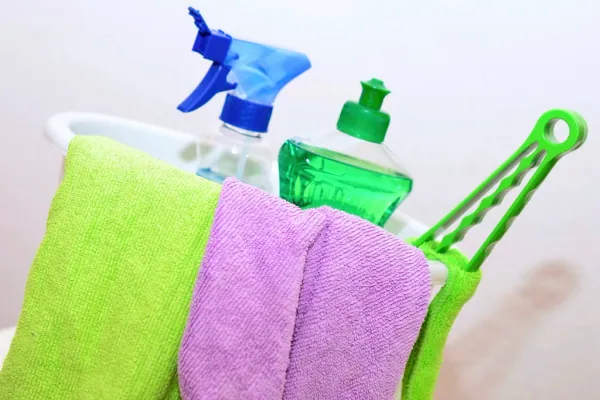
Stains from salt, sand and chalky deposits are treated with specialist compounds, often needing longer contact time than ordinary marks.
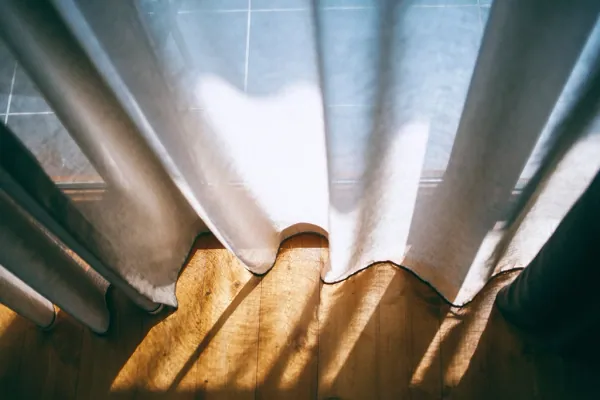
Wet extraction and ventilation are critical, and drying needs strong sun and constant air flow, rushing back to use risks trapping moisture that causes rapid mildew in the high humidity.
Cotton, velvet, chenille and synthetics do not take the same heat or the same product.
Before any water.
An oil mark is not treated like a juice mark.
We wash with the method that suits the fabric.
The piece is left slightly damp, never wet.
We go over the pieces with you before leaving.
Testing the product on a hidden patch is a step we treat as necessary rather than optional.
The company employs more than forty cleaners, and we send a crew rather than an individual.
The washing and extraction machines are ours and travel with the crew.
If a piece needs reupholstering rather than washing, we say so.
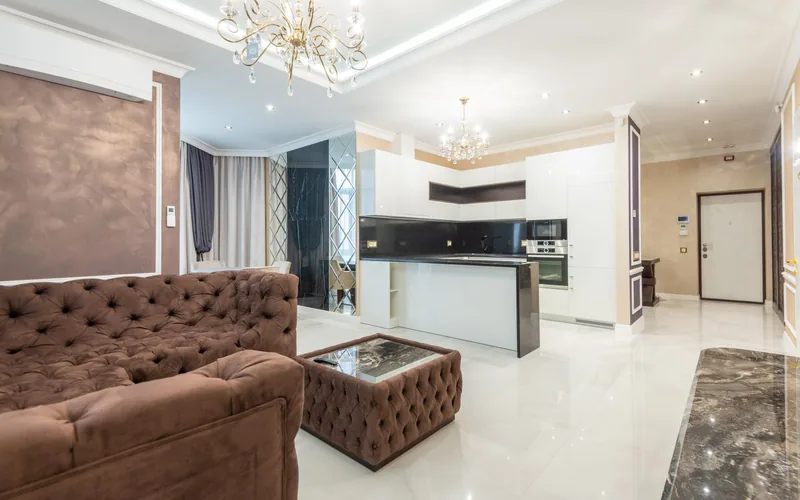
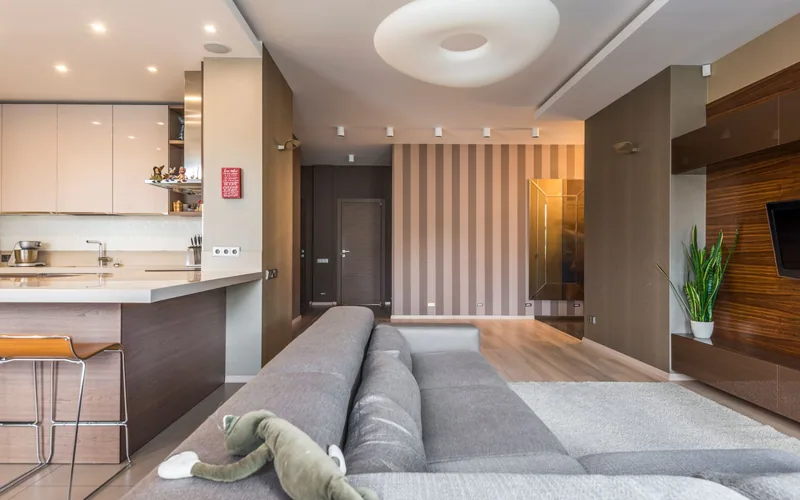
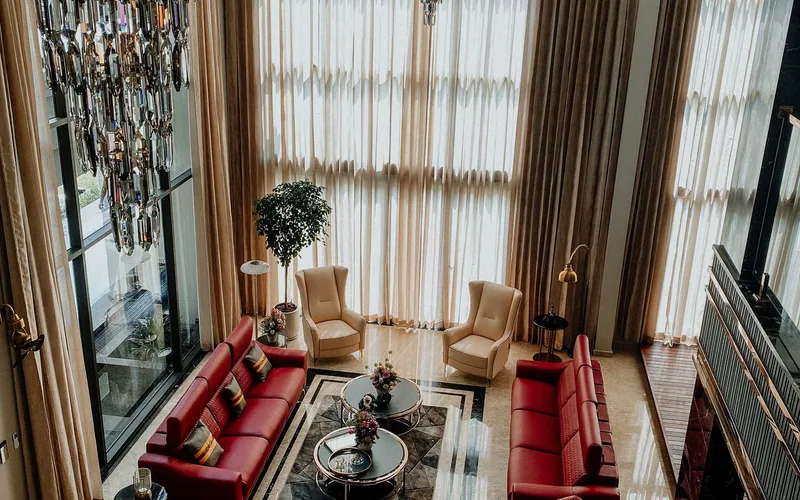
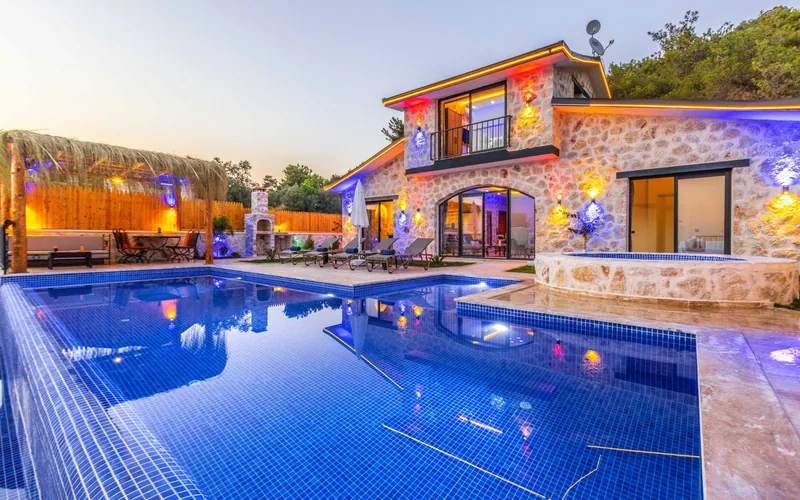
Photographs from real jobs carried out by the crew.
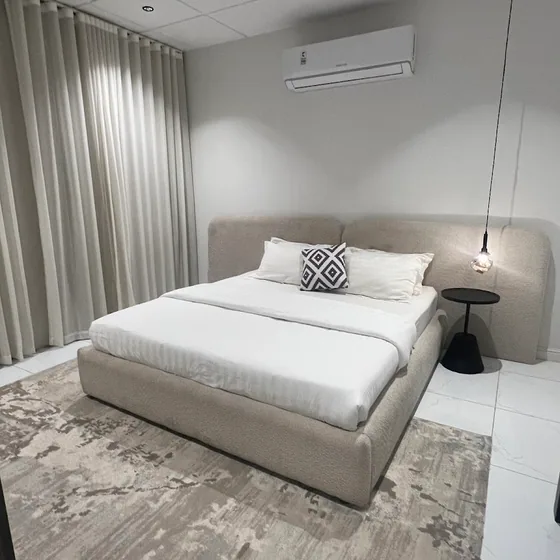
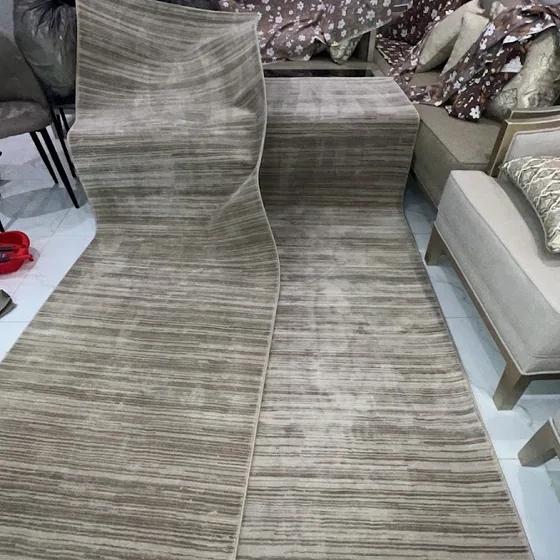
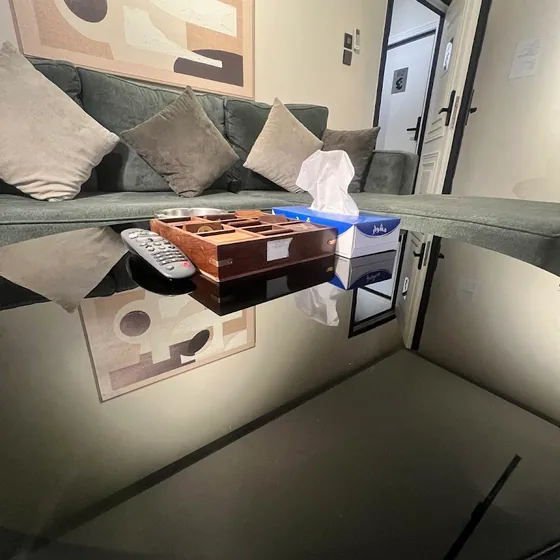
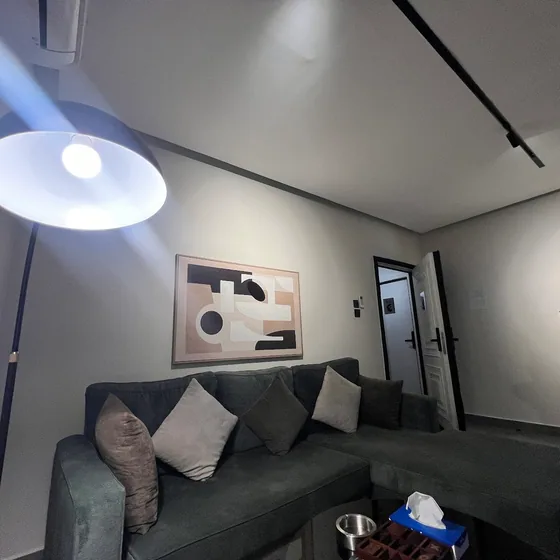
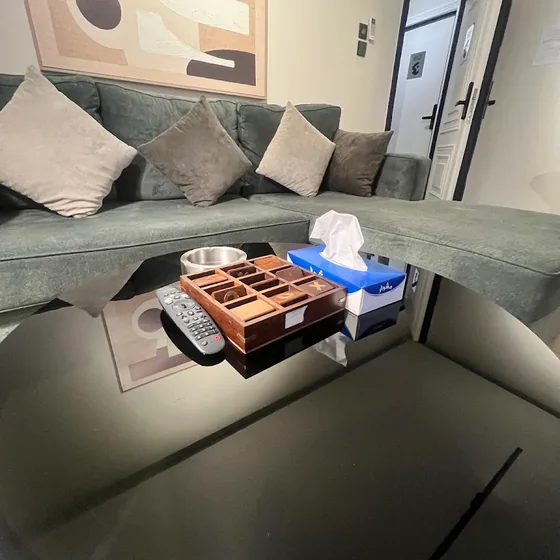
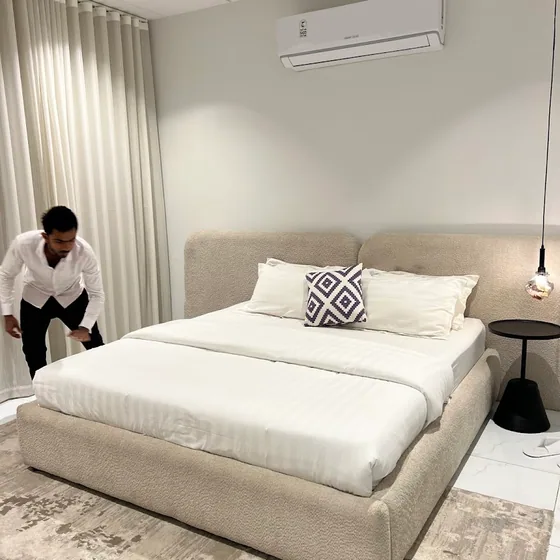
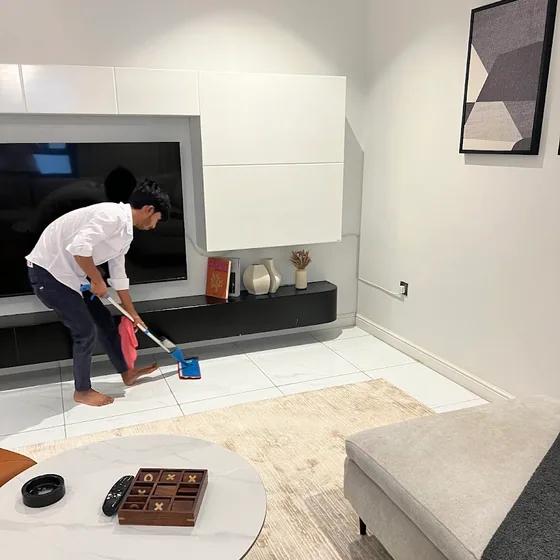
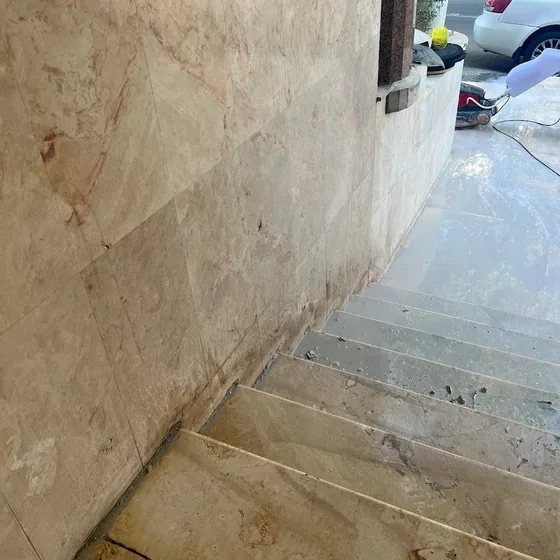
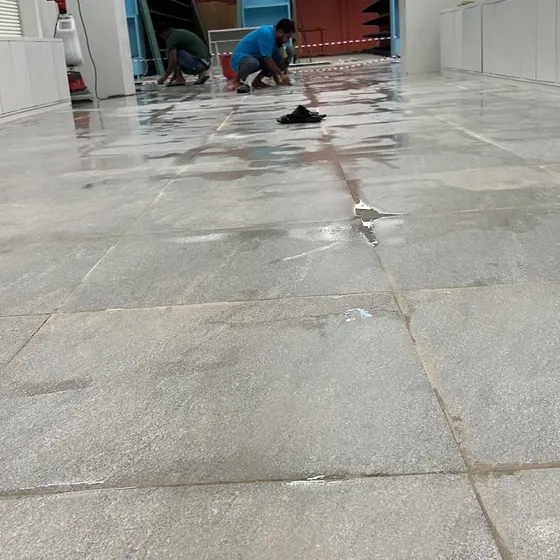
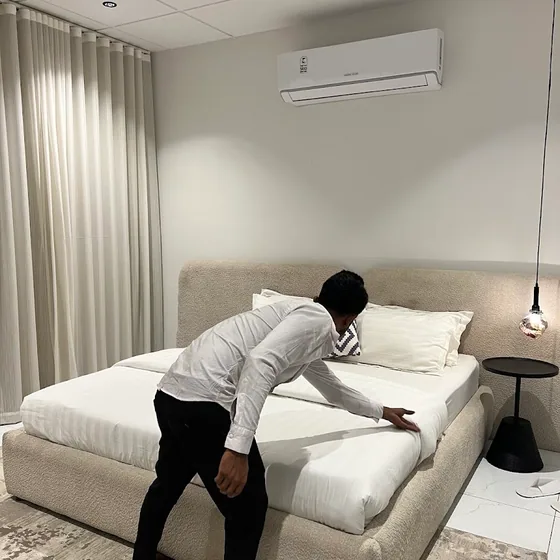
The commitment is simple enough to be keepable: we do not leave until you have seen the result and given your view of it.
North Jeddah is largely newer villa districts and compounds around Obhur and inland from it. Homes here tend to have marble or porcelain floors, large windows and a garden or courtyard, so the routine is set by what comes in from outside: fine sand carried on sandals, and sprinkler spray that dries to a chalky ring on tiles. Near the creek and the coast, sea air leaves a faint salt film on glass and on outdoor cushions, which stiffens fabric. Curtains and upholstery in these open plan rooms catch the dust that settles overnight.
We provide these in Al Gharbiyah too, and more than one can share a single visit.