We test before we wash
Testing the product on a hidden patch is a step we treat as necessary rather than optional.
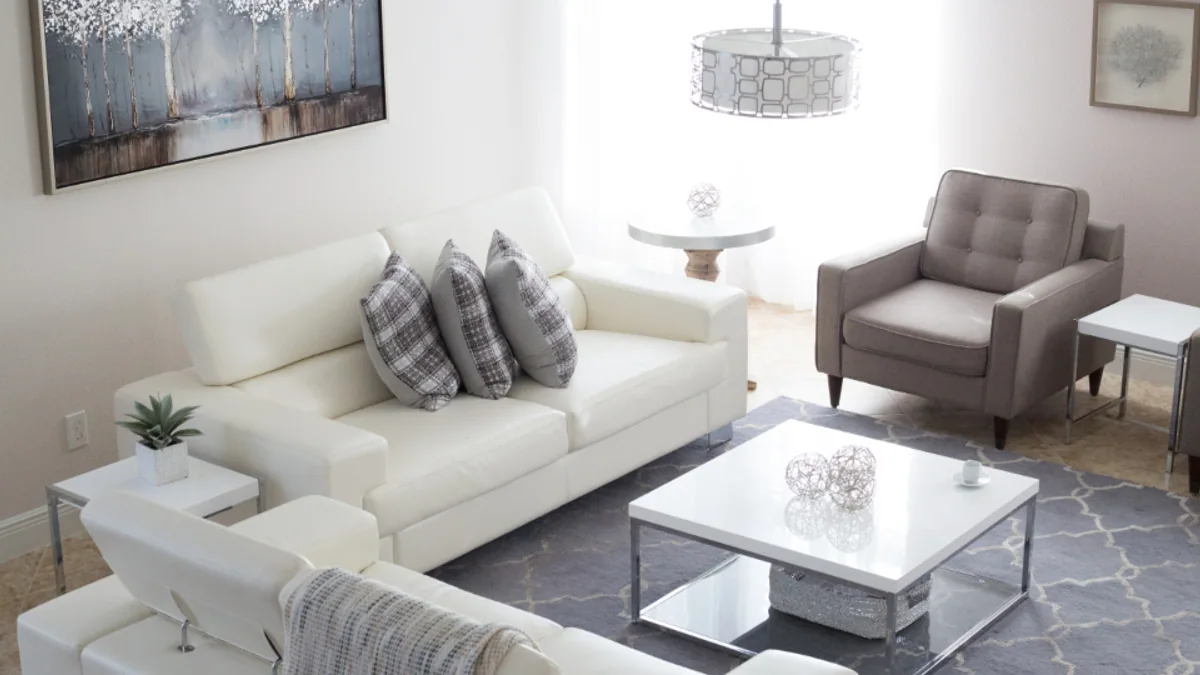
Al Asalah is a northern district in its early building phase, where dust from unpaved ground and active construction enters new homes rapidly. New sofas need early care before dirt becomes visible on the surface, not after months of silent settling into the foam.
New furniture in Al Asalah requires cleaning before any visible marks appear, because heavy construction dust embeds itself in the foam and becomes invisible until the texture and smell have already changed. For the method itself, see our guide to sofa and upholstery cleaning.
Dust from building sites is not the same as household dust: it carries larger, heavier particles that settle into foam layers fast and resist vacuum extraction alone. New villas here need deep washing, not surface-level vacuuming, to reach what has already sunk.
The valley passes through the district and unmade roads trap ground moisture after rain. Sofas in homes near the wadi absorb dust and dampness together, requiring deeper drying after cleaning than furniture in established neighbourhoods with sealed roads.
Properties in Al Asalah come with new upholstery that has never experienced Jeddah climate before. Early cleaning removes factory dust and warehouse air before it settles permanently into the weave, protecting the fabric from accelerated wear.
Unpaved streets and ongoing construction sites raise heavy dust and clay particles from raw earth and building foundations. This dust differs from desert sand: denser and more deeply penetrating into upholstery fibres, where vacuuming alone cannot reach it.
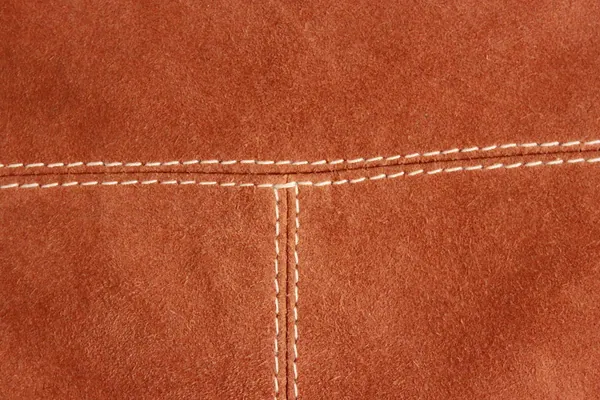
We test new fabric in Al Asalah with extra care: new fibres may react differently to detergent than aged, dyed upholstery does, and we adjust our approach on the spot if needed.
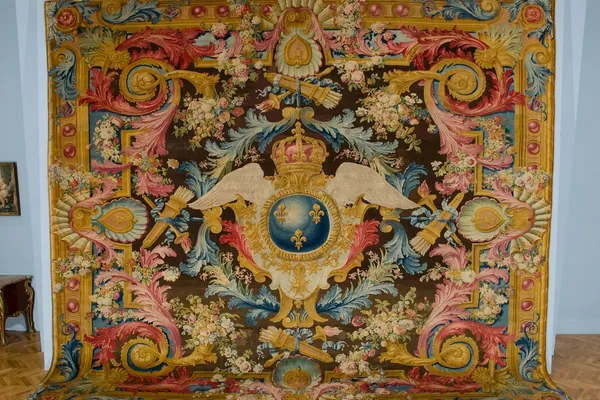
Deep vacuuming is essential here because heavy dust from unmade roads and building sites settles into foam layers, not just on the surface. Surface-level cleaning leaves embedded particles undisturbed.
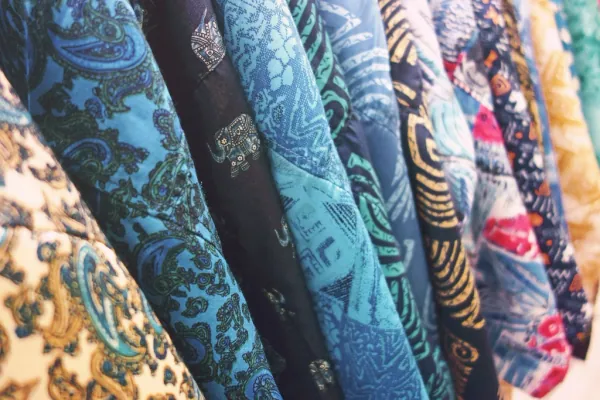
We wash fabric, back and sides using the method suited to that particular weave and fill, especially important for new furniture whose stitching and internal structure may not yet be fully settled.
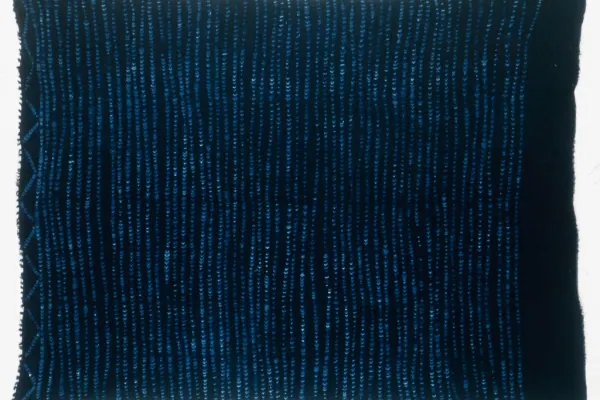
Cushions are washed on both faces and dried carefully in Al Asalah, because wadi moisture slows natural evaporation and residual dampness can develop odours if not managed actively.
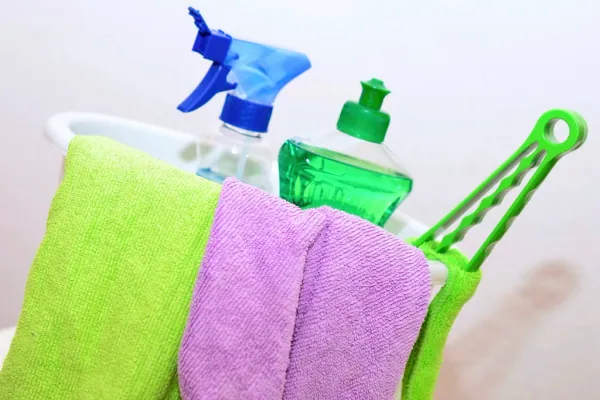
Stains are treated by type: in new homes, marks are often factory oil or dust from manufacturing, not deep-set stains from years of daily use, so treatment is faster and lighter.
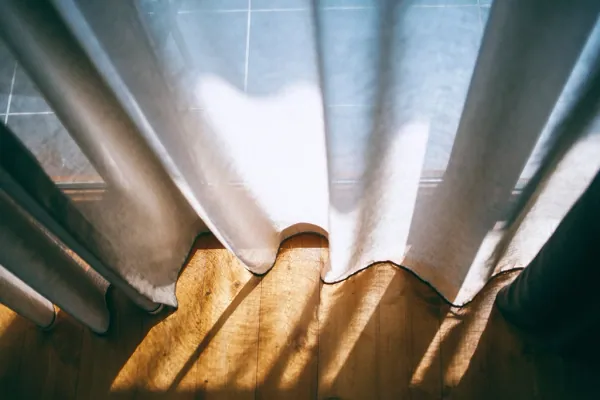
Wet extraction and ventilation are critical here: we remove excess water thoroughly and leave air moving in the room for longer because wadi dampness raises indoor humidity and extends drying time naturally.
Cotton, velvet, chenille and synthetics do not take the same heat or the same product.
Before any water.
An oil mark is not treated like a juice mark.
We wash with the method that suits the fabric.
The piece is left slightly damp, never wet.
We go over the pieces with you before leaving.
Testing the product on a hidden patch is a step we treat as necessary rather than optional.
The company employs more than forty cleaners, and we send a crew rather than an individual.
The washing and extraction machines are ours and travel with the crew.
If a piece needs reupholstering rather than washing, we say so.
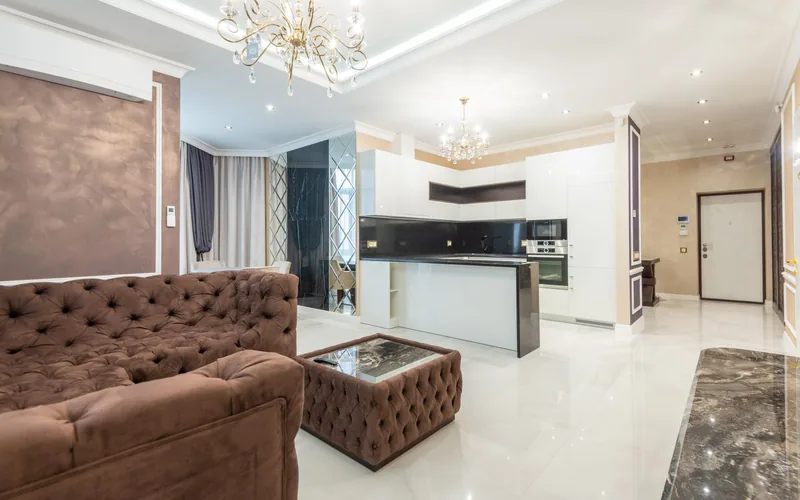
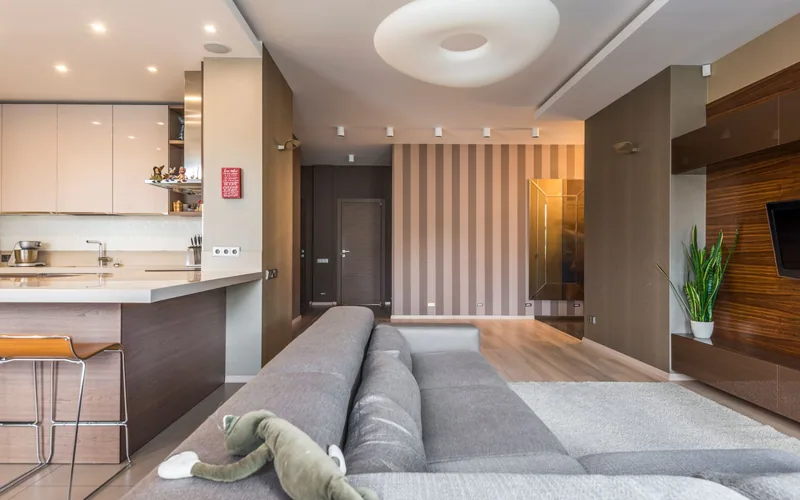
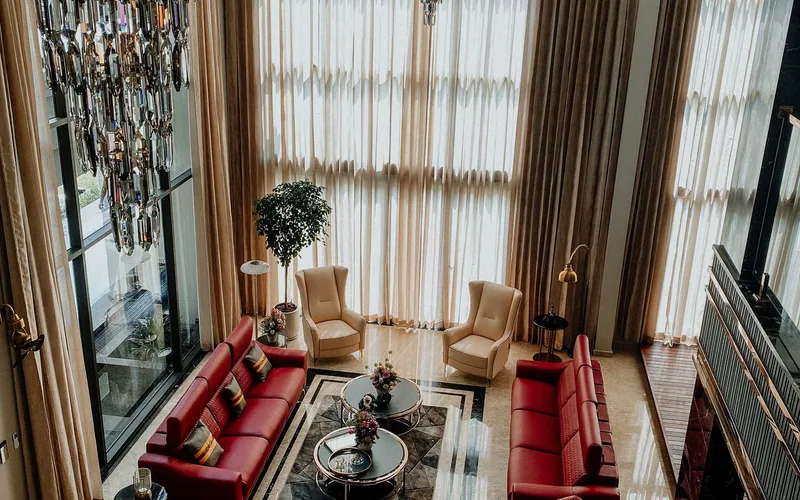
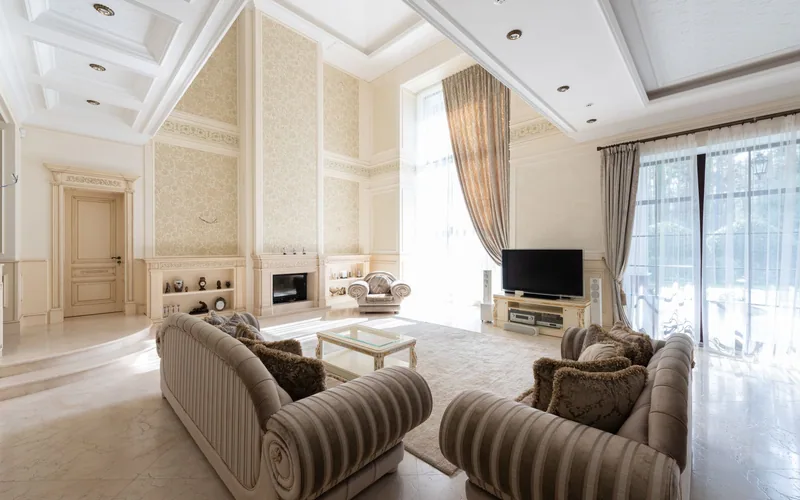
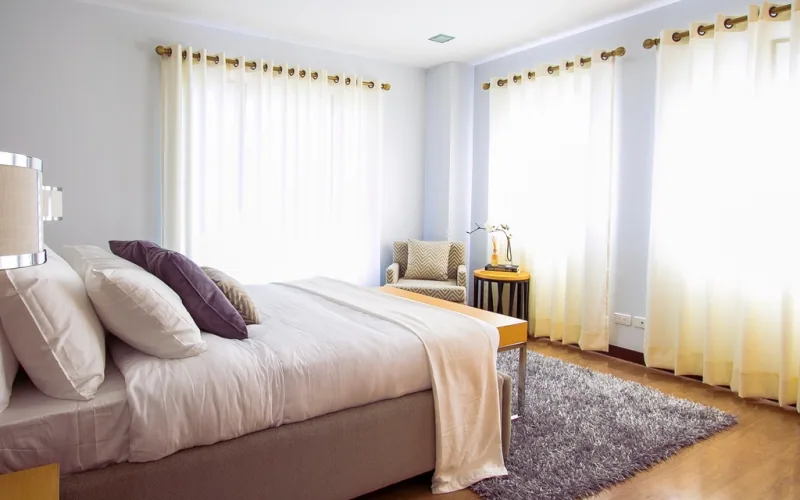
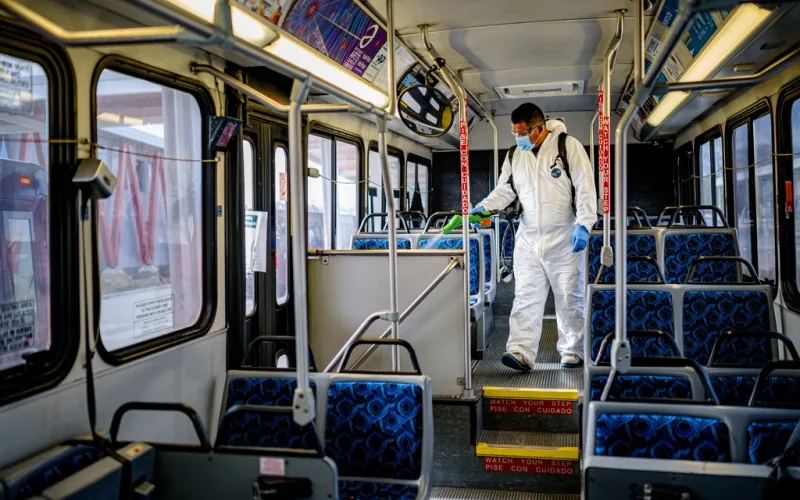
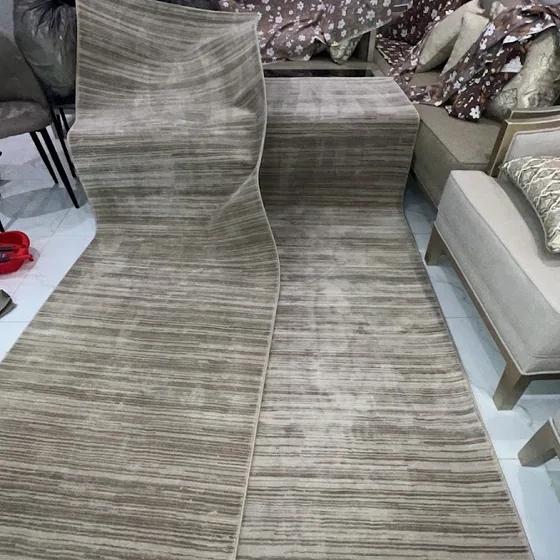
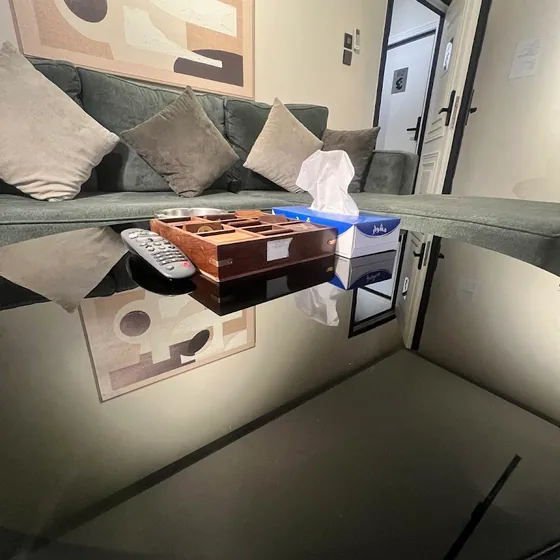
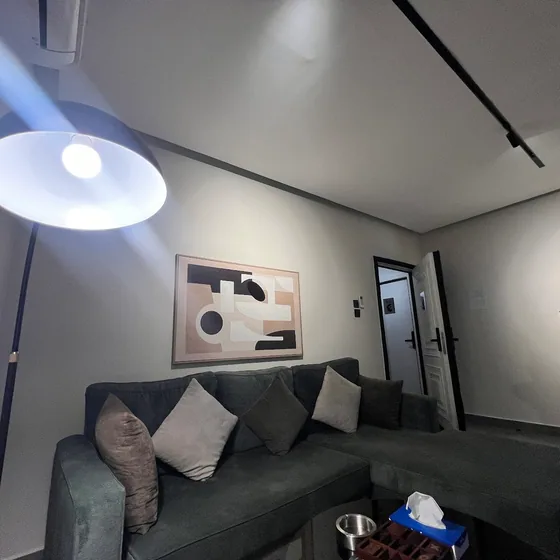
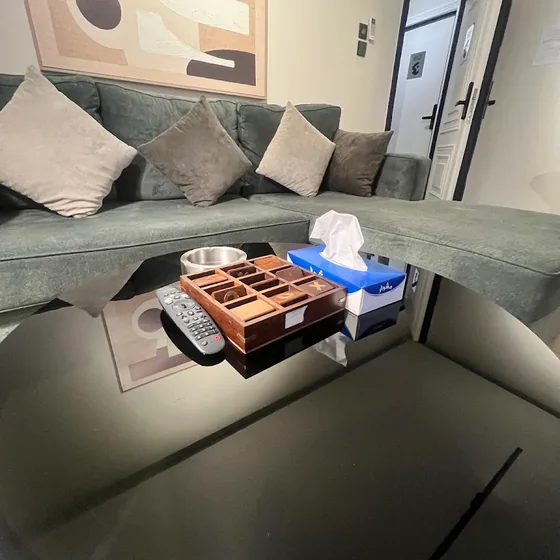
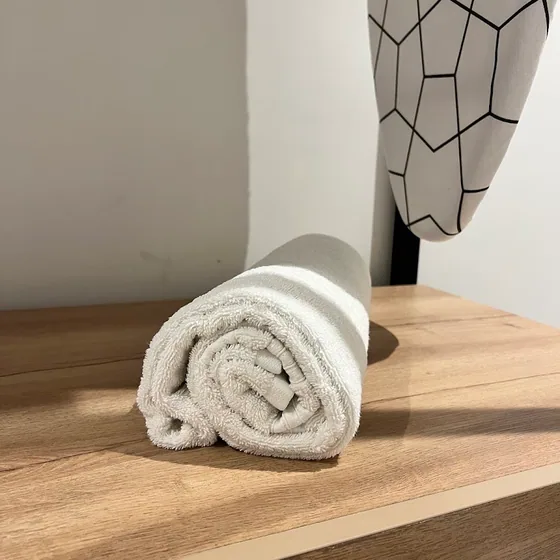
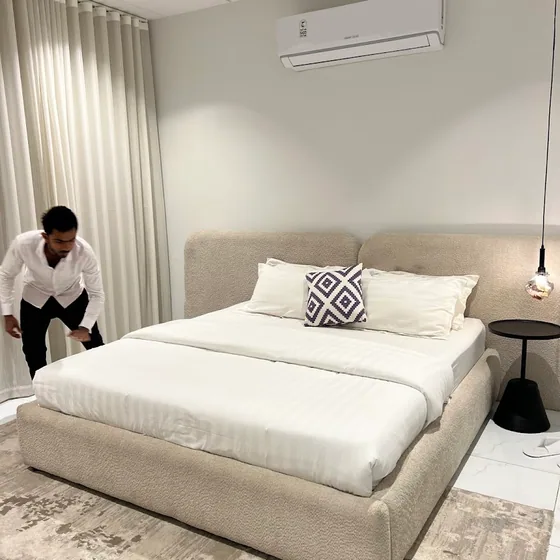
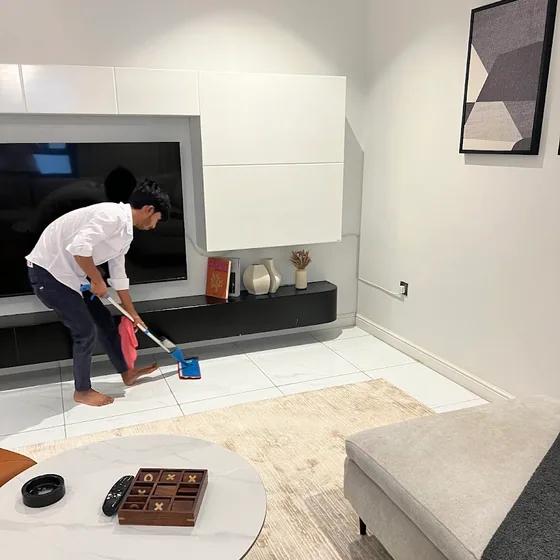
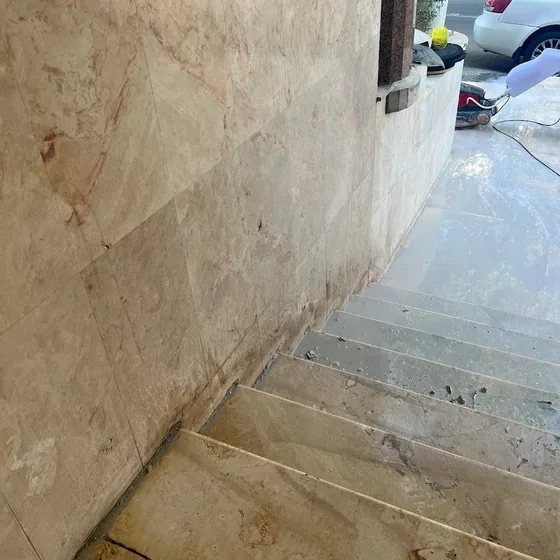
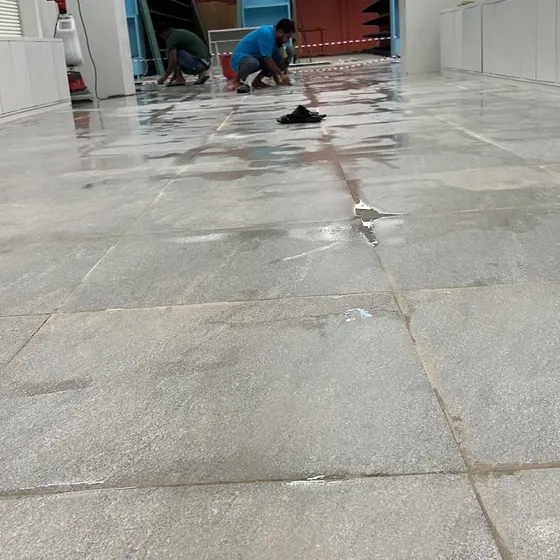
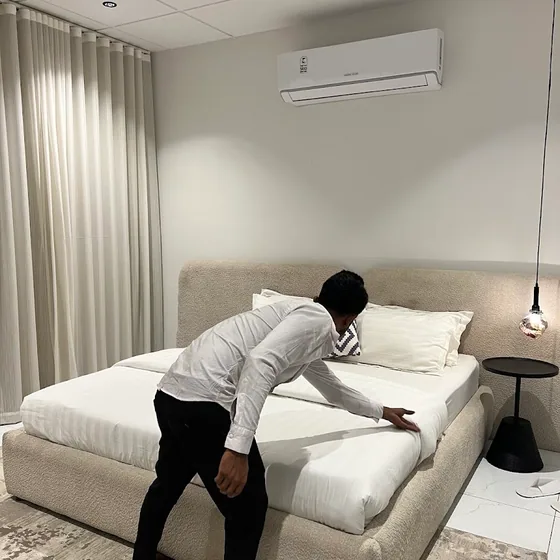
Photographs from real jobs carried out by the crew.
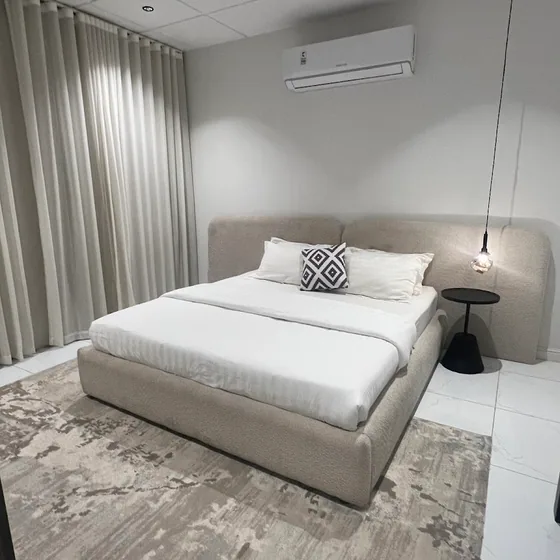
The commitment is simple enough to be keepable: we do not leave until you have seen the result and given your view of it.
Al Asalah stretches from Prince Talal bin Mansour Road toward King Abdullah Sports City, and your home sits somewhere within this compass. We locate you by these two landmarks and reach you directly without confusion or delay.
We provide these in Al Asalah too, and more than one can share a single visit.