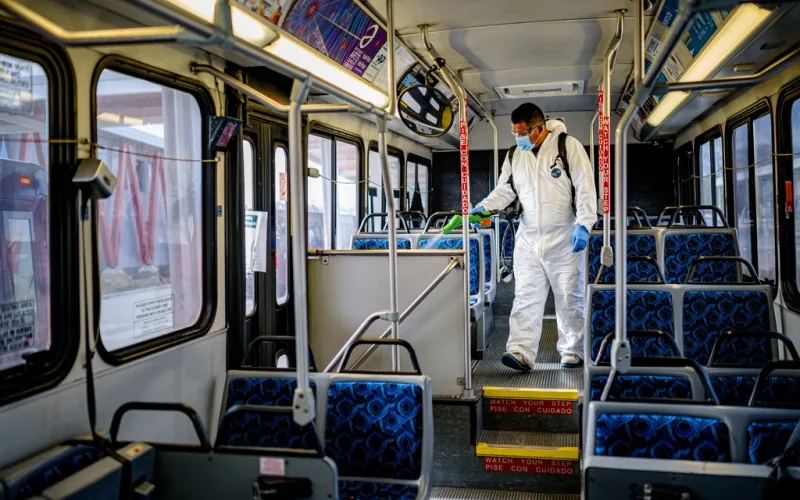
We test before we wash
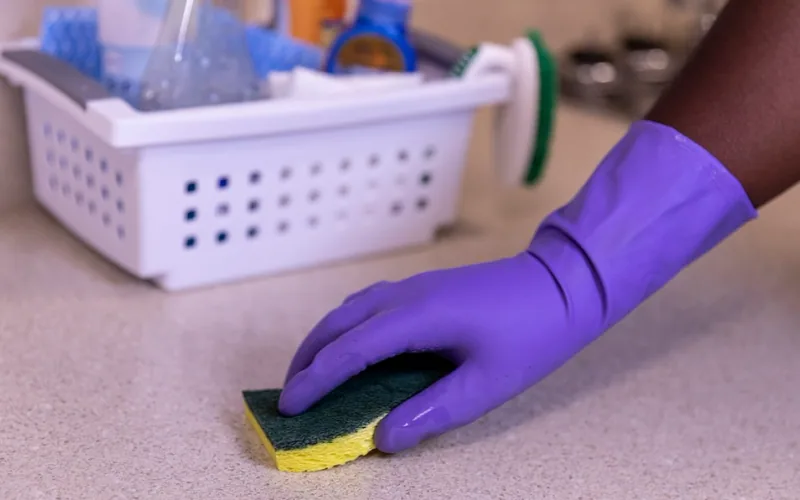
Testing the product on a hidden patch is a step we treat as necessary rather than optional.
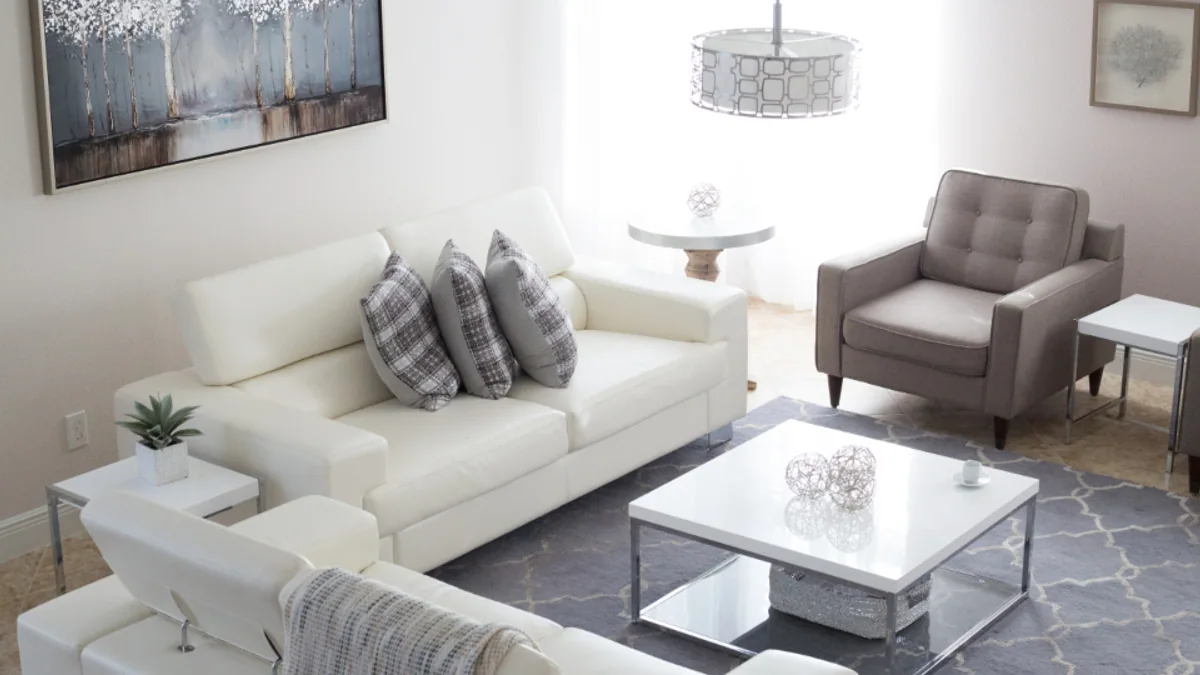
Wadi Usheirah is an open, sparsely built rural area spread across hillsides and valleys southeast of Jeddah, and the distances between homes shape how we travel and work. Sofas here absorb fine sand and natural dust from open ground that differs entirely from the heavy city dust and traffic grime in crowded quarters.
Sofas here tend to carry fine sand and natural dust rather than heavy urban grime, and the natural ventilation in scattered homes affects how quickly they dry after washing. For the method itself, see the full sofa and upholstery cleaning page.
Homes are spread across open ground, so moving efficiently from one site to another demands planning and portable, effective equipment. Our crew coordinates arrival times carefully because travel time between scattered homes cannot be wasted, and each household needs timely arrival.
Open ground around Wadi Usheirah produces natural dust and fine sand particles, not the heavy dust from roads or nearby workshops. Deep vacuuming alone often suffices before chemical treatment becomes necessary, unlike heavily polluted urban locations where stronger measures are routine.
Valleys and hillsides trap natural moisture, especially early morning and evening. Sofas take slightly longer to dry after washing here, but the natural ventilation in scattered homes helps considerably if windows remain open during and after the work.
Open ground, valleys and hillsides surrounding Wadi Usheirah create variable moisture and natural light dust that produces a different kind of soiling than densely built areas in the city.
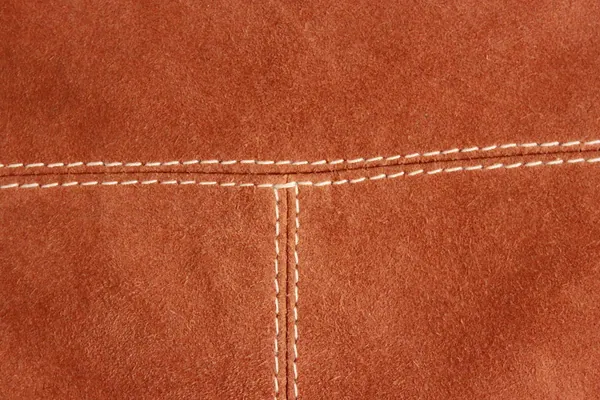
Natural dust and fine sand in Wadi Usheirah differ from heavy urban grime, but testing remains the first step before any method is chosen or products are applied.
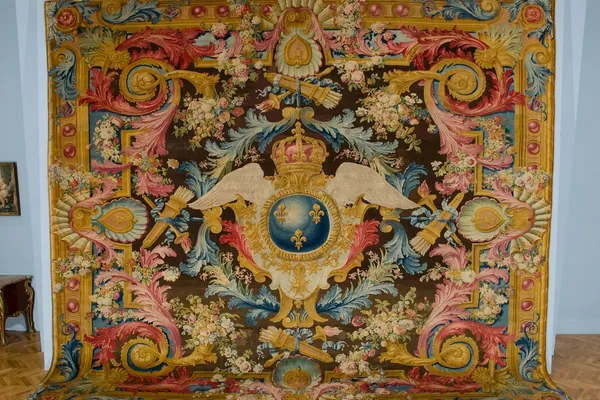
Deep dry vacuuming removes sand and natural dust with high efficiency because neither embeds in fibres the way heavy urban dust does.
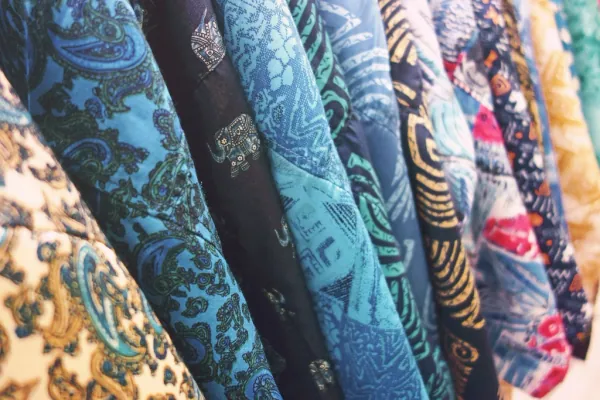
Fabric on older sofas may be sensitive, so washing here selects water temperature and product by fabric type first, not by soil type alone.
Cushions are washed on both faces in every case, and scattered homes receive identical standards because quality does not vary with location.

Stains may come from daily household use, so we treat each by type precisely because natural soiling responds better than heavy pollution does.
Wet extraction and ventilation take slightly longer here due to natural moisture, but the result is entirely safe and completely dry.
Cotton, velvet, chenille and synthetics do not take the same heat or the same product.
Before any water.
An oil mark is not treated like a juice mark.
We wash with the method that suits the fabric.
The piece is left slightly damp, never wet.
We go over the pieces with you before leaving.
Testing the product on a hidden patch is a step we treat as necessary rather than optional.
The company employs more than forty cleaners, and we send a crew rather than an individual.
The washing and extraction machines are ours and travel with the crew.
If a piece needs reupholstering rather than washing, we say so.
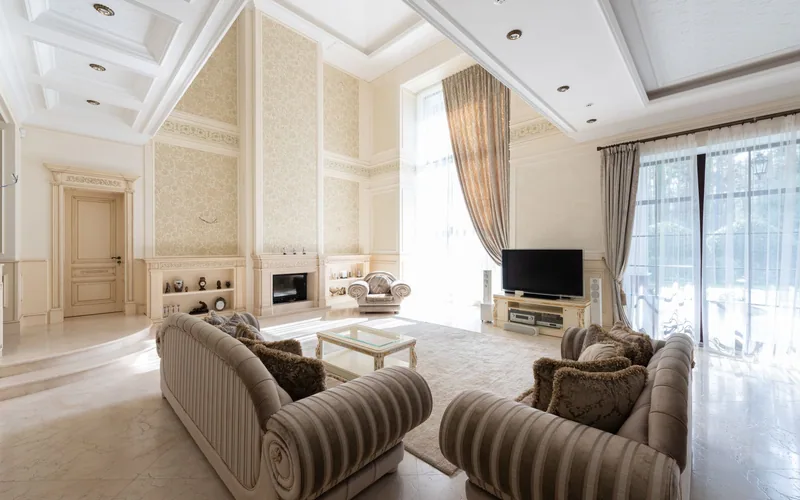
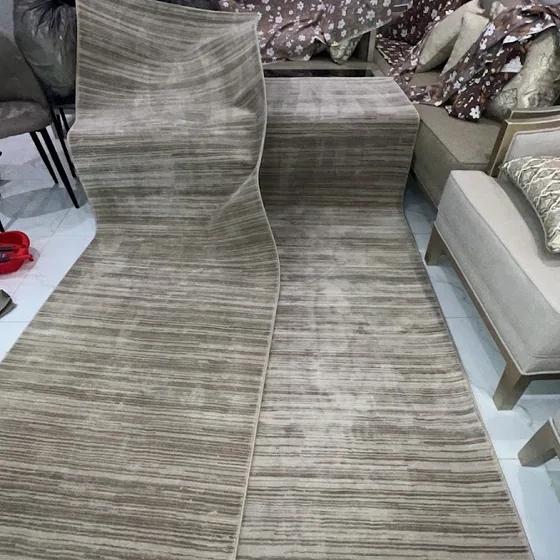
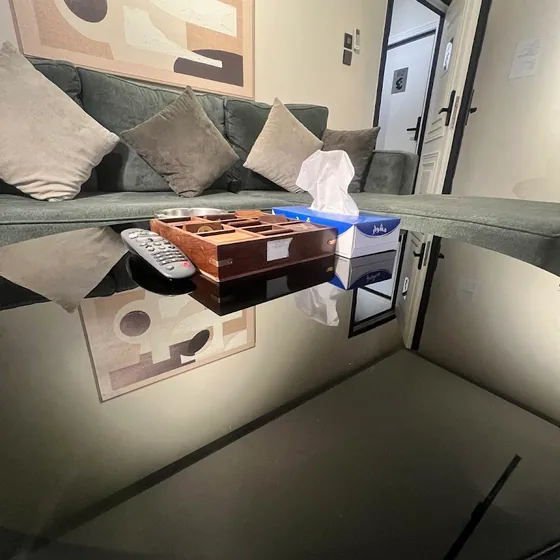
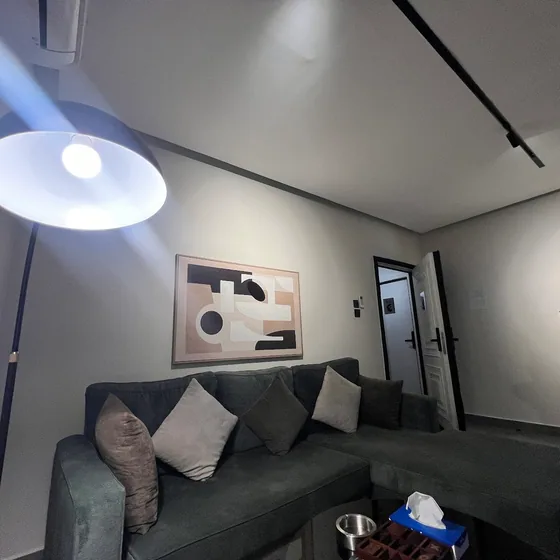
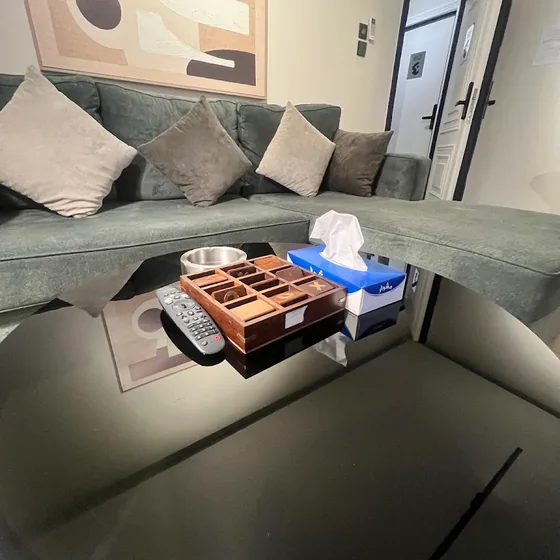
Photographs from real jobs carried out by the crew.
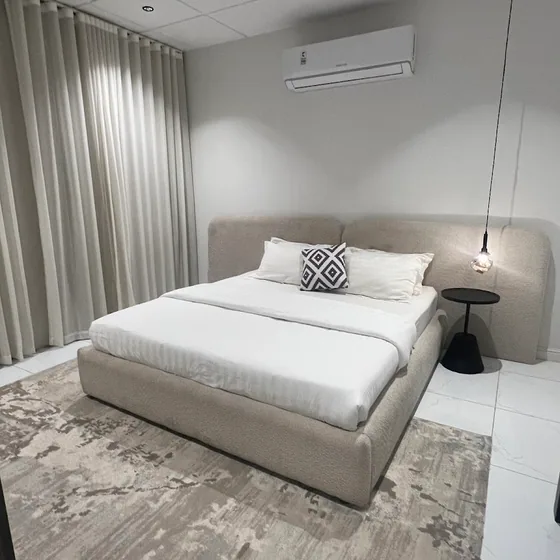
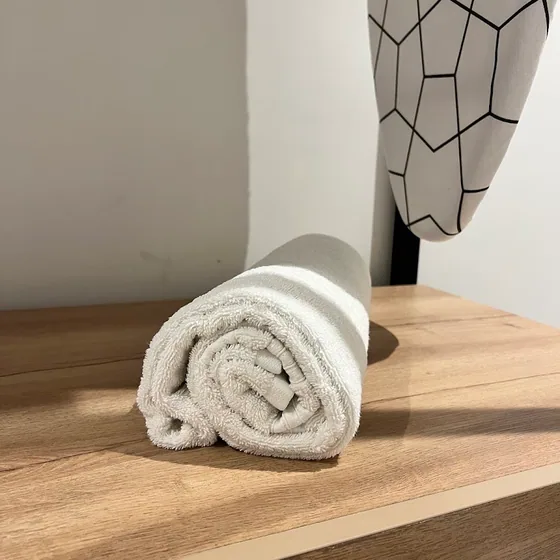
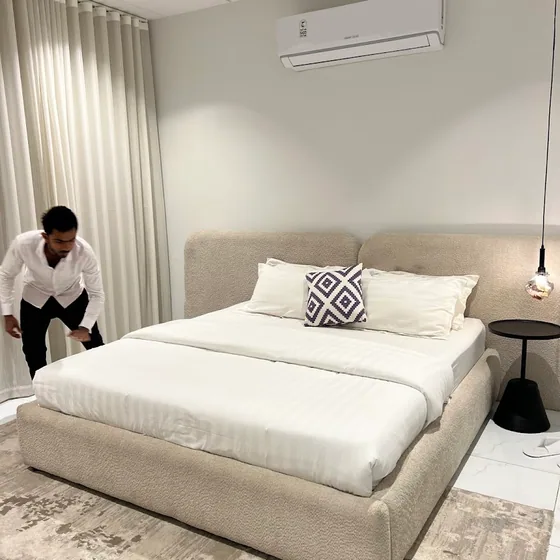
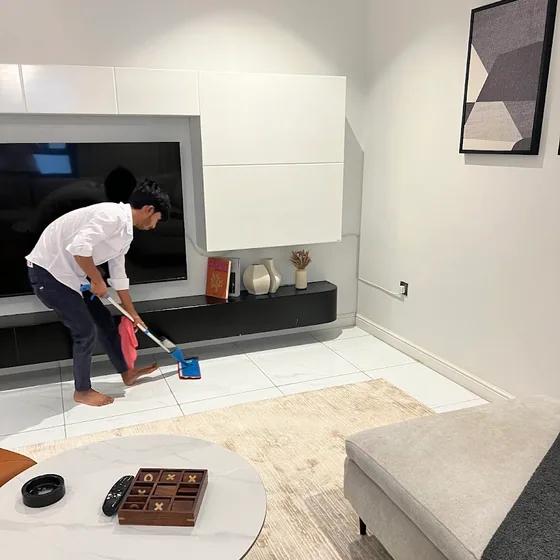
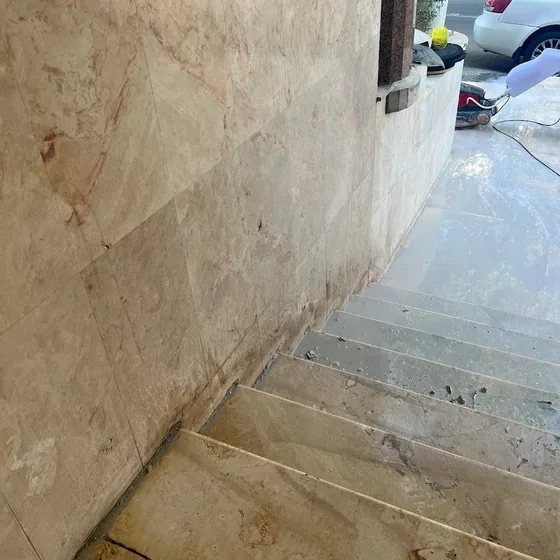
The commitment is simple enough to be keepable: we do not leave until you have seen the result and given your view of it.
Rural area: farms, open ground and scattered homes
A rural area means greater distance between homes and natural light dust instead of heavy pollution. Sofas here meet the same quality standards, but the need for strong chemical treatments is lower, and natural ventilation assists drying substantially.
We provide these in Wadi Usheirah too, and more than one can share a single visit.