We test before we wash
Testing the product on a hidden patch is a step we treat as necessary rather than optional.
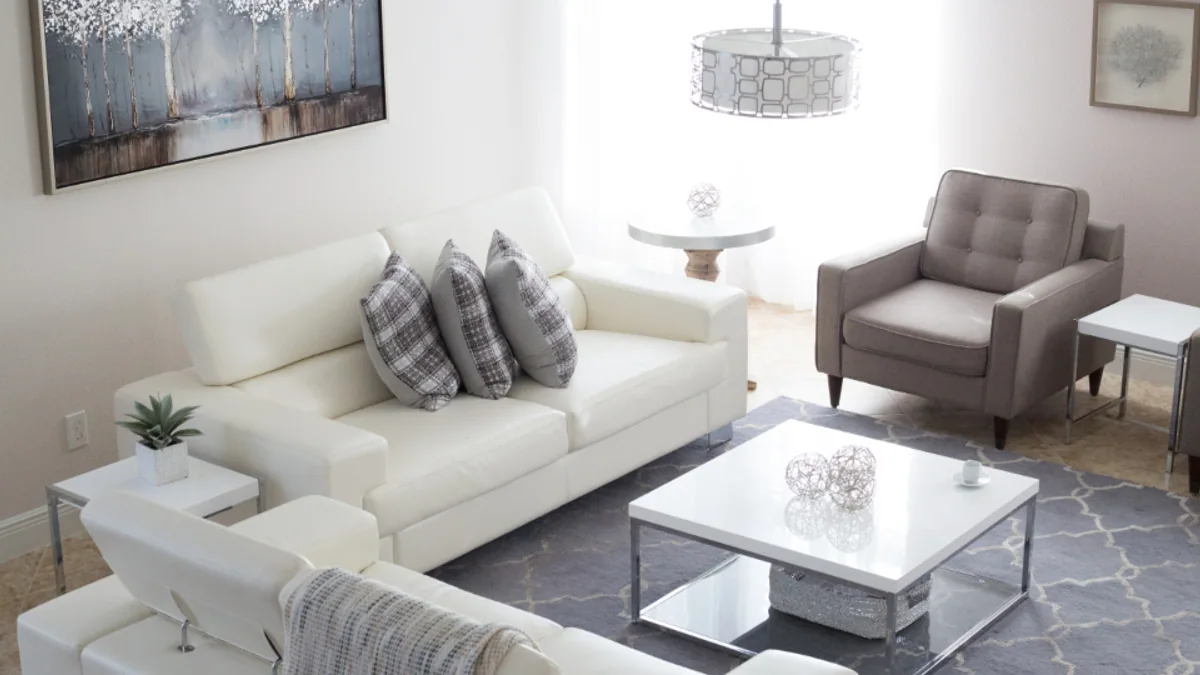
Al Safhah is a district in east Jeddah near Asfan and University of Jeddah Road, close to the University of Jeddah Stadium, one of a cluster of modest quarters with simple residential character. East Jeddah lies furthest from the sea and closest to open ground, so dust is coarser and paler than coastal dust, the air is drier, yet dust infiltrates under doors and settles on sofas quickly.
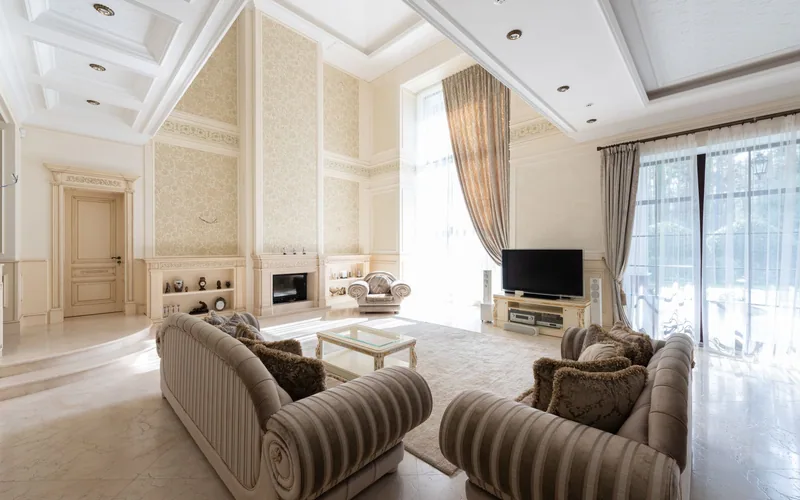
Sofas in Al Safhah collect coarse dust from open ground and distant hills, and this dust requires deeper vacuuming than the fine coastal particles. For the method itself, see how we approach sofa and upholstery cleaning.
Al Safhah sits in east Jeddah, far from the sea and close to open ground and hills beyond the ring roads. The air is drier and dust is coarser and paler. It infiltrates under doors and windows and settles on every surface overnight without dispersing in humid air.
University of Jeddah Road passes through the district carrying students and staff, especially during working hours. Seasonal traffic at term starts and breaks raises deposits noticeably. Coarse dust mixes with vehicle exhaust on this route.
Dry air in Al Safhah means dust does not stay airborne long but settles quickly onto sofas. Curtains and rugs become the heaviest part of the cleaning routine because coarse dust lands and stays rather than rising into the air again.
A district in the Taibah sub-municipality area of east Jeddah near Asfan, crossed by University of Jeddah Road and close to its stadium, one of a cluster of small quarters with simple residential character.
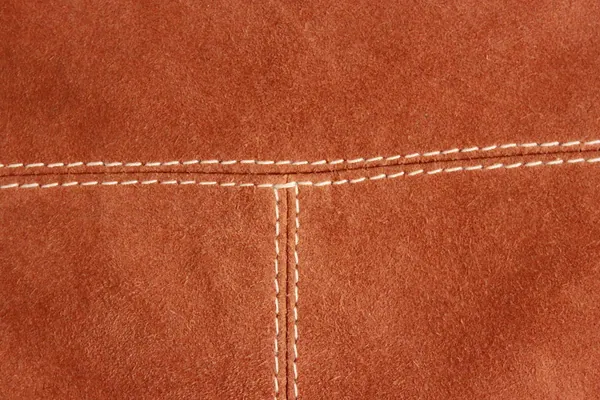
Fabric tested first is essential because coarse dust and minerals from water sediment may need special handling and product selection.
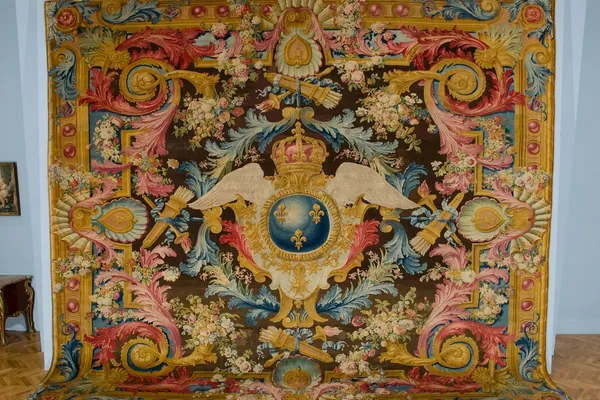
Deep vacuuming here goes deeper than standard jobs because coarse dust penetrates the weave more than fine coastal particles.
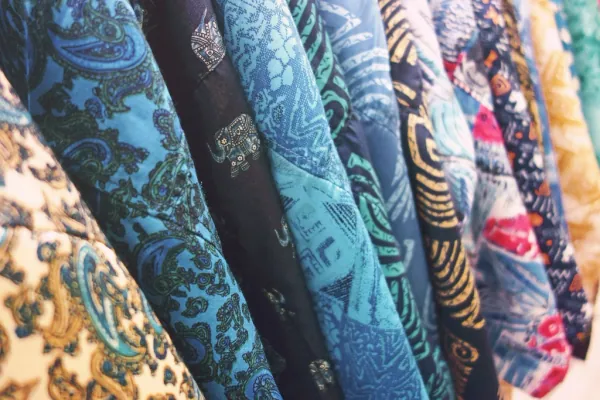
Fabric washed, back and sides needs care because of coarse dust and mineral deposits that have accumulated in the fibres.
Cushions on both faces need thorough cleaning because coarse dust clings to creases and folds strongly in dry climates.
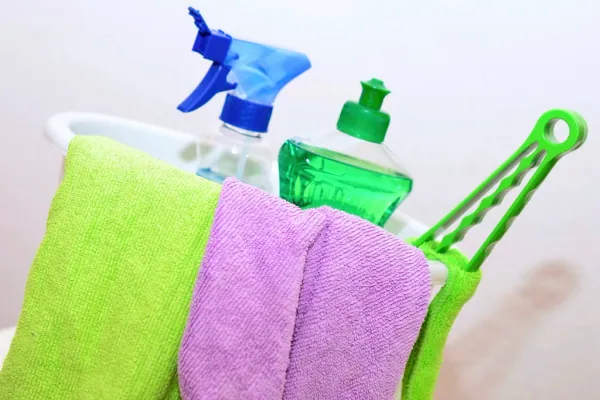
Stains here are mostly dust-based and sometimes mineral deposits from hard water. Each type needs different treatment.
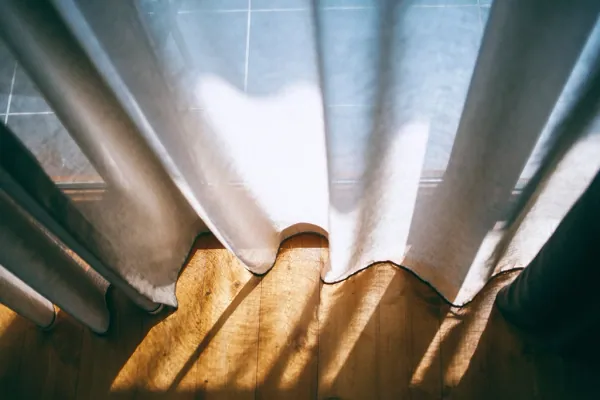
Wet extraction and ventilation happens faster in the dry climate, but monitoring ensures coarse dust is fully removed before the sofa is ready for use.
Cotton, velvet, chenille and synthetics do not take the same heat or the same product.
Before any water.
An oil mark is not treated like a juice mark.
We wash with the method that suits the fabric.
The piece is left slightly damp, never wet.
We go over the pieces with you before leaving.
Testing the product on a hidden patch is a step we treat as necessary rather than optional.
The company employs more than forty cleaners, and we send a crew rather than an individual.
The washing and extraction machines are ours and travel with the crew.
If a piece needs reupholstering rather than washing, we say so.
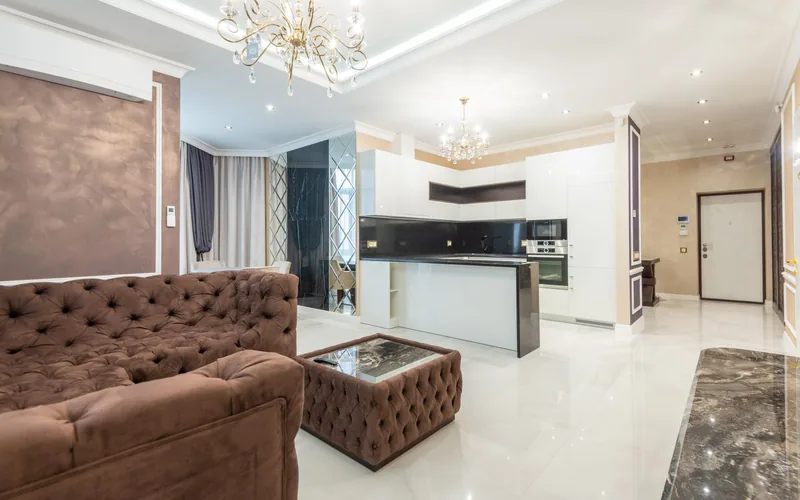
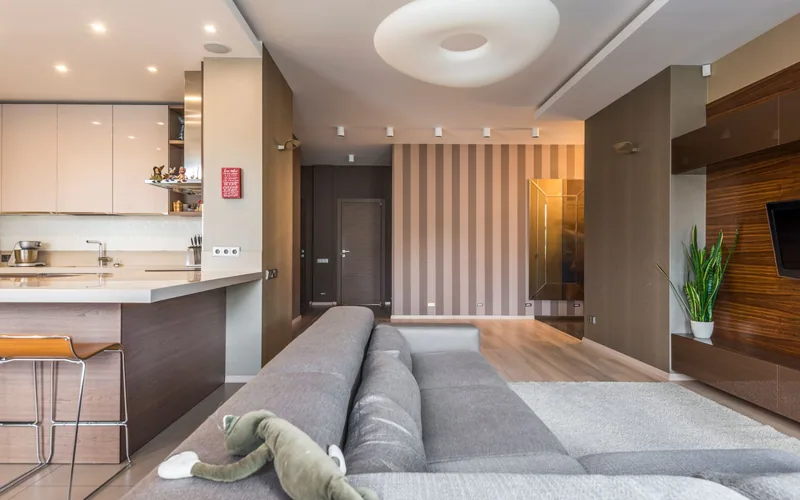
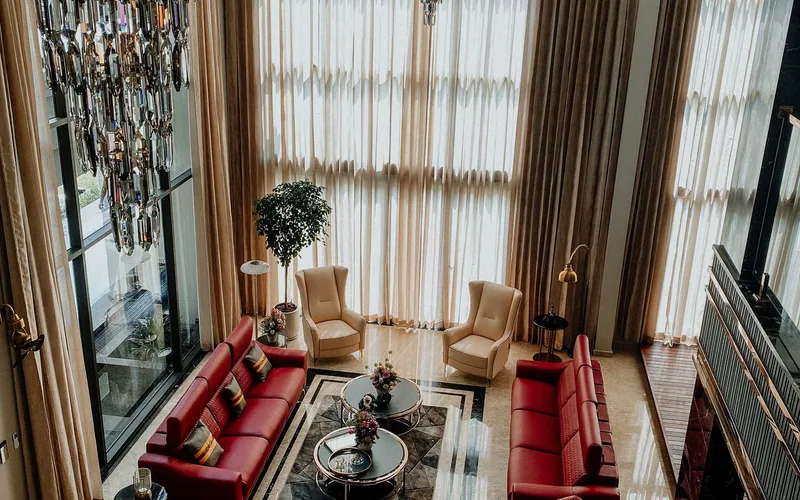
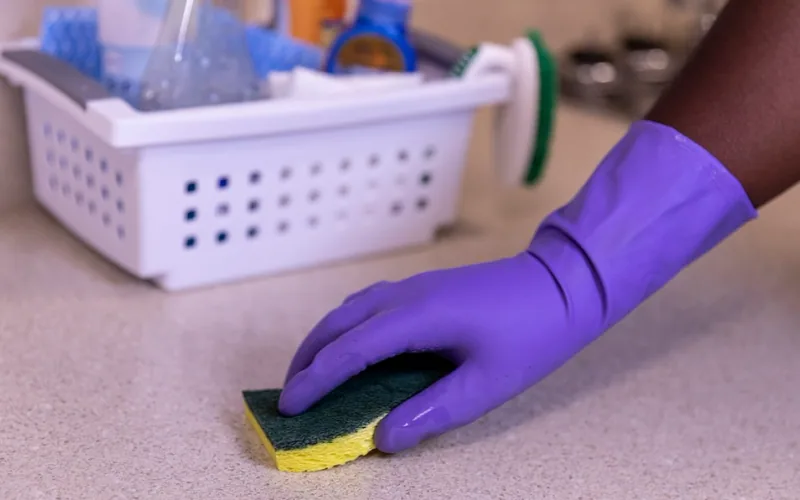
Photographs from real jobs carried out by the crew.
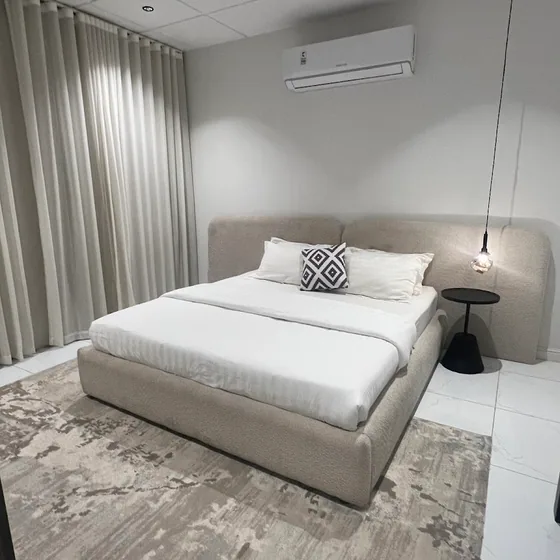
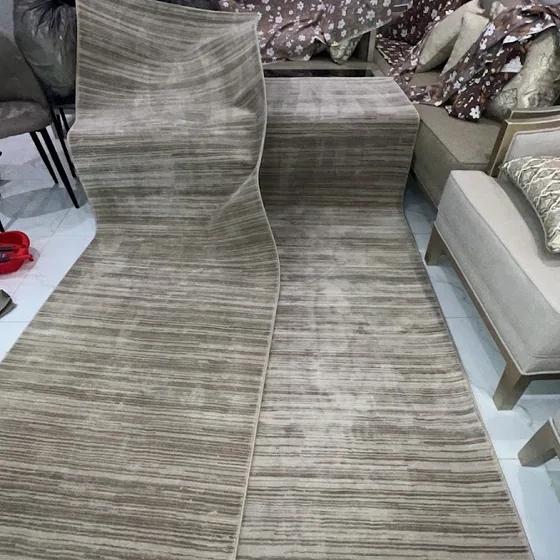
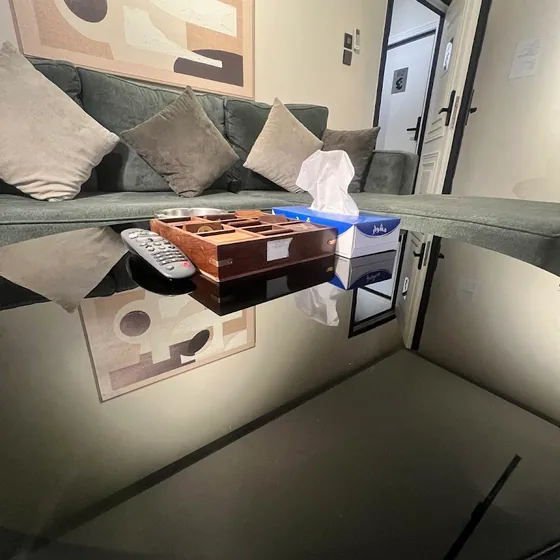
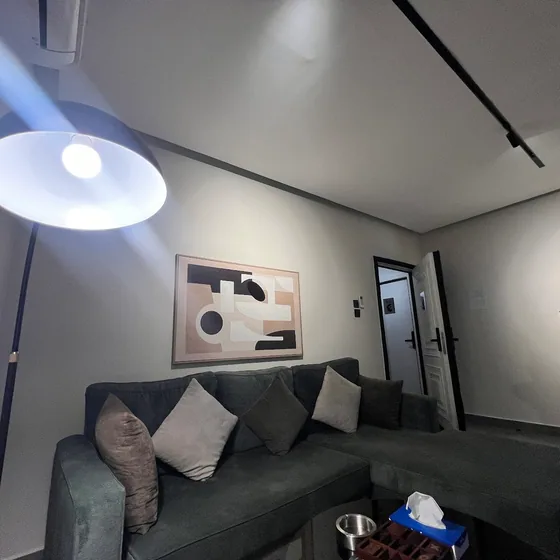
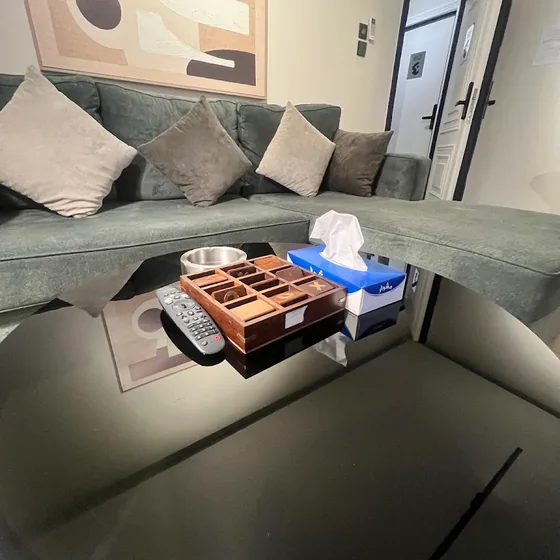
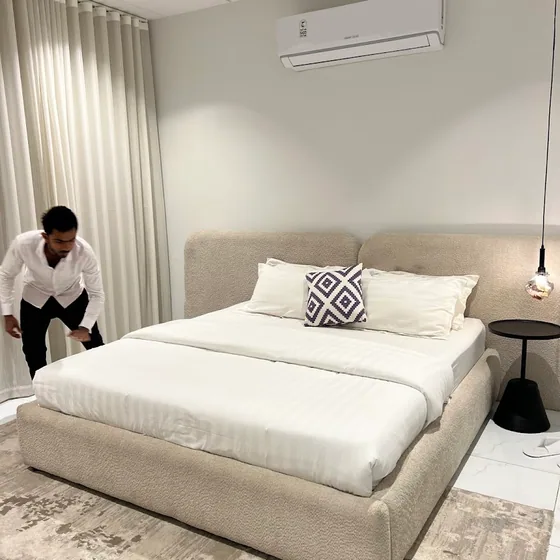
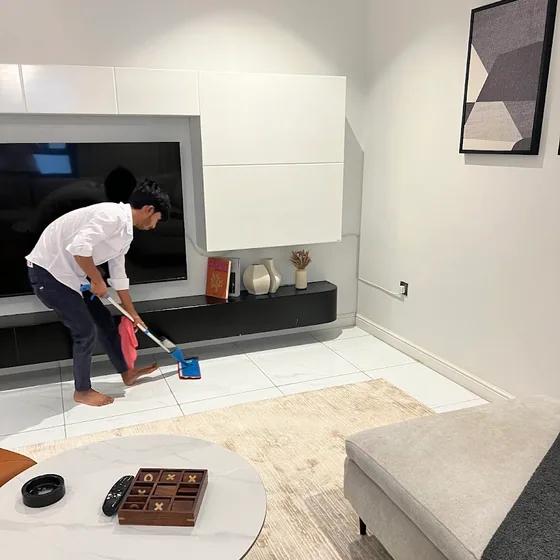
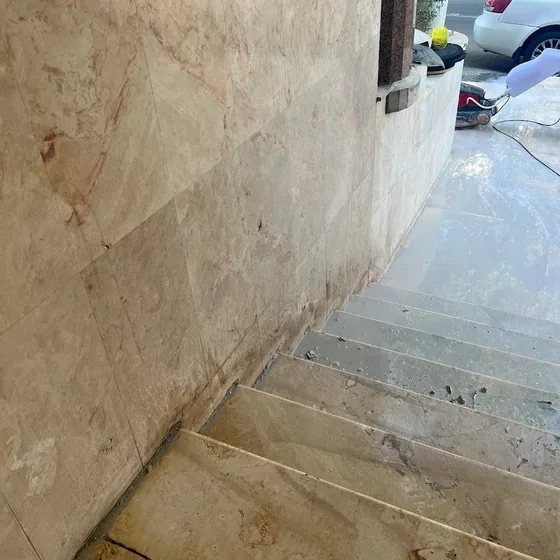
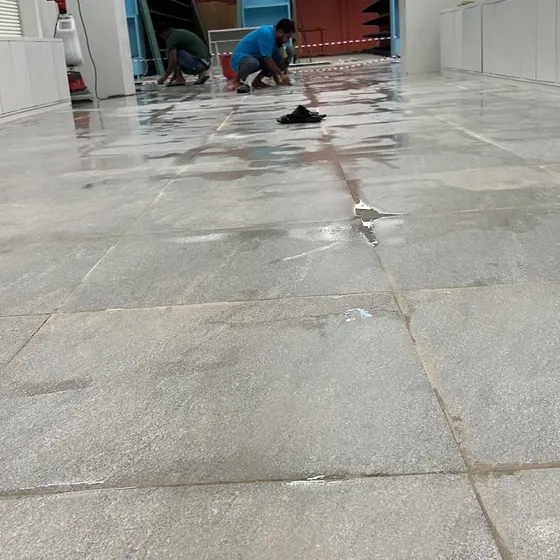
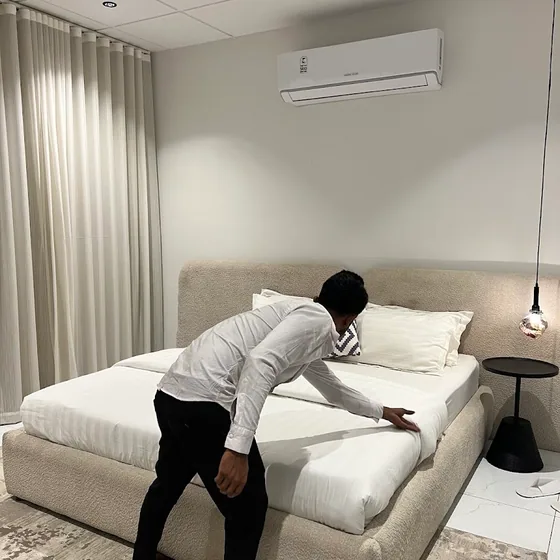
The commitment is simple enough to be keepable: we do not leave until you have seen the result and given your view of it.
East Jeddah lies furthest from the sea and closest to the open ground and hills beyond the ring roads, so the air is drier and the dust is coarser and paler than on the coast. It comes in under doors and settles on every flat surface overnight, making sofas, mattresses and curtains the heaviest part of the routine. Floors are mostly ceramic tile in the apartment districts and marble in the villa areas, both scratched by grit that is mopped rather than swept. Roof tank water leaves a grey film of sediment in baths and basins.
We provide these in Al Safhah too, and more than one can share a single visit.