We test before we wash
Testing the product on a hidden patch is a step we treat as necessary rather than optional.

Kilo 18 is a remote industrial zone on the Old Makkah Road where factories, warehouses and loading yards dominate. Upholstery here faces relentless exposure to heavy engine dust, airborne oils, and moisture from surrounding industrial activity. The cleaning is fundamentally different because the soiling is not household; it is industrial.
Work on furniture in Kilo 18 requires treatment for oils and greases that do not show as obvious stains but degrade texture and trap odour deep in the foam structure. For the method itself, see the full sofa and upholstery cleaning page.
Engine dust and airborne oils from workshops and trucks leave no visible stain at first. Instead they penetrate the yarn itself and shift texture and colour gradually over weeks. Vacuuming alone cannot touch these contaminants. Specialised washing that targets the oil-fibre bond is essential.
Humidity from industrial activity, outdoor storage and nearby irrigation locks dry soils fast to the foam core. The sofa does not air-dry easily, and trapped moisture breeds odour beneath the surface long before it shows on the pile. Heat and pressure extraction becomes critical.
Diesel fumes, machine oils and factory vapours penetrate the inner layers. Surface washing removes nothing. Deep vacuuming and a wash that breaks the oil-to-fibre bond is the only approach that reaches the odour where it lives.
The area lies far from main residential zones, near the Bahrah boundary, within a developed storage and manufacturing strip along the old road. The air carries sustained industrial moisture and contaminants continuously.
Fabric here is contaminated with extremely fine industrial particles, so we test carefully before washing to avoid unexpected shrinkage from chemical shock to the structure.
Deep vacuuming here is not standard dry vacuuming: we use high-pressure equipment to extract oils locked in the lower layers of the foam that normal suction cannot reach.
Washing uses a specialised product designed to break the oil-fibre bond itself, not a general-purpose cleaner. Product choice depends on the fabric type and the oil causing the damage.
Cushions are washed on both faces with extended soak time to allow the specialised product to work on trapped oils, not just surface cleaning of the pile.
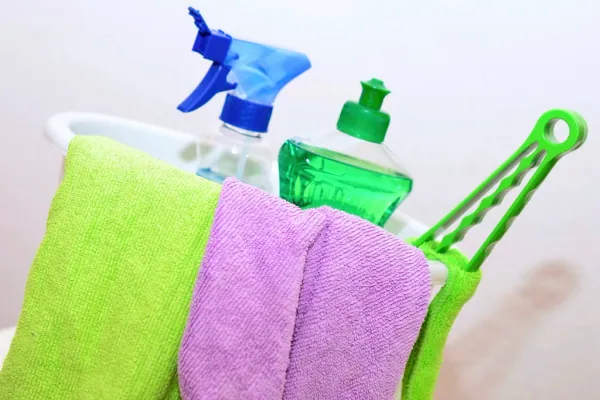
Industrial stains are not treated as ordinary stains: dry particles are vacuumed first, the product applied, then water and oil are extracted together in one phase.
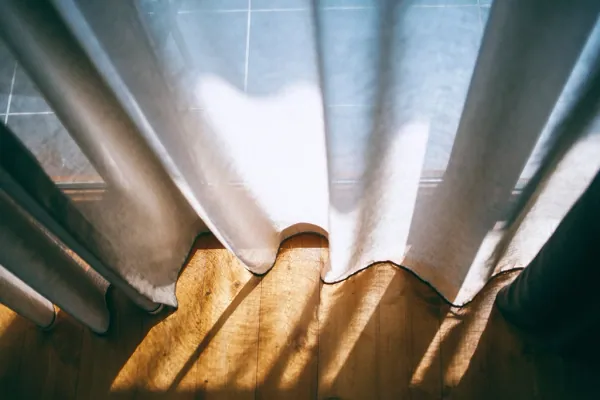
Wet extraction here runs longer and harder than domestic work. Then forced ventilation with powerful fans until the foam is completely dry to the core.
Cotton, velvet, chenille and synthetics do not take the same heat or the same product.
Before any water.
An oil mark is not treated like a juice mark.
We wash with the method that suits the fabric.
The piece is left slightly damp, never wet.
We go over the pieces with you before leaving.
Testing the product on a hidden patch is a step we treat as necessary rather than optional.
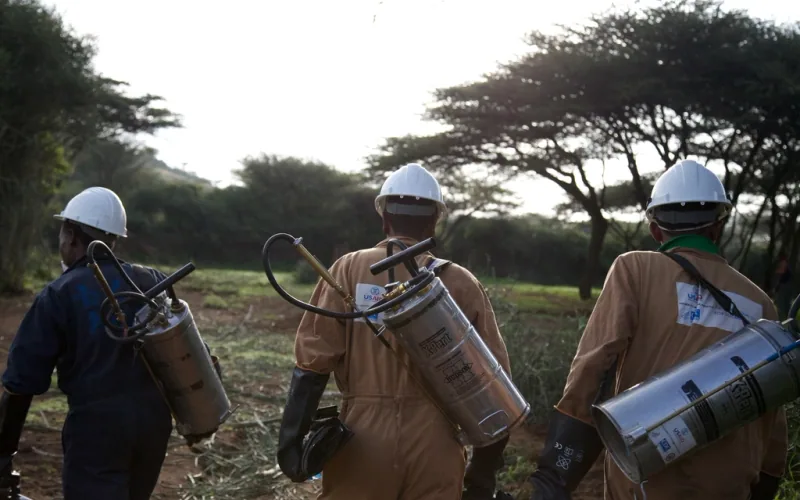
The company employs more than forty cleaners, and we send a crew rather than an individual.
The washing and extraction machines are ours and travel with the crew.
If a piece needs reupholstering rather than washing, we say so.
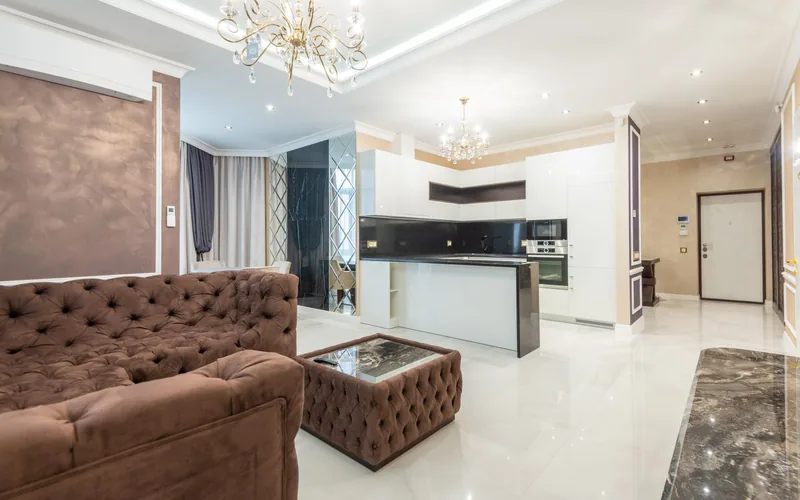
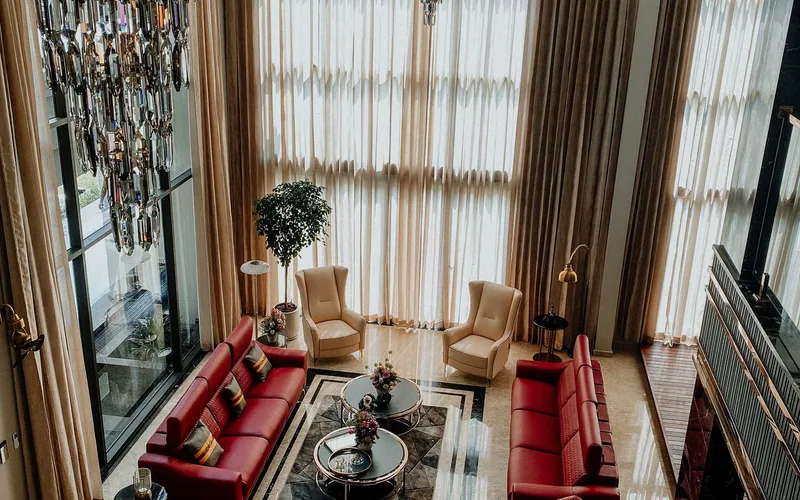
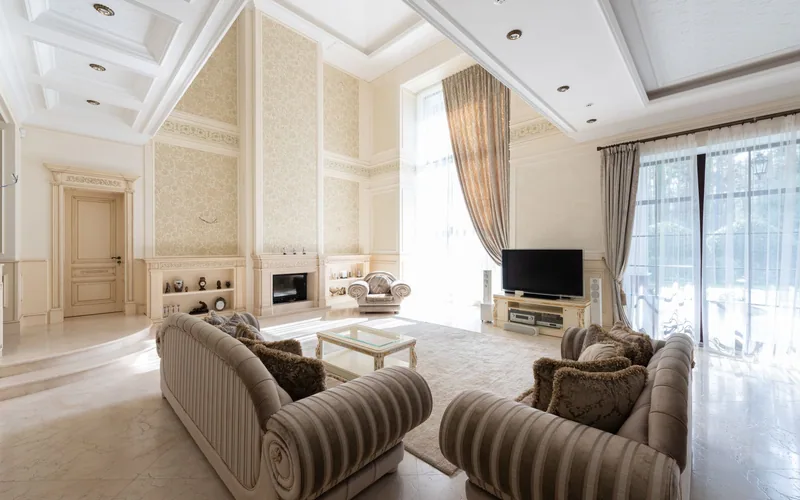
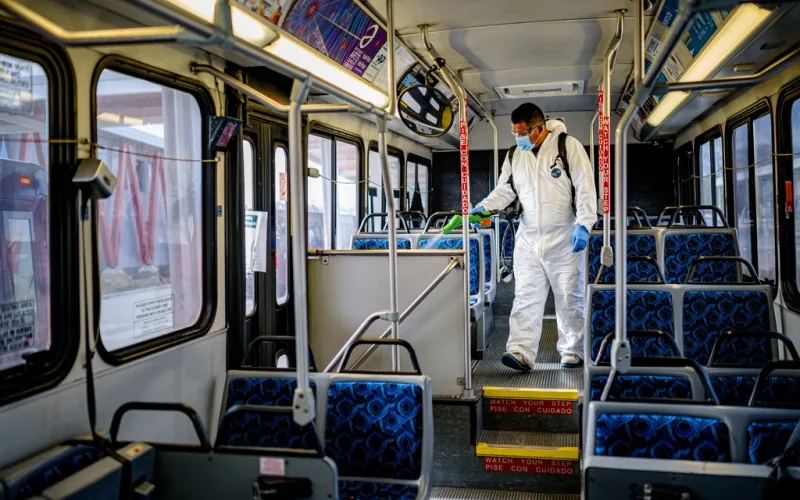
Photographs from real jobs carried out by the crew.
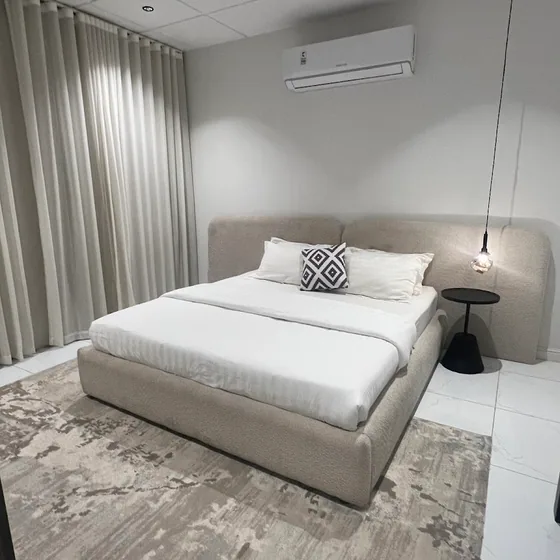
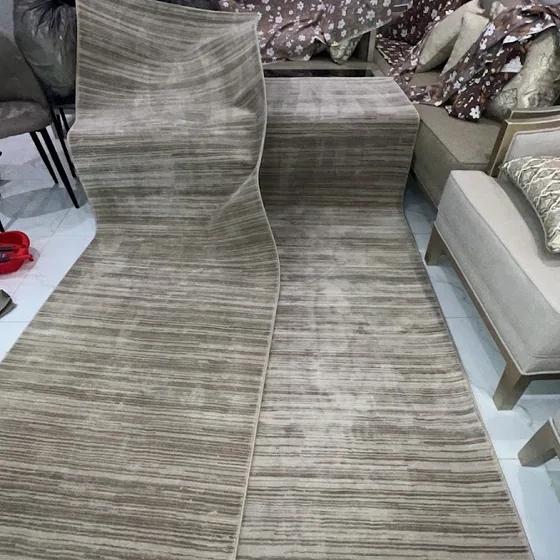
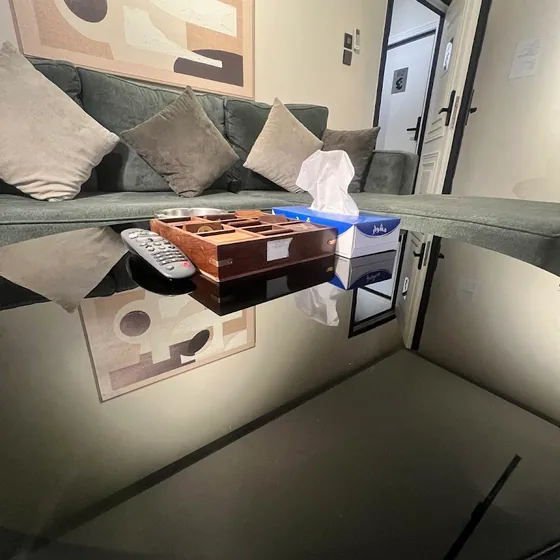
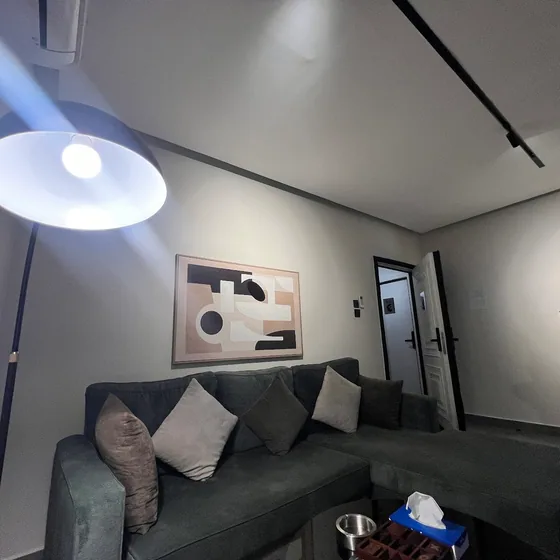
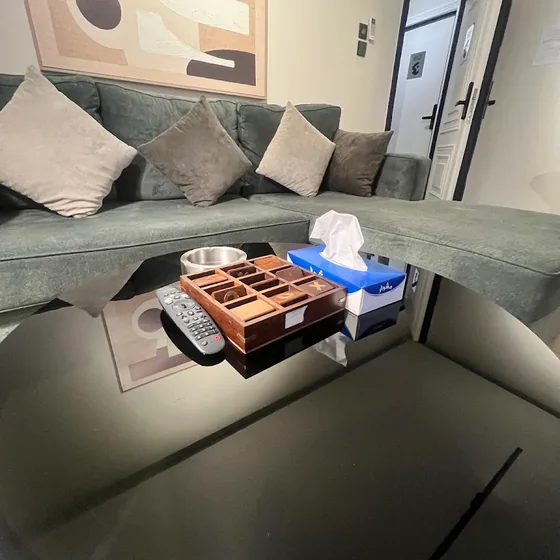
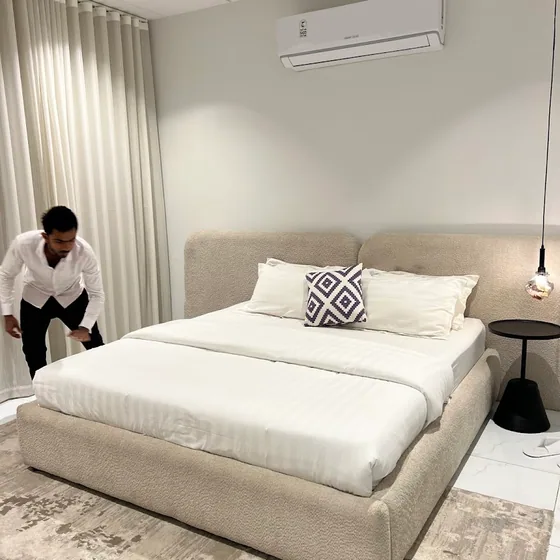
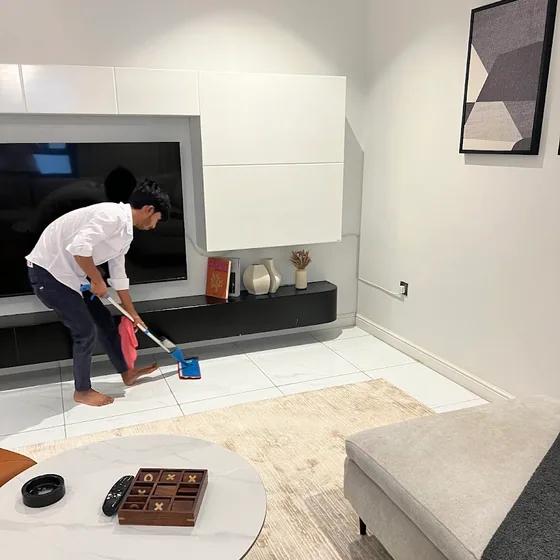
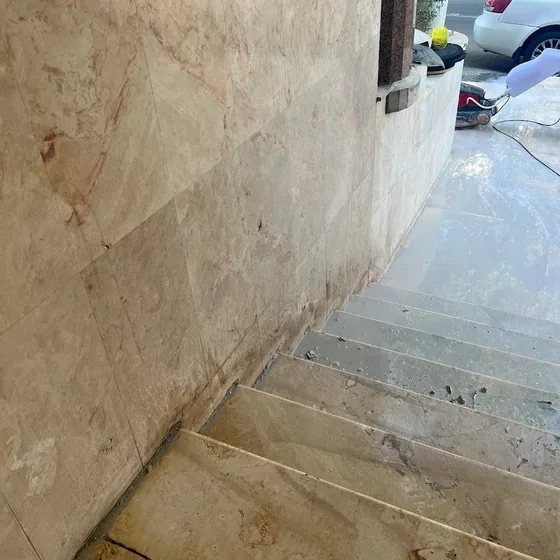
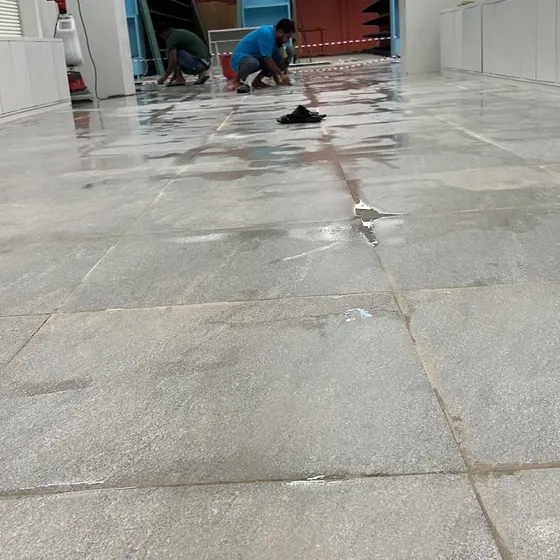
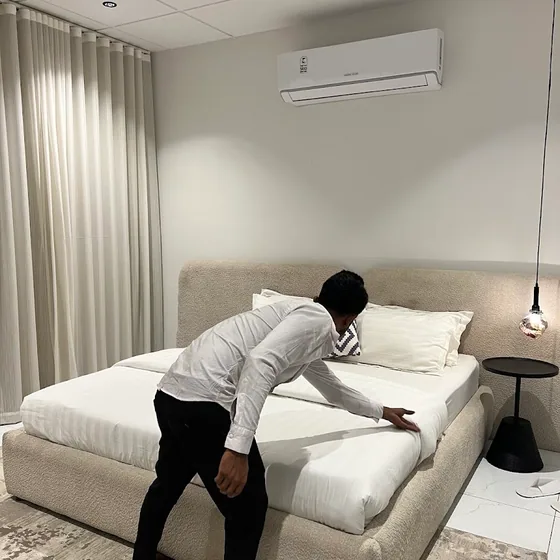
The commitment is simple enough to be keepable: we do not leave until you have seen the result and given your view of it.
Industrial area: workshops, warehouses and loading yards
An industrial zone means upholstery faces heavy, oily contaminants every single day. We do not treat symptoms alone; we break the bond between the oils and the yarn itself. This requires equipment and steps that would never be used in standard domestic cleaning.
We provide these in Kilo 18 too, and more than one can share a single visit.