We test before we wash
Testing the product on a hidden patch is a step we treat as necessary rather than optional.

Al Sahel is an emerging coastal district in south Jeddah near Al Saif Corniche. Homes here sit between the sea and heavy traffic routes, and the dust is darker and oilier than in the north. A mix of diesel soot and workshop particles clings to curtains and sofas. Salt and humidity work together to make fabrics feel heavier and darken faster.
Furniture here feels heavy from oily soot even though it does not look visibly dirty. Net curtains darken rapidly and the bottom edges accumulate dark sediment where moisture pools. For the method itself, see our guide to sofa and upholstery cleaning.
Port trucks and the heavy goods routes south of Jeddah produce oily diesel soot that differs from fine dust. It embeds in curtains and sofas at a deeper level. Vacuuming alone cannot remove it, and washing with the right product dissolves the oil from the fibres.
Coastal air traps oily soot on fabric and slows drying. Salt increases the grip of particles on the material. Floors and curtains blacken faster here than in northern neighbourhoods where air is drier.
Coastal humidity is always high, and soot clogs the pores of sofas and curtains. Mildew and musty smells appear quickly in stored fabrics and bathrooms positioned near upholstered furniture.
On the southern coast between the port and the middle ring road, the district is developing with modern infrastructure but the air carries heavy soot from ship traffic and commercial vehicles.
Sofa fabrics in industrial coastal areas may have accumulated oily soot, so we test a hidden area first before washing to ensure products are safe for the material.
Deep dry vacuuming removes soot particles and fine grit from the foam base before any water touches the upholstery surface.
Washing with a product that targets oily soot ensures the oil is lifted from the fibres without damaging the fabric structure itself.
Cushions accumulate soot quickly, so we wash both faces to remove oily deposits from every surface and corner.
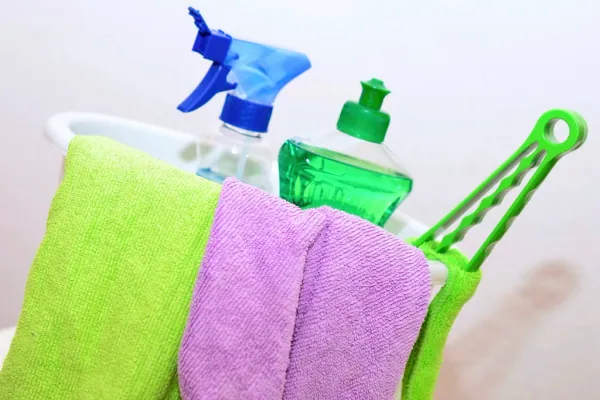
Soot and oil stains are treated with their specific product before the general wash to prevent an oily film remaining after drying.
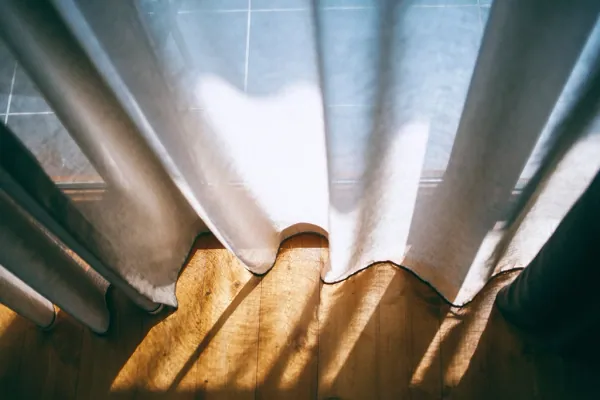
Ventilation and precise humidity control after washing are critical because coastal humidity will re-deposit soot if moisture is not managed carefully.
Cotton, velvet, chenille and synthetics do not take the same heat or the same product.
Before any water.
An oil mark is not treated like a juice mark.
We wash with the method that suits the fabric.
The piece is left slightly damp, never wet.
We go over the pieces with you before leaving.
Coastal area: high humidity and salt air through the year
Coastal industrial areas combine oily soot, humidity and salt exposure together. Sofas here need specialised soot treatment and precise humidity management after washing to prevent mildew returning.
Testing the product on a hidden patch is a step we treat as necessary rather than optional.
The company employs more than forty cleaners, and we send a crew rather than an individual.
The washing and extraction machines are ours and travel with the crew.
If a piece needs reupholstering rather than washing, we say so.
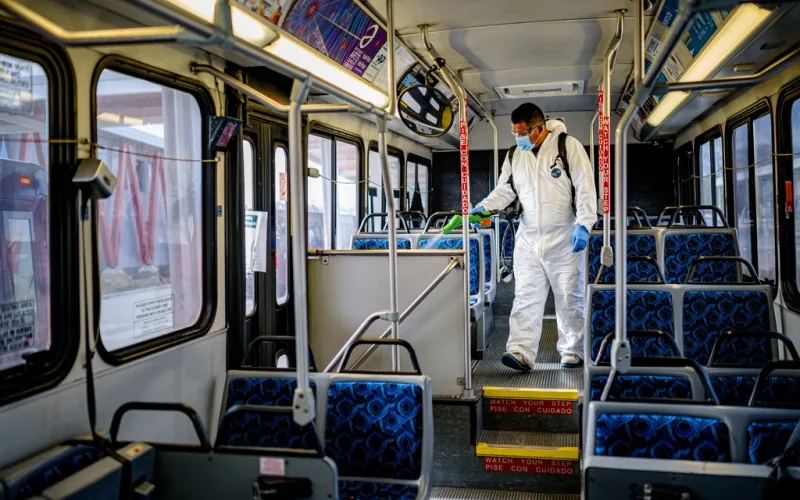
Photographs from real jobs carried out by the crew.
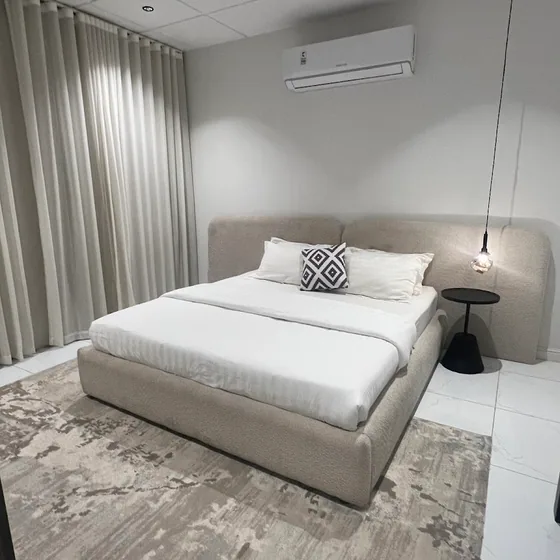
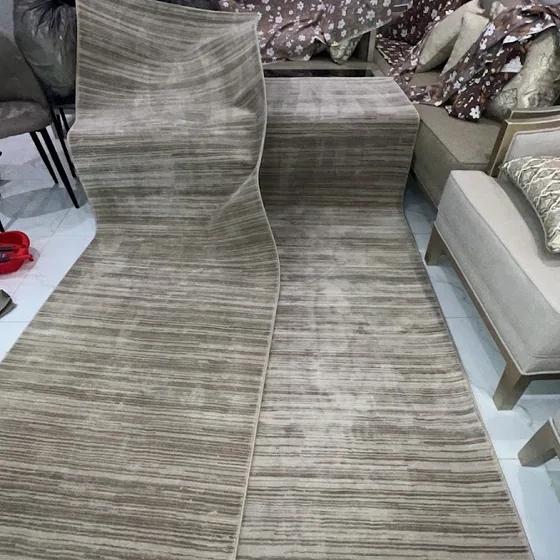
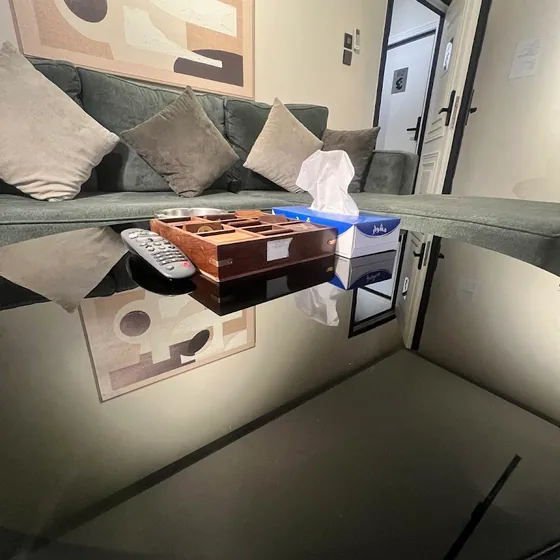
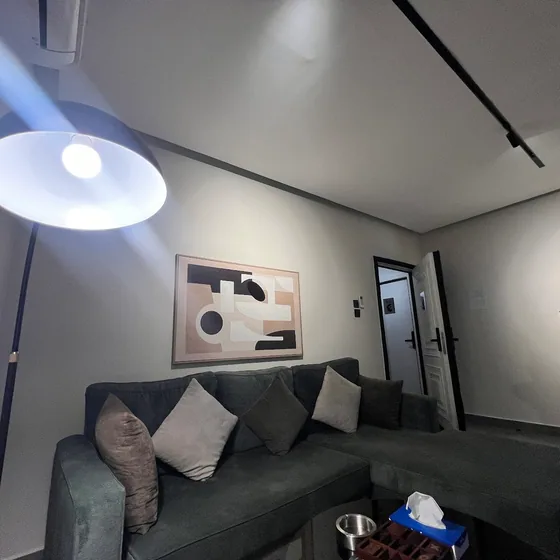
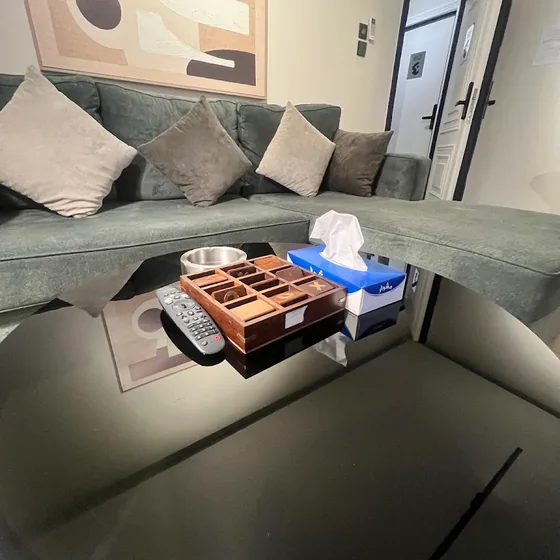
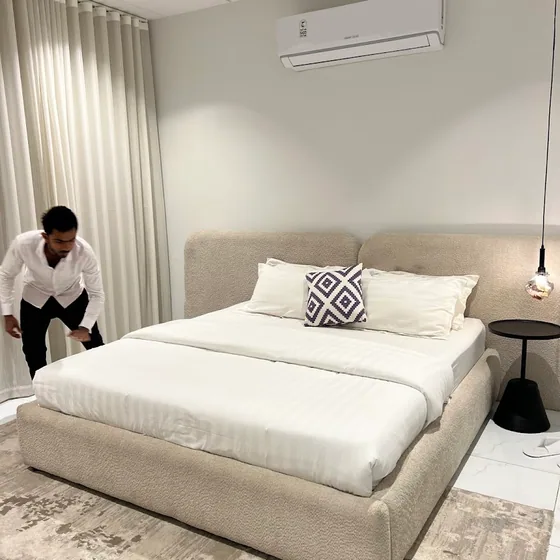
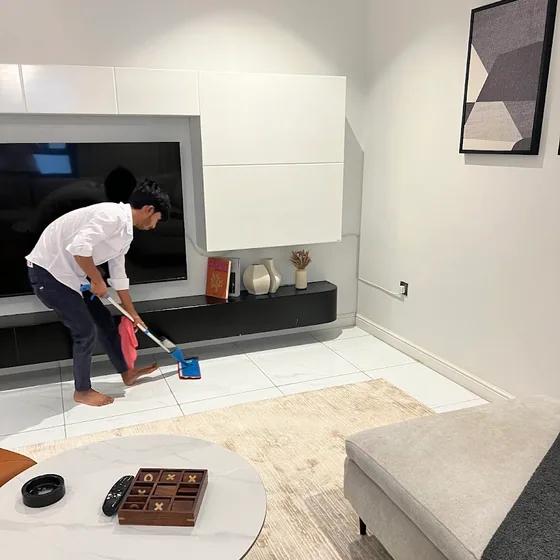
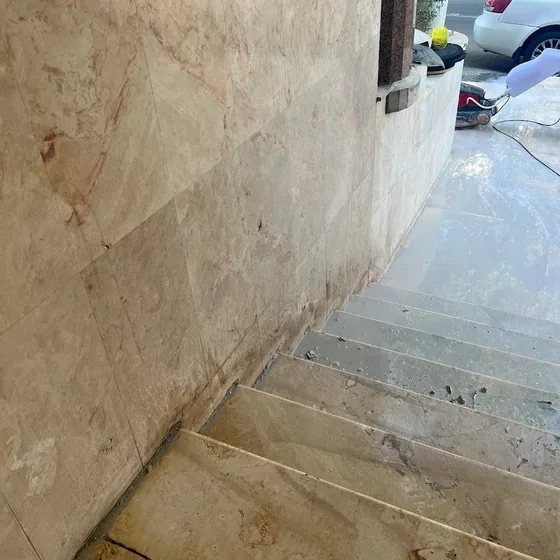
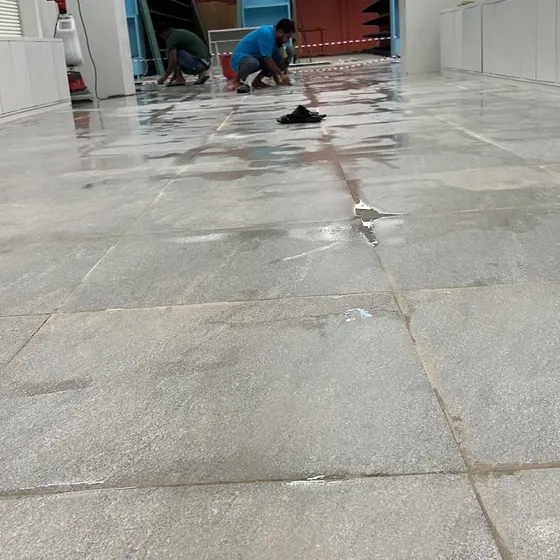
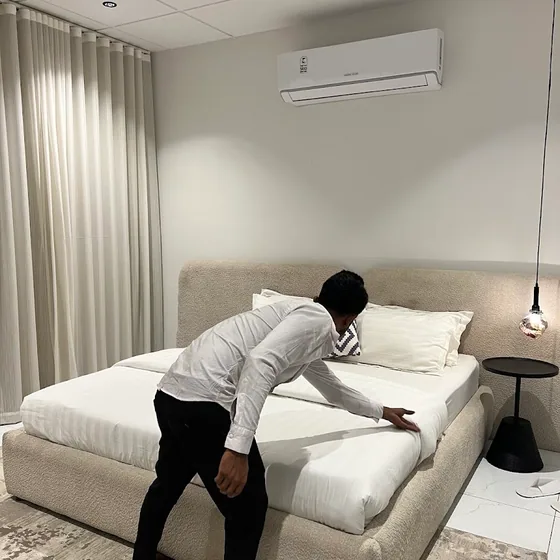
The commitment is simple enough to be keepable: we do not leave until you have seen the result and given your view of it.
South Jeddah runs from the port and the industrial city down towards Al Khumrah, and homes here sit between the sea and the heavy goods roads. The dust is darker and oilier than in the north, a mix of diesel soot and workshop grit, and it clings to net curtains, window sills and the tops of kitchen cupboards. Floors in the older low rise housing are often plain cement or ceramic tile that darkens where soot is walked in. Humidity from the coast adds mildew in bathrooms and a musty smell in stored fabrics.
We provide these in Al Sahel too, and more than one can share a single visit.