We test before we wash
Testing the product on a hidden patch is a step we treat as necessary rather than optional.
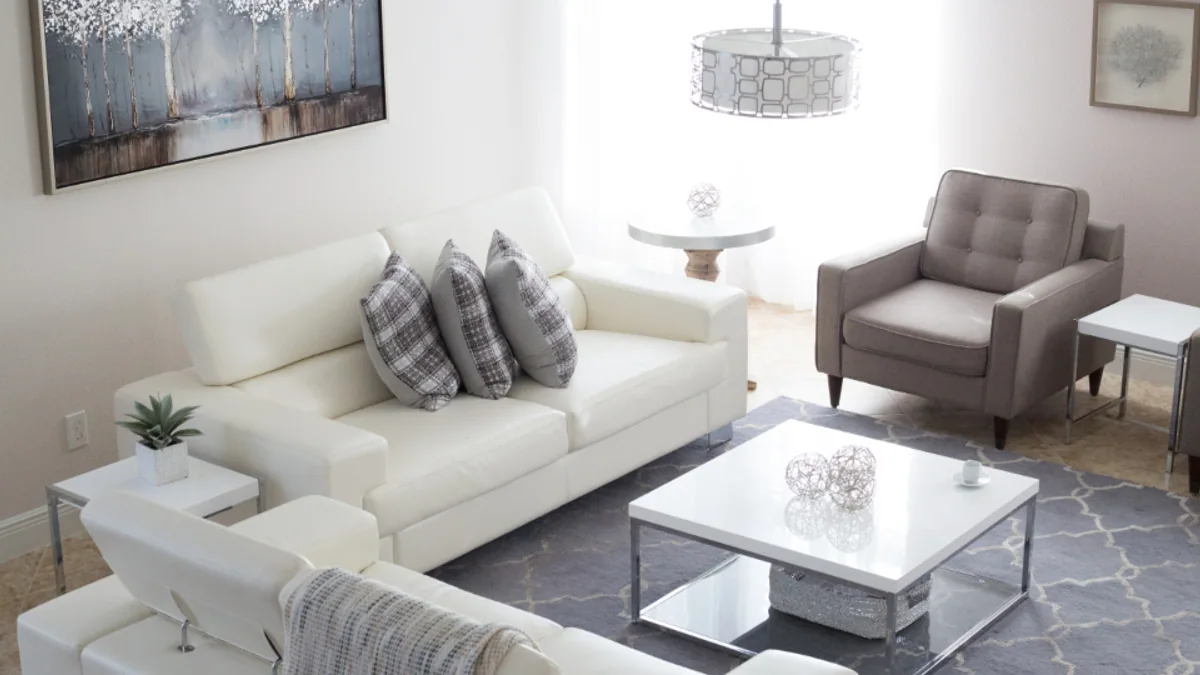
Kilo 14 is a mixed industrial area: car repair workshops, warehouses and dense informal housing for migrant workers, near the Jeddah Makkah Expressway and Old Makkah Road. Your sofa absorbs car oil and workshop smoke, plus salt and moisture from the nearby coast. The old home, tight flat and polluted air mean a different kind of clean than purely residential quarters.
Car oil, workshop smoke and salt together mean a single sofa may need multi-stage treatment. Stale air traps musty smell in furniture fast. For the method itself, see how we approach sofa and upholstery cleaning.
Kilo 14 has many car repair shops, and engine oil and grease become airborne. This oil settles on sofas and curtains. Ordinary cleaning does not remove oil. Washing in warm water with special cleaners lifts the oil from the fibres. An oil stain may need separate treatment before the general wash.
Tight, unplanned streets mean air does not move. Workshop smoke, car exhaust and expressway fumes hang in the air. The sofa absorbs it fast and the smell lodges deep. Washing removes some of it, but steady ventilation after washing is essential.
An old informal flat close to the coast picks up salt with the moisture. Old sofa fabric and already weakened fibres suffer faster than new ones. Salt and oil together speed up wear. Washing cleans it, but regular care protects the sofa.
An industrial area on Old Makkah Road at the far southeastern edge of Jeddah, combining car repair workshops and spare parts shops with dense informal residential housing. Inner streets are unplanned, and pollutants from workshops and the expressway are heavy.
Black dust and oil cling to the fibres together, so we test the sofa on a small area before we wash the whole piece.
Deep dry vacuuming lifts dust and light oil before water comes in, so the oil does not spread across the rest.
Washing focuses on removing oil and salt together, and warm water is needed to dissolve the oil.
Cushions are washed in warm water with special oil cleaners, and rinsing is thorough.

Oil stains need separate treatment before the general wash, and other stains are treated with different products.
Wet extraction removes water and leftover oil, and steady ventilation after washing is essential.
Cotton, velvet, chenille and synthetics do not take the same heat or the same product.
Before any water.
An oil mark is not treated like a juice mark.
We wash with the method that suits the fabric.
The piece is left slightly damp, never wet.
We go over the pieces with you before leaving.
Industrial area: workshops, warehouses and loading yards
Industrial means your sofa faces car oil, workshop smoke and salt from the coast all at once. An old informal home and stale air mean smells settle faster. Cleaning here focuses on removing oil and salt deep, not just surface dust.
Testing the product on a hidden patch is a step we treat as necessary rather than optional.
The company employs more than forty cleaners, and we send a crew rather than an individual.
The washing and extraction machines are ours and travel with the crew.
If a piece needs reupholstering rather than washing, we say so.
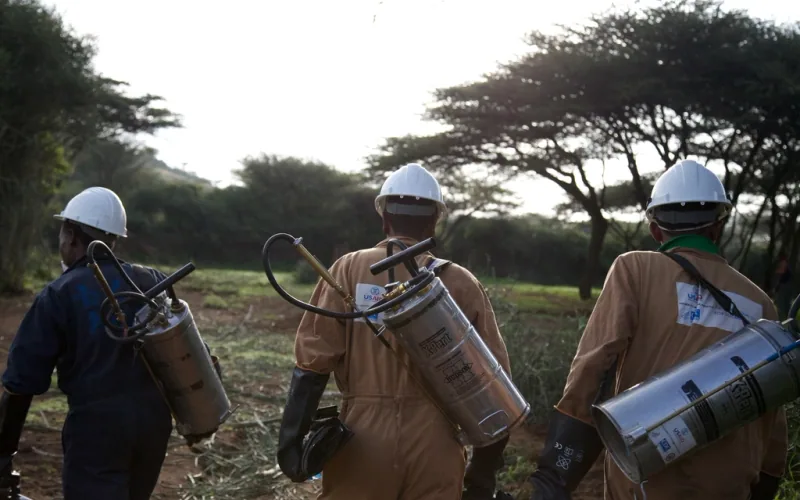
Photographs from real jobs carried out by the crew.
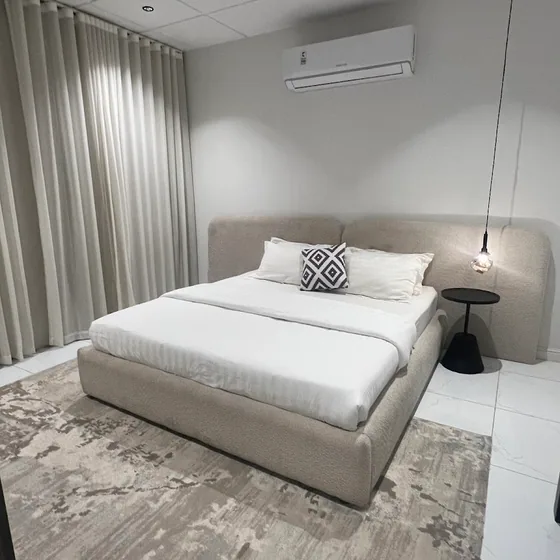
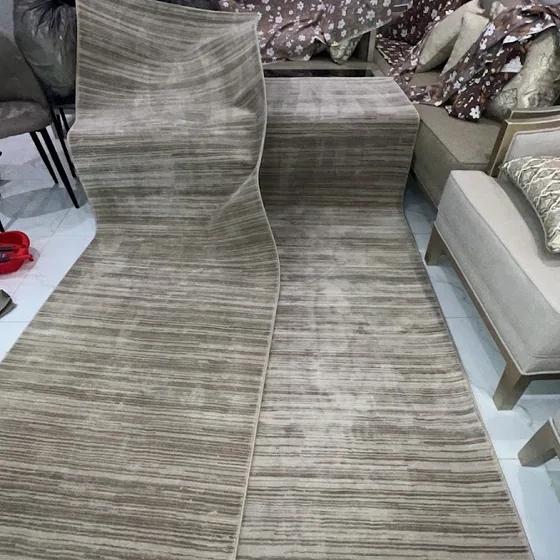
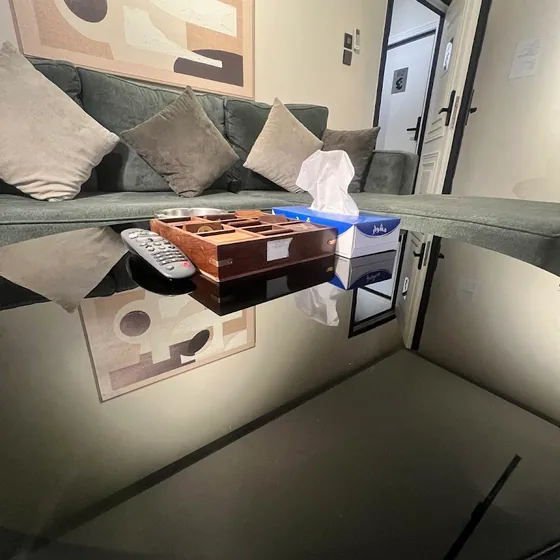
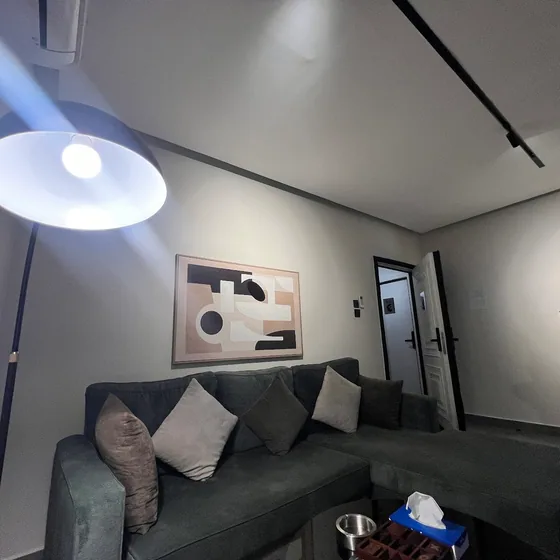
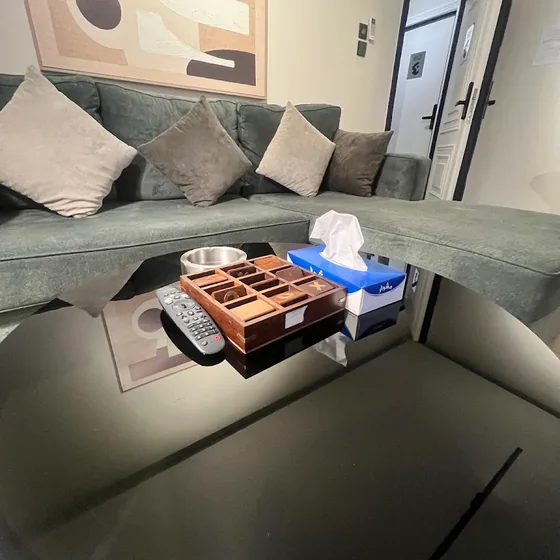
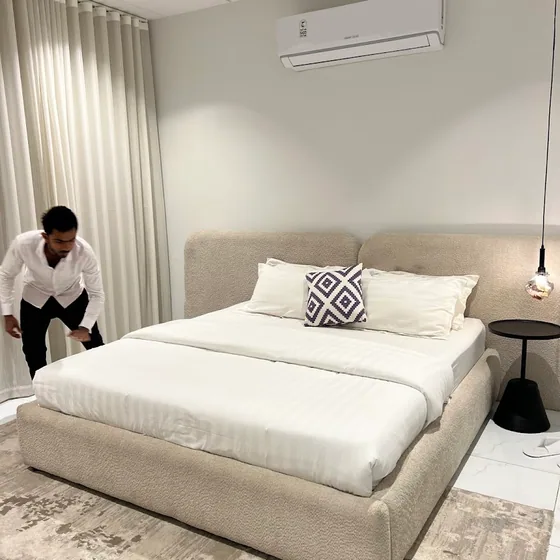
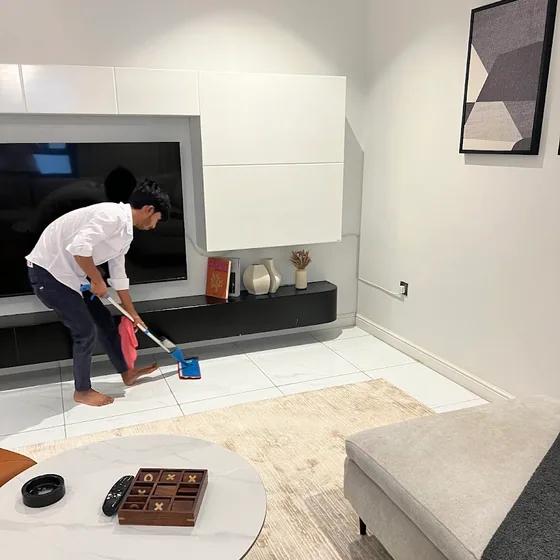
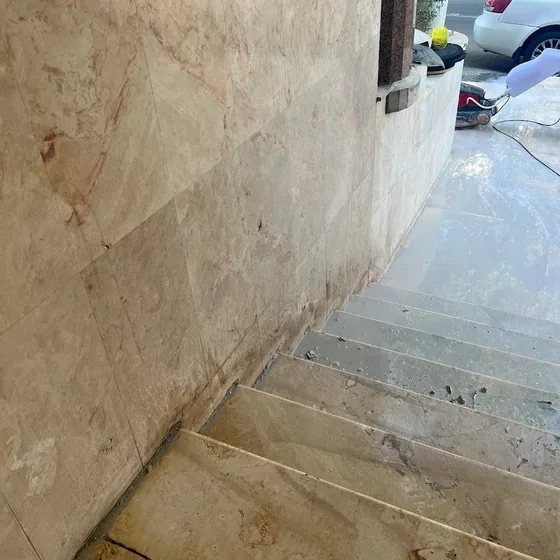
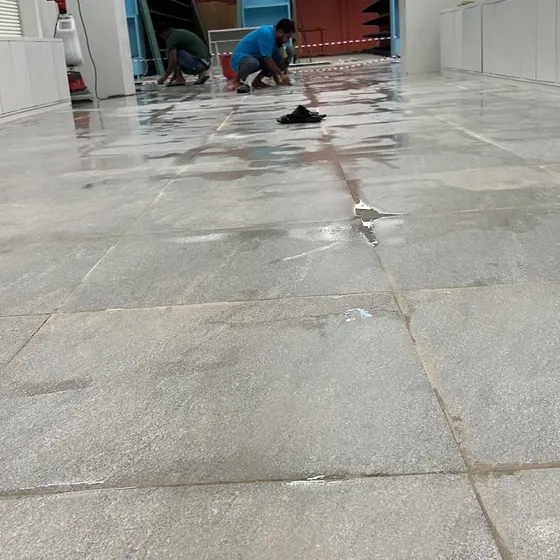
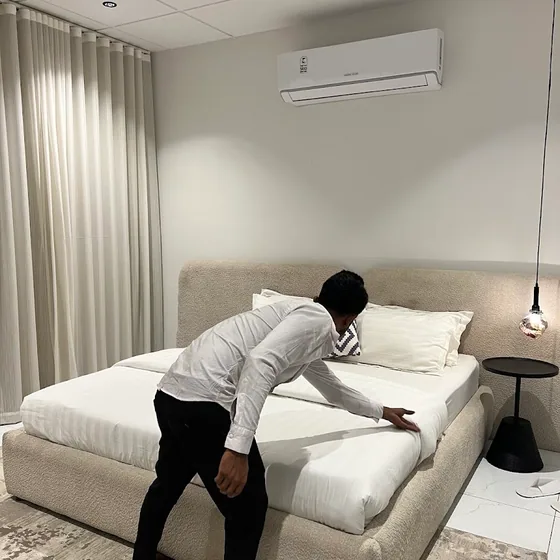
The commitment is simple enough to be keepable: we do not leave until you have seen the result and given your view of it.
South Jeddah runs from the port and the industrial city down towards Al Khumrah, and homes here sit between the sea and the heavy goods roads. The dust is darker and oilier than in the north, a mix of diesel soot and workshop grit, and it clings to net curtains, window sills and the tops of kitchen cupboards. Floors in the older low rise housing are often plain cement or ceramic tile that darkens where soot is walked in. Humidity from the coast adds mildew in bathrooms and a musty smell in stored fabrics.
We provide these in Kilo 14 too, and more than one can share a single visit.