We test before we wash
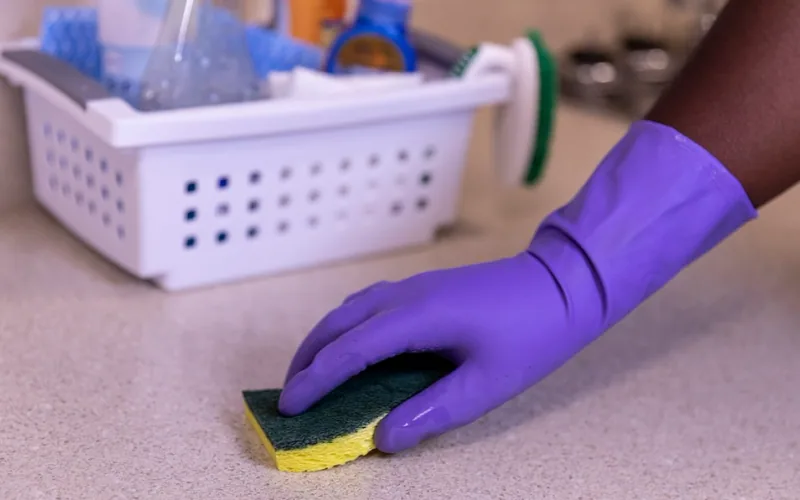
Testing the product on a hidden patch is a step we treat as necessary rather than optional.

Mareekh is a small district in east Jeddah at the foot of the Mareekh Mountains close to Wadi Al Qaws, the valley responsible for Jeddah's 2009 flood. The air here is drier than the coast but the dust is coarser and lighter in colour, entering through door gaps and window edges and settling on every surface overnight. Sofas become progressively heavier from years of fine sand accumulation.
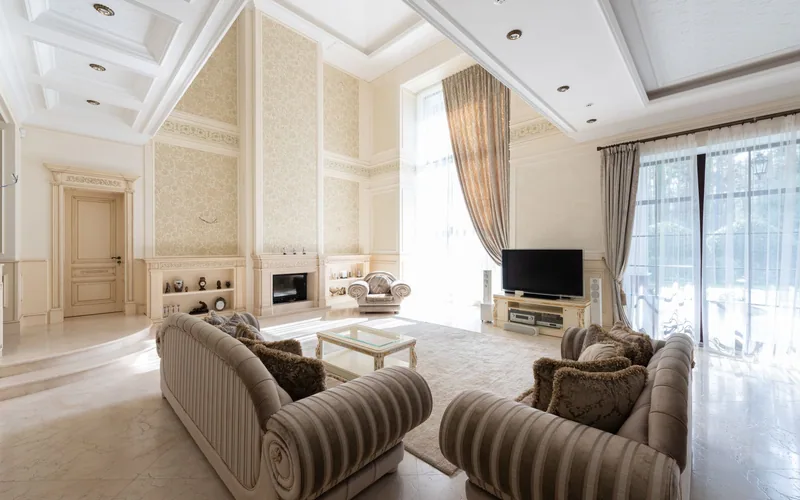
Fine sandy dust settles on sofas and curtains rapidly even with regular cleaning. Humidity is lower than the coast, but the drying process leaves a grey film of fine grit on the fabric surface. For the method itself, see how we approach sofa and upholstery cleaning.
The Mareekh Mountains surrounding the district carry red, coarse dust unlike fine sand. It enters under doors and through window seals even when closed. Deep vacuuming extracts particles from the foam base before washing begins.
Apartment floors are ceramic tile and villa floors marble, both scratched by the fine grit walked through doors. This same grit embeds in sofa fibres and collects in the foam. Cushions and bases need special attention to remove these mineral particles.
Wadi Al Qaws is a natural water channel and moisture path. Even without flooding, seasonal humidity enters homes. Sofas absorb moisture from the air more quickly here than in other neighbourhoods inland.
Part of the hills and valley belt east of the city, the district sits near the course of Wadi Al Qaws. The terrain is elevated and the air carries dust from the surrounding mountains and open roads into every home.
Sofa fabrics in the mountain area may carry fine stone dust, so we test a hidden area first before full washing to ensure the material is safe with water.
Deep dry vacuuming removes fine grit and coarse sandy particles from the foam layer before any moisture reaches the upholstery surface.
Washing with the suitable product dissolves fine dust and stone sediment from the fibres and carries it away with the water extraction.
Cushions collect stone and grit particles from the floors, so we wash both faces to remove particles from every surface and edge.

Soil and stone stains are treated by type before the general wash to ensure no earth marks remain after drying.
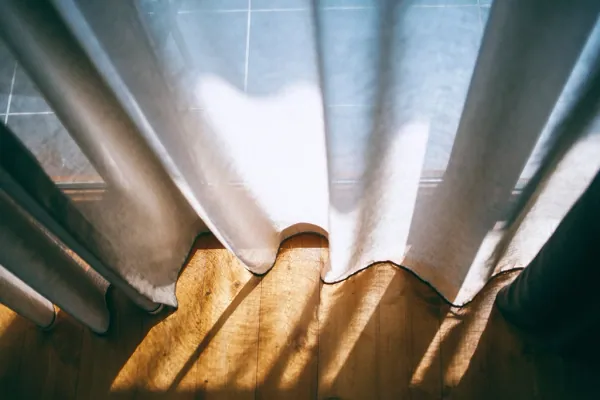
Ventilation after washing is critical because seasonal wadi moisture may re-enter the sofa, so we control drying carefully to prevent re-absorption.
Cotton, velvet, chenille and synthetics do not take the same heat or the same product.
Before any water.
An oil mark is not treated like a juice mark.
We wash with the method that suits the fabric.
The piece is left slightly damp, never wet.
We go over the pieces with you before leaving.
Testing the product on a hidden patch is a step we treat as necessary rather than optional.
The company employs more than forty cleaners, and we send a crew rather than an individual.
The washing and extraction machines are ours and travel with the crew.
If a piece needs reupholstering rather than washing, we say so.
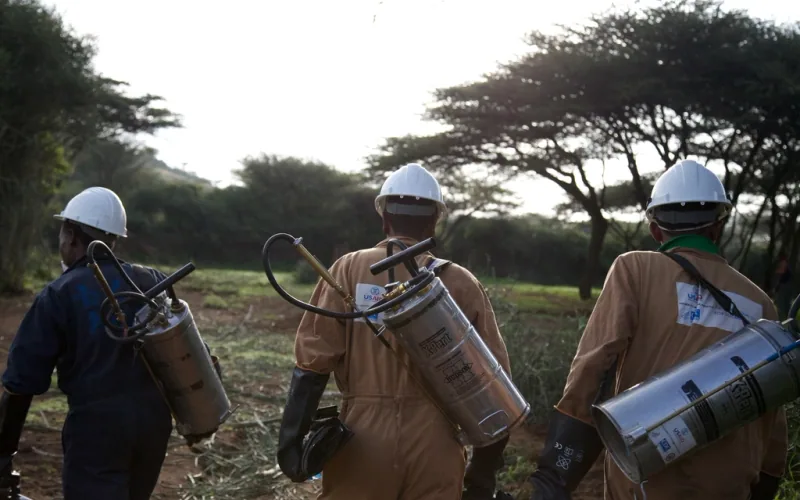
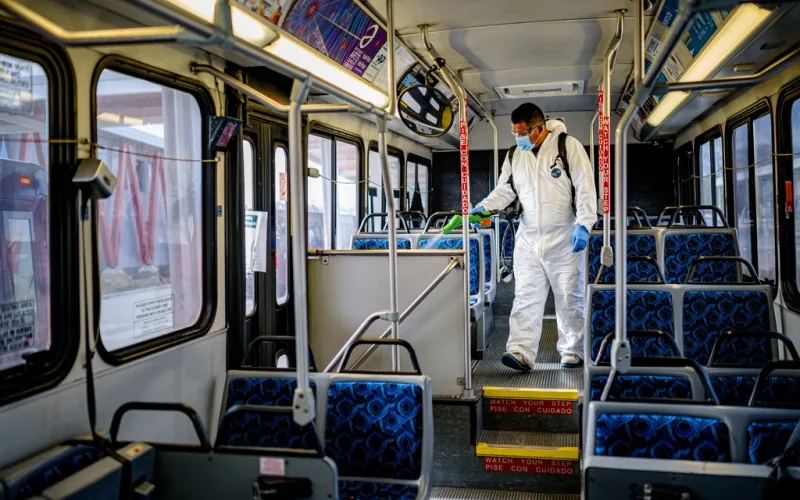
Photographs from real jobs carried out by the crew.
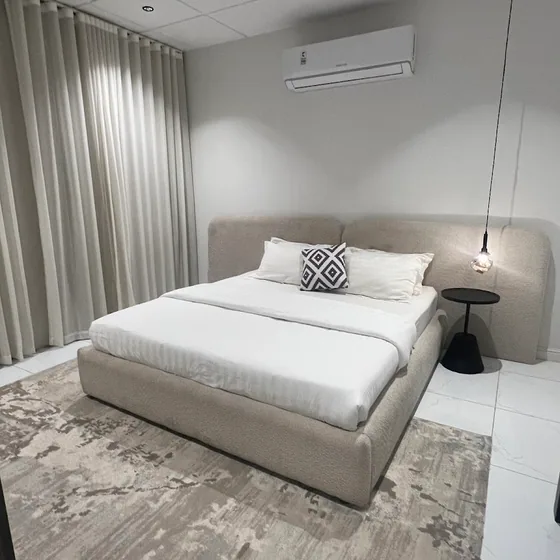
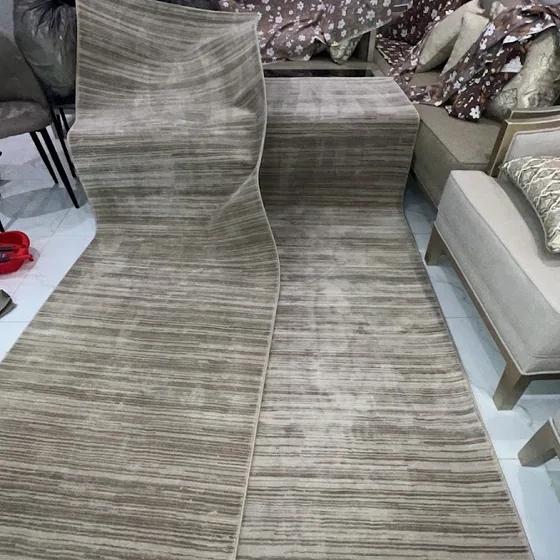
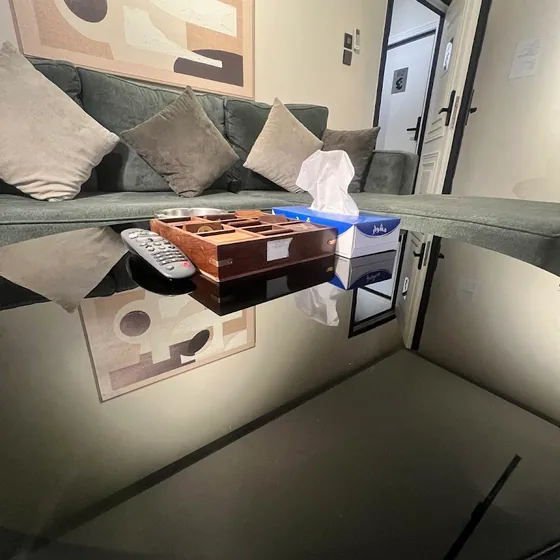
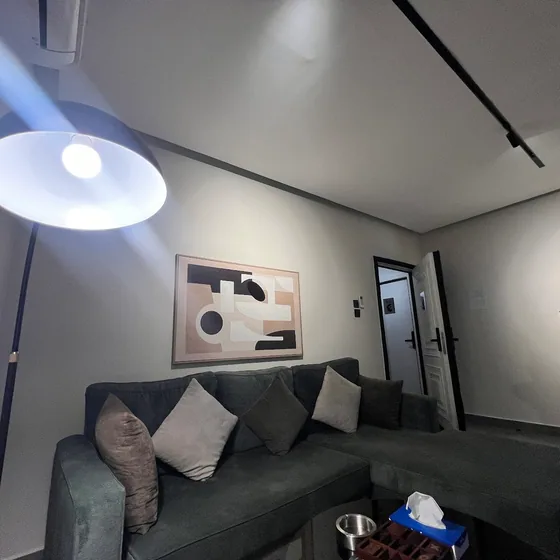
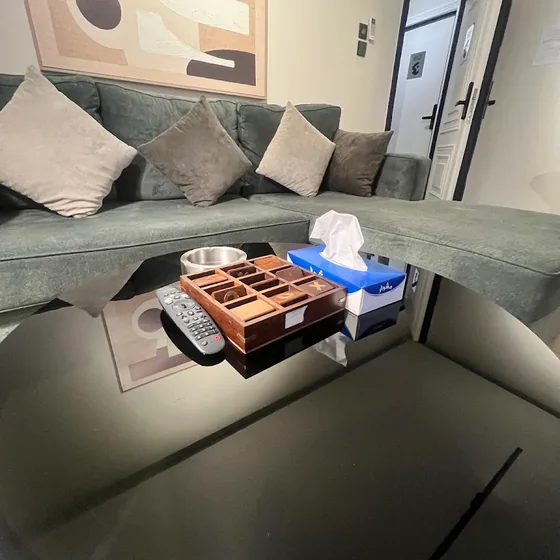
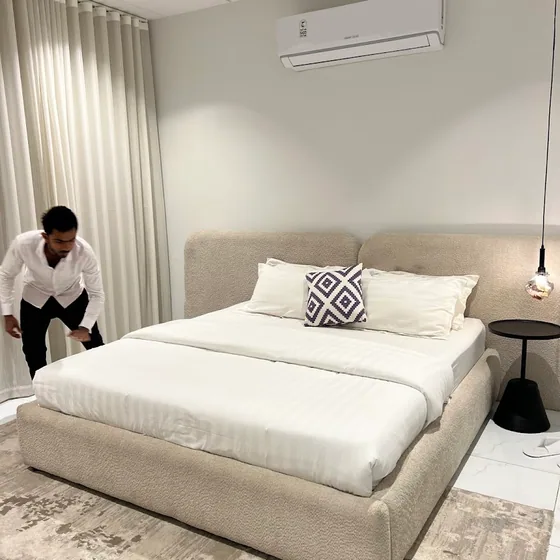
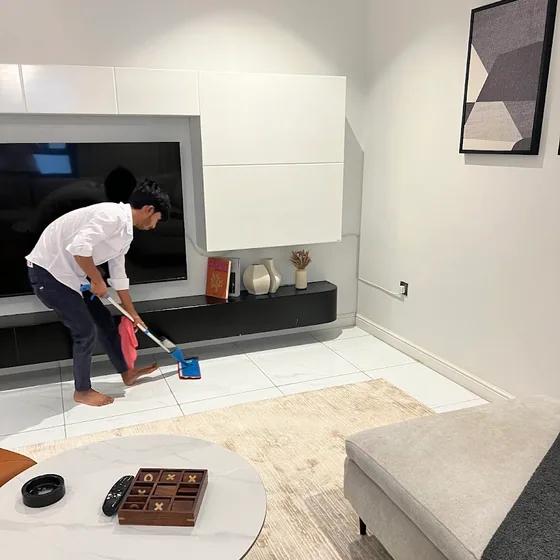
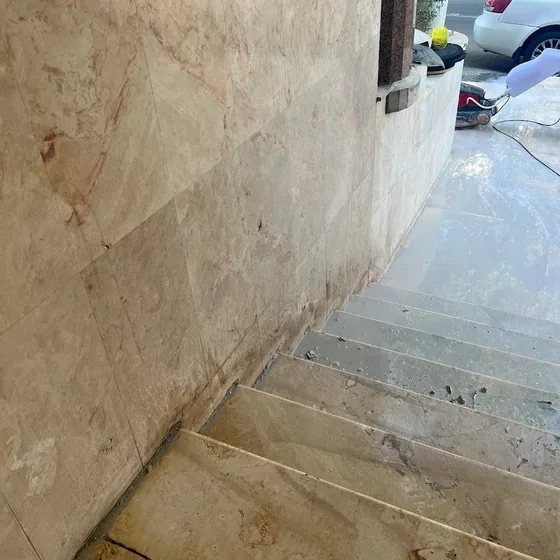
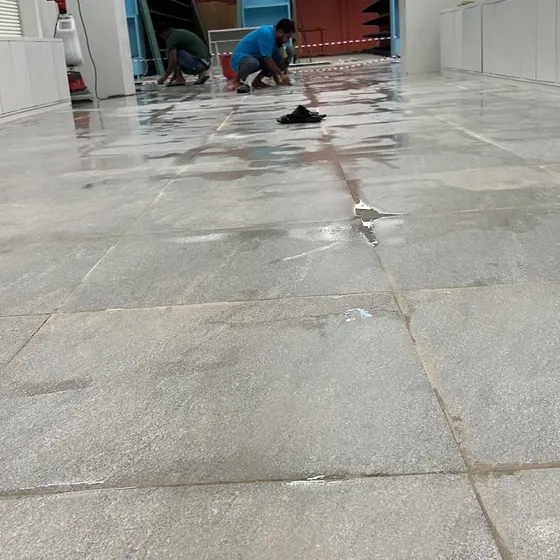
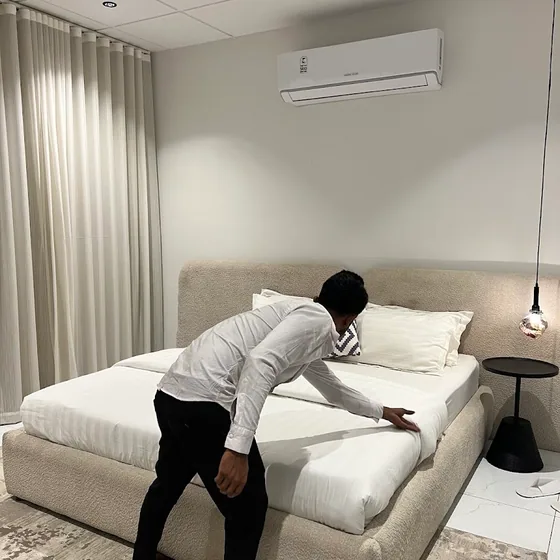
The commitment is simple enough to be keepable: we do not leave until you have seen the result and given your view of it.
East Jeddah lies furthest from the sea and closest to the open ground and hills beyond the ring roads, so the air is drier and the dust is coarser and paler than on the coast. It comes in under doors and settles on every flat surface overnight, making sofas, mattresses and curtains the heaviest part of the routine. Floors are mostly ceramic tile in the apartment districts and marble in the villa areas, both scratched by grit that is mopped rather than swept. Roof tank water leaves a grey film of sediment in baths and basins.
We provide these in Mareekh too, and more than one can share a single visit.