We test before we wash
Testing the product on a hidden patch is a step we treat as necessary rather than optional.
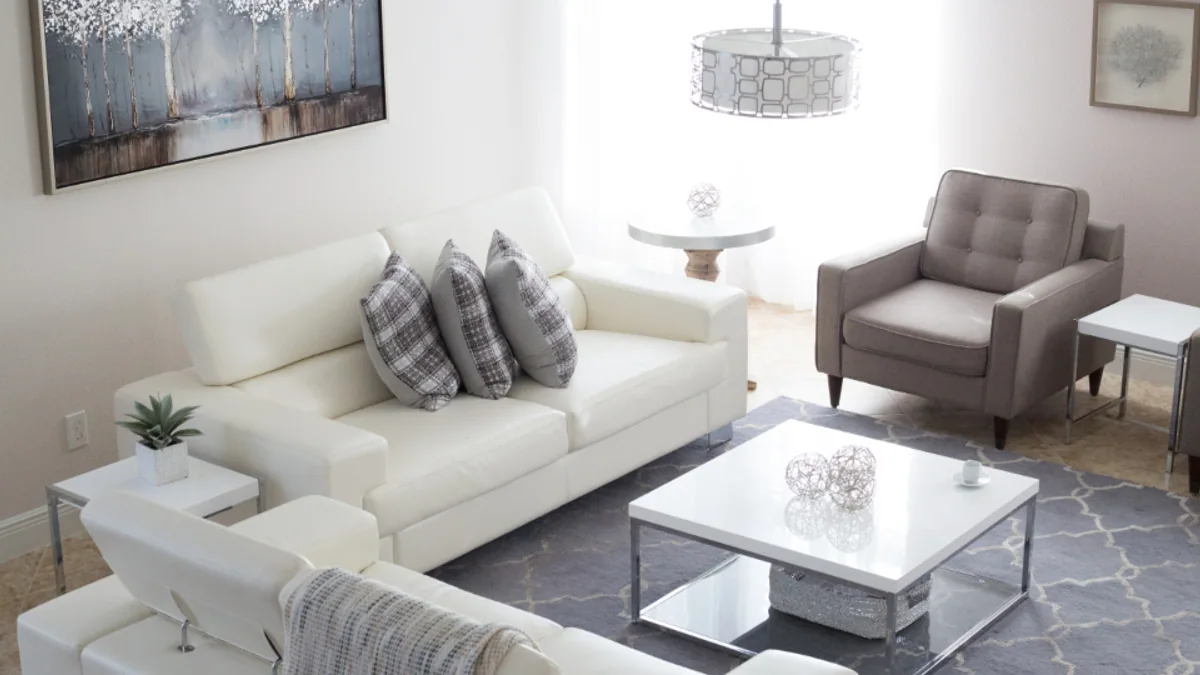
Al Quraniyah is a mixed district where shops operate at street level with homes stacked above, alongside older villas and rental flats. The sofas here face a particular challenge: a blend of oily diesel soot and workshop grit from the nearby roads and industrial area, which clings to fabric and requires close inspection before any washing method is chosen, because the fabric type determines how it can be safely treated.
Cement and tile floors in older homes darken visibly from soot that is walked through daily. Sofas above those floors absorb the same contaminants and hold odours longer than in areas without the diesel haze. For the method itself, see our sofa and upholstery cleaning service in detail.
The mix of diesel soot and workshop particles does not respond to water alone. Fabric holds diesel odour and oily residue even after deep vacuuming. Dry extraction first removes the grit, then washing with a degreasing product matched to the fabric type, always after testing the underside to confirm it will not be damaged by the process.
Homes near the coast maintain high humidity, and sofas in bedrooms and sitting areas absorb moisture even when the surface feels dry. Wet extraction after washing pulls water from deep within the foam, and controlled ventilation before we leave is critical to prevent musty smells from returning within days.
Upper-floor flats above commercial spaces face daily exposure to smoke, dust and cooking odours that settle into upholstery. Sofas need more frequent washing, and cleaning targets odour removal from inside the foam, not just the visible surface, because the smell returns fast when the fabric remains damp.
The district sits between the port and the heavy goods routes, so dark oily dust clings to net curtains, window sills and kitchen tops. Coastal humidity adds mildew in bathrooms and musty smells trapped in stored fabrics and upholstery.
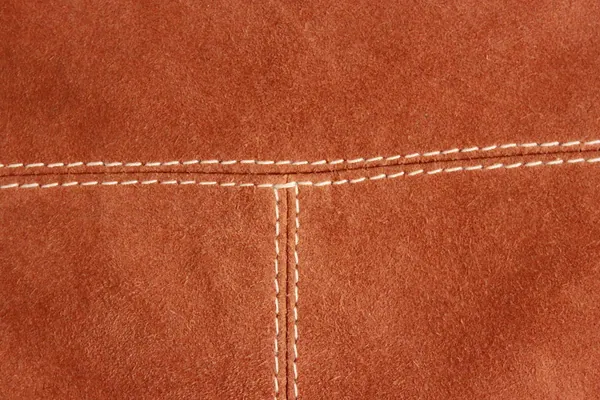
Fabric in flats above shops carries extra oils and soot that demand careful testing to confirm it tolerates warm water without bleeding colour or weakening.
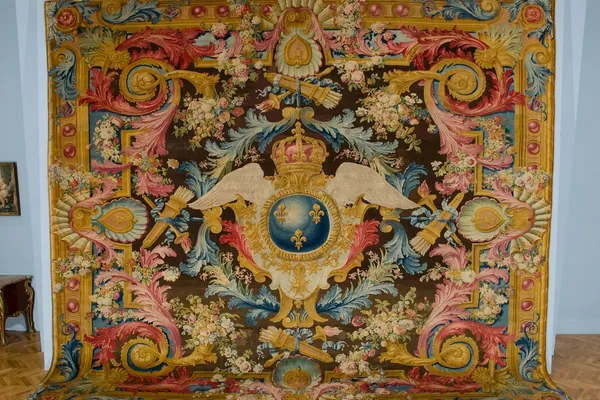
Deep dry vacuuming removes the grit and particles from diesel soot before any water touches the weave, preventing the oily residue from spreading as the fabric becomes damp.
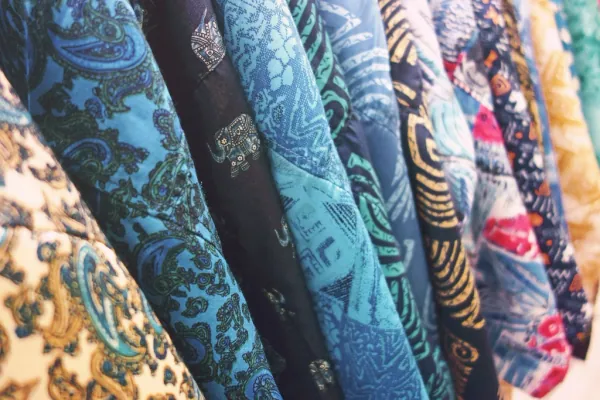
Washing with a degreasing product is more critical in Al Quraniyah than in other districts because diesel soot penetrates the foam layer and plain detergent does not break the oils.
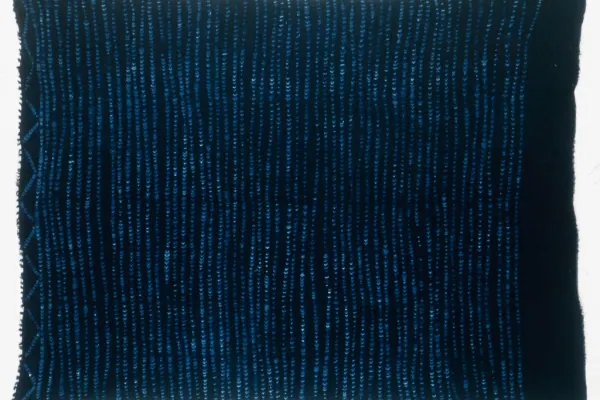
Cushions on both faces are washed with the same degreasing product, especially if they have absorbed odour from commercial activity in the building below.
Oily stains from the sofa and majlis are treated differently from dry marks because the fats are set deep in the weave and need targeted chemistry.
Wet extraction pulls water from inside the foam, and controlled ventilation before we leave is essential in this humid environment to prevent mildew smell from developing as the sofa dries.
Cotton, velvet, chenille and synthetics do not take the same heat or the same product.
Before any water.
An oil mark is not treated like a juice mark.
We wash with the method that suits the fabric.
The piece is left slightly damp, never wet.
We go over the pieces with you before leaving.
The district sits between Al Lith Road and Al Qurayniyah Market, so we plan access and work timing around these focal points and the traffic and congestion patterns that peak near them during business hours.
Testing the product on a hidden patch is a step we treat as necessary rather than optional.
The company employs more than forty cleaners, and we send a crew rather than an individual.
The washing and extraction machines are ours and travel with the crew.
If a piece needs reupholstering rather than washing, we say so.
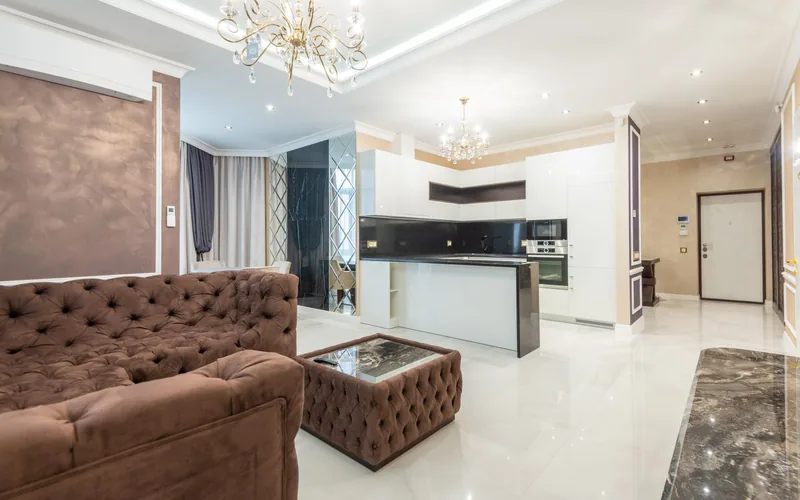
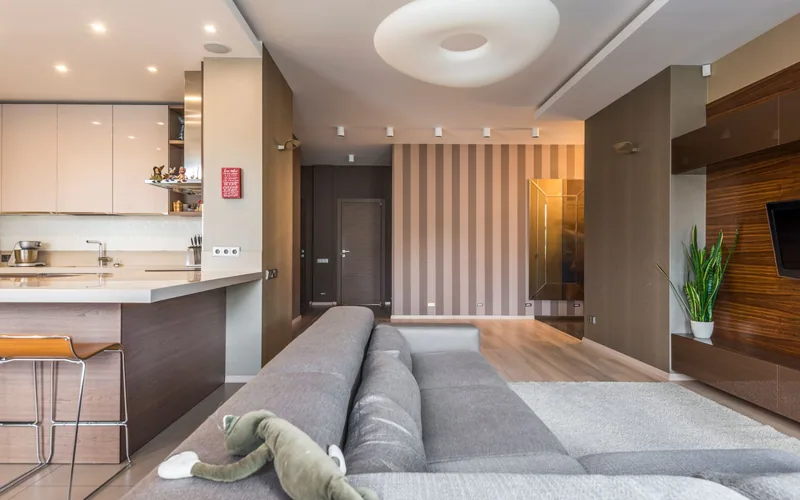
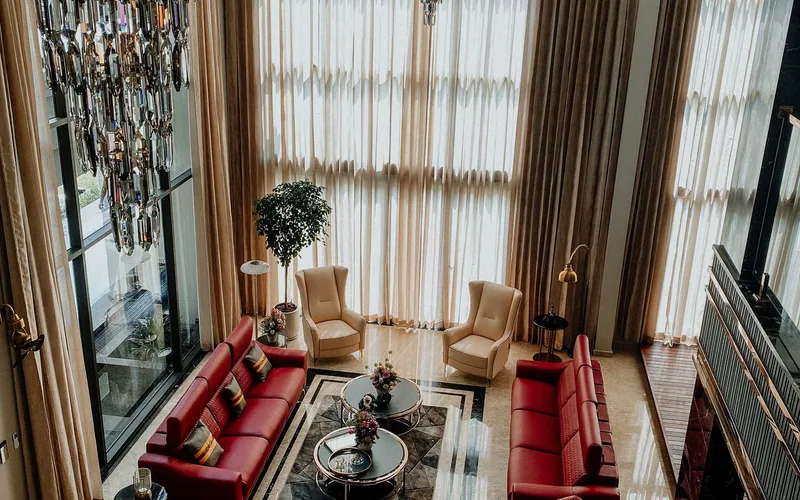
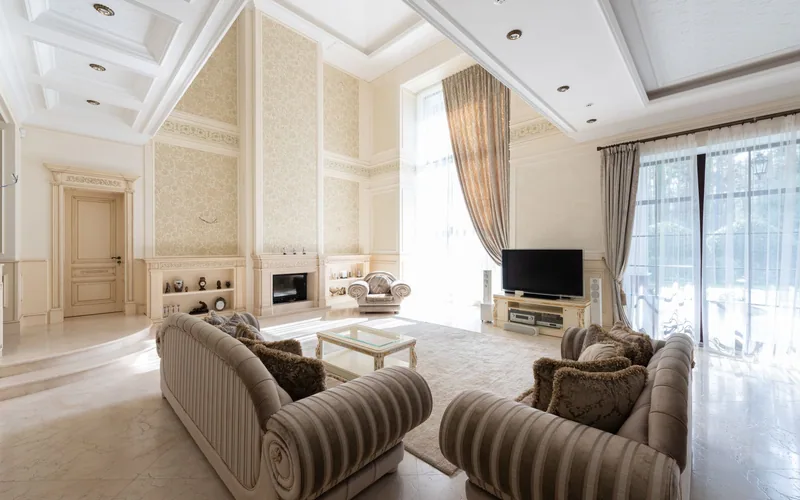
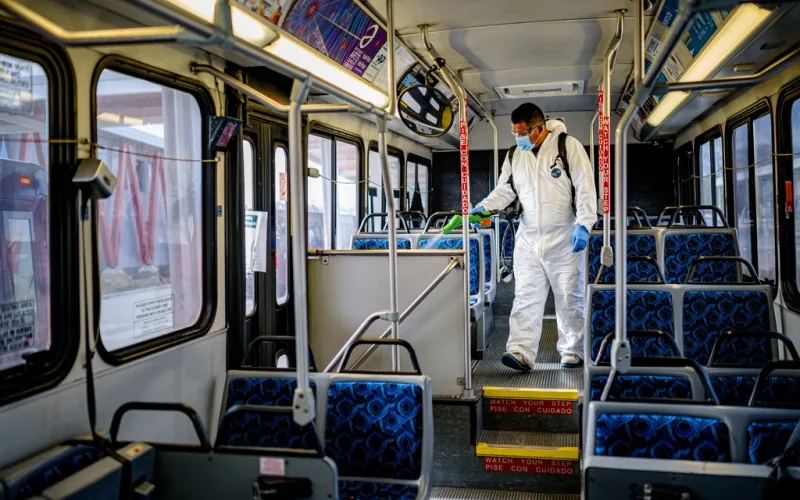
Photographs from real jobs carried out by the crew.
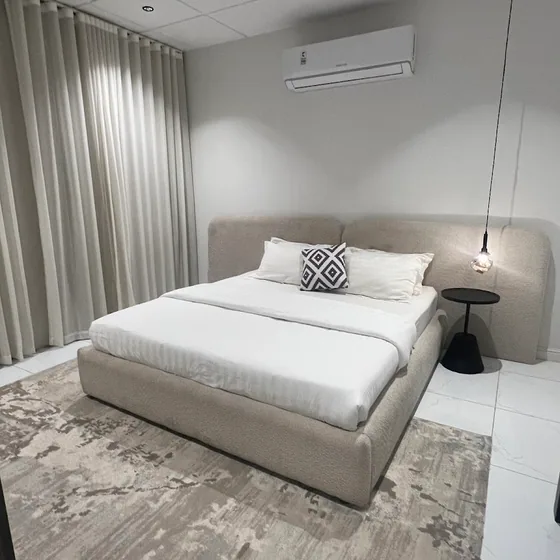
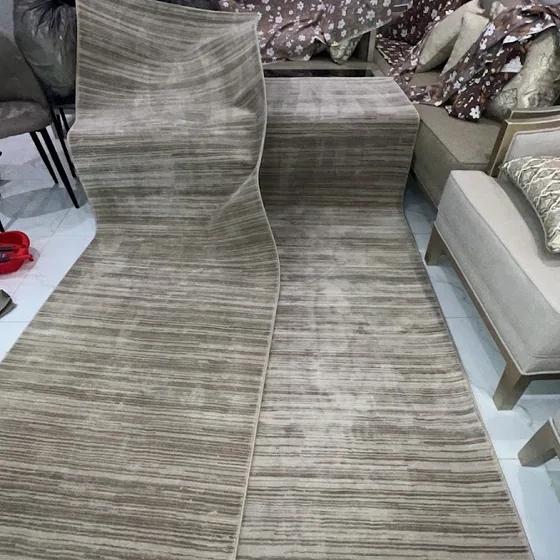
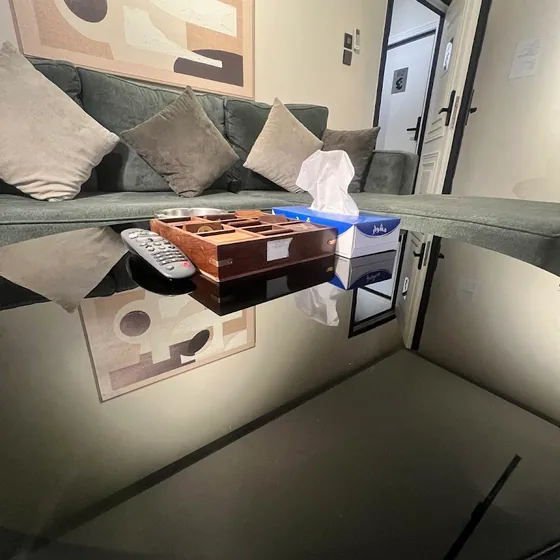
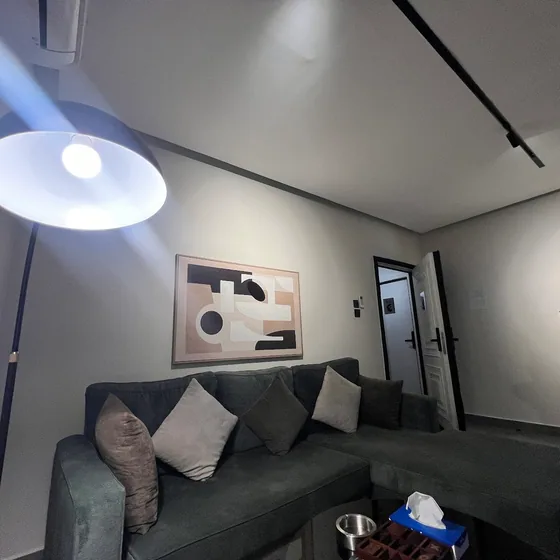
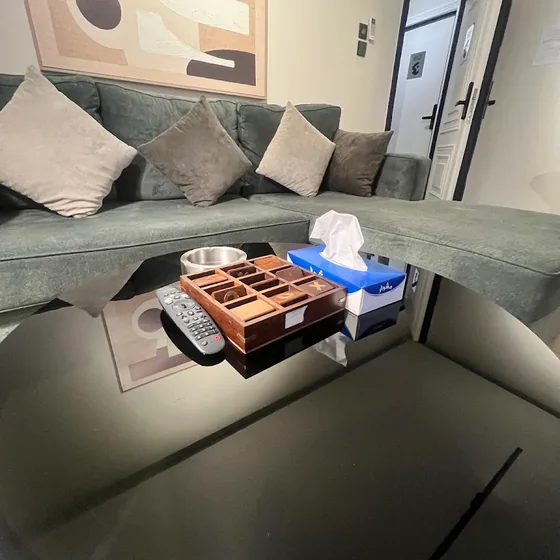
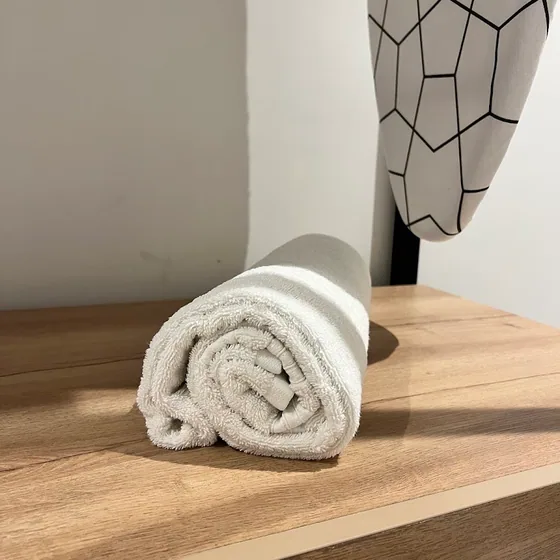
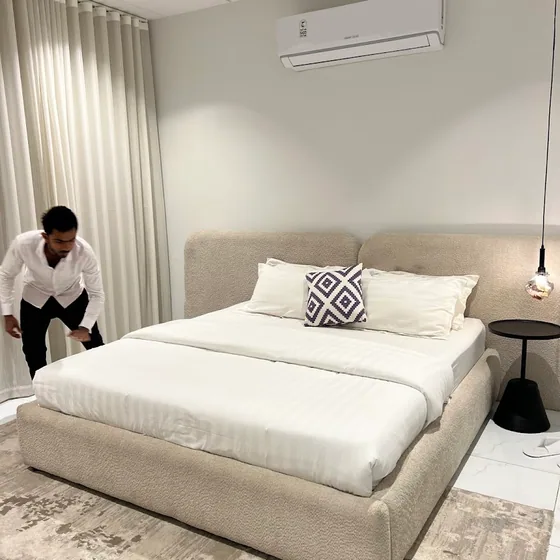
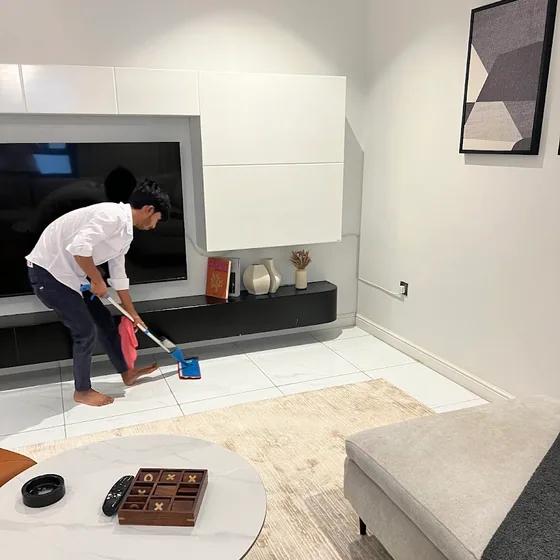
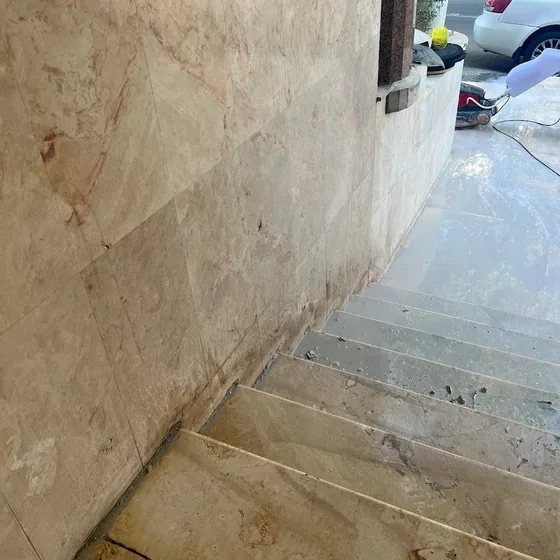
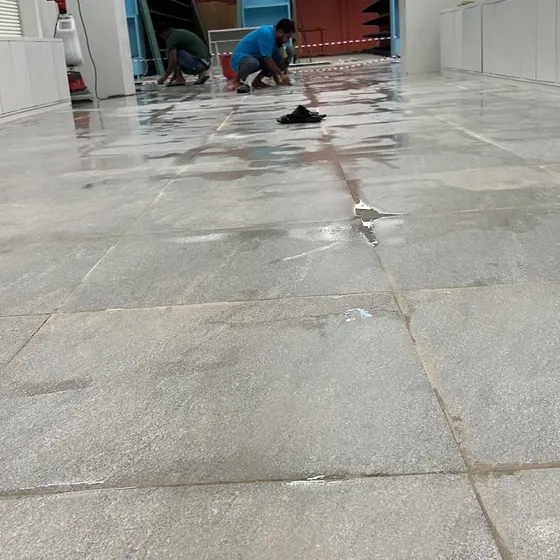
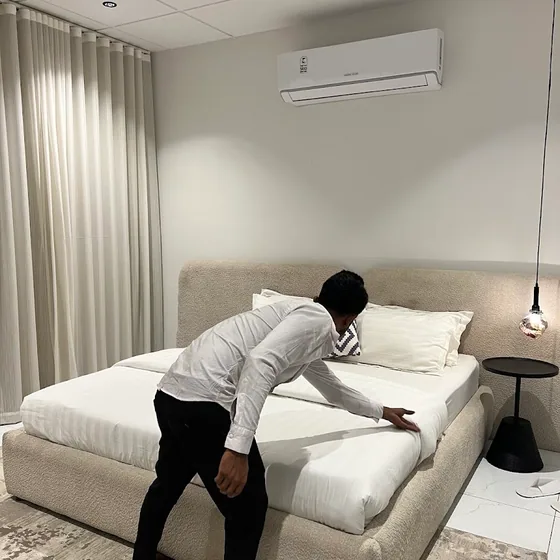
The commitment is simple enough to be keepable: we do not leave until you have seen the result and given your view of it.
South Jeddah runs from the port and the industrial city down towards Al Khumrah, and homes here sit between the sea and the heavy goods roads. The dust is darker and oilier than in the north, a mix of diesel soot and workshop grit, and it clings to net curtains, window sills and the tops of kitchen cupboards. Floors in the older low rise housing are often plain cement or ceramic tile that darkens where soot is walked in. Humidity from the coast adds mildew in bathrooms and a musty smell in stored fabrics.
We provide these in Al Quraniyah too, and more than one can share a single visit.