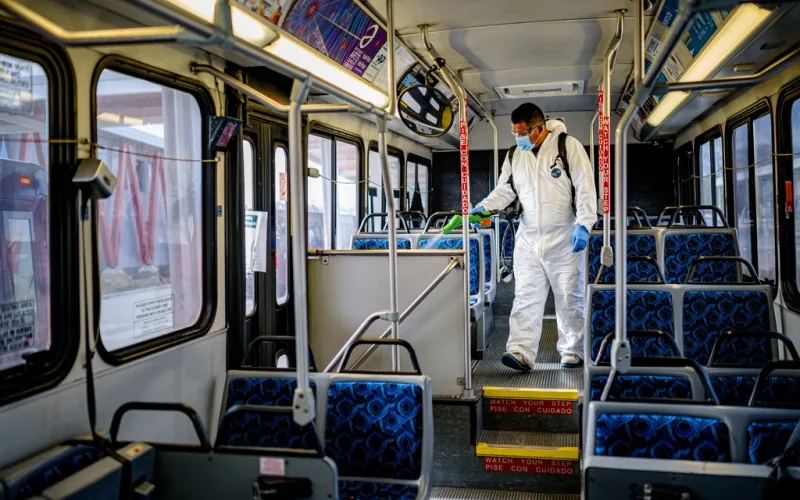
We test before we wash
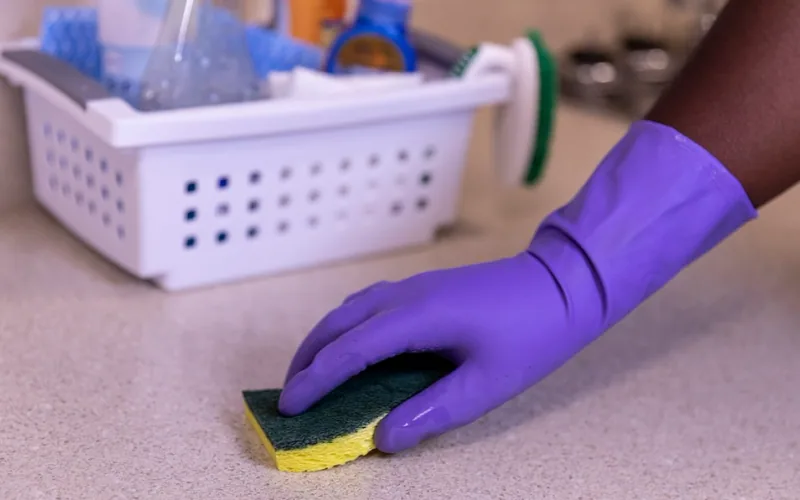
Testing the product on a hidden patch is a step we treat as necessary rather than optional.

Al Rughamah is a district in east Jeddah, home to Al Tawfeeq Mosque, within the hills and valley belt near Wadi Al Qaws and one of the relatively older residential areas in this part of the city. Its distance from the sea means the air is drier and the dust is coarser and paler than on the coast. This dust comes in under doors and settles on every surface overnight, making sofas, mattresses and curtains the heaviest part of daily living.
Upholstery and mattresses and curtains become the heaviest items in the daily routine because coarse dust from the mountains settles noticeably fast on every surface each night. For the method itself, see the full sofa and upholstery cleaning page.
East Jeddah lies closer to the mountains and open ground than the coast, and the dust is coarser and paler than coastal dust. This dust settles fast on sofas and penetrates deep into the foam. Ordinary vacuuming removes only the surface layer. A full wash reaches the inner layers and removes the coarse dust completely.
Ceramic floors throughout the district are scratched by fine natural grit, and this increases the movement of fine dust inside the home. These particles transfer to sofas from floors, feet and clothing, making regular cleaning both necessary and frequent.
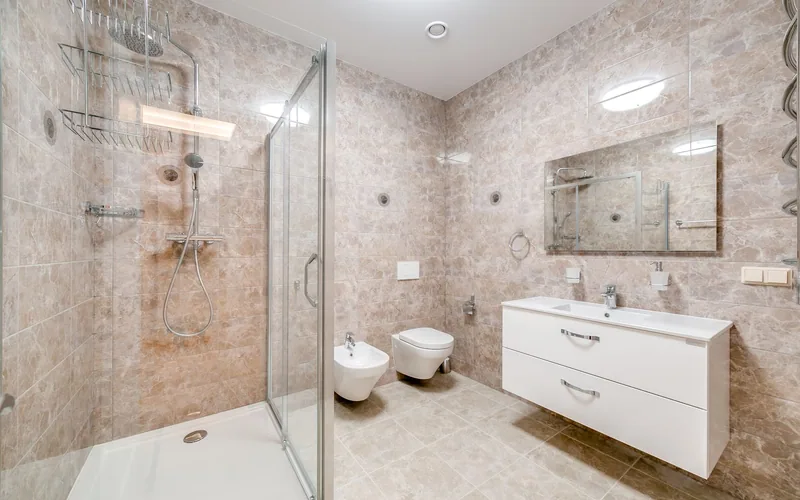
Roof tanks leave grey sediment in basins and sinks, and this can transfer to sofas if someone sits down immediately after bathing. The sediment becomes part of the dust trapped in the foam, so washing requires special treatment to remove all mineral deposits.
The district lies in the hills and valleys region where fine sand from the mountains and ground dust are finer and drier than coastal areas, with ceramic floors that show scratches from grit unless swept before mopping.
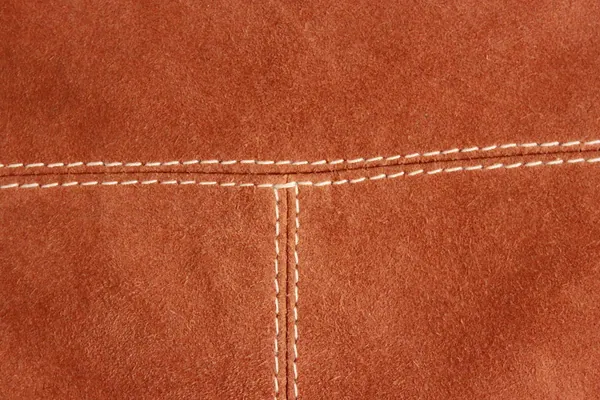
Mixed fabric types from different construction periods in Al Rughamah need testing first before any washing method is chosen.
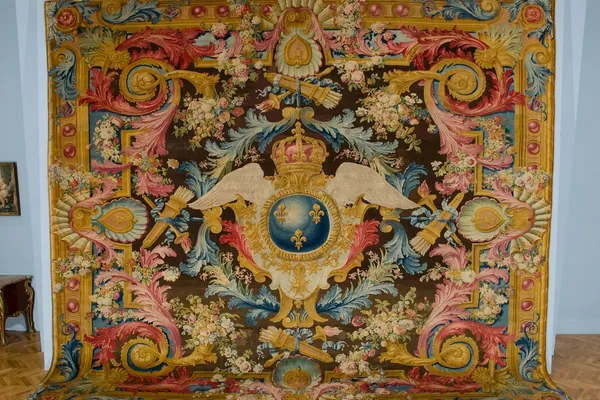
Coarse dust and grit particles require very deep vacuuming before washing to prevent them from spreading during the wet stage.
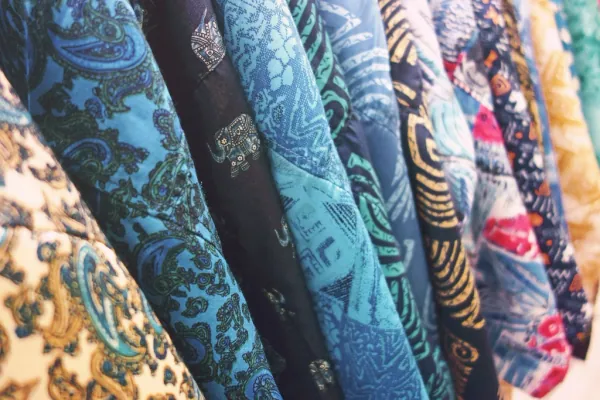
Complete washing of the fabric, back and sides is essential to remove layers of coarse accumulated dust.
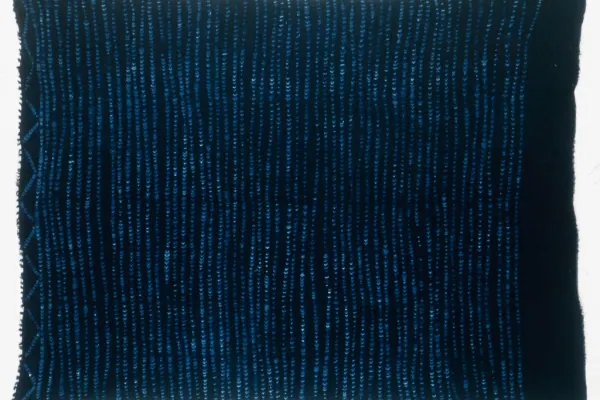
Cushions that collect the most dust from floors need washing on both faces to ensure all particles are released.
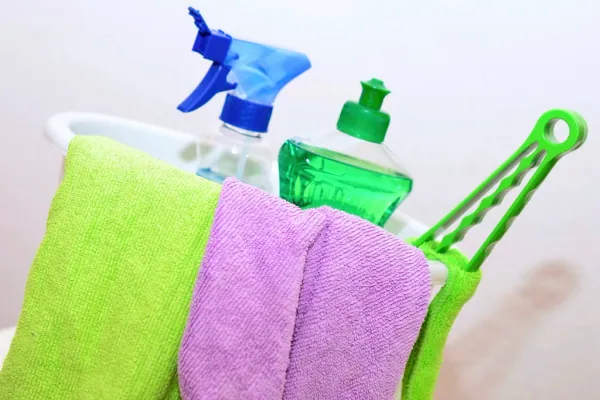
Dust stains and mineral sediment deposits are treated by their exact type, with special treatment for mineral marks.
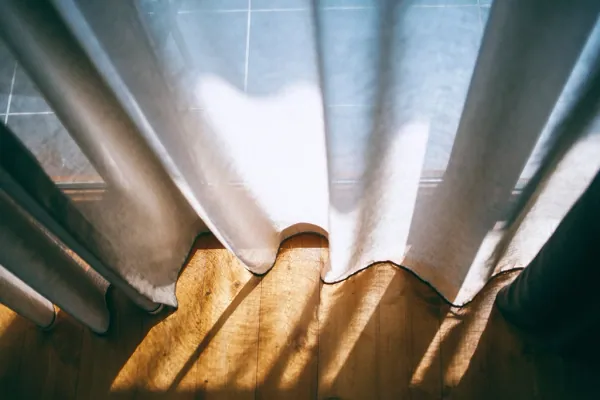
Complete ventilation and drying in the dry air of the east is essential to finish the job cleanly.
Cotton, velvet, chenille and synthetics do not take the same heat or the same product.
Before any water.
An oil mark is not treated like a juice mark.
We wash with the method that suits the fabric.
The piece is left slightly damp, never wet.
We go over the pieces with you before leaving.
Testing the product on a hidden patch is a step we treat as necessary rather than optional.
The company employs more than forty cleaners, and we send a crew rather than an individual.
The washing and extraction machines are ours and travel with the crew.
If a piece needs reupholstering rather than washing, we say so.
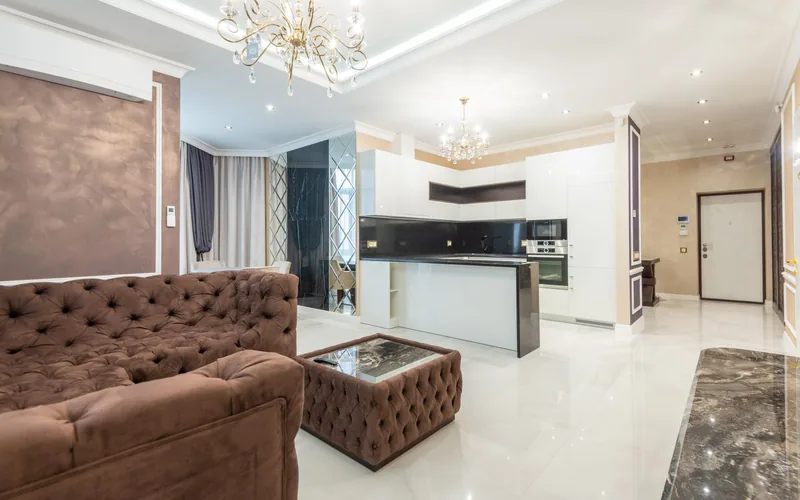
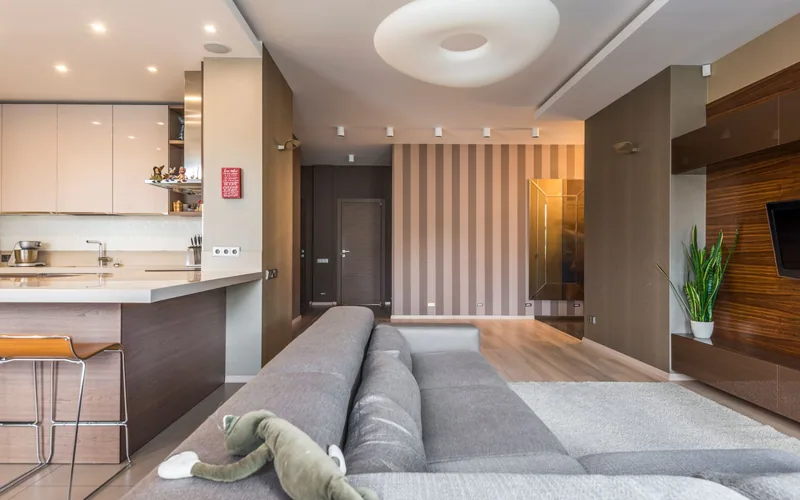
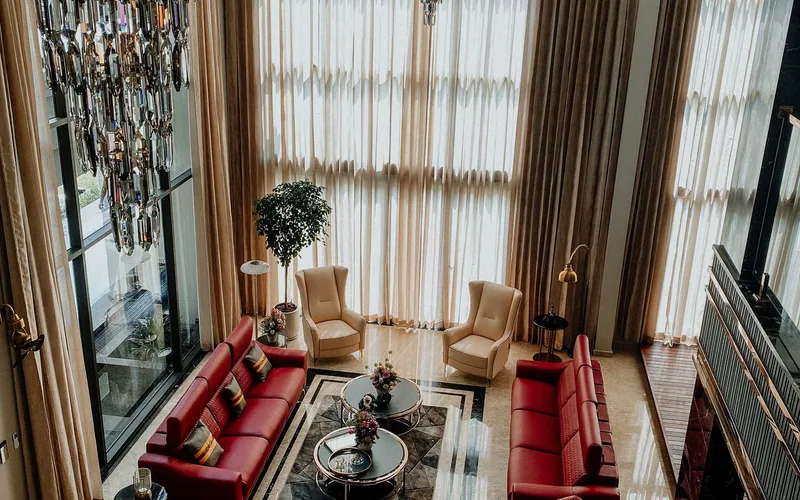
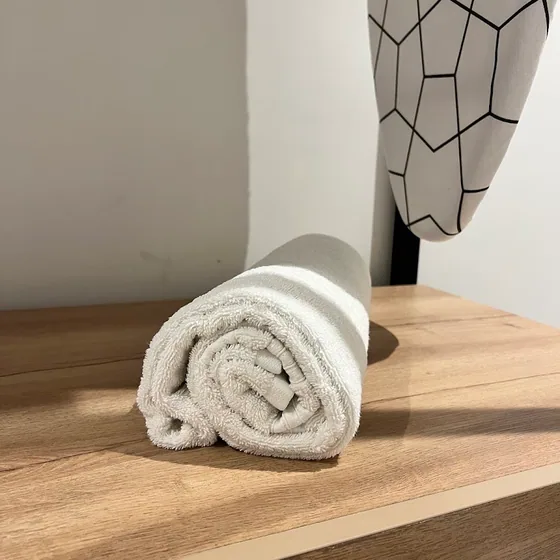
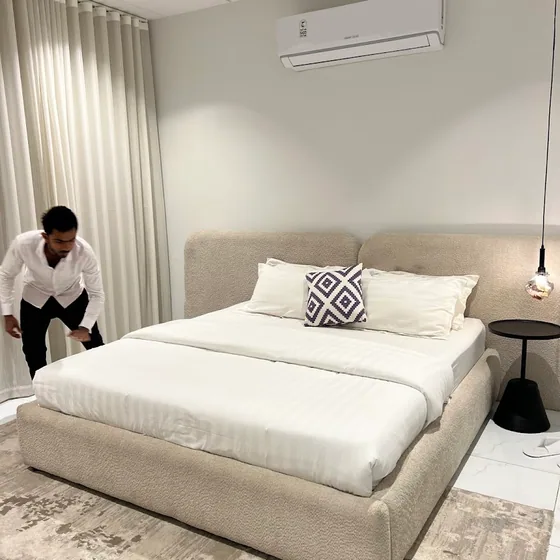
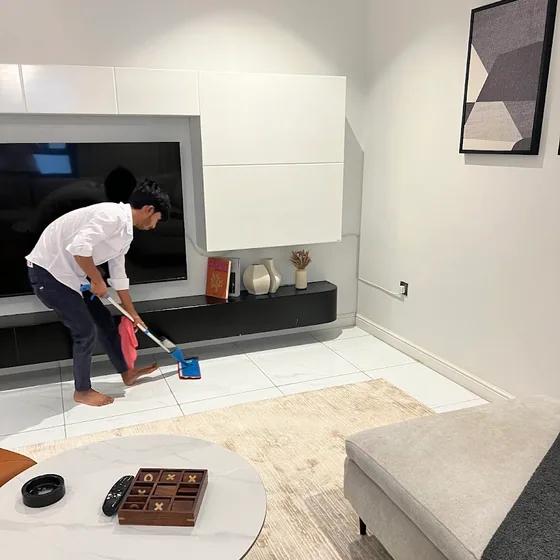
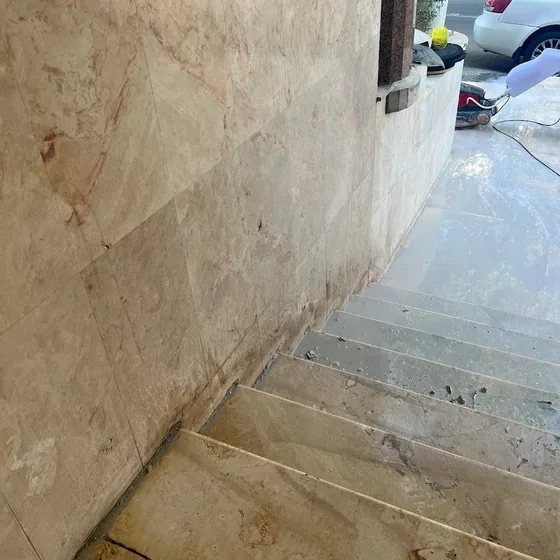
Photographs from real jobs carried out by the crew.
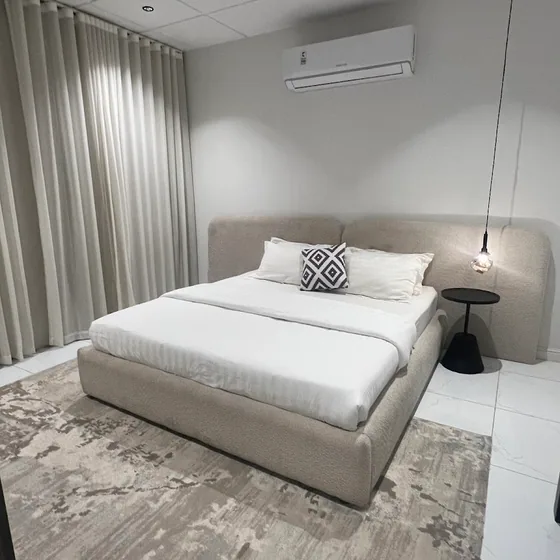
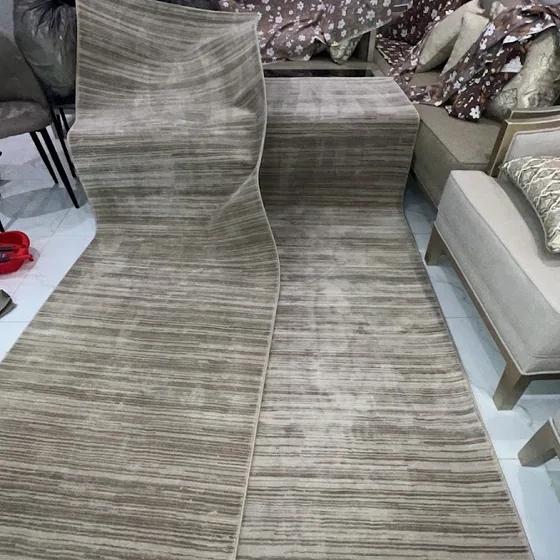
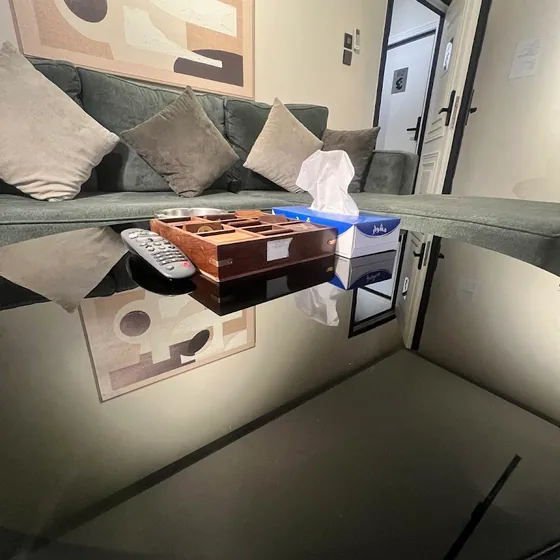
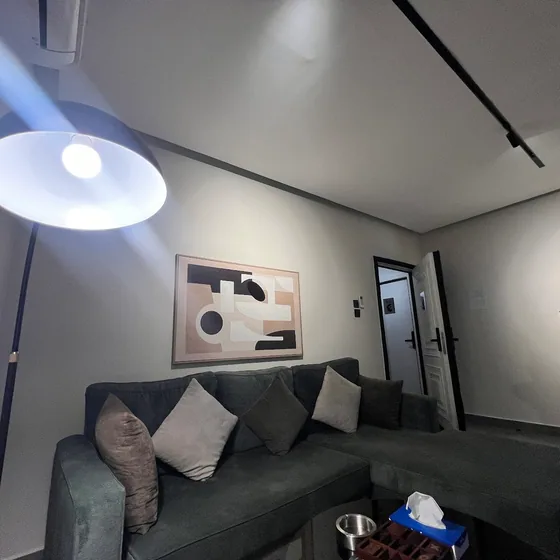
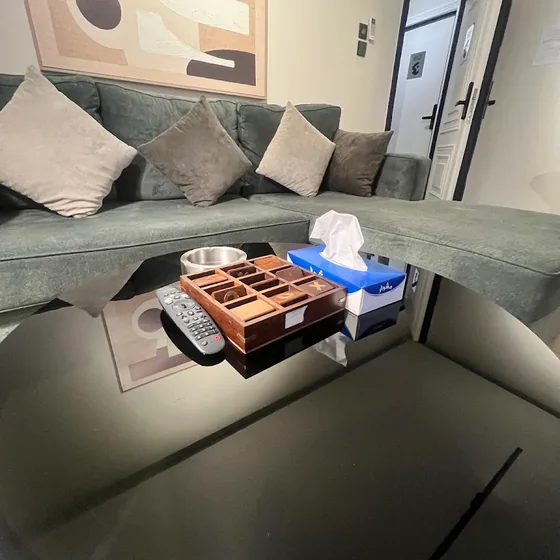
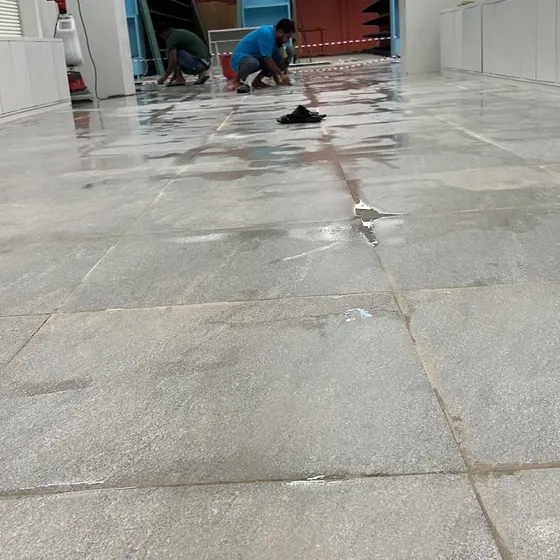
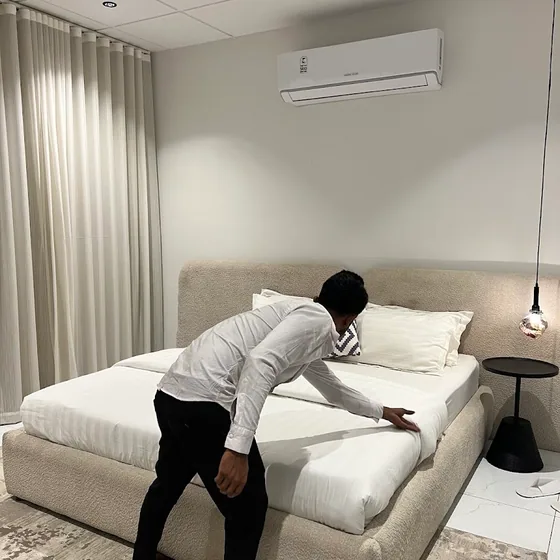
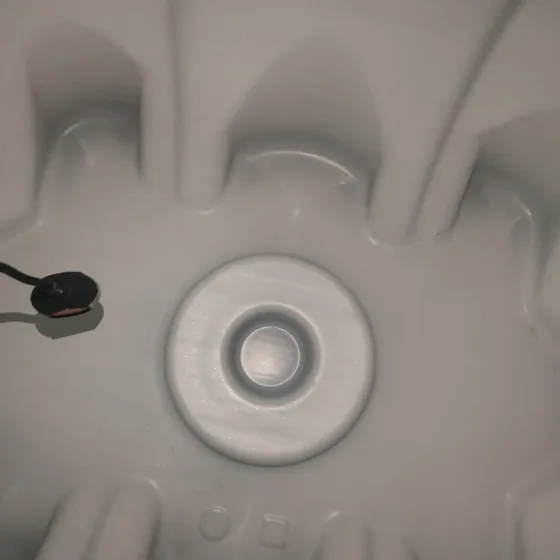
The commitment is simple enough to be keepable: we do not leave until you have seen the result and given your view of it.
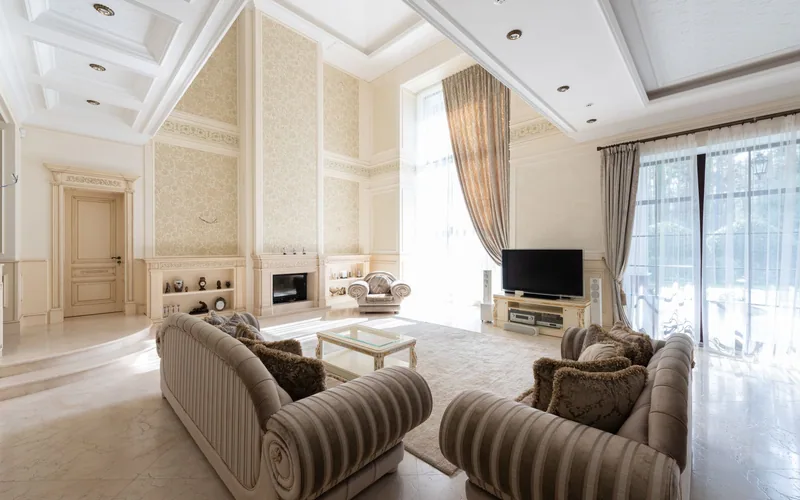
East Jeddah lies furthest from the sea and closest to the open ground and hills beyond the ring roads, so the air is drier and the dust is coarser and paler than on the coast. It comes in under doors and settles on every flat surface overnight, making sofas, mattresses and curtains the heaviest part of the routine. Floors are mostly ceramic tile in the apartment districts and marble in the villa areas, both scratched by grit that is mopped rather than swept. Roof tank water leaves a grey film of sediment in baths and basins.
We provide these in Al Rughamah too, and more than one can share a single visit.