We test before we wash
Testing the product on a hidden patch is a step we treat as necessary rather than optional.
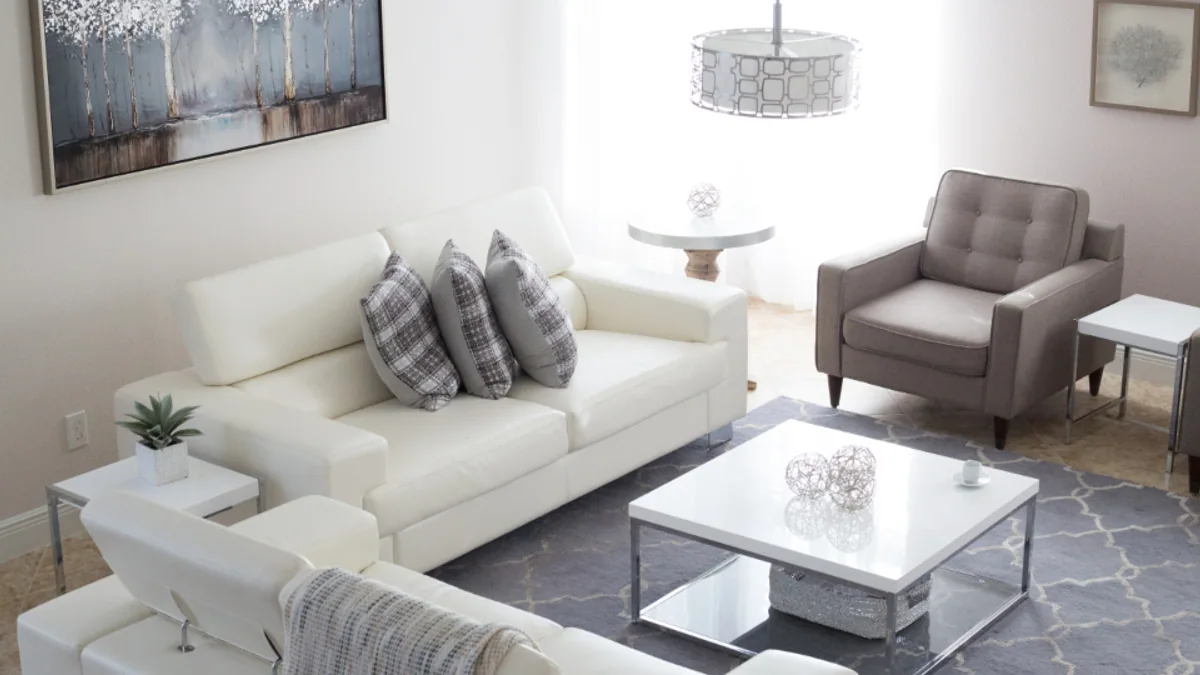
Al Qawzain sits on Jeddah's southern coastal strip, where high humidity and salt air penetrate the sofa far deeper than in inland neighbourhoods. Salt deposits work into the fibres and moisture traps beneath the surface, so the cleaning method here must account for the coastal environment and what it does to upholstery differently.
Sofas dry more slowly here because of persistent coastal humidity, and white salt marks appear that need specialist treatment before the main wash cycle can even begin. For the method itself, see our sofa and upholstery cleaning service in detail.
Salt air does not sit on the surface; it works into the fibres and bonds with coastal humidity to form a hardened layer beneath the pile. Ordinary vacuuming cannot break this bond, and fresh water alone will not help. The sofa needs a pre-wash treatment to dissolve the salt first, before the actual cleaning wash can reach the embedded dirt below.
Low-rise seaside homes here lack modern air circulation, so humidity settles in corners and cupboards, and mildew grows under scatter cushions and along the sofa back. Washing alone will not end the problem. Moisture control during drying afterwards is essential to prevent mildew returning within days of the clean.
Heavy goods roads nearby release diesel dust and grease that mix with salt particles to form a sticky compound that bonds to fabric. This mixture will not shift in ordinary water and requires specialist surfactants and powerful extraction to lift the oily layer first before any other cleaning can work.
An open coastal settlement on the southern corniche, exposed to salt air and humidity throughout the year. Older low-rise homes hold upholstery that faces constant exposure to sea conditions and industrial dust from nearby heavy roads.
Coastal fabric holds salt crystals and oily grit particles, so we test first with fresh water to see how the weave reacts, then trial specialist cleaning solutions on a small hidden area before full washing begins.
Deep dry vacuuming removes salt granules and surface soot before any water touches the fabric, which is critical because water alone could dissolve the salt and push it deeper into the pile.
Washing the fabric, back and sides uses salt-treating solutions first, then water at a carefully controlled level that will not leave new salt deposits behind when it dries.
Cushions are turned to wash both faces together, and the face that has been exposed to sea air gets extra attention because salt accumulates on it faster and settles deeper.
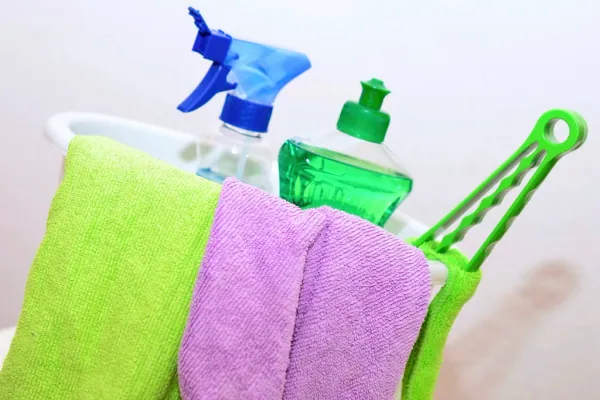
Oily marks from soot and salt compounds together require strong surfactant action and may need a second treatment after the first wash if they have hardened into the fibres.
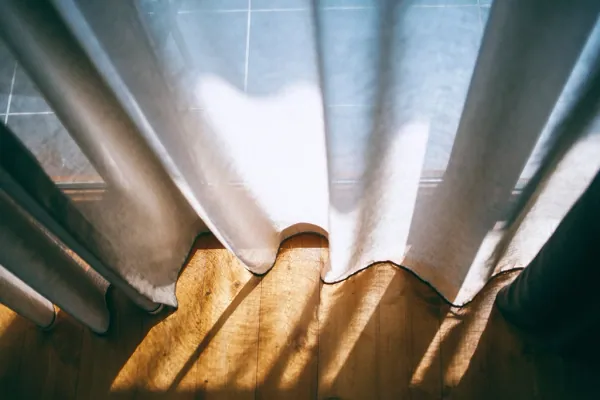
Wet extraction and humidity control take longer here, and we use equipment that actively manages moisture afterwards to prevent mildew returning within days of the wash finishing.
Cotton, velvet, chenille and synthetics do not take the same heat or the same product.
Before any water.
An oil mark is not treated like a juice mark.
We wash with the method that suits the fabric.
The piece is left slightly damp, never wet.
We go over the pieces with you before leaving.
Testing the product on a hidden patch is a step we treat as necessary rather than optional.
The company employs more than forty cleaners, and we send a crew rather than an individual.
The washing and extraction machines are ours and travel with the crew.
If a piece needs reupholstering rather than washing, we say so.
Photographs from real jobs carried out by the crew.
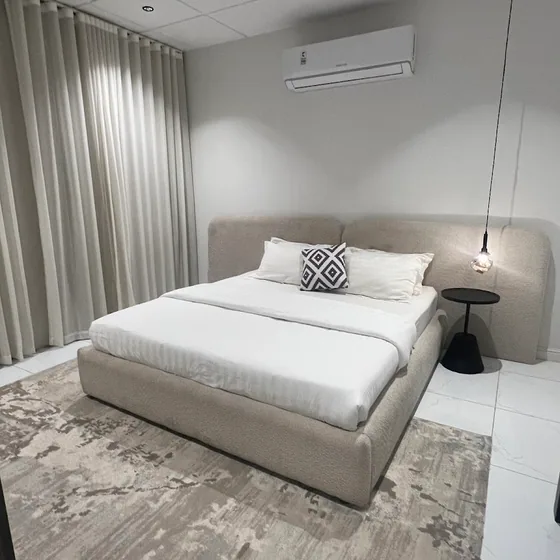
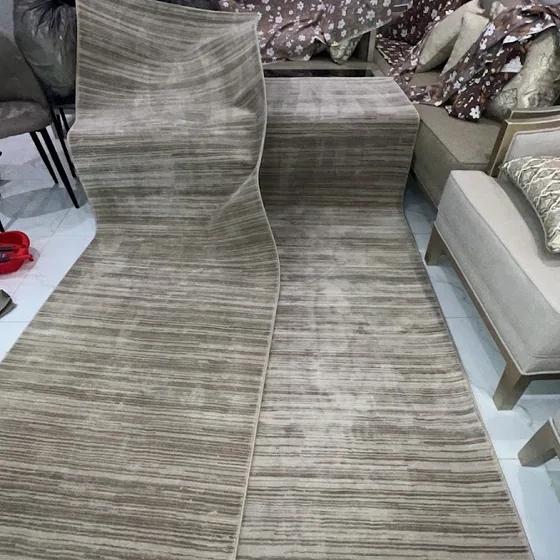
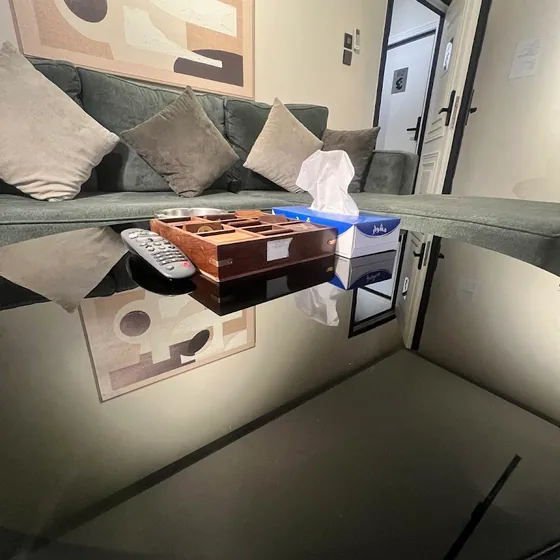
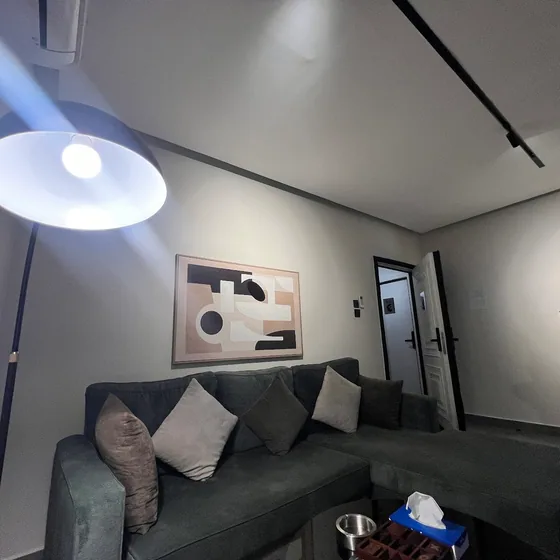
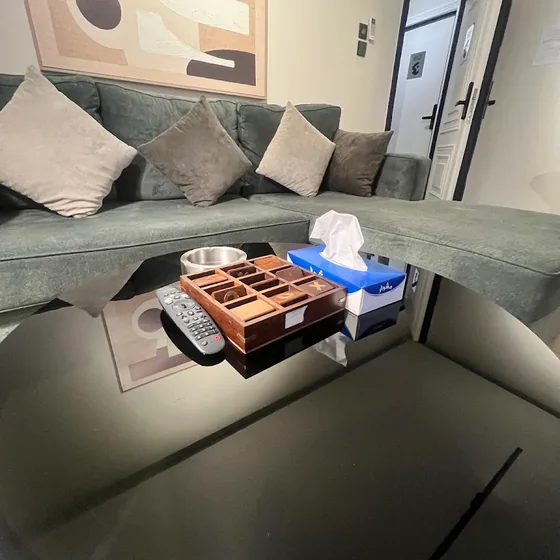
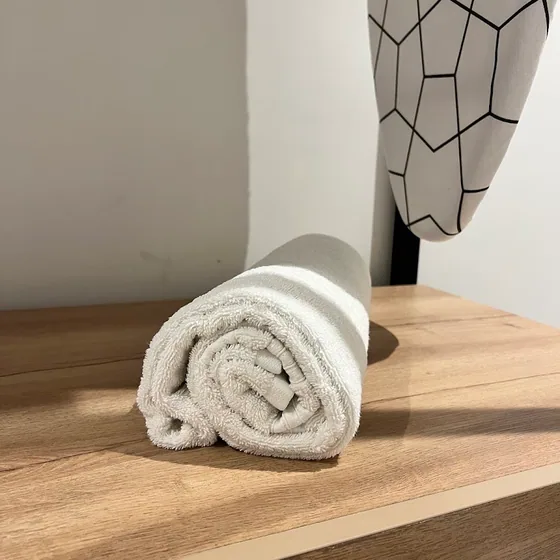
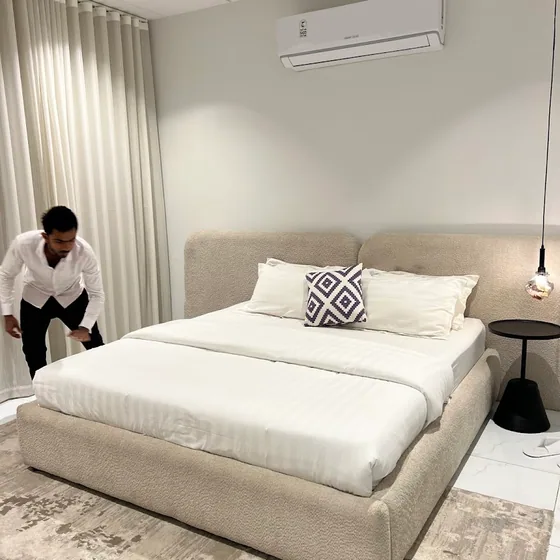
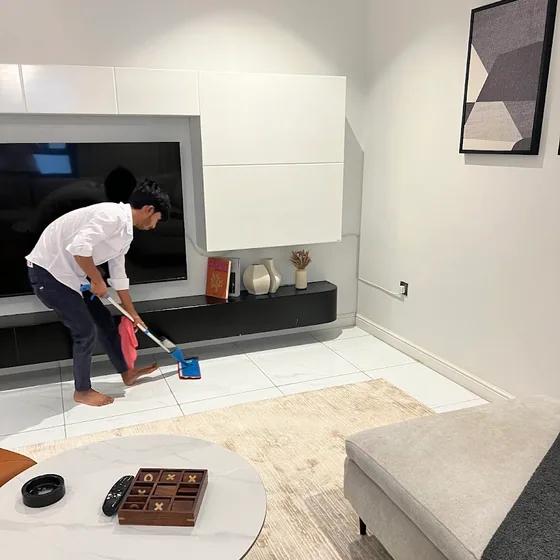
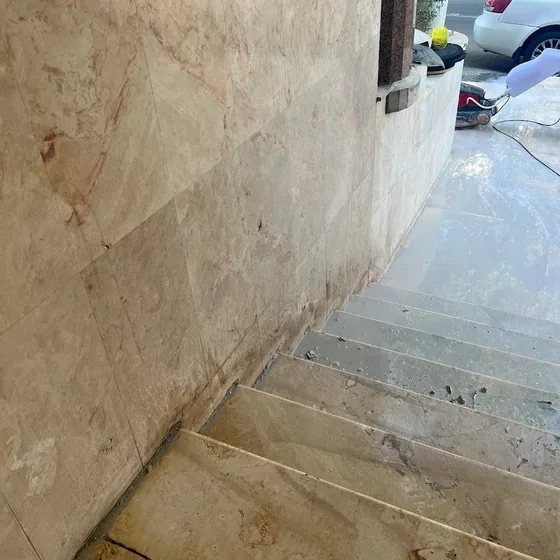
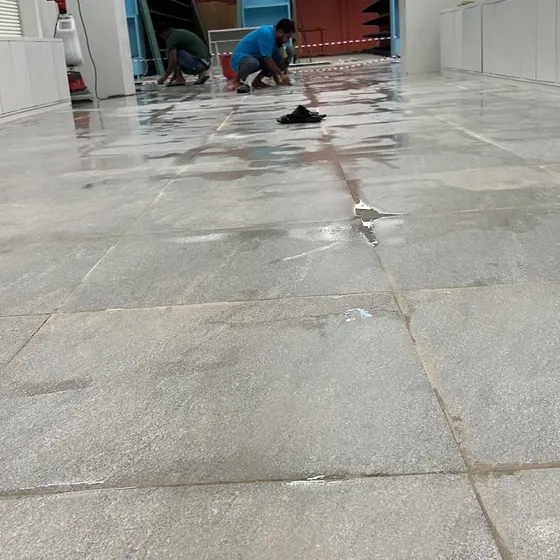
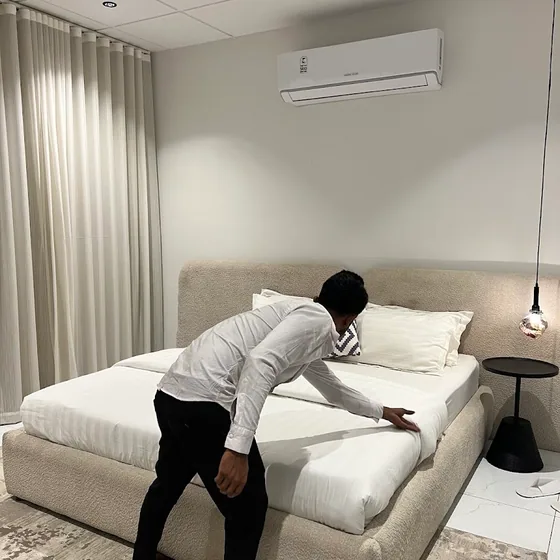
The commitment is simple enough to be keepable: we do not leave until you have seen the result and given your view of it.
South Jeddah runs from the port and the industrial city down towards Al Khumrah, and homes here sit between the sea and the heavy goods roads. The dust is darker and oilier than in the north, a mix of diesel soot and workshop grit, and it clings to net curtains, window sills and the tops of kitchen cupboards. Floors in the older low rise housing are often plain cement or ceramic tile that darkens where soot is walked in. Humidity from the coast adds mildew in bathrooms and a musty smell in stored fabrics.
We provide these in Al Qawzain too, and more than one can share a single visit.