We test before we wash
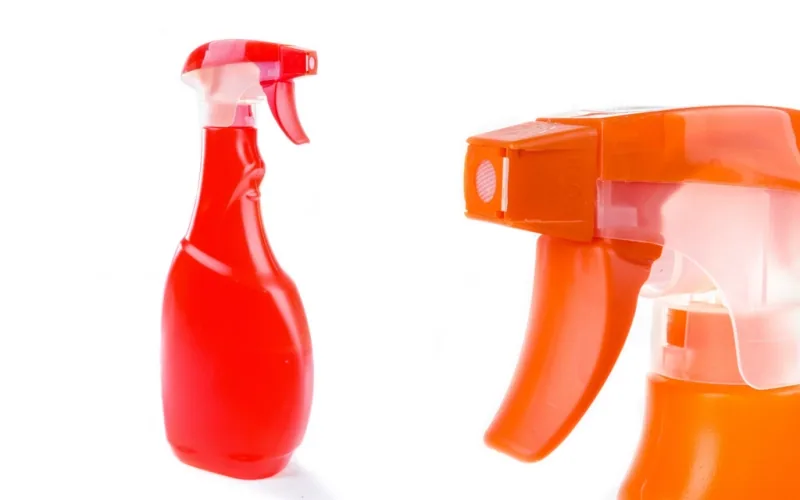
Testing the product on a hidden patch is a step we treat as necessary rather than optional.
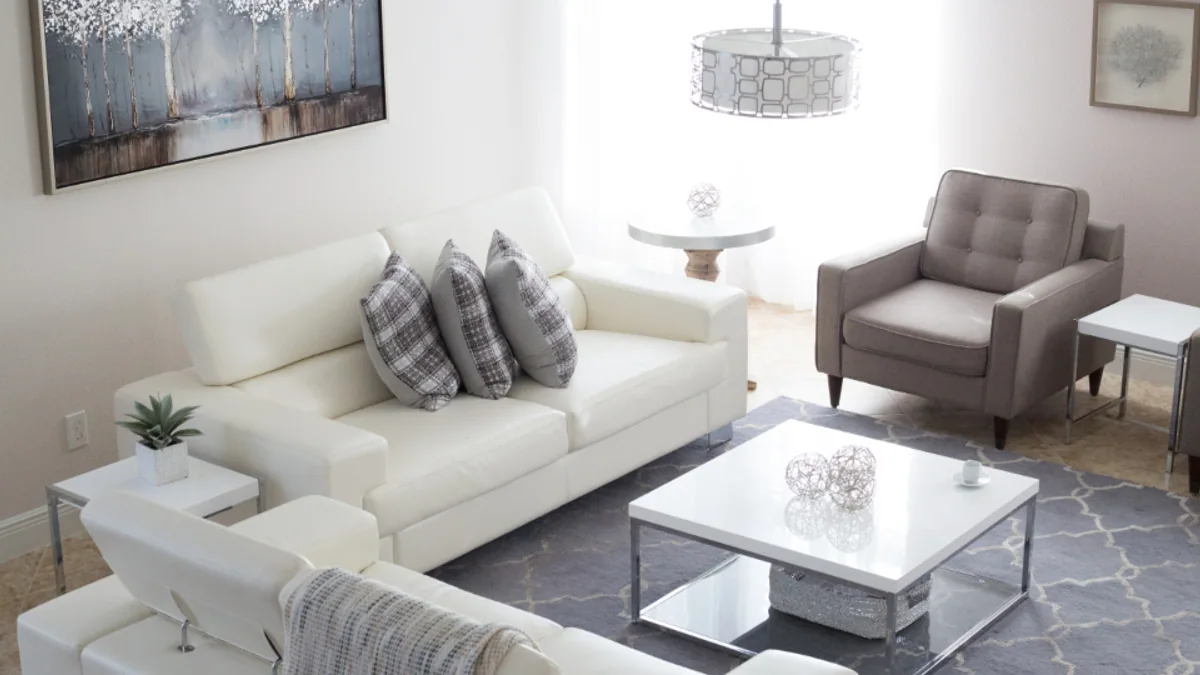
Al Qaws is a mixed district in east Jeddah where shops occupy ground floors and homes sit directly above them. The constant commercial activity below, combined with narrow streets and foot traffic, drives more dust and cooking odours into the homes than quieter neighbourhoods. Sofas absorb these odours deep into the foam, beyond what vacuuming can reach.
Upholstery in flats directly above shops holds cooking smells and commercial odours longer than homes elsewhere, even with windows firmly closed throughout the day. For the method itself, see the full sofa and upholstery cleaning page.
Residential flats above commercial premises receive cooking smells and workshop odours from below throughout every day. Sofas absorb these deep into the foam, and ordinary vacuuming cannot remove them. A full wash by the method suited to the fabric reaches into these layers and removes embedded odours completely.
The district's position in the hills and valleys system allows fine dust to drift from the Mareekh Mountains nearby, and continuous foot and vehicle traffic in the streets stirs this dust constantly. Sofas collect layers of fine particles that require deep vacuuming before washing to prevent them from spreading during the wash itself.
Wadi Al Qaws was the source of Jeddah's historic 2009 flood, which means the air holds higher humidity in rainy seasons and throughout the year. This moisture slows sofa drying significantly, so precise ventilation after washing is essential to prevent musty smells developing.
The district sits along Wadi Al Qaws near the Mareekh Mountains, within the hills and valleys belt of east Jeddah, historically prone to dust accumulation and seasonal moisture from the wadi system.
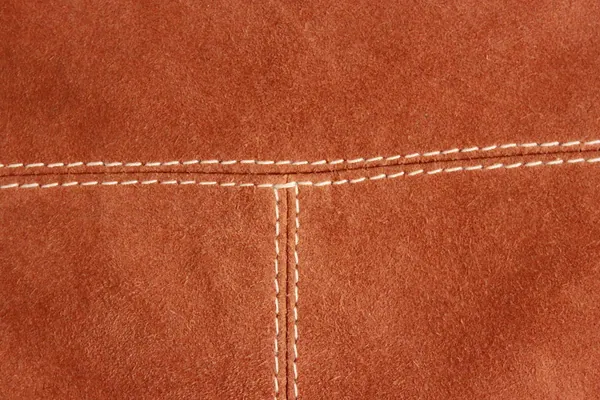
Mixed fabric types across ground and upper flats mean testing first is essential before any washing begins.
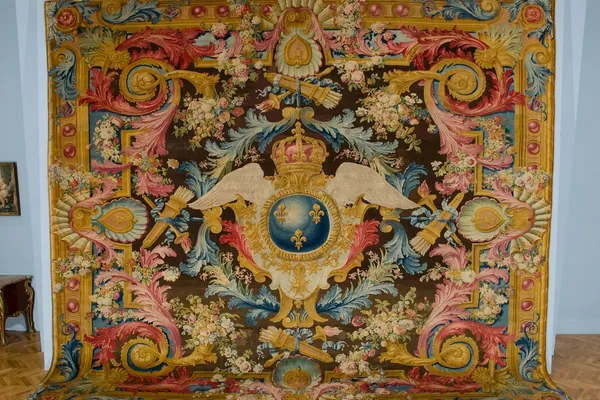
Fine dust from the wadi location requires deep vacuuming before washing to prevent spreading during the wet stage.
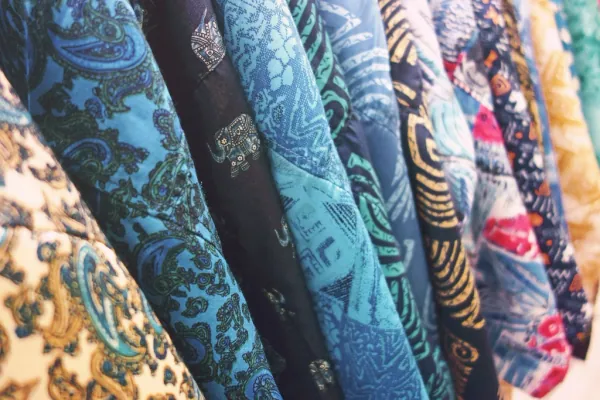
Embedded cooking odours from shops below need full fabric washing including back and sides to remove completely.
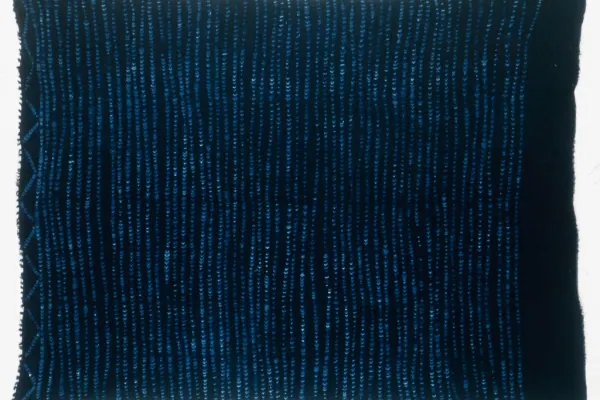
Cushions that absorb most odours are washed on both faces to ensure trapped smells are fully released.
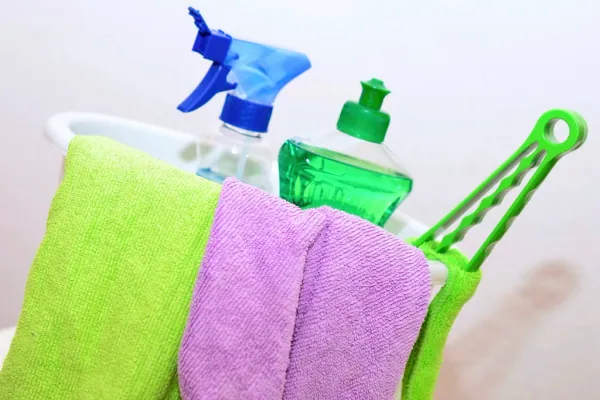
Food and oil marks from shop activity below are treated by their exact type to remove without damage.
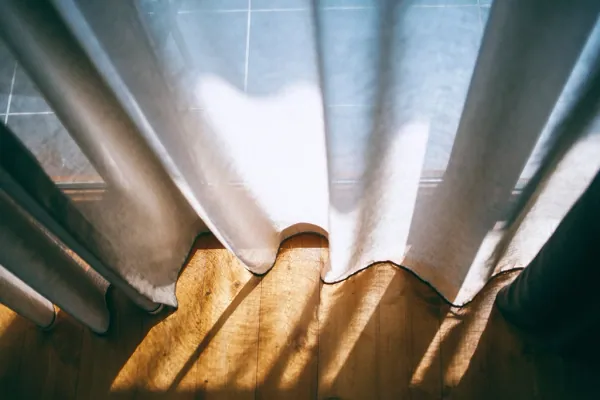
Ventilation after washing matters in a district with seasonal wadi moisture that can cause musty smells to return.
Cotton, velvet, chenille and synthetics do not take the same heat or the same product.
Before any water.
An oil mark is not treated like a juice mark.
We wash with the method that suits the fabric.
The piece is left slightly damp, never wet.
We go over the pieces with you before leaving.
Mixed district: shops at street level with homes above them
Mixed housing means flats stacked above shops, so commercial odours and dust enter the home directly and constantly. Sofas here need deeper washing because they absorb the activity below continuously, not just household dirt from within.
Testing the product on a hidden patch is a step we treat as necessary rather than optional.
The company employs more than forty cleaners, and we send a crew rather than an individual.
The washing and extraction machines are ours and travel with the crew.
If a piece needs reupholstering rather than washing, we say so.
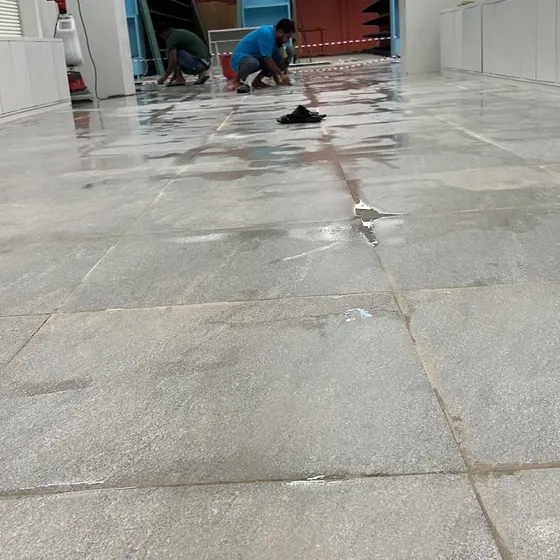
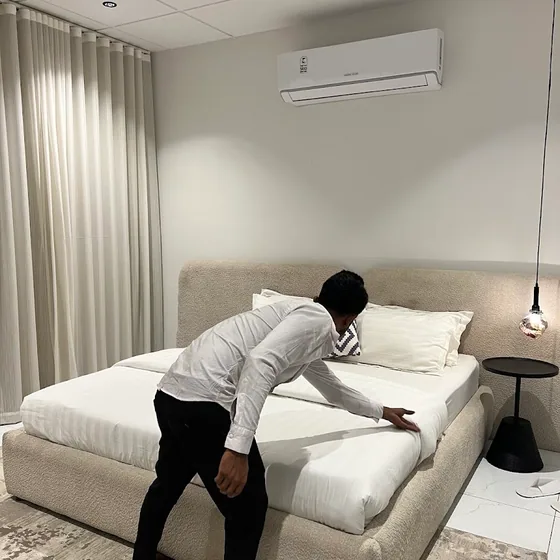
Photographs from real jobs carried out by the crew.
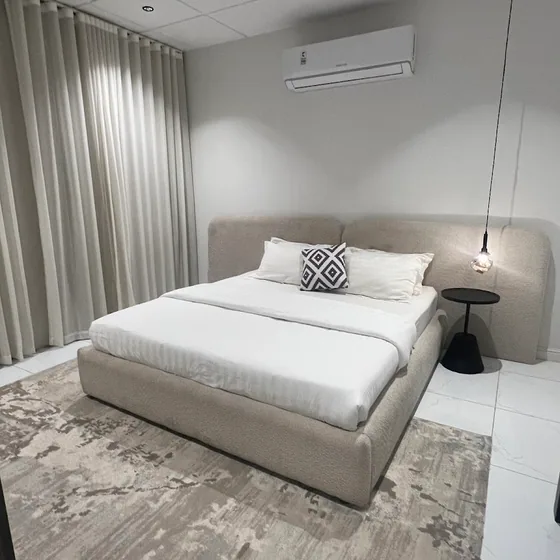
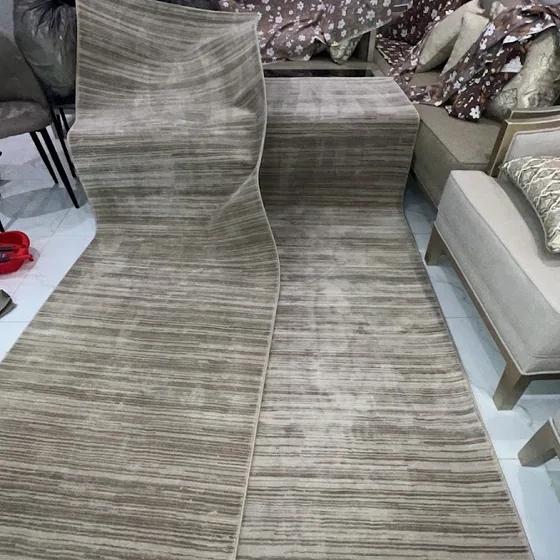
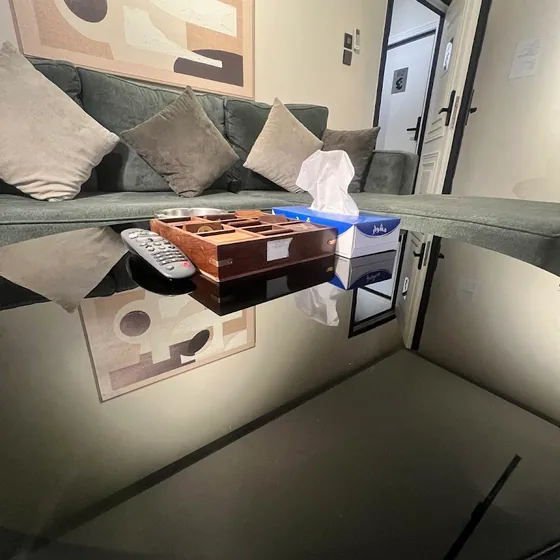
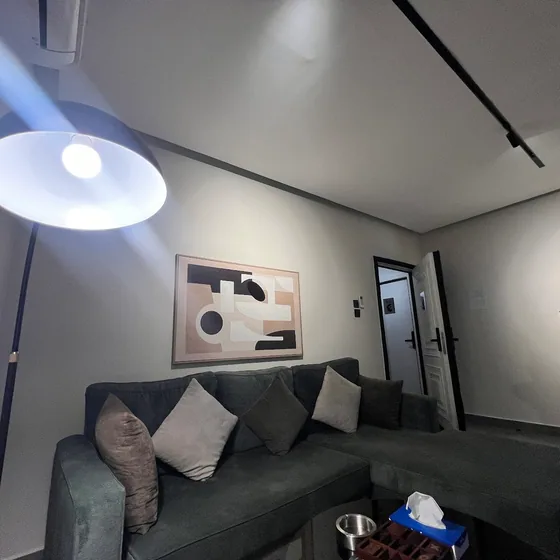
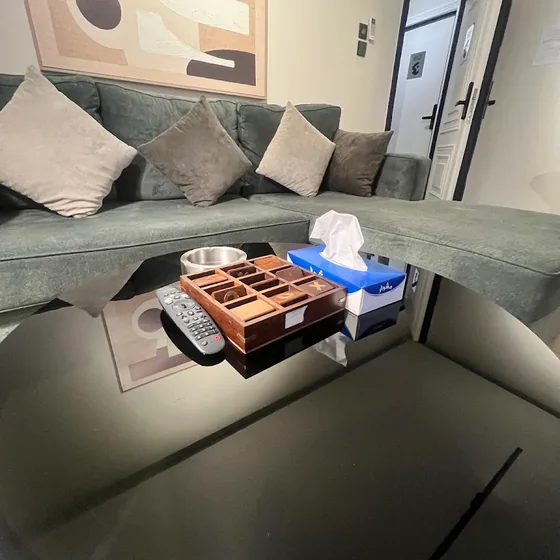
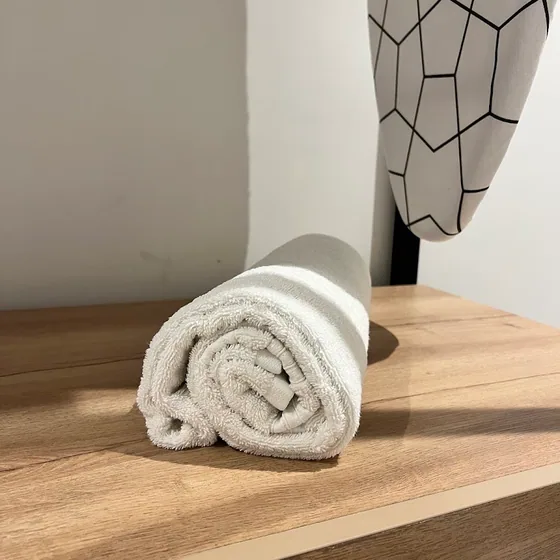
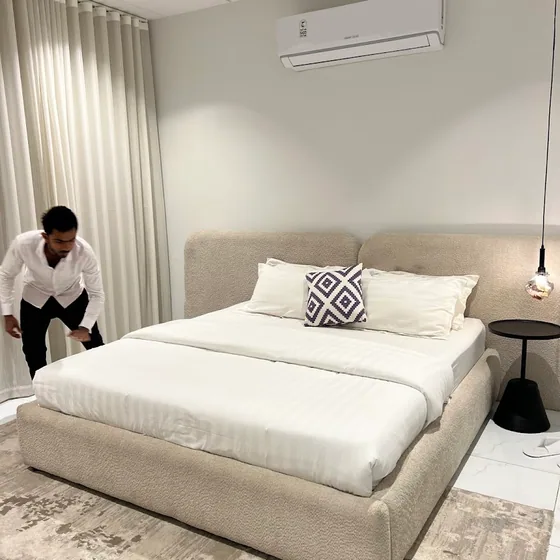
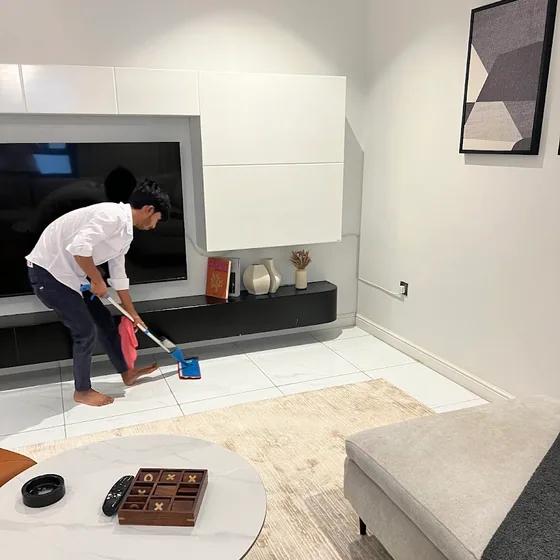
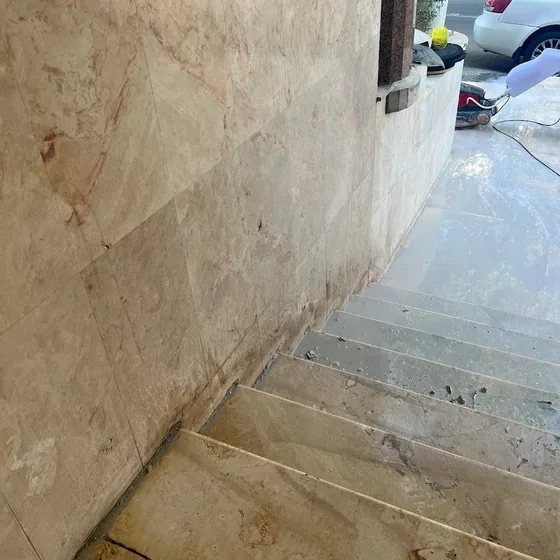
The commitment is simple enough to be keepable: we do not leave until you have seen the result and given your view of it.
The district lies along Wadi Al Qaws near the Mareekh Mountains in east Jeddah. Access for the crew reaches through the roads leading to the wadi, and work is organised near the neighbourhood's limited open spaces due to its geography.
We provide these in Al Qaws too, and more than one can share a single visit.