We test before we wash
Testing the product on a hidden patch is a step we treat as necessary rather than optional.
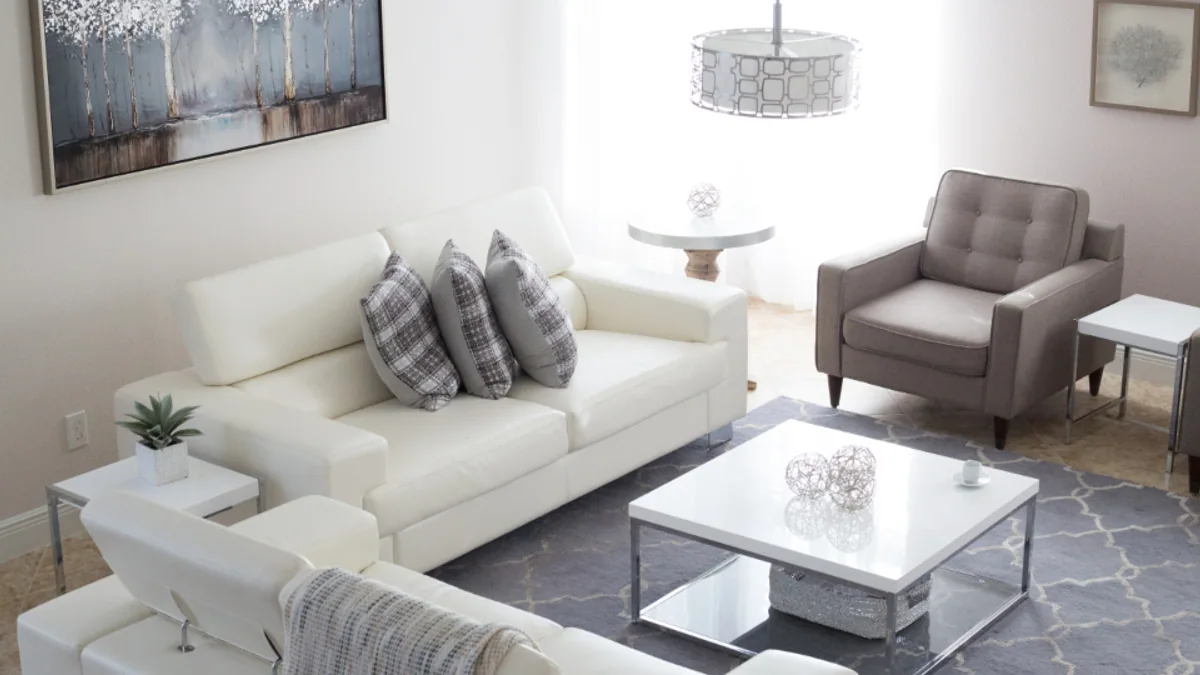
Al Shati is a coastal district on the Jeddah Corniche, with seafront hotels and landmarks along the Red Sea, villas and serviced flats set behind the beach front. Humidity is high year-round, salt deposits on windows and glass daily, and sea air leaves a faint salt film on outdoor cushion fabrics and indoor sofas. Sofas here face marine pollutants that do not exist in interior neighbourhoods.
Salt deposits on everything in Al Shati, and sofas trap salt, sea particles and moisture very readily. The salt smell clings to fabrics stubbornly even after cleaning. For the method itself, see how we approach sofa and upholstery cleaning.
Al Shati sits directly on the Red Sea, and salt in the air settles on everything. Wide windows opening directly onto the sea mean salt enters the home with every breeze. Indoor sofas trap salt particles and sea air very powerfully. Salt embeds itself in the weave and draws marine moisture along with it.
Coastal humidity is very high year-round. This moisture enters sofas and fabrics causing rapid mildew and stale odours. Stored cushions and fabrics absorb moisture very easily and begin to mould before visible dampness appears. Together, humidity and salt create a challenge unlike anywhere else in Jeddah.
Salty sea air interacts chemically with sofa fibres and upholstery. Salt particles embed themselves and draw natural oils from the weave, making the fabric drier and faster to degrade. Colours also suffer from salt and moisture together, fading and changing much faster than in any other district.
A coastal location on the Jeddah Corniche with wide windows opening onto the sea, very high coastal humidity year-round, and daily salt deposits on glass and fabrics from direct sea air.
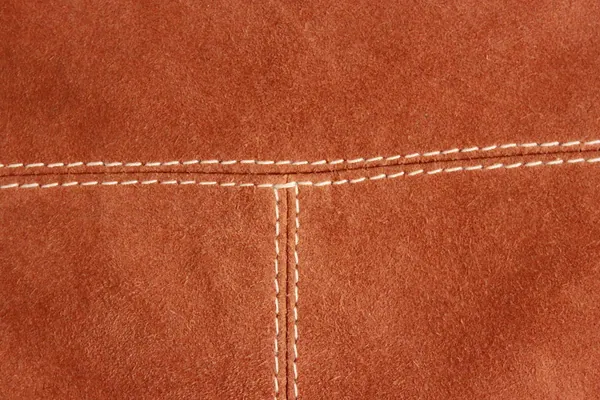
Fabric testing first in Al Shati is very important because salt may have already chemically reacted with the fibres and dyes, and washing may affect what remains of the colour.
Deep dry vacuuming removes salt and sea particles from the surface before water enters, preventing salt from dissolving and mixing with the water.
Washing the fabric, back and sides must focus on removing trapped salt from every seam and fold, especially surfaces exposed to windows.
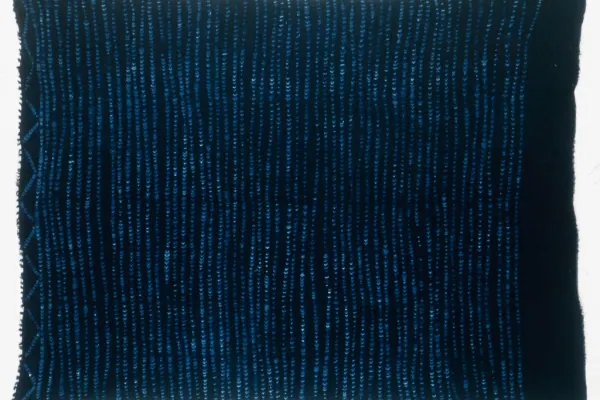
Cushions from both faces trap salt and moisture very readily in the filling. Two-sided washing ensures all trapped salt and mould is completely removed.
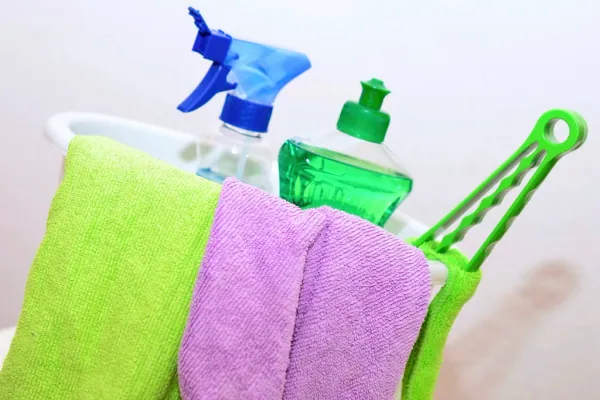
Stains on Al Shati sofas are usually salt mixed with mould and regular dirt, each requiring separate treatment matched to its actual material.
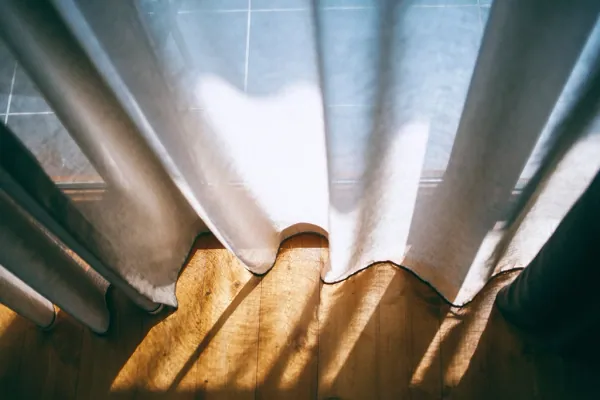
Wet extraction and ventilation are essential in Al Shati because coastal moisture may cause rapid mould regrowth if water is not powerfully extracted and air flow is not forced.
Cotton, velvet, chenille and synthetics do not take the same heat or the same product.
Before any water.
An oil mark is not treated like a juice mark.
We wash with the method that suits the fabric.
The piece is left slightly damp, never wet.
We go over the pieces with you before leaving.
Testing the product on a hidden patch is a step we treat as necessary rather than optional.
The company employs more than forty cleaners, and we send a crew rather than an individual.
The washing and extraction machines are ours and travel with the crew.
If a piece needs reupholstering rather than washing, we say so.
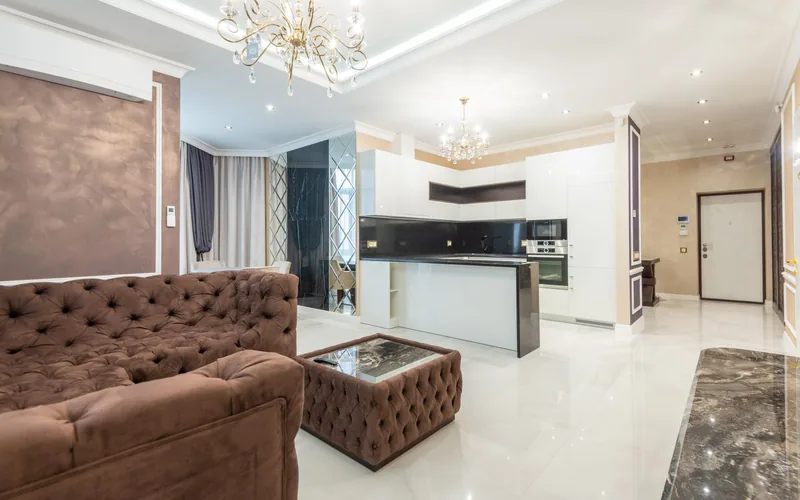
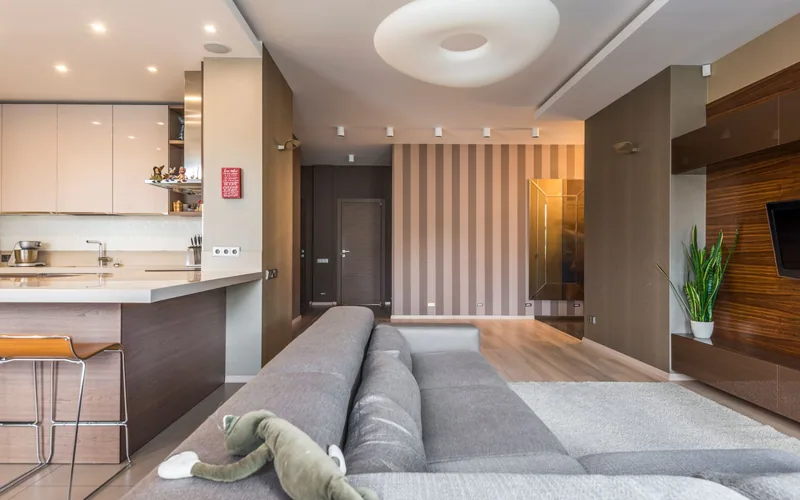
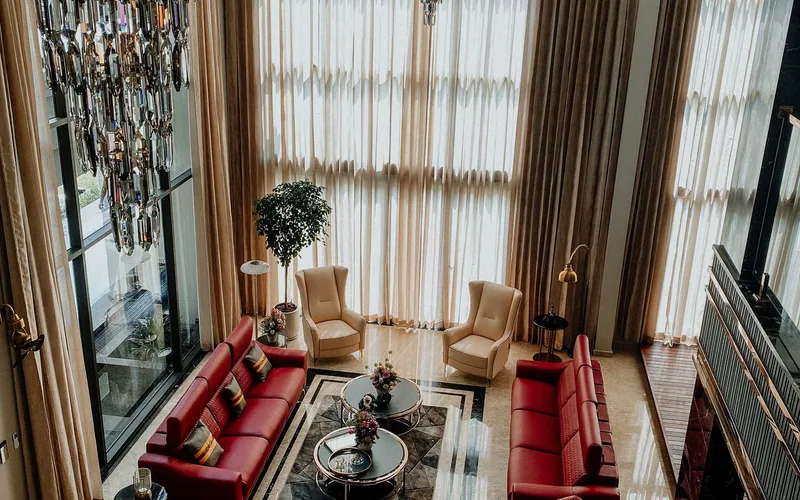
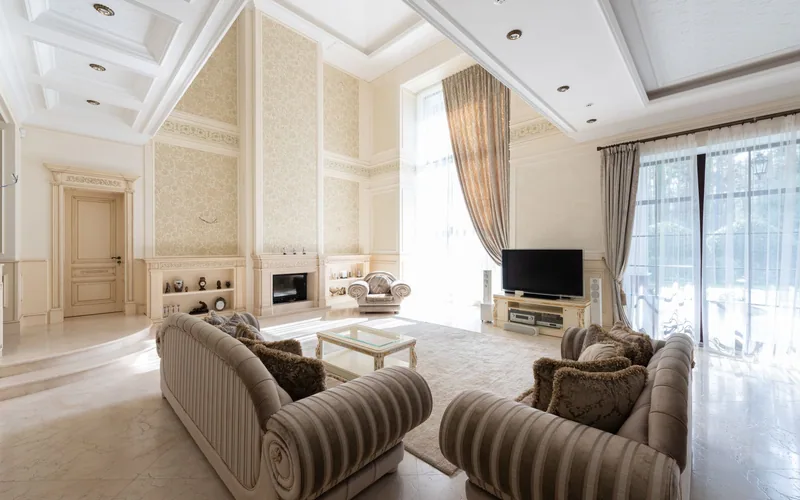
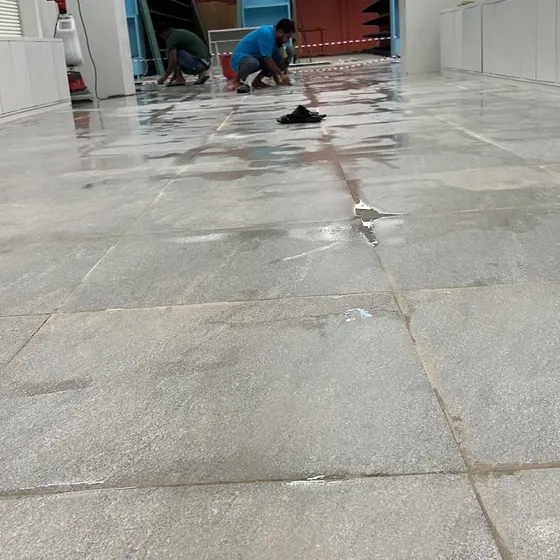
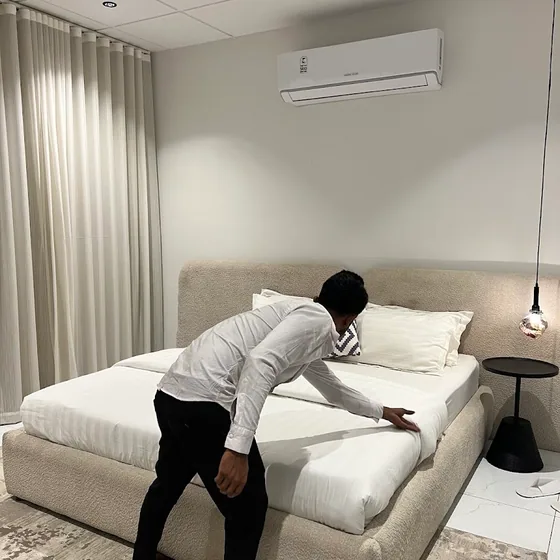
Photographs from real jobs carried out by the crew.
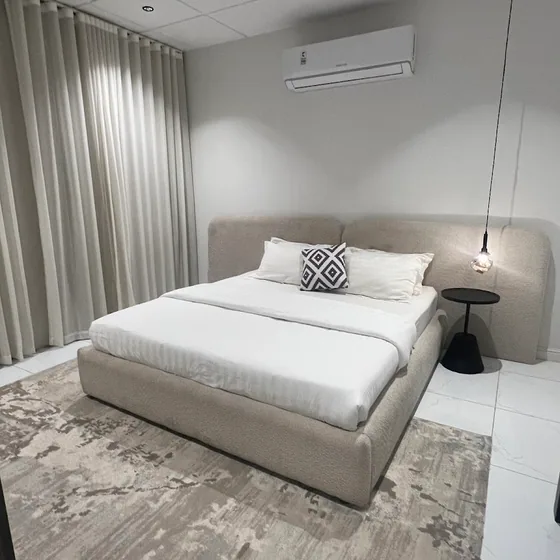
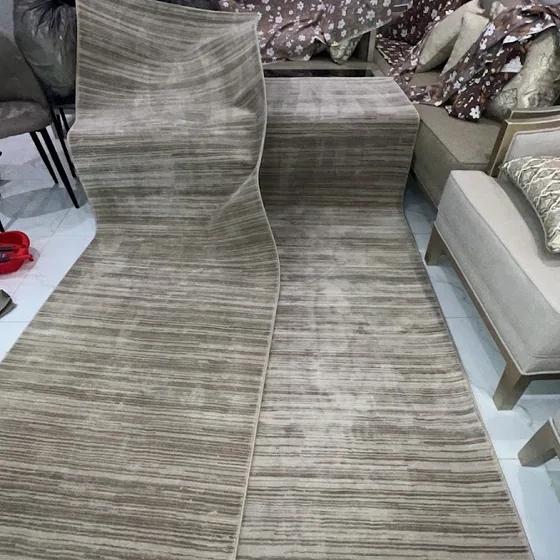
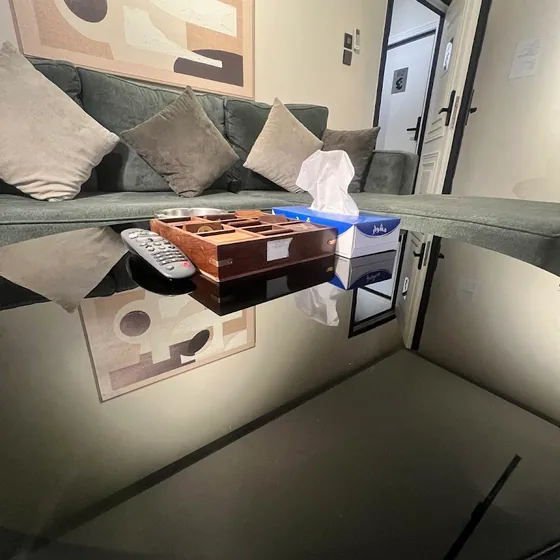
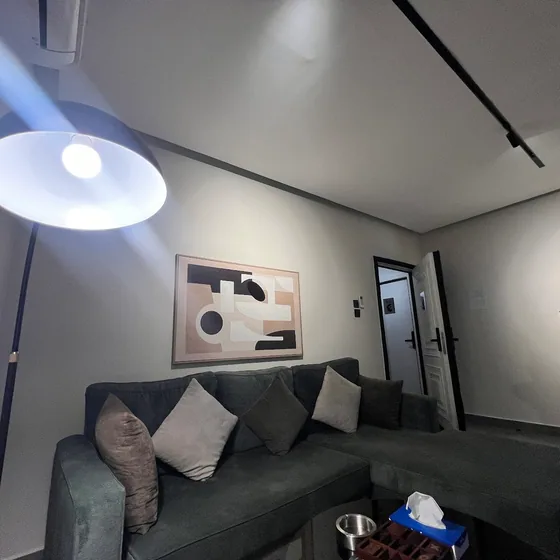
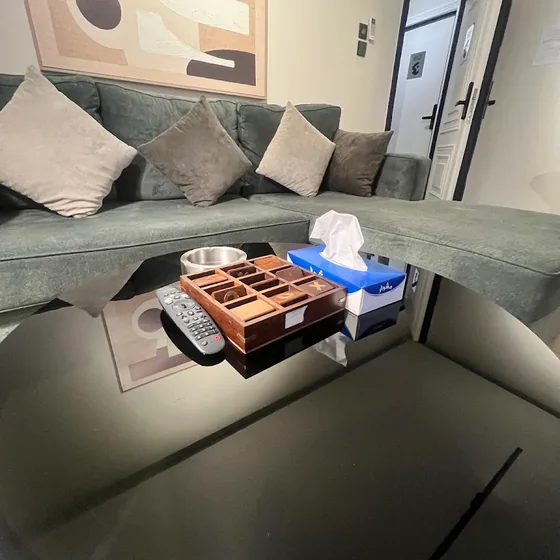
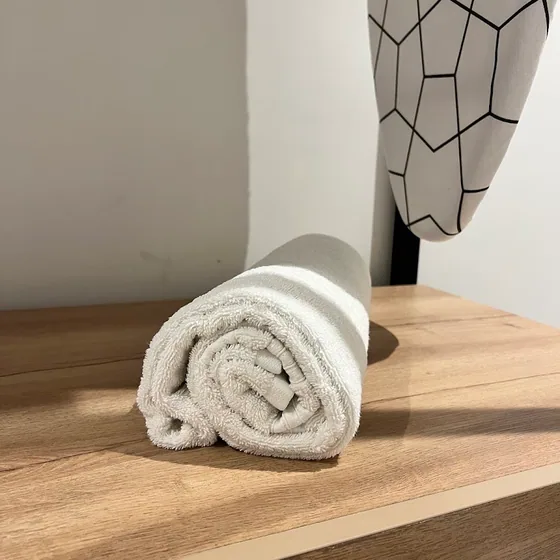
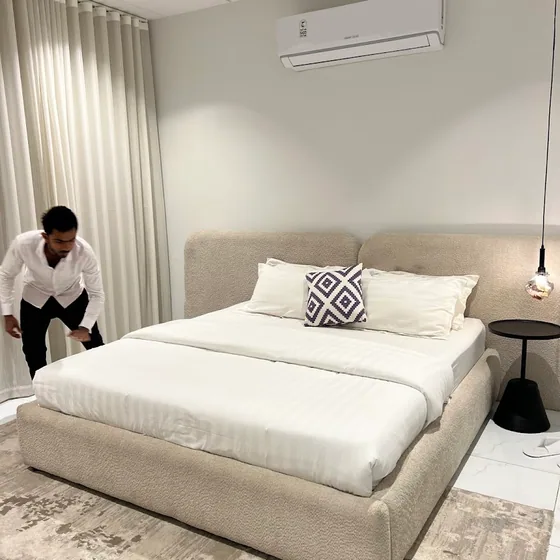
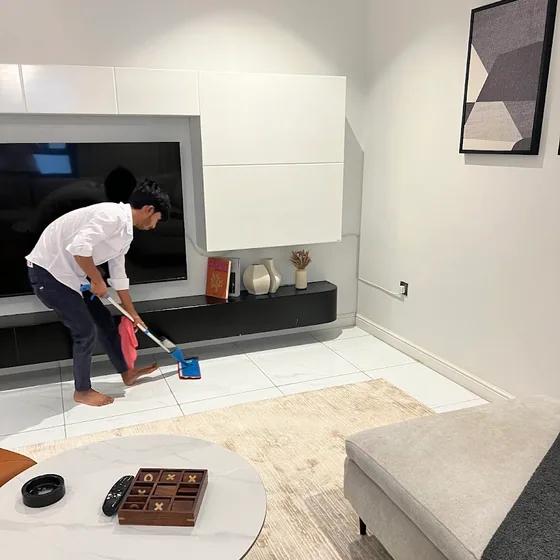
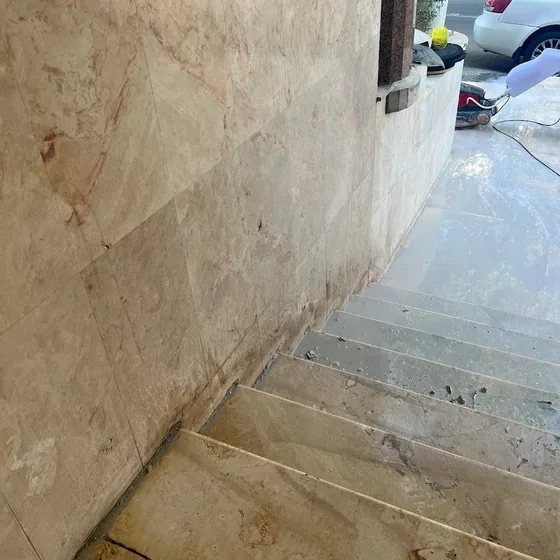
The commitment is simple enough to be keepable: we do not leave until you have seen the result and given your view of it.
Coastal area: high humidity and salt air through the year
In a coastal area like Al Shati, sofas face salt and mould together on a daily basis.
We provide these in Al Shati too, and more than one can share a single visit.