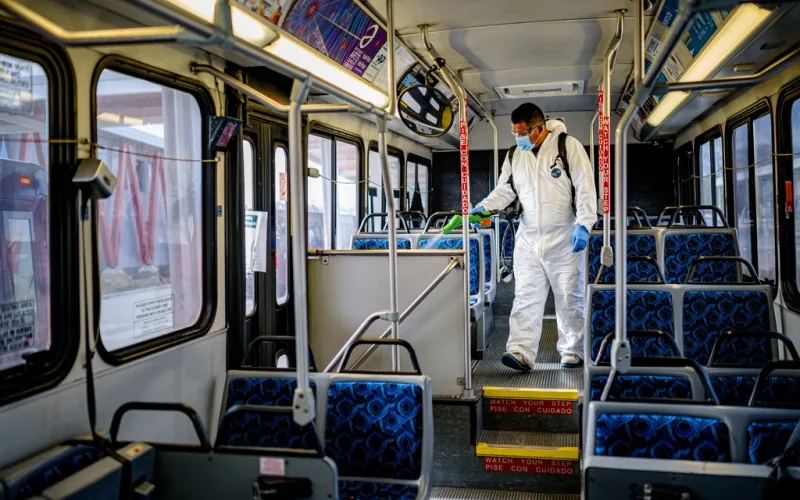
We test before we wash
Testing the product on a hidden patch is a step we treat as necessary rather than optional.
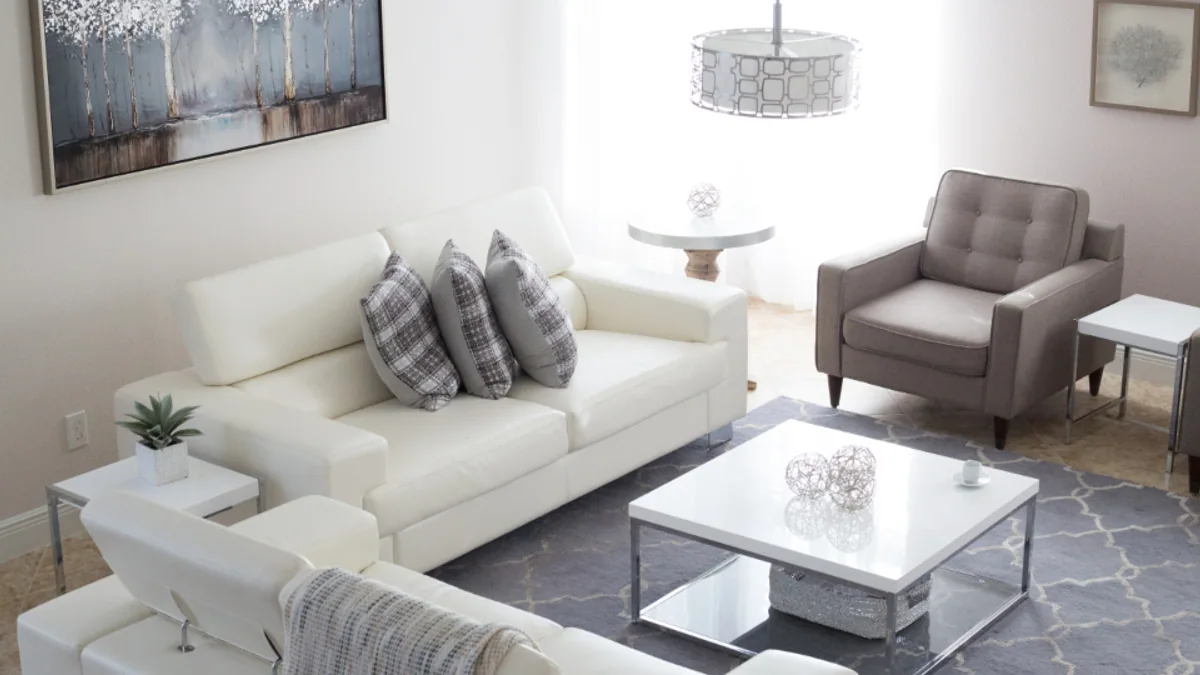
Historic Jeddah is a UNESCO World Heritage site with stone and timber merchant houses built between the fifteenth and sixteenth centuries, the old quarters of Al Mazlum, Al Sham, Al Yaman and Al Bahr, and traditional markets such as Souq Al Alawi and Souq Al Nada. Smooth worn floors of terrazzo and old ceramic readily absorb cooking grease and oils.
Sofas in the historic homes carry the market and cooking smell as a permanent background, embedded in the foam. For the method itself, see the full sofa and upholstery cleaning page.
Souq Al Alawi, Souq Al Nada and the lanes around the old mosques and houses have shops, cafes and restaurants on the same streets as the homes. Aromas, oils and smoke rise into the houses constantly.
Terrazzo and old polished ceramic tile worn smooth by decades of use transfer dirt, grease and oils readily from the street and market to sofas and rugs.
The narrow lanes and adjoining buildings prevent natural air circulation, so odour, dust and oils remain trapped between the walls.
Traditional markets, shops and cafes in the narrow lanes release cooking vapours, food aromas and smoke from dawn through evening.
Fabric testing of old cloth is especially sensitive because historic fabrics may be very fine and delicate products can harm them.
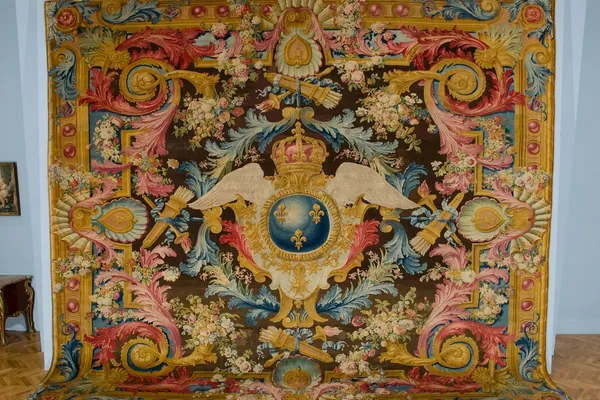
Deep vacuuming is essential because dust and oils have accumulated on the cloth for years.
Sofas, curtains and rugs together are necessary because all absorb from the same markets and streets.
Old cushions are examined with great care because moisture and oils have left deep marks.
Greasy, oily and smoke stains need unique specialist products that do not harm delicate fabric.
Drying after washing must be complete, and continuous ventilation is essential to prevent mould.
Cotton, velvet, chenille and synthetics do not take the same heat or the same product.
Before any water.
An oil mark is not treated like a juice mark.
We wash with the method that suits the fabric.
The piece is left slightly damp, never wet.
We go over the pieces with you before leaving.
In Historic Jeddah near Al Shafi'i Mosque and Souq Al Alawi around Uthman ibn Affan Mosque and the old quarters, we reach the homes through the narrow lanes and historic landmarks.
Testing the product on a hidden patch is a step we treat as necessary rather than optional.
The company employs more than forty cleaners, and we send a crew rather than an individual.
The washing and extraction machines are ours and travel with the crew.
If a piece needs reupholstering rather than washing, we say so.
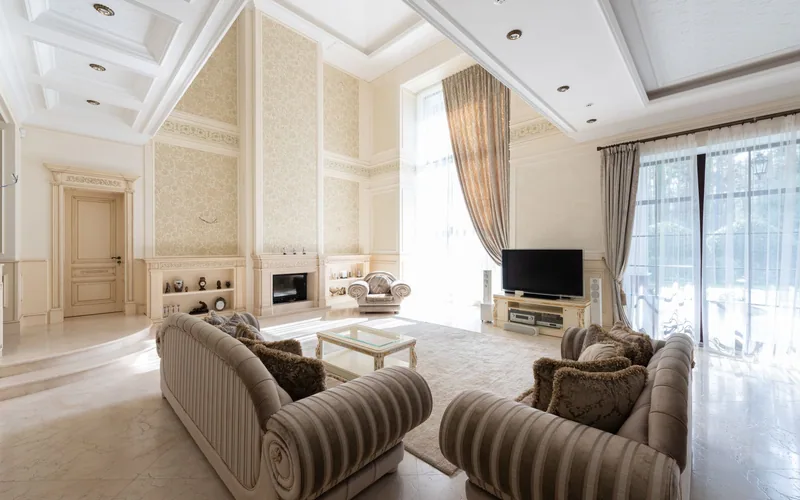
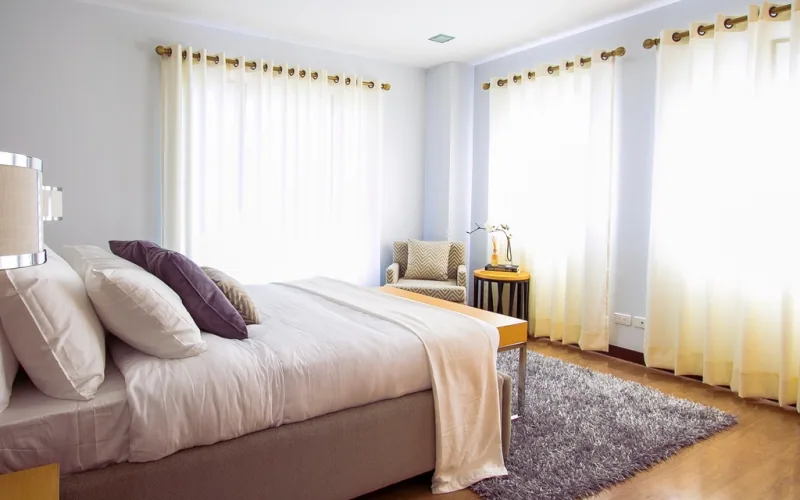
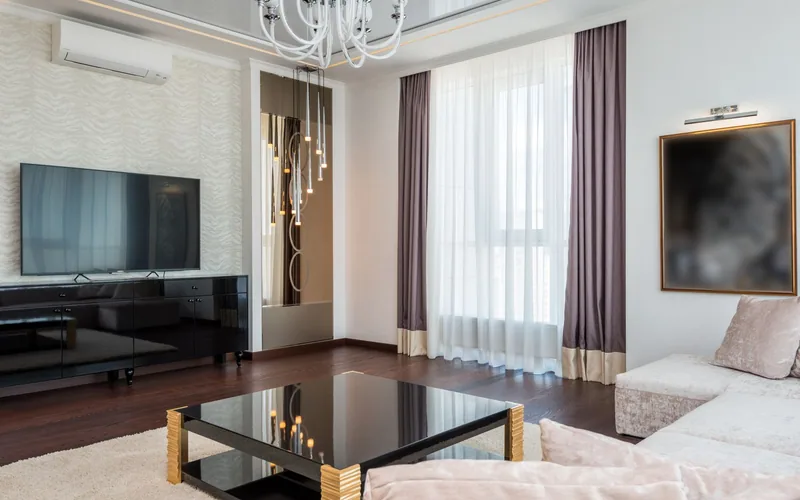
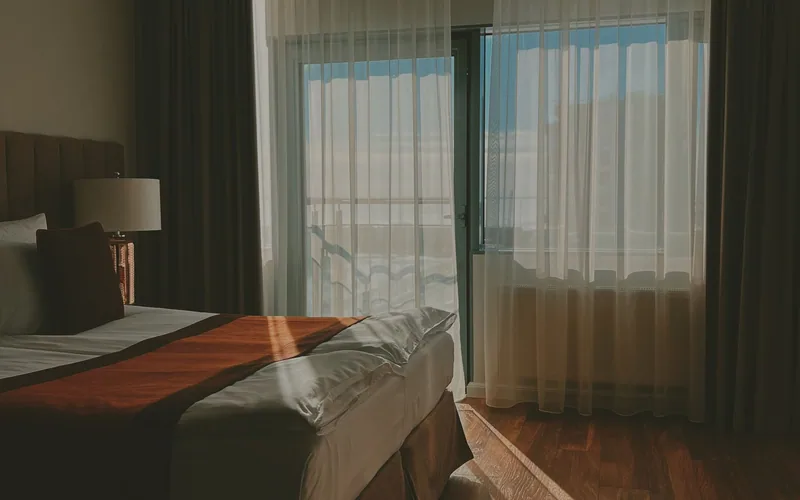
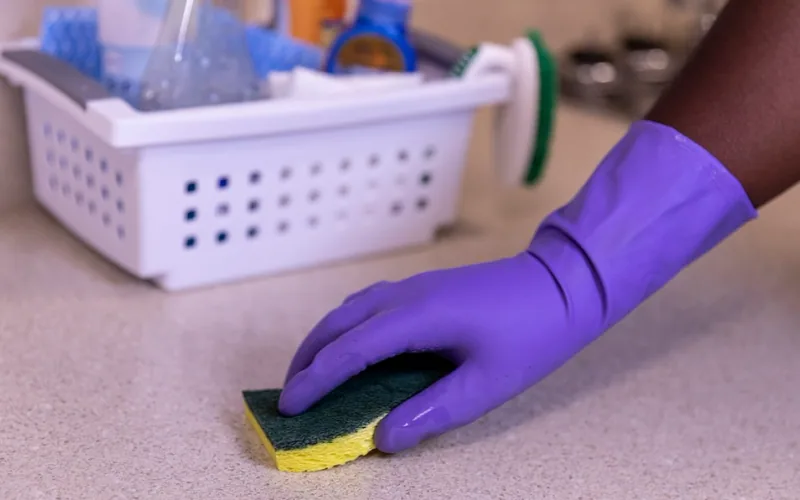
Photographs from real jobs carried out by the crew.
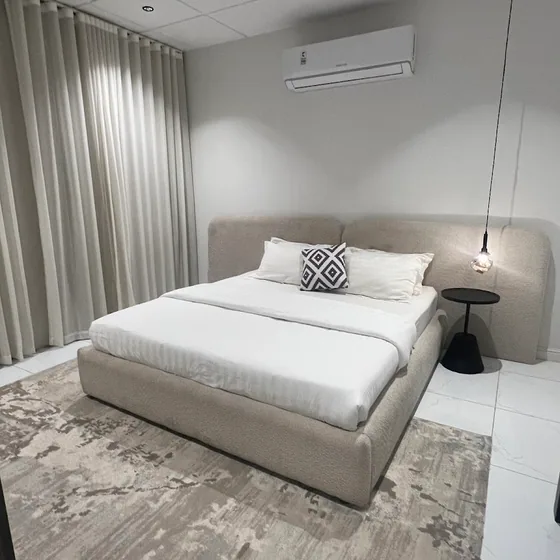
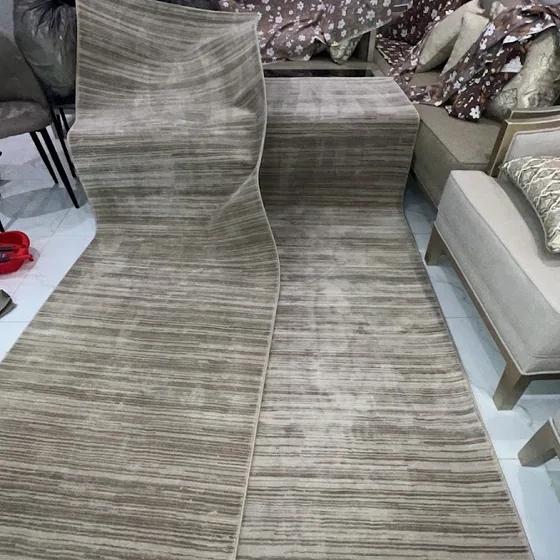
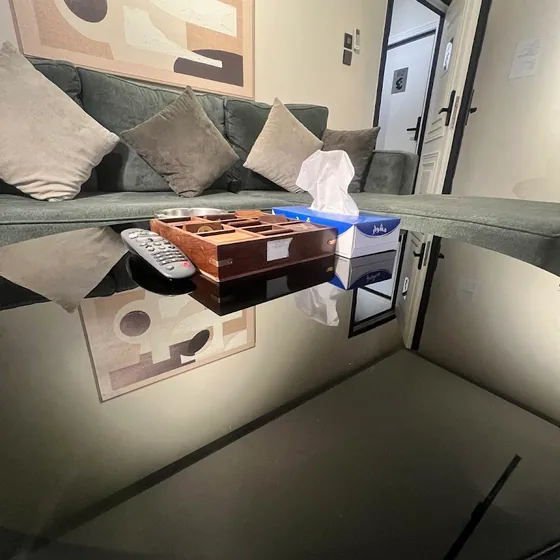
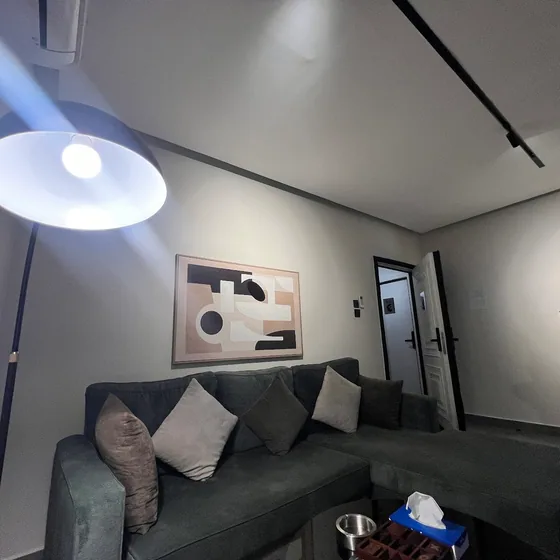
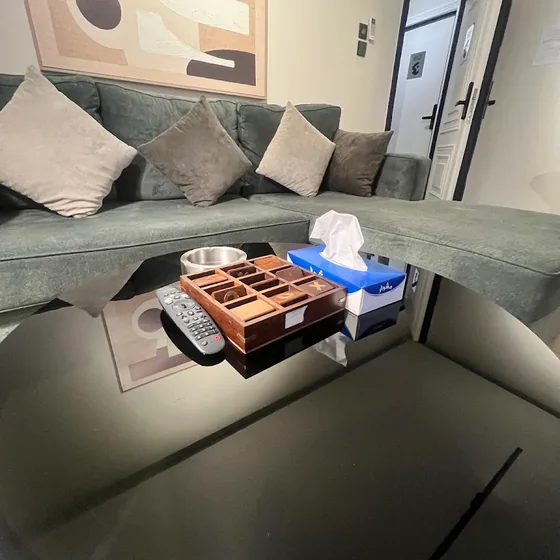
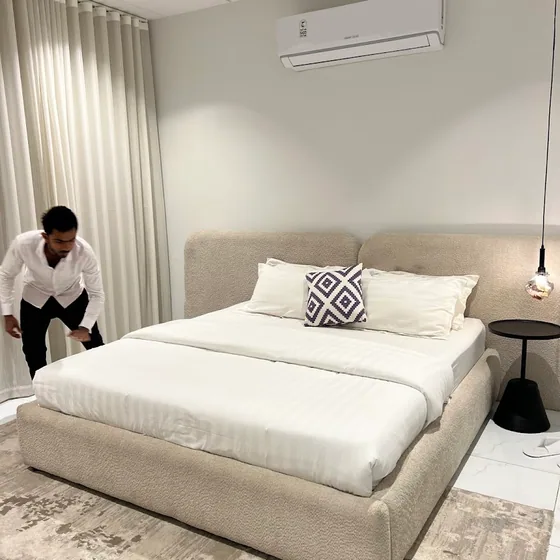
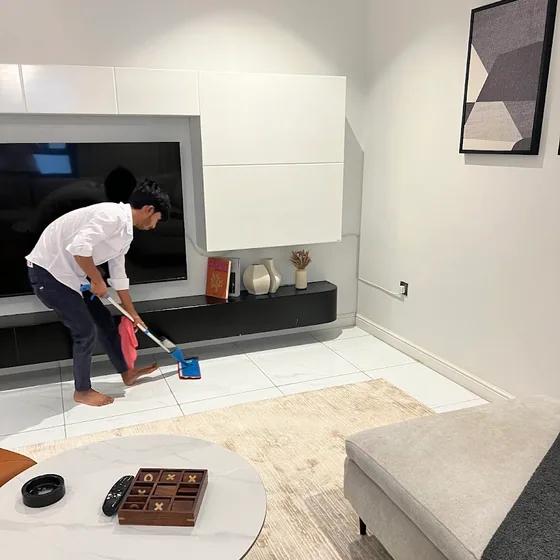
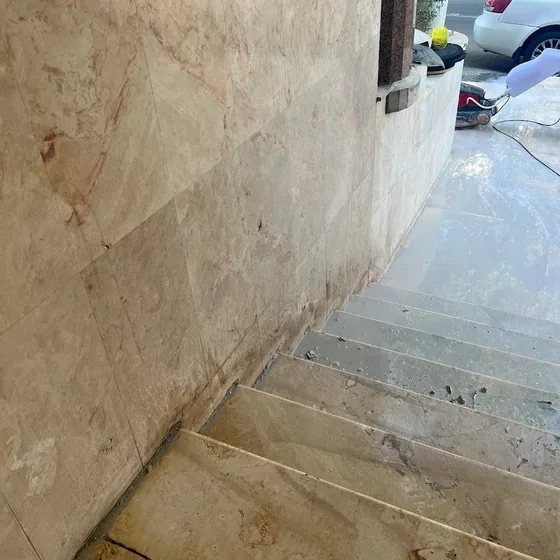
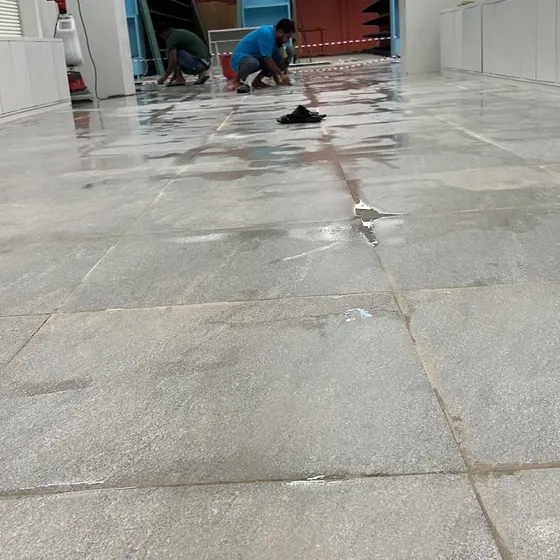
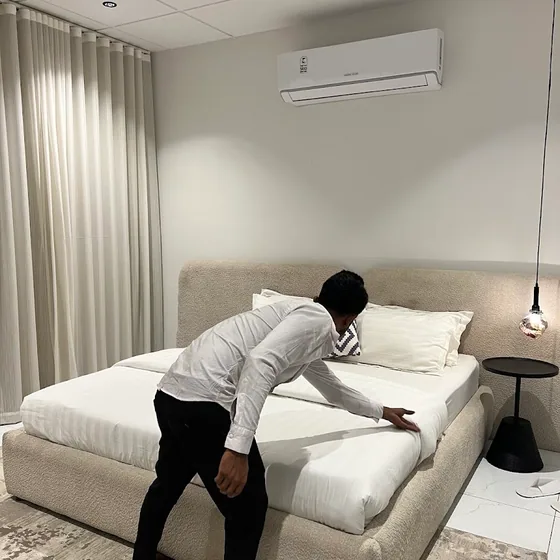
The commitment is simple enough to be keepable: we do not leave until you have seen the result and given your view of it.
Central Jeddah is the old heart of the city: Al Balad with its coral stone houses, and the dense apartment quarters around it with shops beneath the flats. Floors here are often terrazzo or older ceramic tile, worn smooth and easily stained by cooking grease that drifts up from the street. Older kitchens and bathrooms carry heavy scale on taps and around drains, and pipework in the older blocks leaves rust marks in basins. Rugs and curtains take on the fine black dust of the main roads, so they need washing more often than elsewhere.
We provide these in Historic Jeddah too, and more than one can share a single visit.