We test before we wash
Testing the product on a hidden patch is a step we treat as necessary rather than optional.

Al Hamra sits on the Red Sea shore where salt and humidity dictate the condition of every fabric. Sofas here absorb salt deep into the foam and hold moisture longer than inland districts, making deep periodic cleaning a necessity rather than a choice. We identify the fabric type before we begin, because salt air changes how different materials respond to water.
Upholstery on the coast feels heavy with salt and moisture even when it looks clean to the eye. Drying time after washing runs longer than in inland neighbourhoods because the surrounding humidity never falls. For the method itself, see our guide to sofa and upholstery cleaning.
Sea air carries salt particles that settle on sofas, curtains and mattresses. High humidity keeps them damp, creating conditions where mildew and musty smells develop. Deep washing reaches the foam layer where these deposits accumulate and removes them completely, not just from the surface.
Restaurants and cafes on the Corniche cook throughout the day, sending smoke through open windows into nearby flats. The smoke mixes with salt air and binds to fabric in layers. Dry vacuuming extracts the heavier particles before washing to prevent them from spreading during the wash.
Flats in tall towers get less natural ventilation than villas, so salt and moisture stay trapped in the textiles longer. Once wet, the fabrics release their moisture very slowly. After washing, humidity control around the sofa is essential to prevent re-absorption from the air.
Between the King Fahd Fountain and Madinah Road on the Corniche, the district sits among restaurants and cafes where cooking smells travel constantly into homes through open windows. Sea air brings salt deposits daily onto every exposed surface.
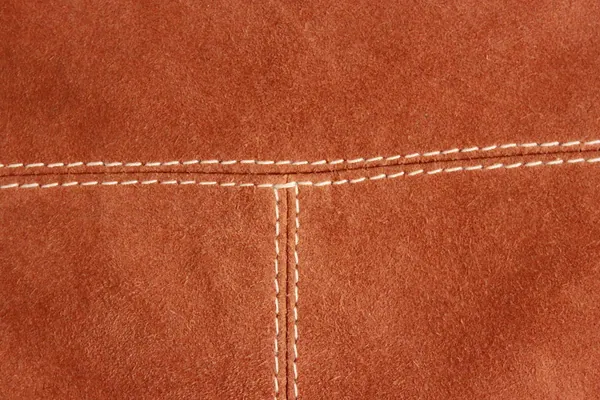
Coastal sofa fabric can be sensitive to salt, so we always test a hidden corner before beginning the full wash to confirm the material tolerates water.
Deep dry vacuuming removes salt particles and the heavy dust brought by constant sea breezes before any moisture touches the fabric.
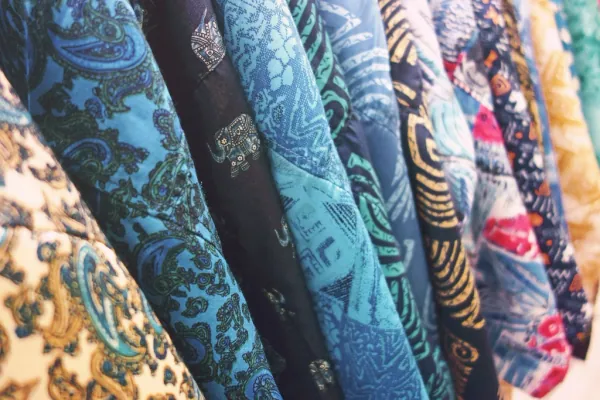
Washing the fabric with a product matched to its type lifts salt and trapped moisture from the foam without damaging the material itself.
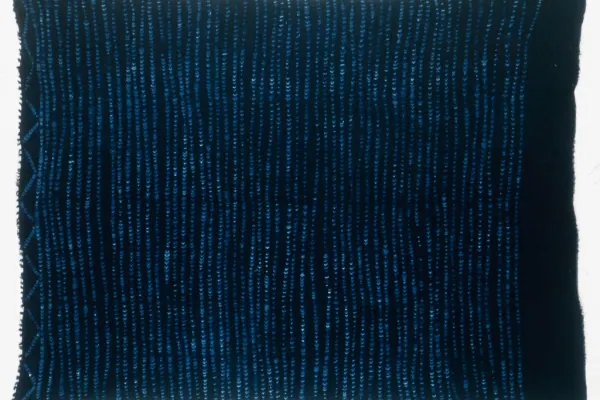
Cushions need special care on the coast because they absorb salt from the air faster than other parts of the sofa and sit in high humidity.

Stains from salt and moisture are treated with their specific product before the general wash to prevent them resettling into the fibres.
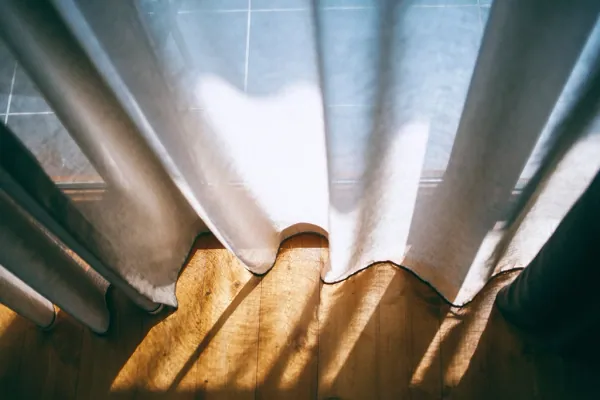
Humidity control and gentle air circulation after washing are critical on the coast, where outside humidity remains high and continues to affect the sofa.
Cotton, velvet, chenille and synthetics do not take the same heat or the same product.
Before any water.
An oil mark is not treated like a juice mark.
We wash with the method that suits the fabric.
The piece is left slightly damp, never wet.
We go over the pieces with you before leaving.
Testing the product on a hidden patch is a step we treat as necessary rather than optional.
The company employs more than forty cleaners, and we send a crew rather than an individual.
The washing and extraction machines are ours and travel with the crew.
If a piece needs reupholstering rather than washing, we say so.
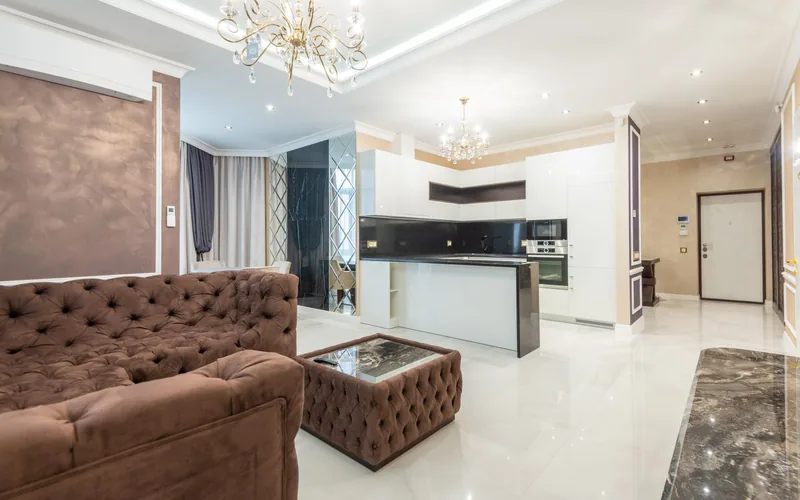
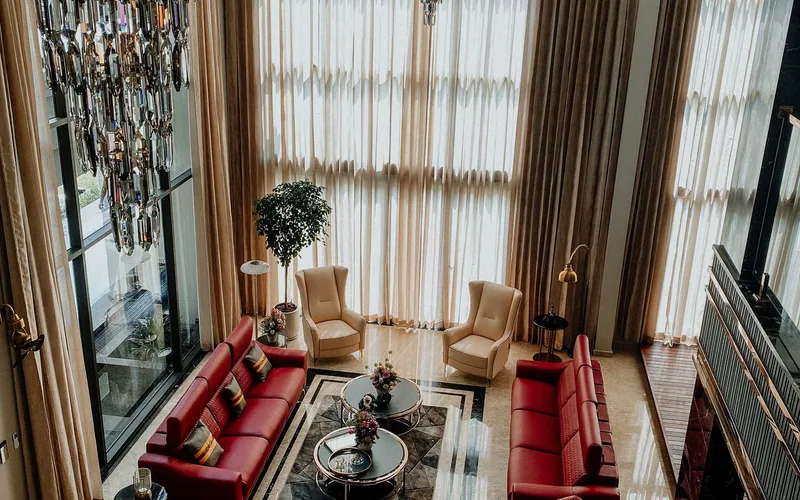
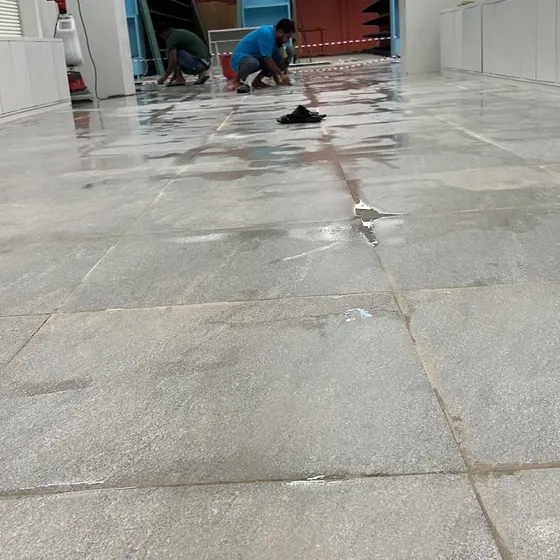
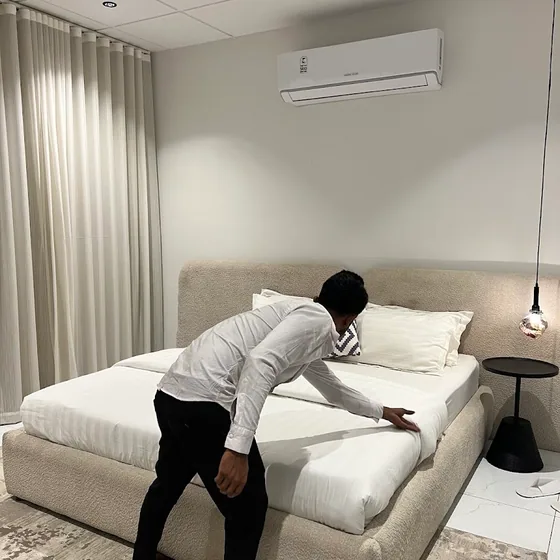
Photographs from real jobs carried out by the crew.
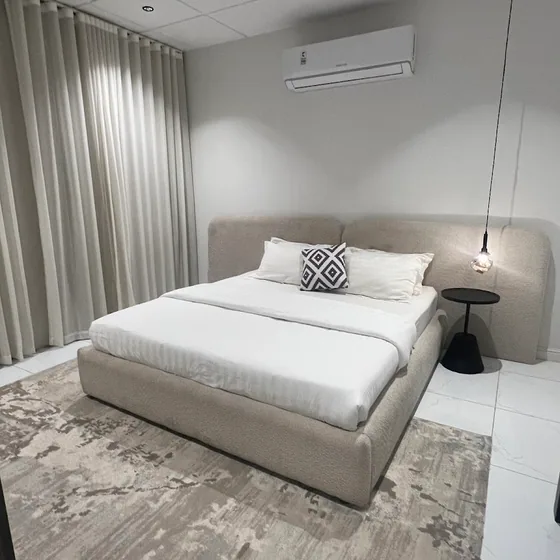
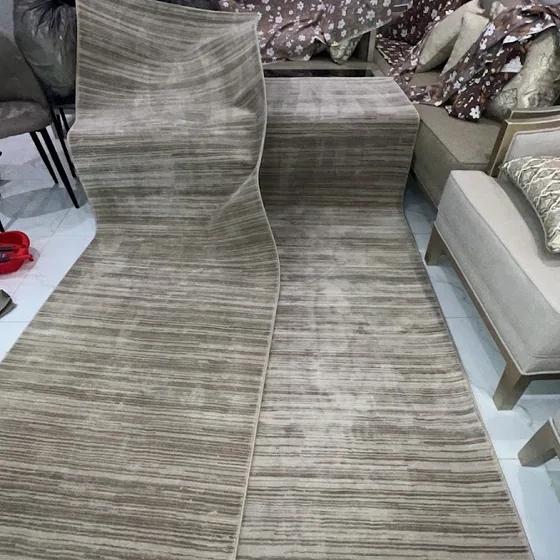
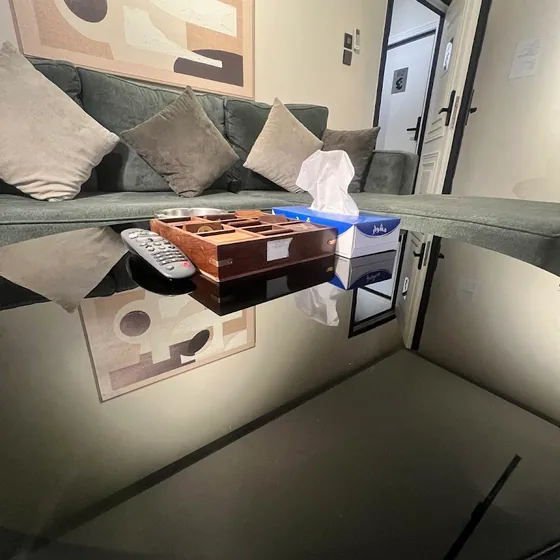
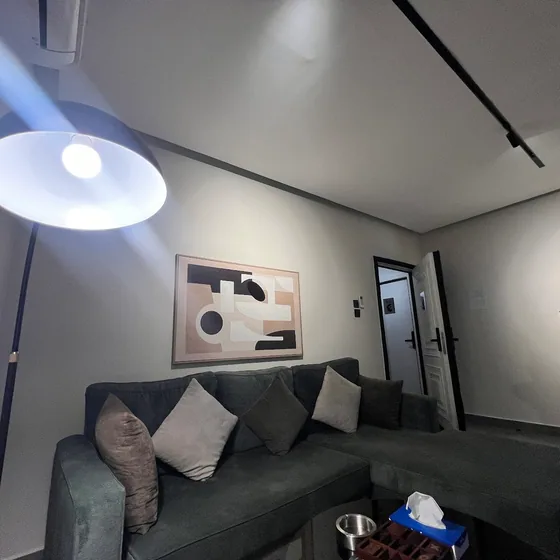
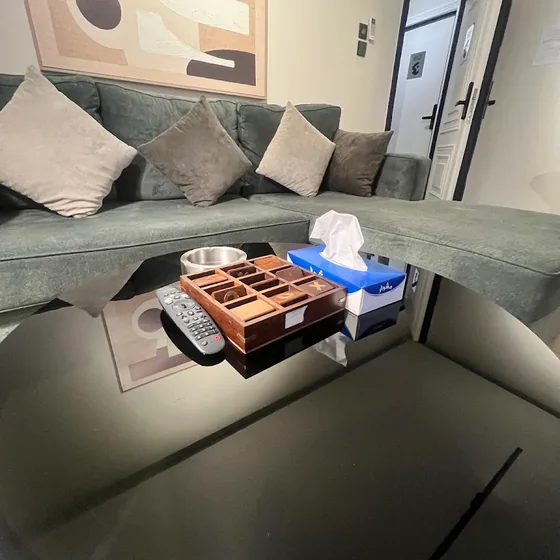
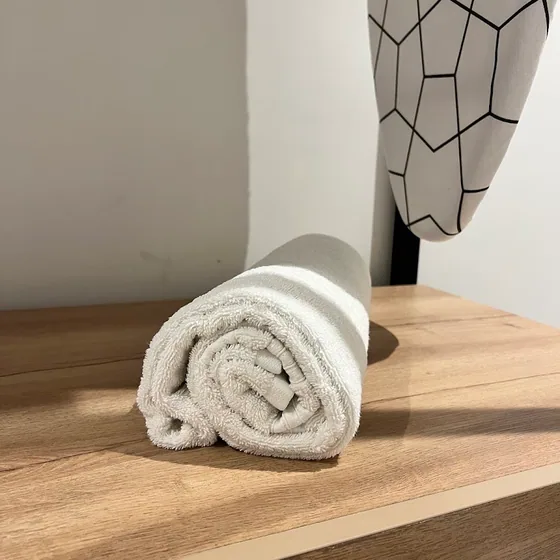
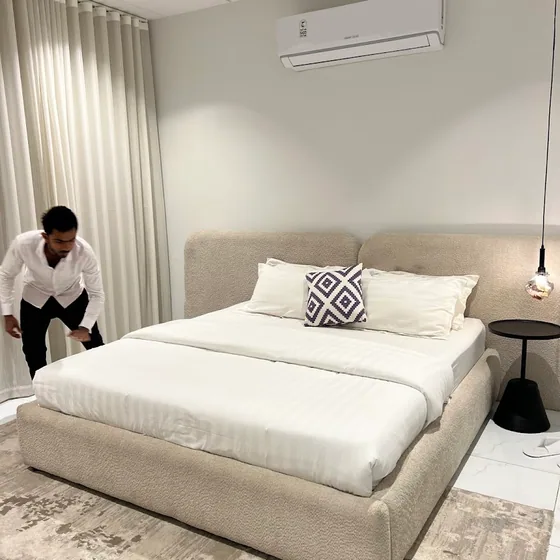
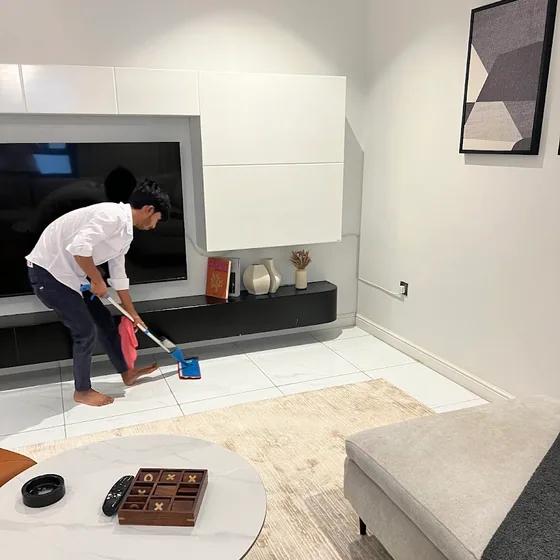
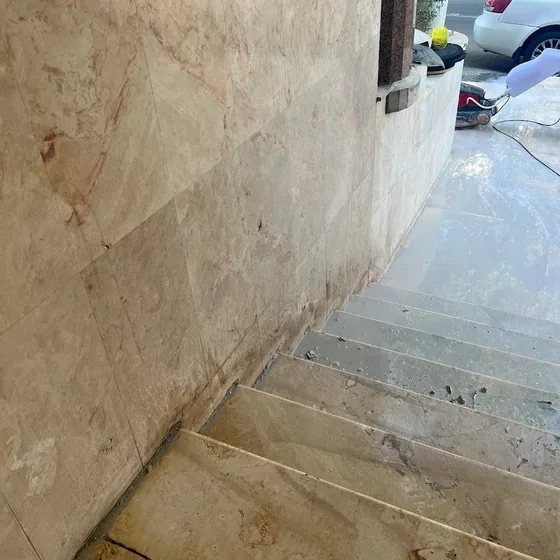
The commitment is simple enough to be keepable: we do not leave until you have seen the result and given your view of it.
Coastal area: high humidity and salt air through the year
Coastal areas require precise humidity monitoring throughout the process. Salt embeds itself in fabric fibres differently than inland dust, and the drying phase after washing must manage the surrounding air to prevent re-absorption.
We provide these in Al Hamra too, and more than one can share a single visit.