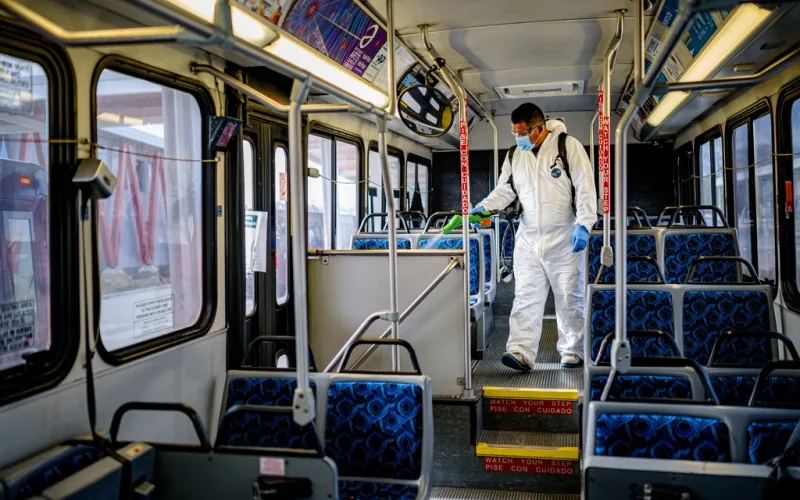
We test before we wash
Testing the product on a hidden patch is a step we treat as necessary rather than optional.
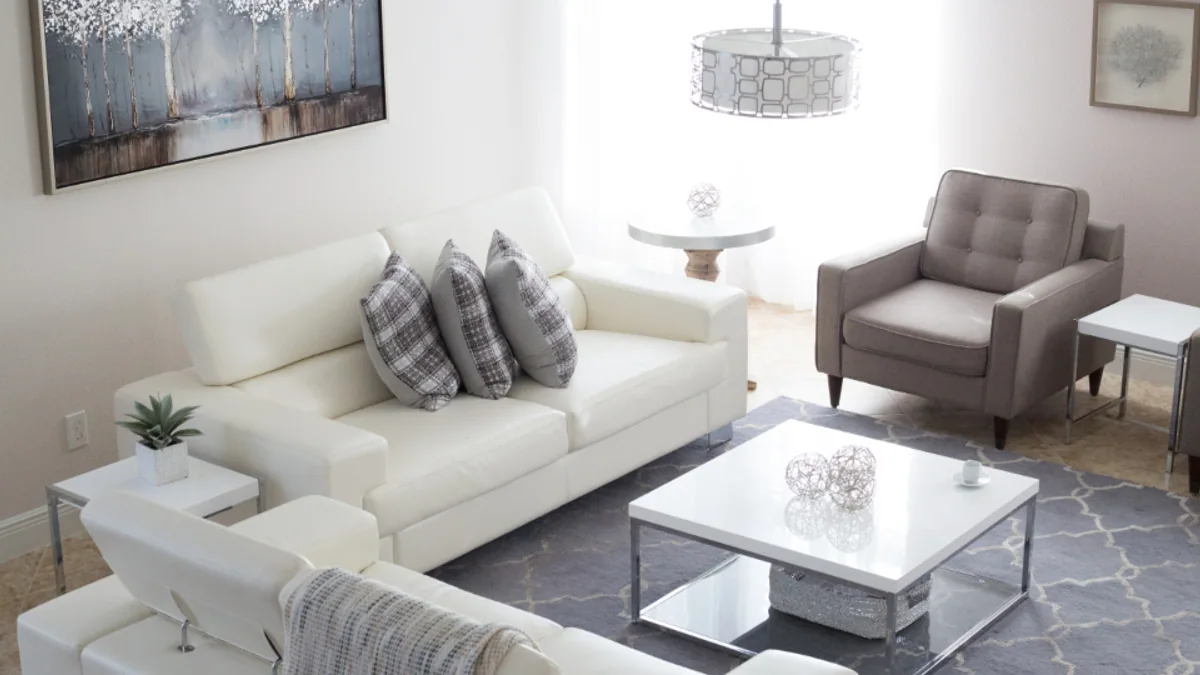
Al Karamah is a newer mixed district on the Middle Ring Road serving both residents and street level commerce. The sofas here face a distinctive greasy dust: diesel soot from heavy goods and fine workshop grit mixing together, embedding deep into the fibres. Surface vacuuming alone does not reach it, and the coastal humidity complicates drying afterwards.
Sofas in Al Karamah blacken from fine soot even with routine wiping. Washing reveals the original colour hidden beneath, which surprises owners the first time. For the method itself, see our guide to sofa and upholstery cleaning.
Diesel and oil particles from fast roads do not dissolve in water alone. Sofas in Al Karamah carry a thin oily film under the visible dust, requiring specialist products that break down grease before final extraction. The chemistry is different from dry dust.
The sea air prevents the fast drying that inland areas enjoy. Ventilation and extraction must be precisely controlled to prevent musty odours returning to the fabrics after washing in this exposed location beside the port.
Frying, spices and workshop fumes from ground floor businesses rise directly into homes above. Sofas absorb these scents deeply into the foam, requiring additional treatment to remove them completely rather than just to mask them.
The district sits between Jeddah Islamic Port and the heavy traffic corridors, and coastal humidity adds complexity to drying and storage after any wash.
Fabrics in Al Karamah carry thick greasy dust that requires testing to determine which method will free it most safely from the weave.
Dry vacuuming removes diesel and workshop particles before washing begins, essential because water alone cannot release embedded grease.
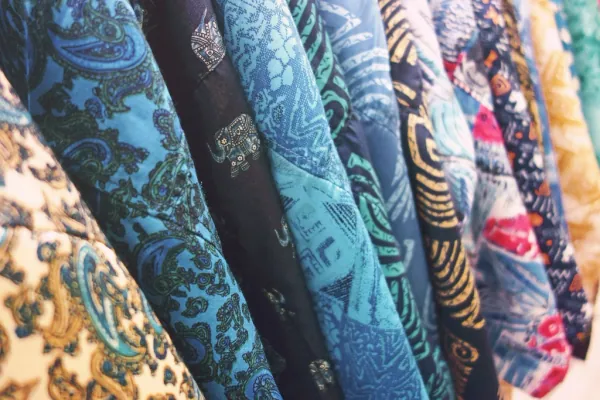
Washing the back and sides is critical here because grease penetrates deeply, not just across the visible sitting surface where people settle.
Cushions absorb the strongest cooking and shop smells, so both faces must be treated thoroughly for residents living directly above working premises.
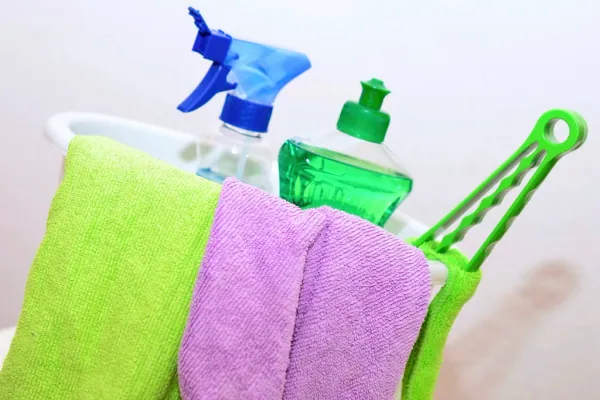
Oily stains from grease and oil need separate products from water-based stains to be fully removed and prevent returning after drying.
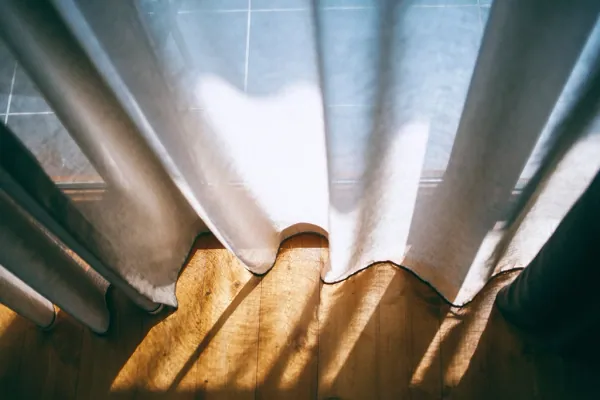
Strong extraction and active ventilation are essential here for rapid drying and to prevent musty smells that coastal humidity otherwise encourages in the damp foam.
Cotton, velvet, chenille and synthetics do not take the same heat or the same product.
Before any water.
An oil mark is not treated like a juice mark.
We wash with the method that suits the fabric.
The piece is left slightly damp, never wet.
We go over the pieces with you before leaving.
Mixed district: shops at street level with homes above them
Living above shops means the sofa is exposed to cooking smoke, frying oil and workshop fumes every day from below. Washing must reach the deep foam where these odours settle, not just the visible surface of the sofa.
Testing the product on a hidden patch is a step we treat as necessary rather than optional.
The company employs more than forty cleaners, and we send a crew rather than an individual.
The washing and extraction machines are ours and travel with the crew.
If a piece needs reupholstering rather than washing, we say so.
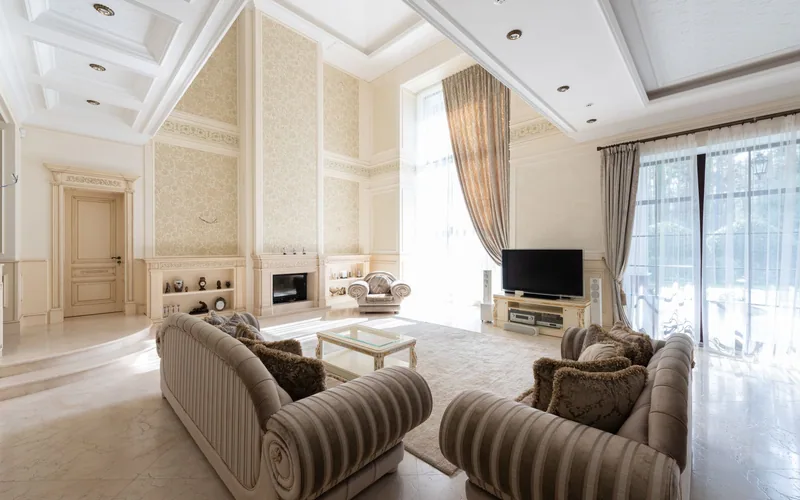
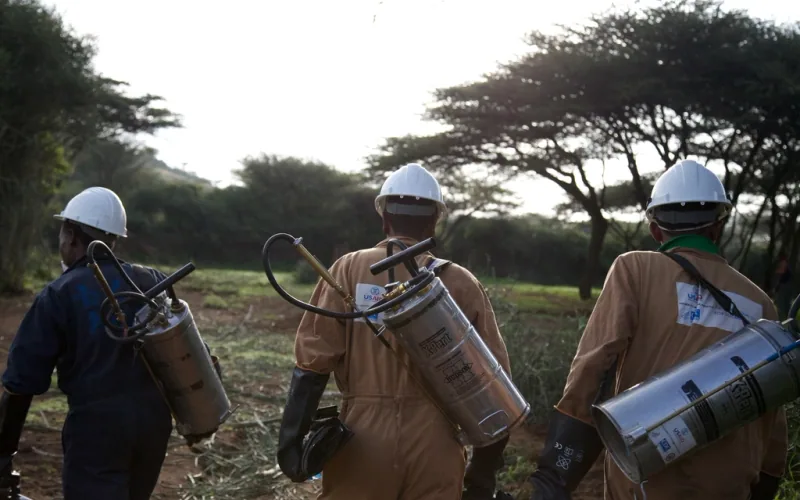
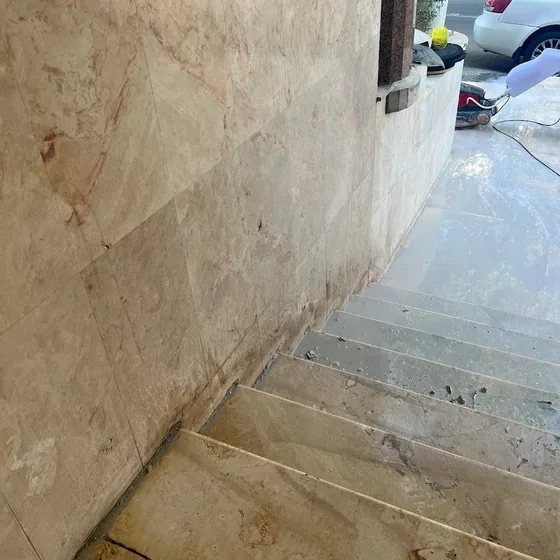
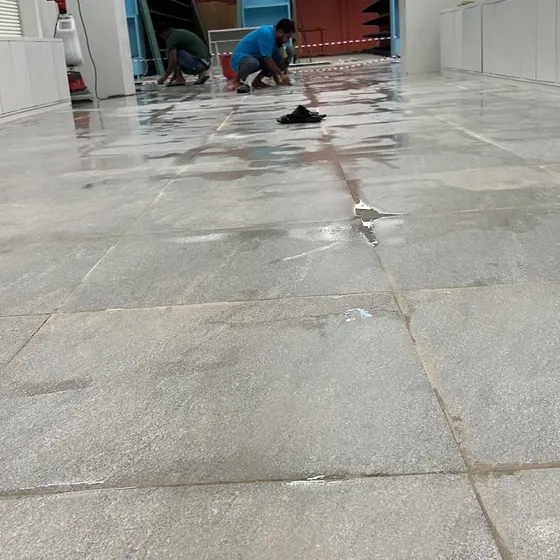
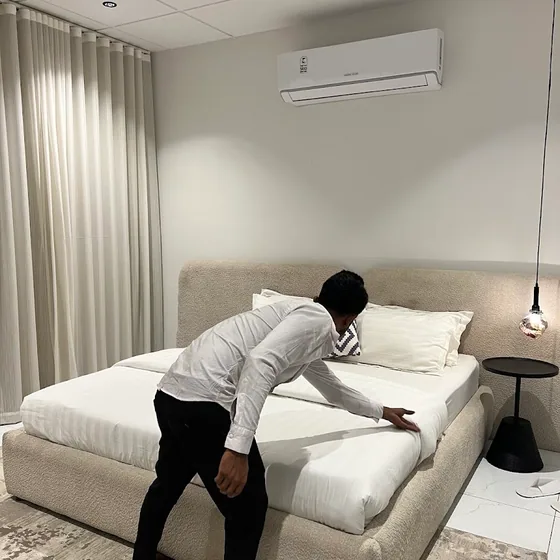
Photographs from real jobs carried out by the crew.
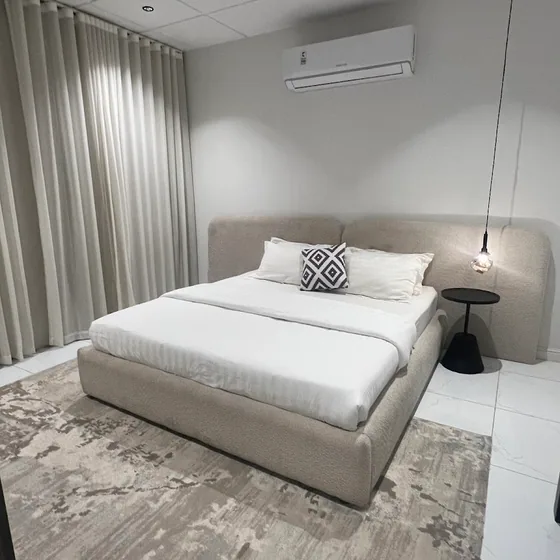
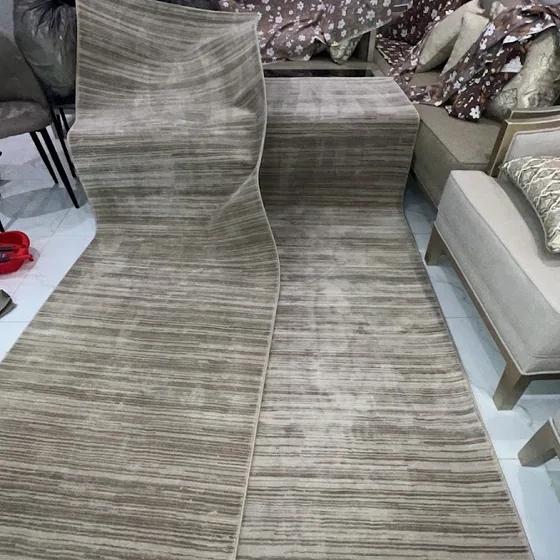
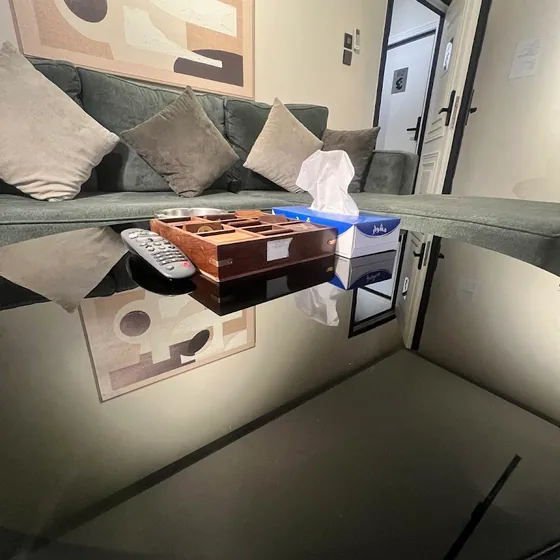
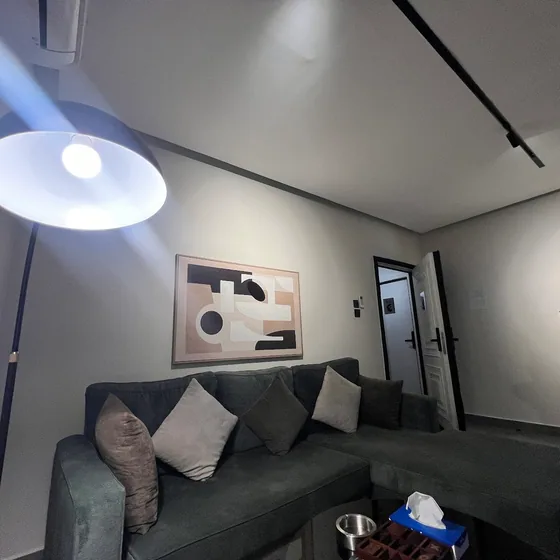
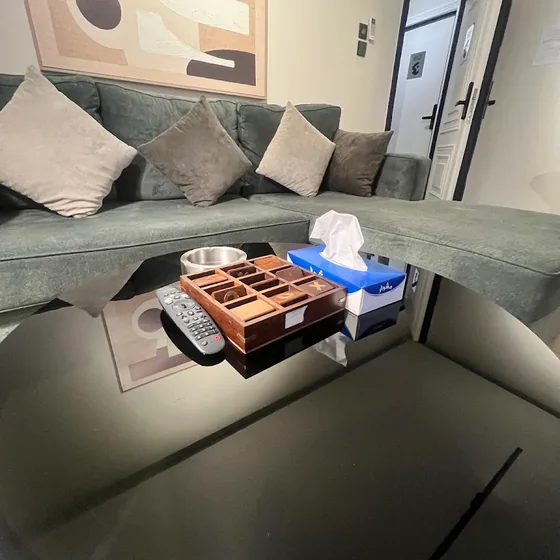
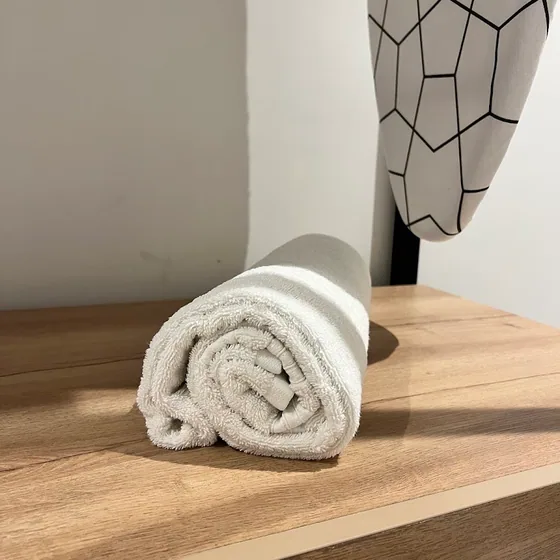
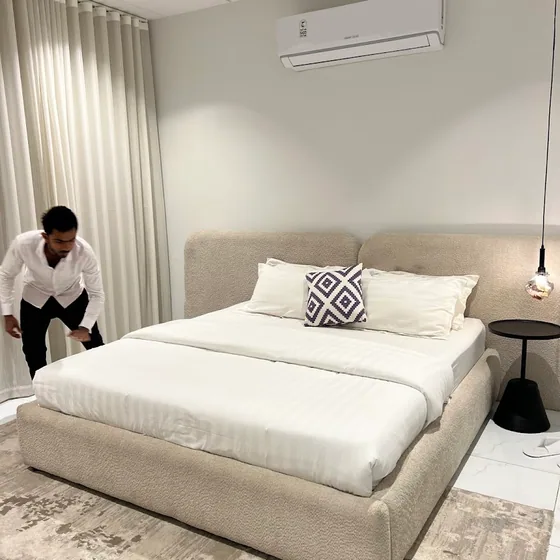
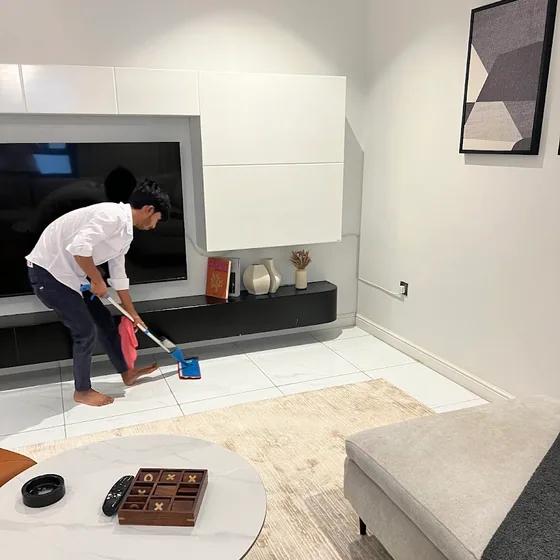
The commitment is simple enough to be keepable: we do not leave until you have seen the result and given your view of it.
South Jeddah runs from the port and the industrial city down towards Al Khumrah, and homes here sit between the sea and the heavy goods roads. The dust is darker and oilier than in the north, a mix of diesel soot and workshop grit, and it clings to net curtains, window sills and the tops of kitchen cupboards. Floors in the older low rise housing are often plain cement or ceramic tile that darkens where soot is walked in. Humidity from the coast adds mildew in bathrooms and a musty smell in stored fabrics.
We provide these in Al Karamah too, and more than one can share a single visit.