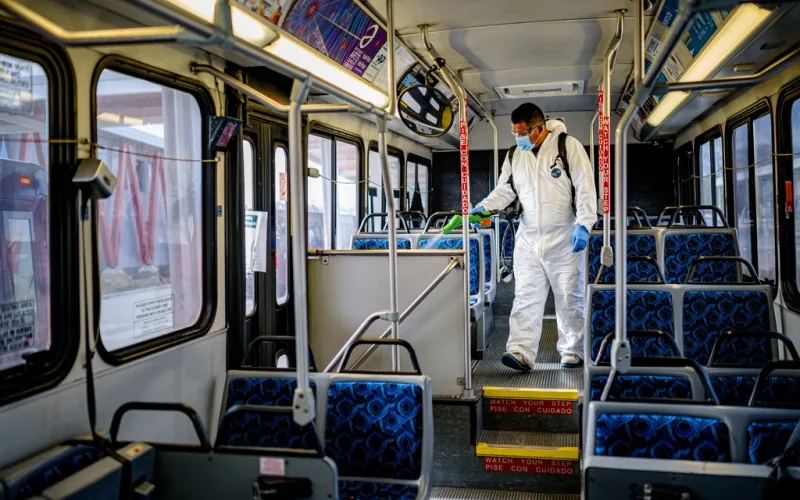
We test before we wash
Testing the product on a hidden patch is a step we treat as necessary rather than optional.
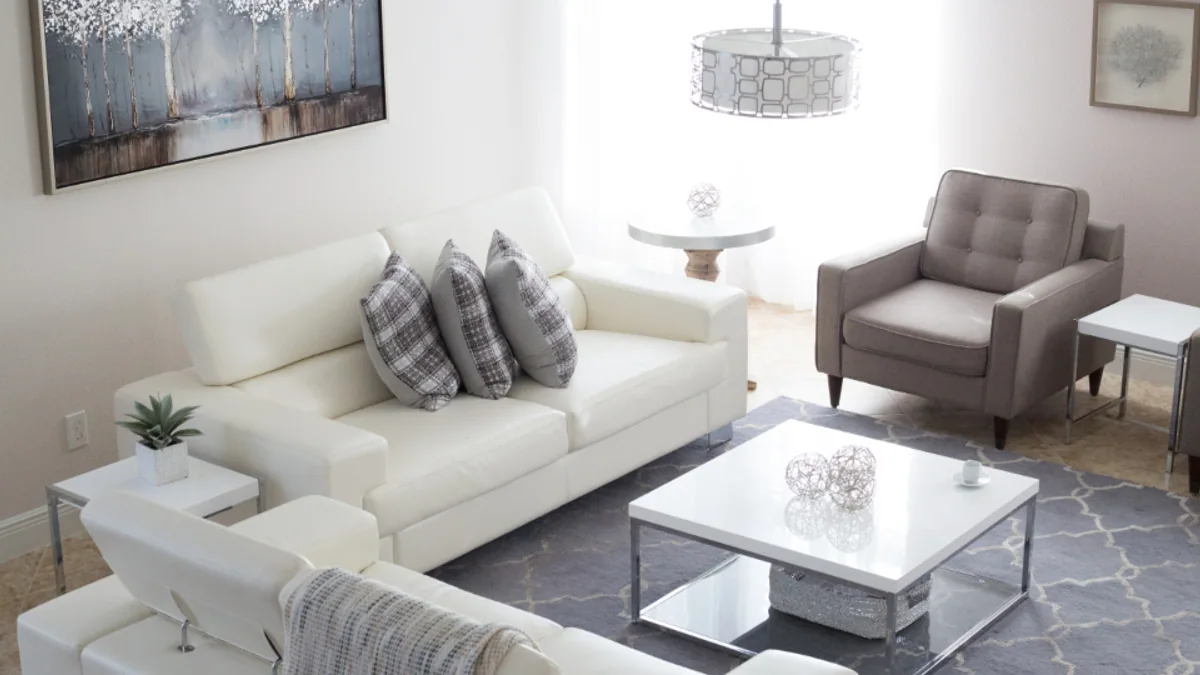
Al Mawj is the southernmost subdivision in Jeddah, positioned near the regional Al Lith highway. Construction is active and sofas are typically brand new, but the location between heavy roads means dark oily dust settles heavily on modern textiles. Empty plots and incomplete buildings allow polluted air to enter freely. New fabrics absorb this grime quickly, and oily marks appear before you expect them.
New sofas in Al Mawj soil quickly from oily dust and emissions off the heavy goods routes, leaving odours before visible marks appear on the surface. For the method itself, see our guide to sofa and upholstery cleaning.
Al Mawj is a new subdivision not yet settled: many empty plots, active construction and incomplete buildings everywhere. This means air is laden with building dust and new sofas have not acclimated to the environment. Fresh foam absorbs pollutants rapidly, and virgin textiles have not developed any resistance to repeated exposure to industrial particles.
Al Mawj sits between the Al Lith highway and the ring road, a corridor of heavy truck movement. Dust is not ordinary but a mix of diesel soot and heavy industrial particles. This dust is dark and oily and far harder to remove than light coastal sand. New furniture is not equipped to handle it, and both fibres and foam absorb it differently than they would in quieter districts.
Al Mawj is close to the sea but new buildings stand open to the coastal breeze. Salt and moisture enter easily, and new upholstery absorbs the salt rapidly. White residue appears on edges fast, and mildew can start in moisture trapped between fibres and foam if humidity is not managed.
The area sits near the Al Lith highway extension south, positioned between the ring road and the axial road. It is close to the coastal strip but in a development zone still in early construction phases with few completed buildings.
Testing new fabric in Al Mawj includes checking for salt and moisture that may have already entered the filling, even if the sofa looks clean.
Deep dry vacuuming removes the heavy oily dust and surface salt before any water touches the fabric.
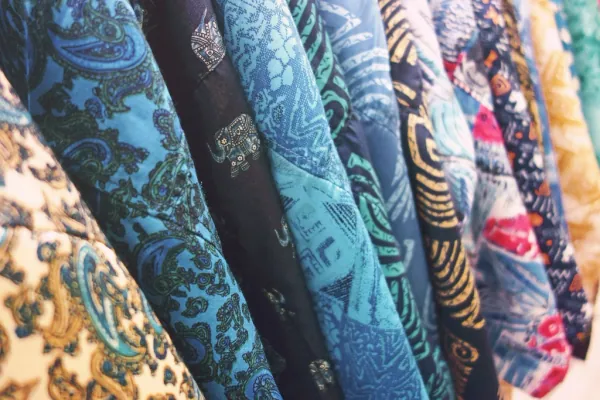
Washing new sofas and seating requires gentle products combined with deep extraction to remove both salt and soot without damaging fresh textiles.
New cushions are washed carefully on both faces, and fresh filling may retain moisture longer than expected because of salt deposits already present.
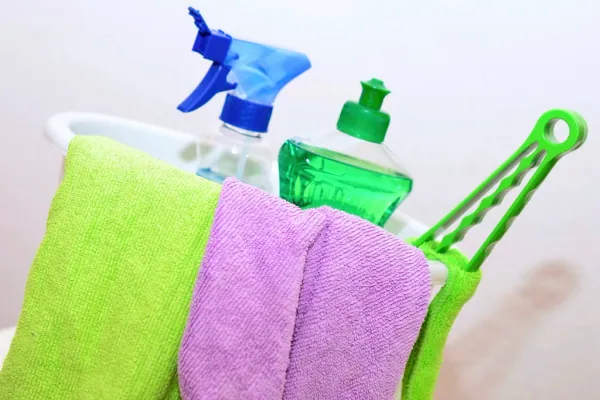
Stains on new sofas may be salt or soot, so each type is treated with its specific chemistry based on what marks the material.
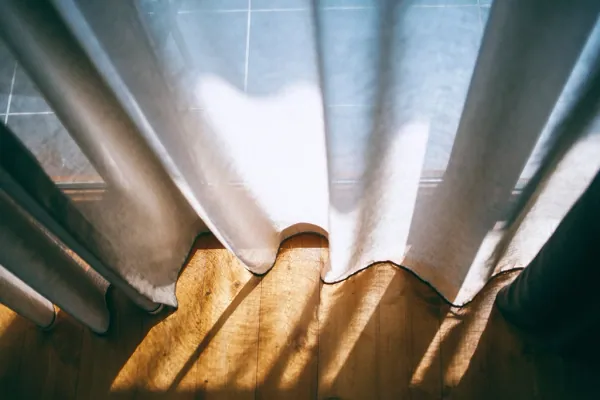
Wet extraction and extended ventilation are critical in Al Mawj. We may need extra fans and longer drying time than in other districts.
Cotton, velvet, chenille and synthetics do not take the same heat or the same product.
Before any water.
An oil mark is not treated like a juice mark.
We wash with the method that suits the fabric.
The piece is left slightly damp, never wet.
We go over the pieces with you before leaving.
Testing the product on a hidden patch is a step we treat as necessary rather than optional.
The company employs more than forty cleaners, and we send a crew rather than an individual.
The washing and extraction machines are ours and travel with the crew.
If a piece needs reupholstering rather than washing, we say so.
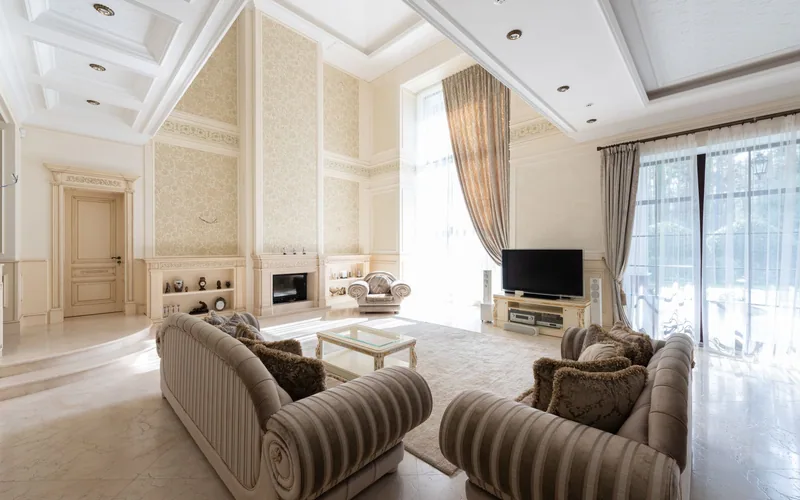
Photographs from real jobs carried out by the crew.
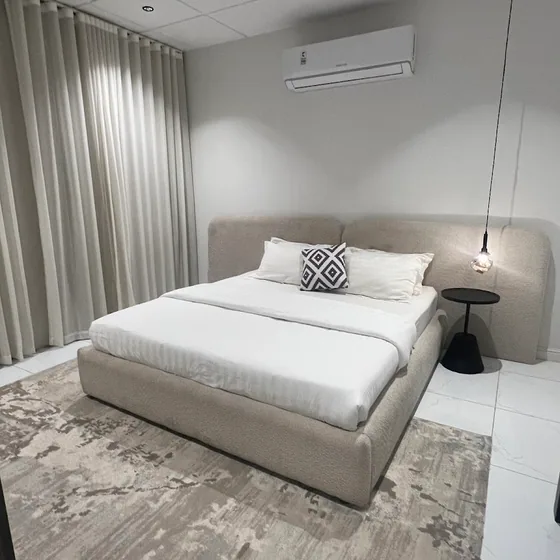
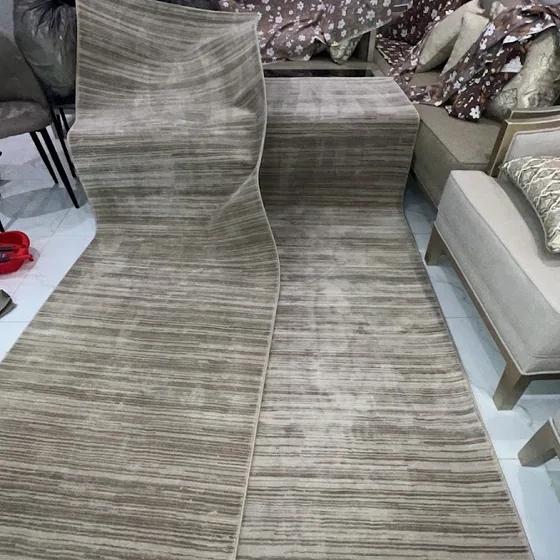
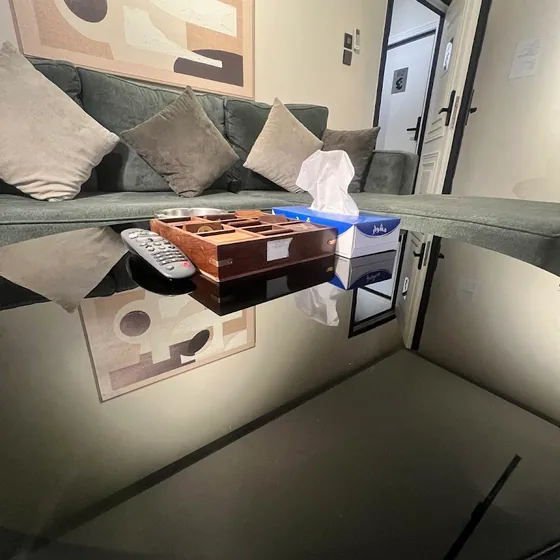
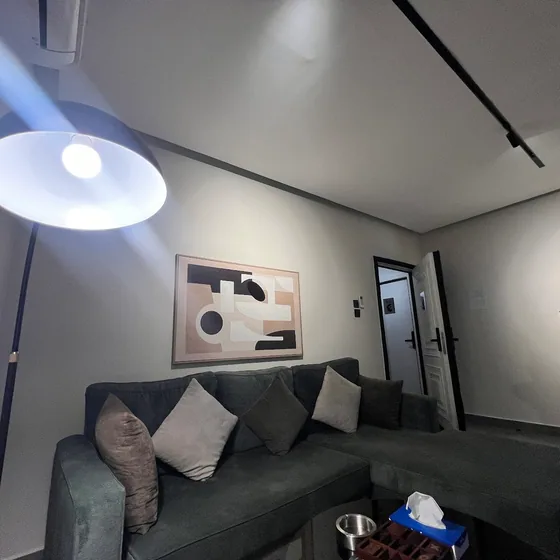
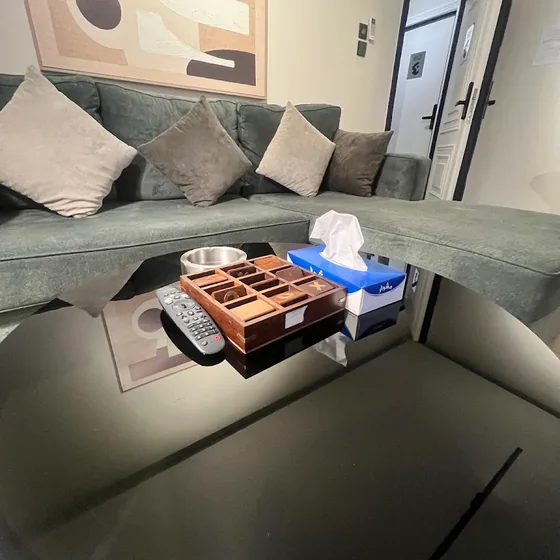
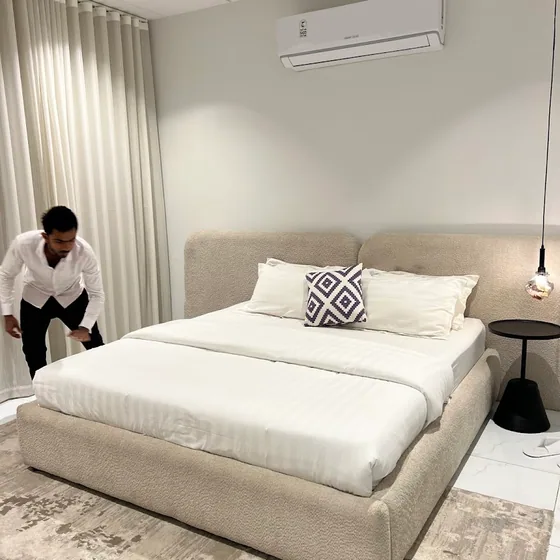
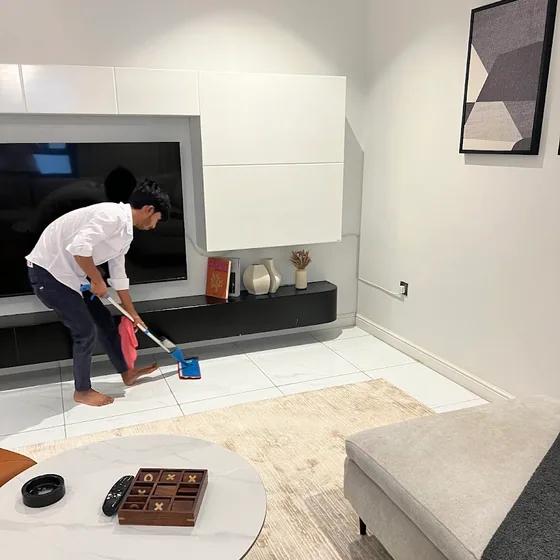
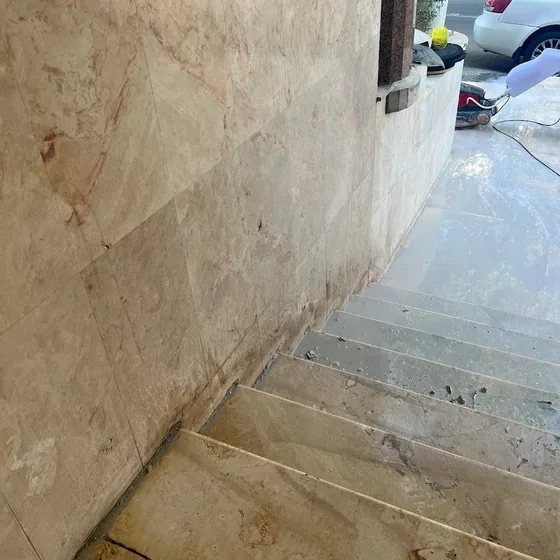
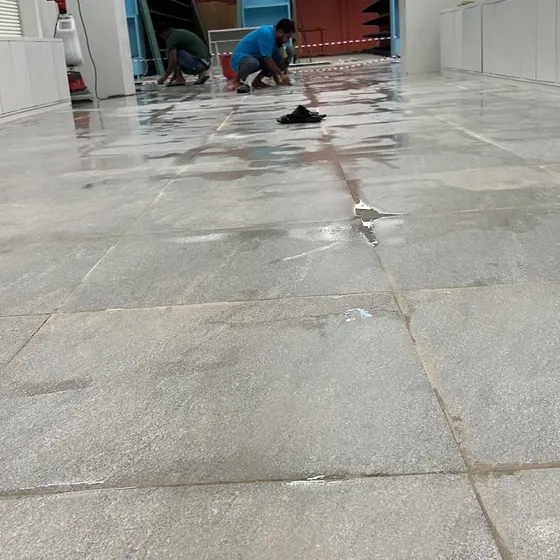
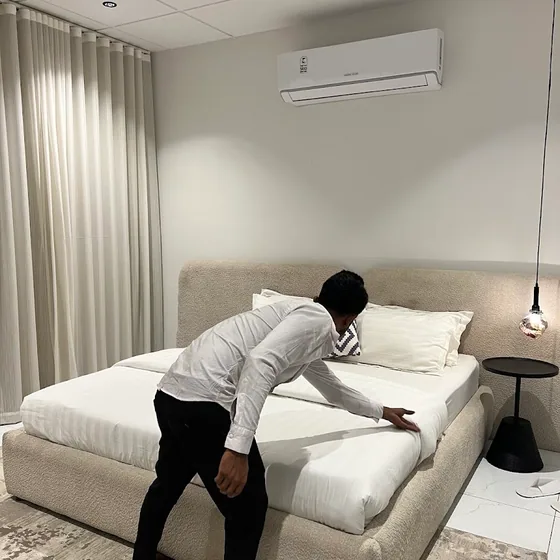
The commitment is simple enough to be keepable: we do not leave until you have seen the result and given your view of it.
New development: ongoing construction and vacant plots between the homes
A new development with active construction means sofas need immediate cleaning, not waiting. New pollutants, salt and building dust enter textiles fast. Early and regular professional cleaning is the only way to protect new furniture from permanent damage.
We provide these in Al Mawj too, and more than one can share a single visit.