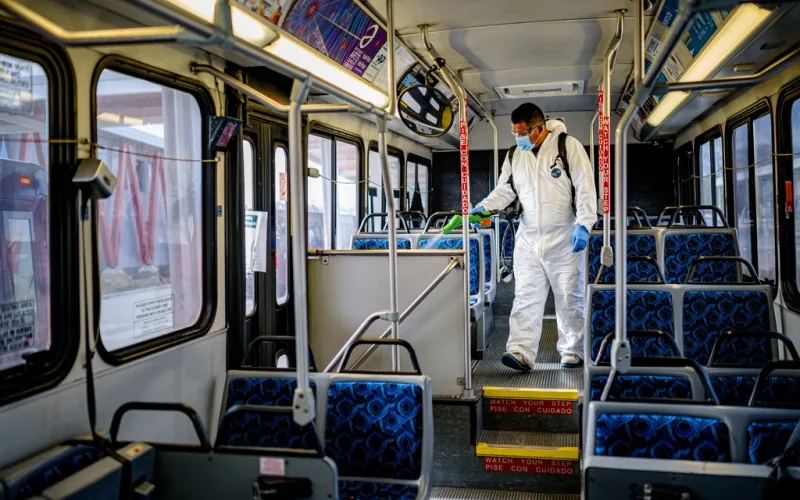
We test before we wash
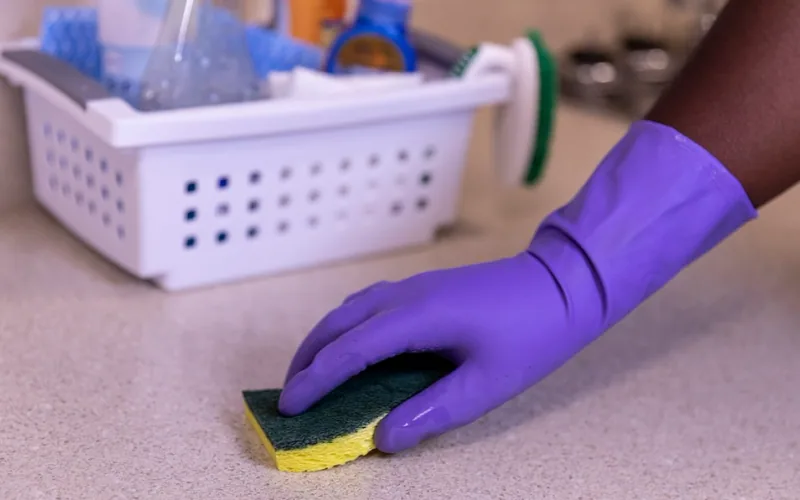
Testing the product on a hidden patch is a step we treat as necessary rather than optional.
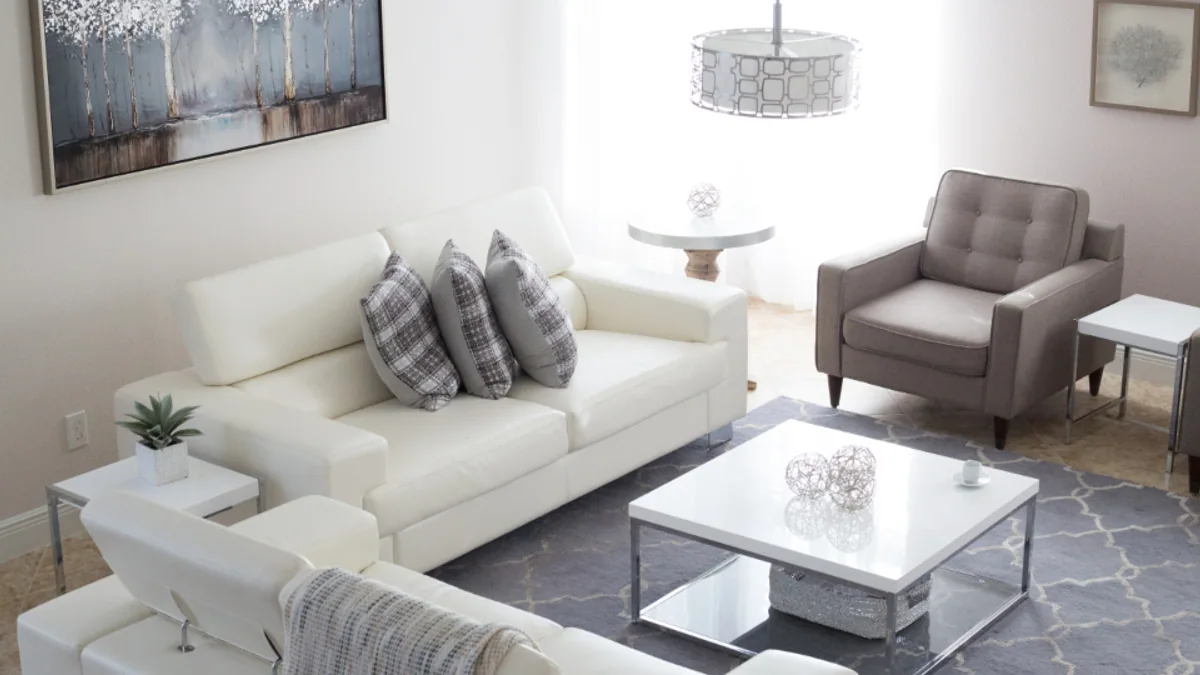
Al Rabwah is an old mixed-use district in north Jeddah with villas on large plots and apartment blocks with shops at street level. Sofas here are exposed to vehicle exhaust and restaurant fumes from below, garden dust, and accumulated soil. Each pollution source settles into the fibres differently.
Sofas in flats above shops hold food and cooking odour strongly, because ventilation is limited and cooking fumes rise directly into the residential units above. For the method itself, see how we approach sofa and upholstery cleaning.
Restaurants, cafes and food shops on the ground floors release cooking fumes, coffee vapour and spice smoke that rises through the ceiling, settling into upholstery. The smell persists even after routine cleaning attempts.
Small apartments above shops lack multiple external doors for cross-ventilation, so polluted air stays trapped inside rooms. The sofa becomes the main filter for these contaminants.
King Fahd Road and Hira Street are very close, carrying fine black vehicle dust that enters through windows and settles on curtains and upholstery together.
An established dense neighbourhood with constant cooking fumes from cafes and small restaurants, plus main road traffic carrying exhaust and fine black dust from early morning until evening.
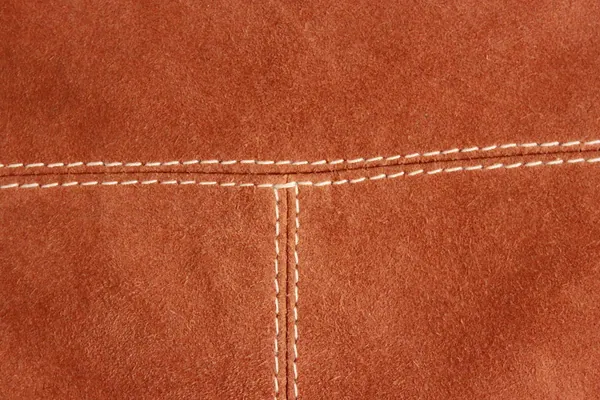
Testing the fabric here is critical because some weaves may react sensitively to the strong solvents needed to break down cooking odours and embedded smoke.
Deep dry vacuuming must target the inner fibres where smoke particles and grease deposits accumulate and bind tightly.
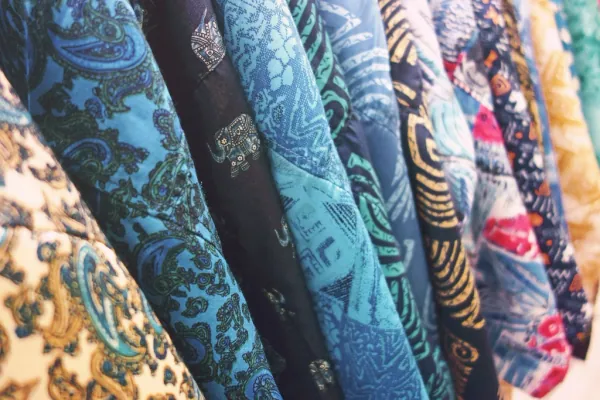
Washing requires extra strength to dissolve cooking smells trapped in the weave, but carefully to avoid damage to the fabric structure.
Cushions trap odour more than the back and sides, so both faces must be vacuumed and washed together for complete results.
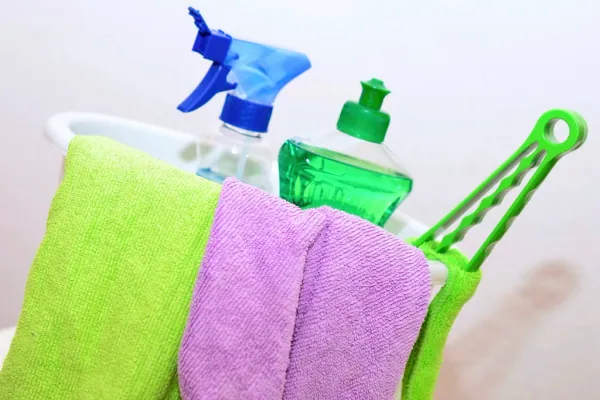
Stains may not be visible, but fine grease and oil residue from cooking may leave light brown marks needing specialised treatment.
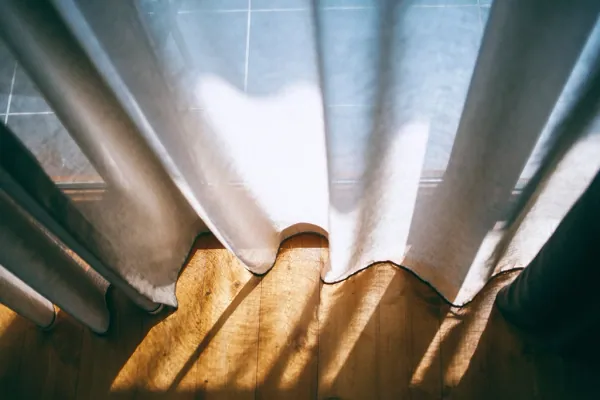
Ventilation after washing is absolutely critical. Trapped moisture will reactivate odours over time if the flat is not properly aired.
Cotton, velvet, chenille and synthetics do not take the same heat or the same product.
Before any water.
An oil mark is not treated like a juice mark.
We wash with the method that suits the fabric.
The piece is left slightly damp, never wet.
We go over the pieces with you before leaving.
Testing the product on a hidden patch is a step we treat as necessary rather than optional.
The company employs more than forty cleaners, and we send a crew rather than an individual.
The washing and extraction machines are ours and travel with the crew.
If a piece needs reupholstering rather than washing, we say so.
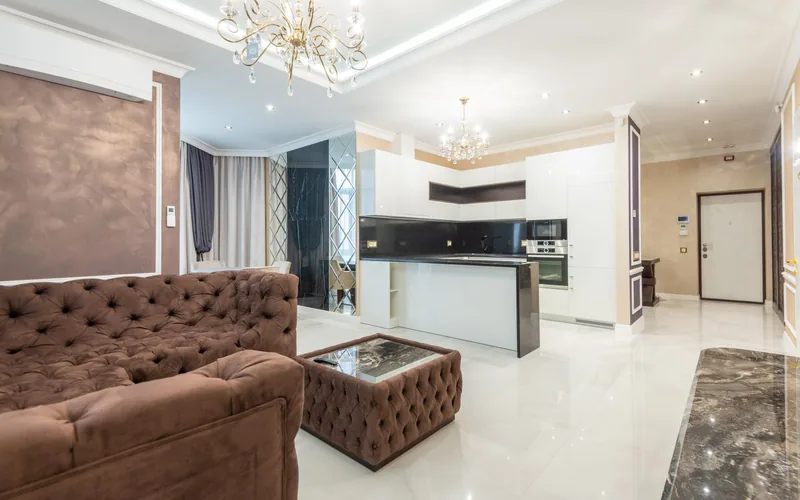
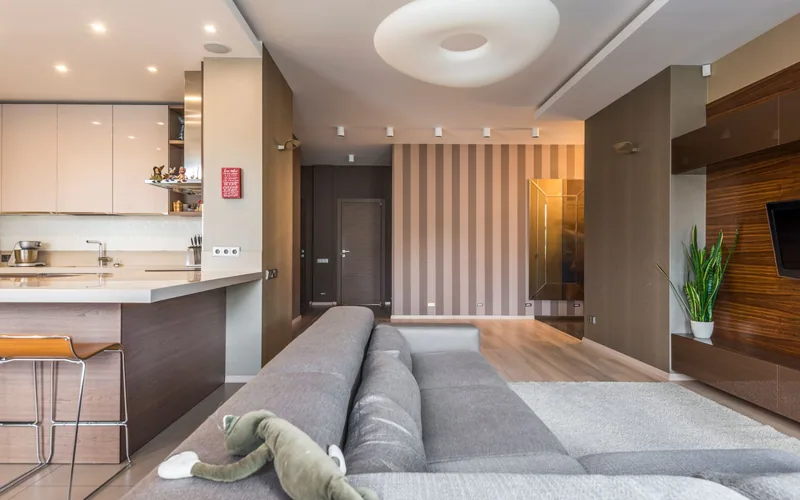
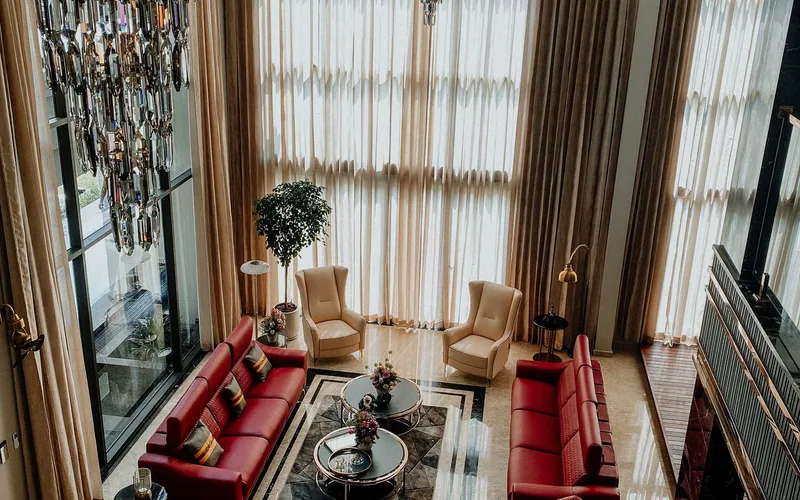
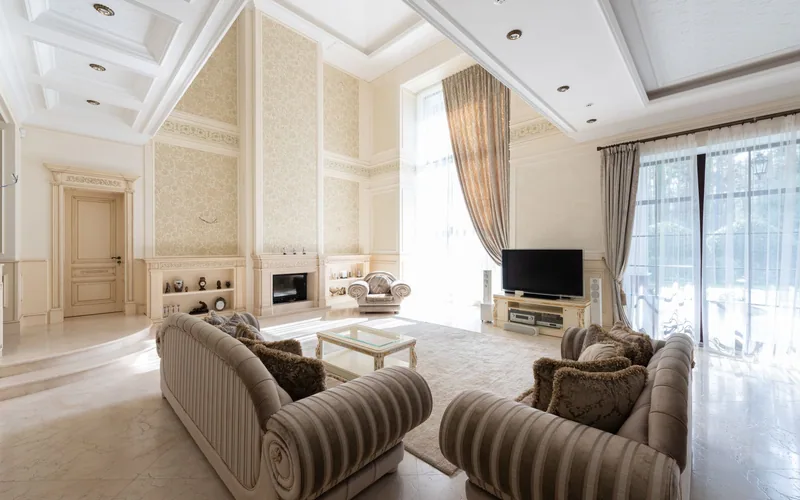
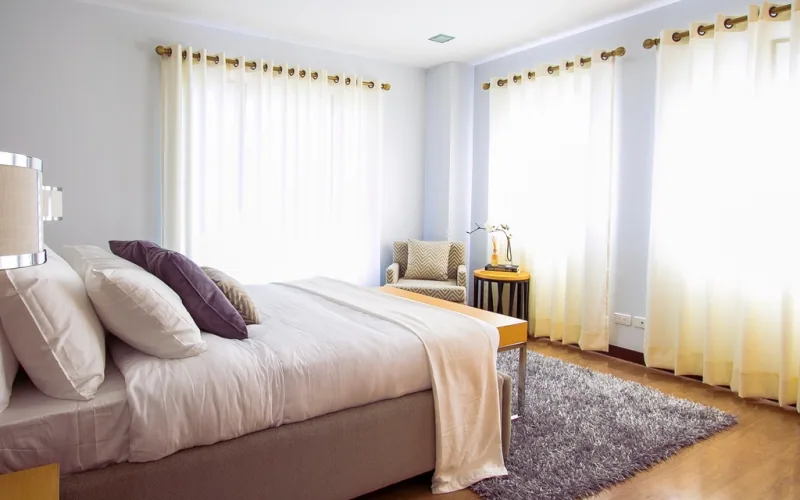
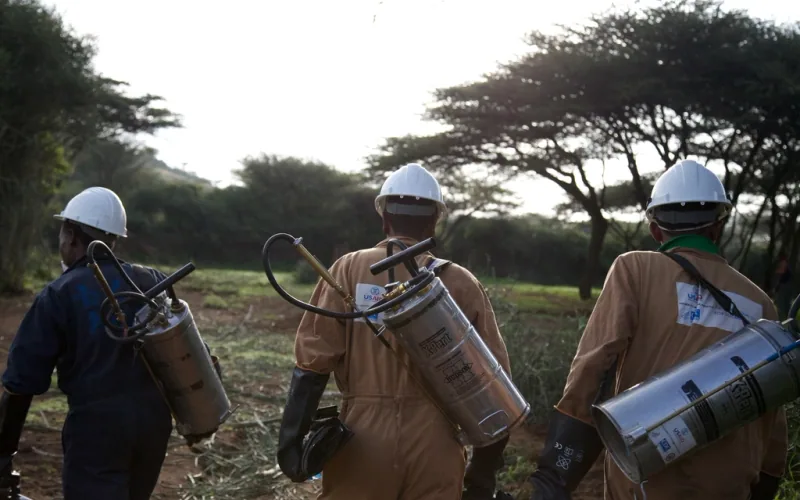
Photographs from real jobs carried out by the crew.
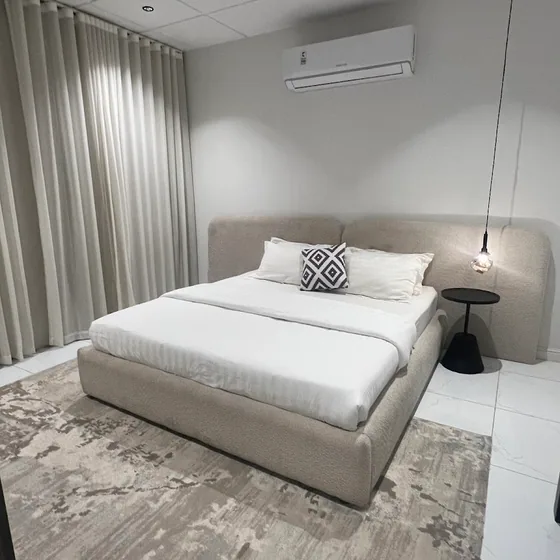
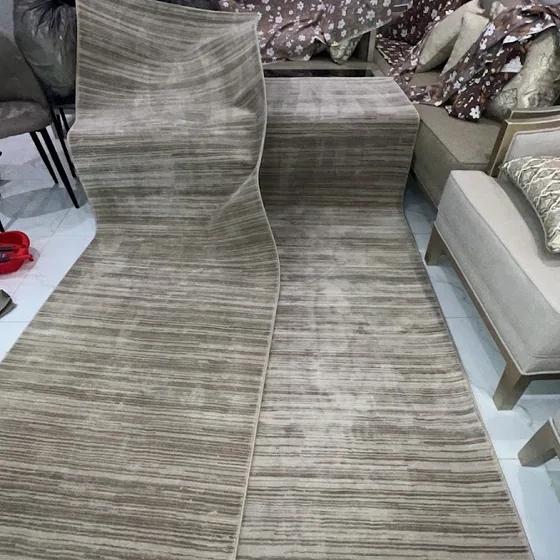
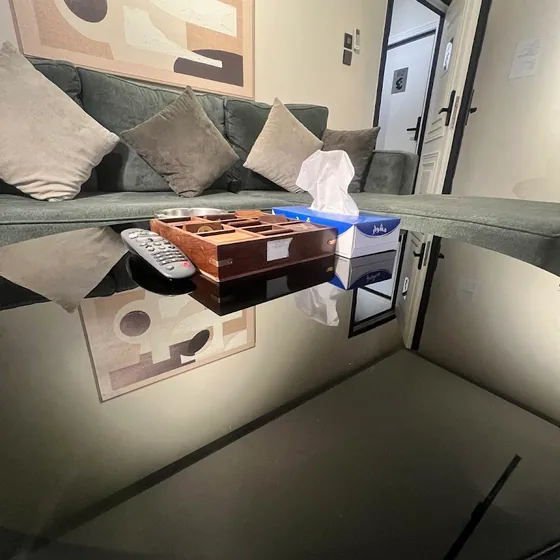
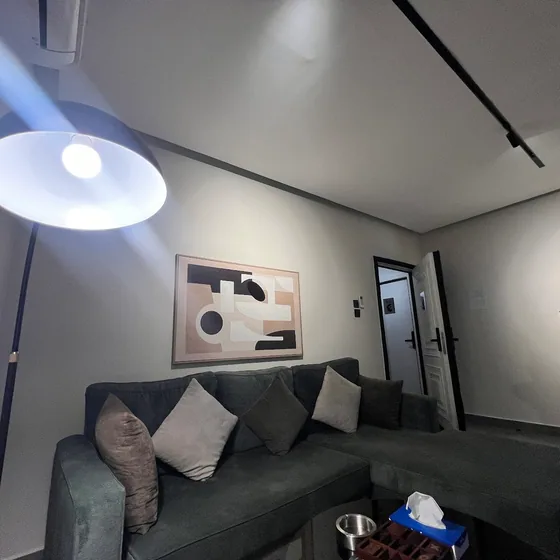
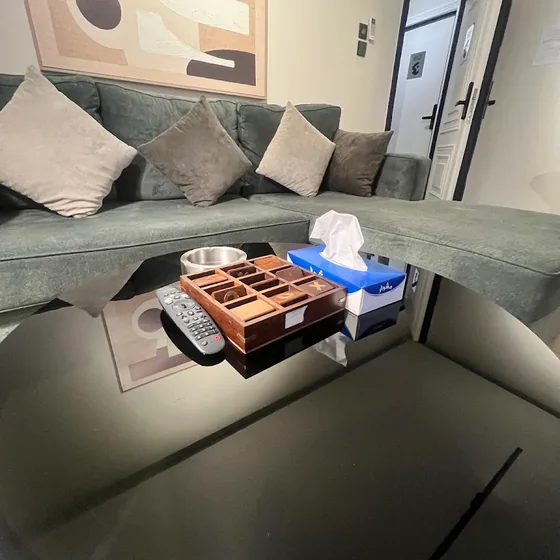
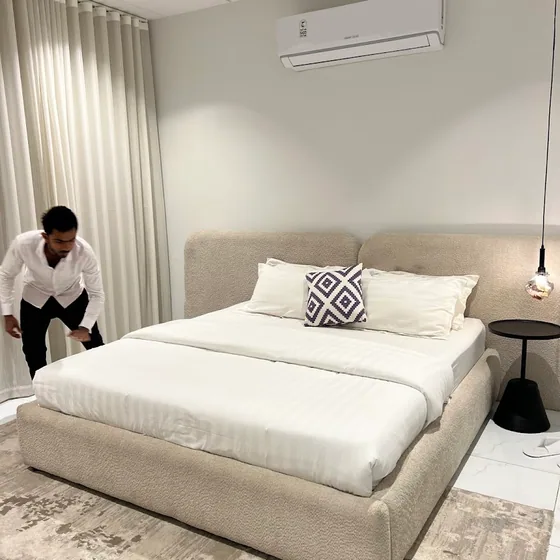
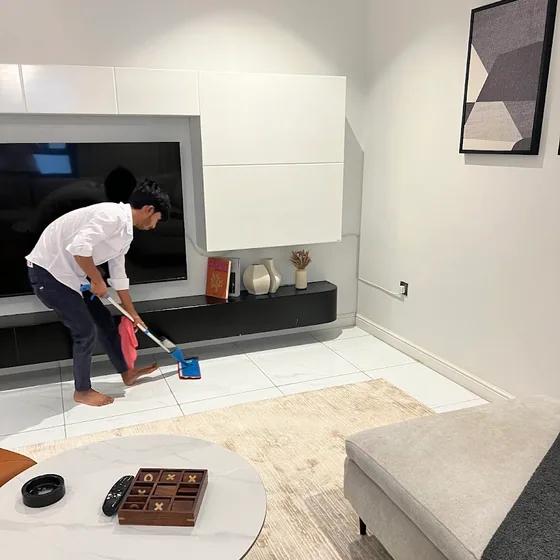
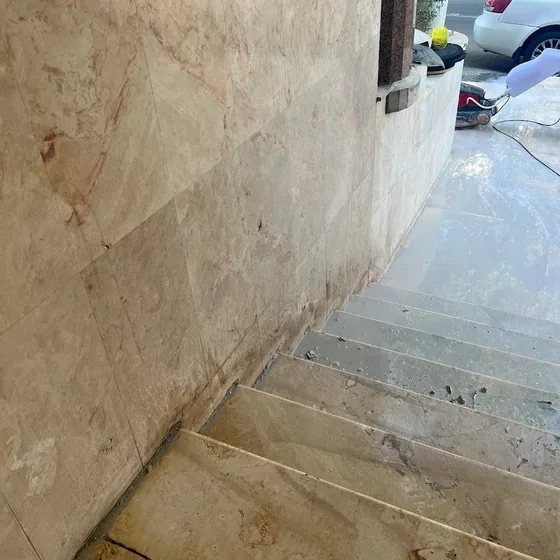
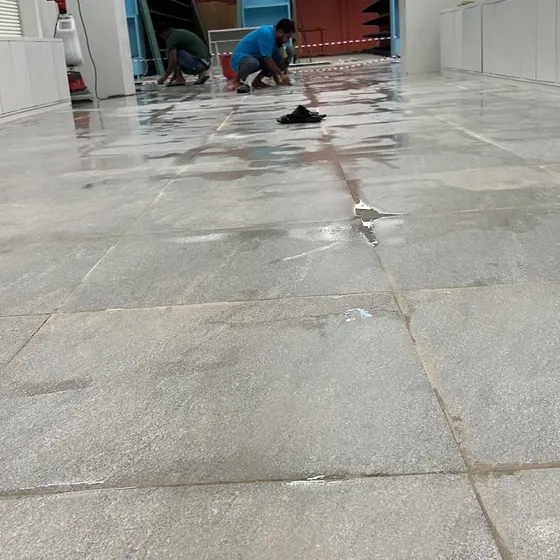
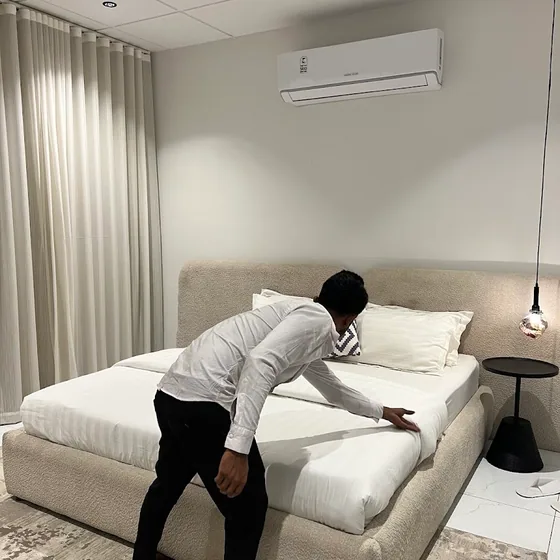
The commitment is simple enough to be keepable: we do not leave until you have seen the result and given your view of it.
Mixed district: shops at street level with homes above them
Mixed districts mean the sofa faces multiple pollution sources at once: cooking fumes and food smells from below, vehicle exhaust from the street, and moisture from the flat itself. A single cleaning may not be enough. The solution needs a layered approach treating each source type separately.
We provide these in Al Rabwah too, and more than one can share a single visit.