We test before we wash
Testing the product on a hidden patch is a step we treat as necessary rather than optional.

Abhur South sits on the coast of Obhur Creek, and the year-round high humidity means salt deposits settle on fabric slowly but relentlessly. Salt air and moisture trap inside the weave, and sea smells cling to the fibres even in enclosed rooms. Cleaning here must remove salt and humidity together before they set permanently into the weave.
Sofas feel heavier from trapped salt and moisture even when no visible marks appear on the surface, and sea odours return within weeks after any cleaning. For the method itself, see our sofa and upholstery cleaning service in detail.
Salt from the coastal air deposits in tiny quantities daily on every surface. Rather than forming visible stains, it works into the fabric fibres and crystallises slowly, making the cloth stiffer and creating persistent odour from mineral buildup that no vacuum alone can address.
Coastal humidity above 70 per cent for most of the year means sofas dry far more slowly after washing. This creates ideal conditions for mildew in the foam beneath, leaving musty odour even after drying is complete.
Sofas in chalets and guest accommodation face more users in shorter periods. Stains accumulate fast, and moisture from changing guests compounds salt and odour buildup, making chemical breaks in the fabric more likely.
A coastal settlement on the southern shore of Obhur Creek with villas, chalets and resort properties, salt-laden air on every day of the year leaves a fine mineral film on all surfaces.
Fabric testing takes longer in coastal areas because some weaves react sensitively to salt and may shed dye when exposed to mineral-heavy washing water.
Deep vacuuming extracts crystallised salt embedded in the foam, not merely surface particles, requiring longer extraction cycles than inland areas.
Washing uses special water treatment to remove salt and sea odours together, while protecting the fibres from the excessive drying that aggressive salt removal can cause.
Cushions are dried on both sides carefully because coastal humidity means slower evaporation, and trapped interior moisture will bring musty smell if not fully extracted.
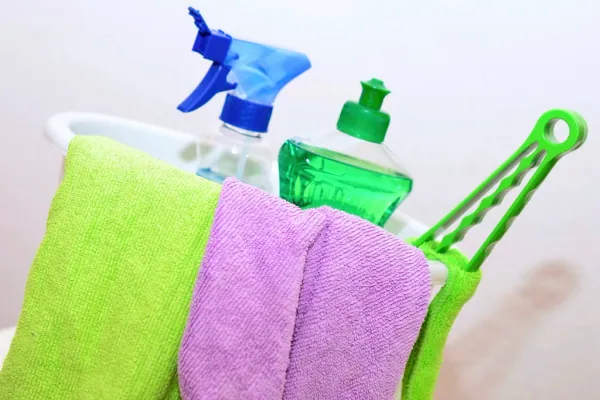
Stains from salt spray or lingering odours are treated with products that neutralise mineral deposits rather than merely masking the smell with fragrance.
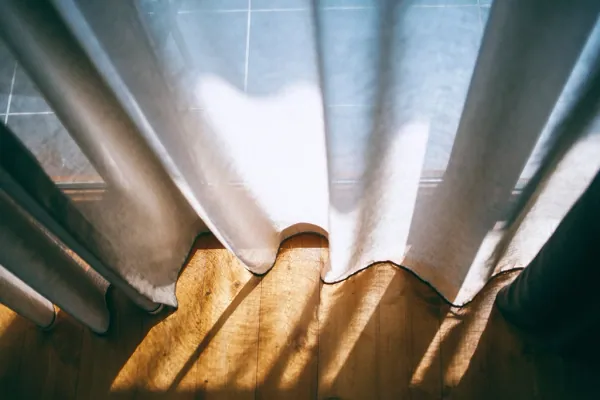
Drying and ventilation after washing require special planning in high humidity, with active air circulation ensured so the coastal moisture does not re-wet the fabric before it fully sets.
Cotton, velvet, chenille and synthetics do not take the same heat or the same product.
Before any water.
An oil mark is not treated like a juice mark.
We wash with the method that suits the fabric.
The piece is left slightly damp, never wet.
We go over the pieces with you before leaving.
Testing the product on a hidden patch is a step we treat as necessary rather than optional.
The company employs more than forty cleaners, and we send a crew rather than an individual.
The washing and extraction machines are ours and travel with the crew.
If a piece needs reupholstering rather than washing, we say so.
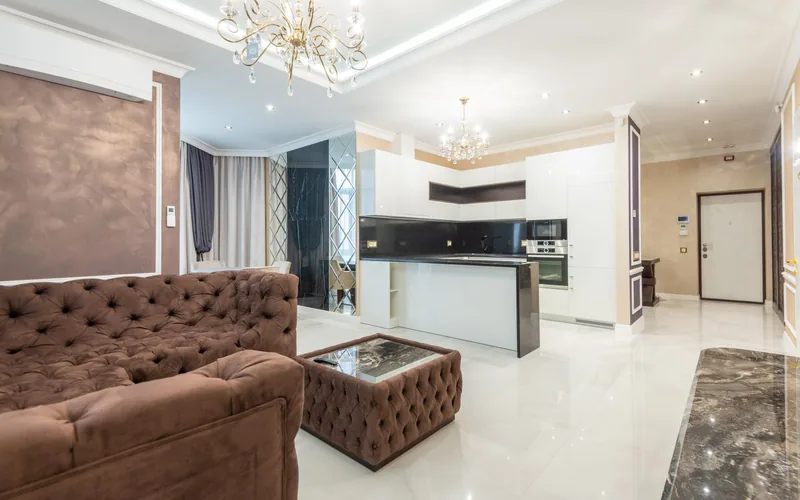
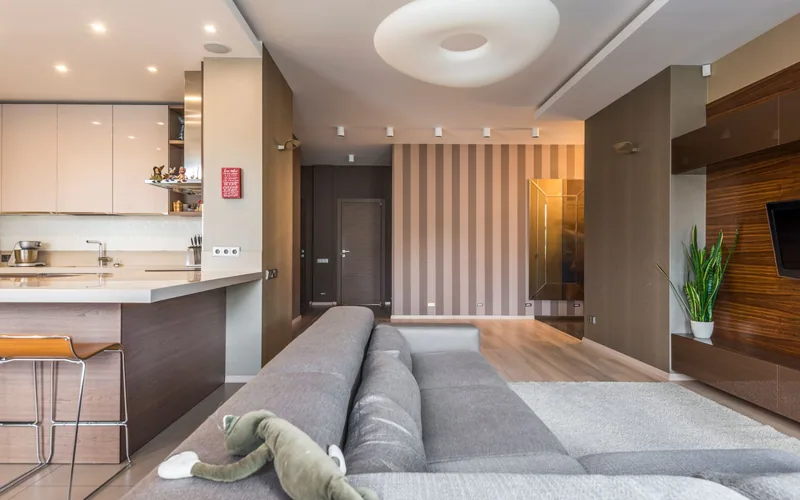
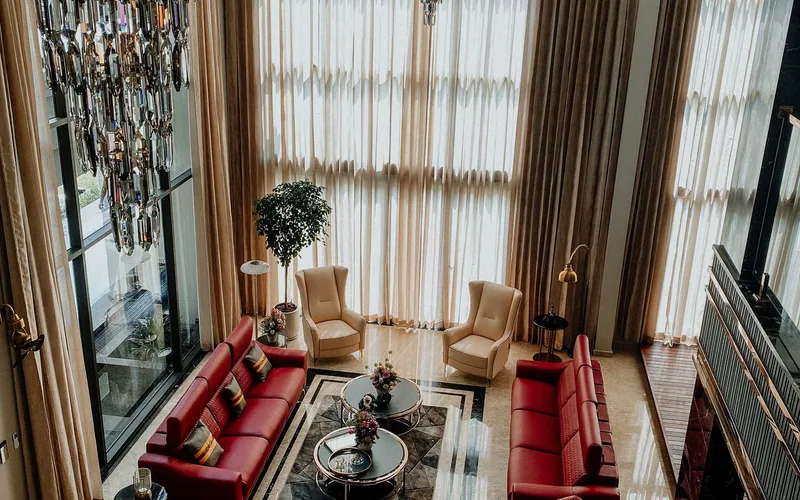
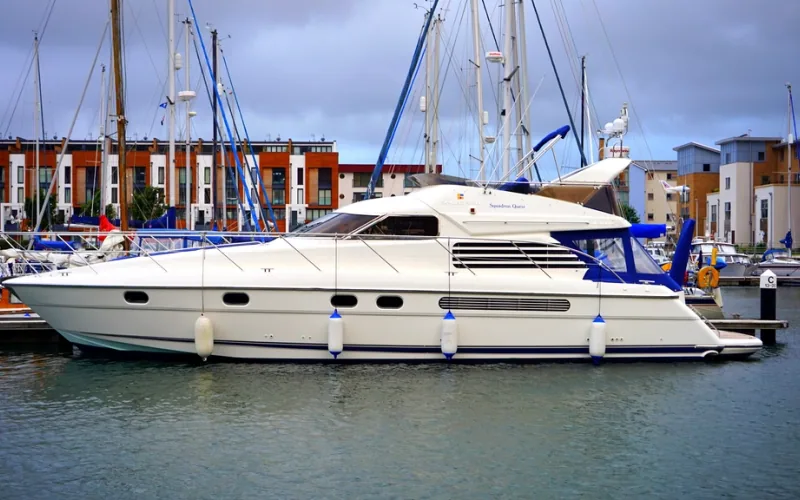
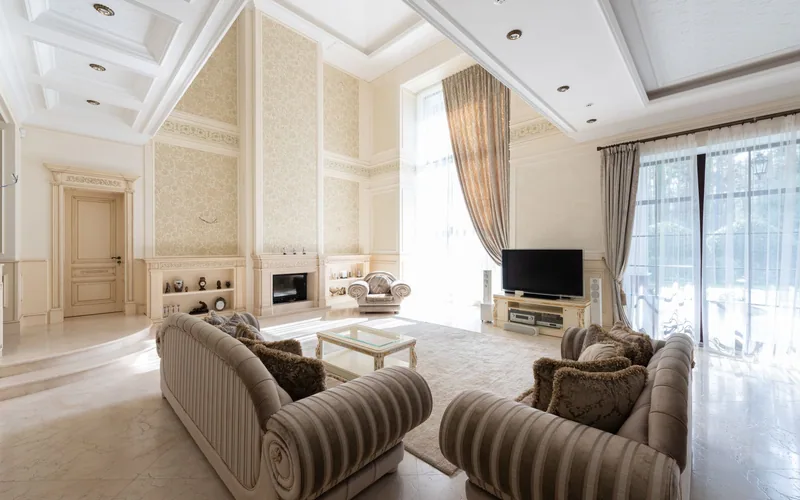
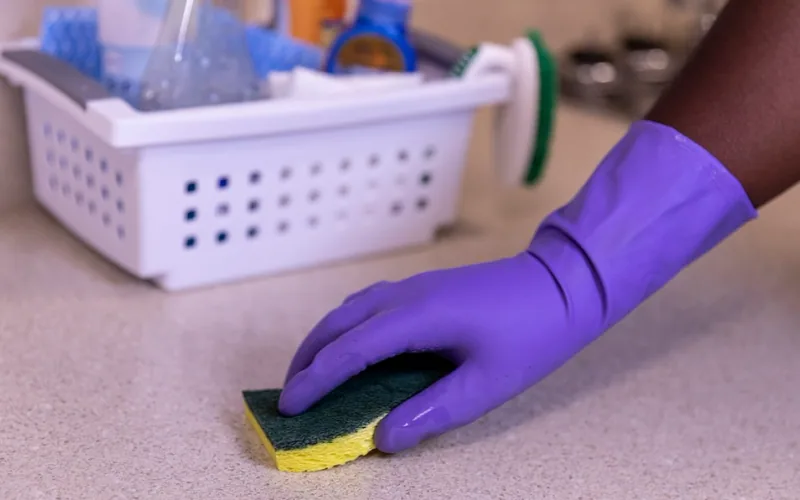
Photographs from real jobs carried out by the crew.
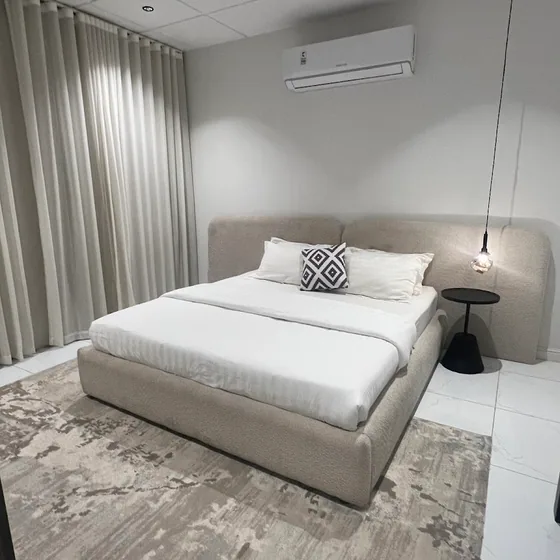
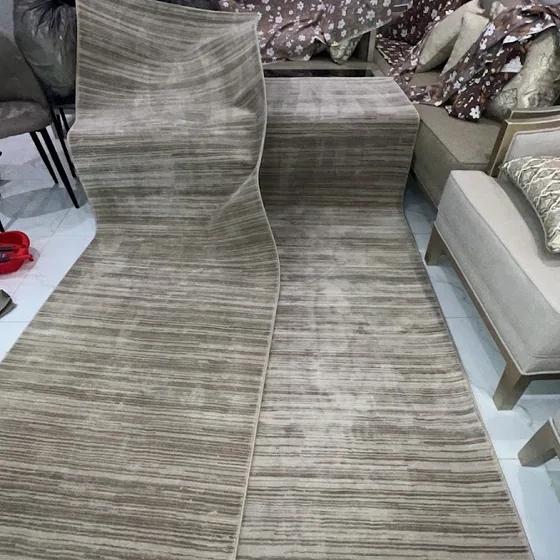
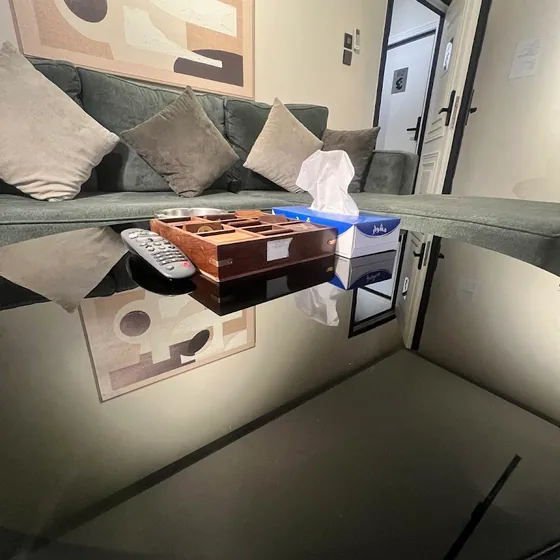
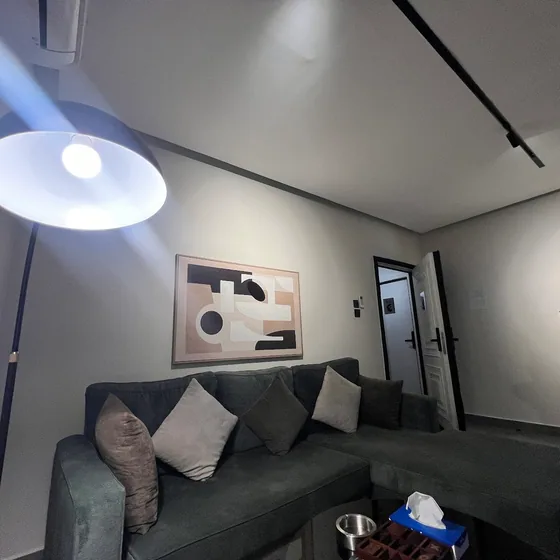
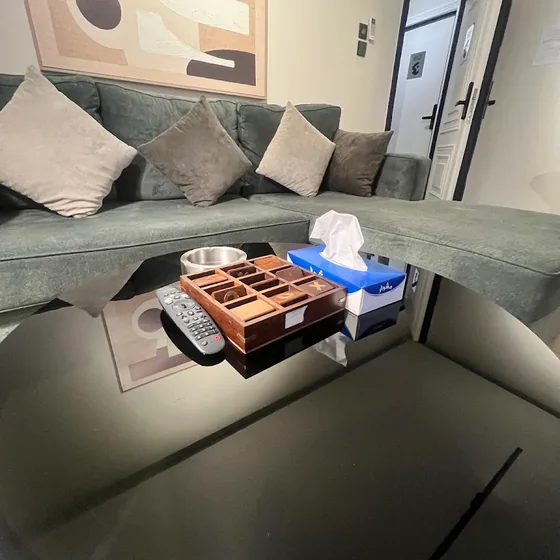
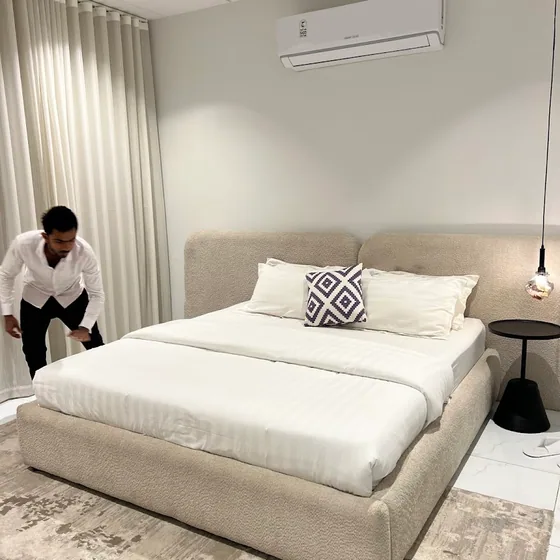
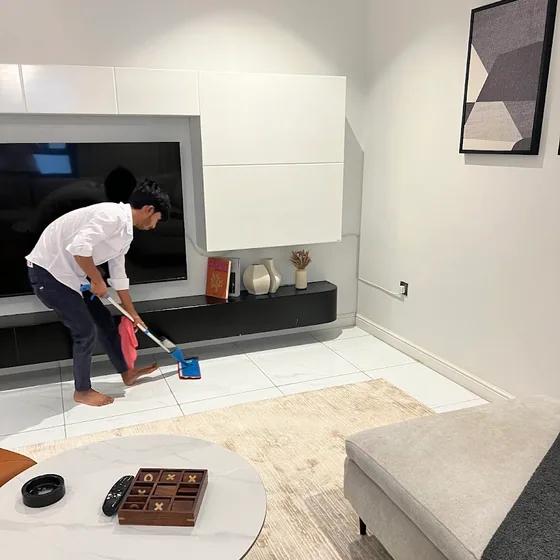
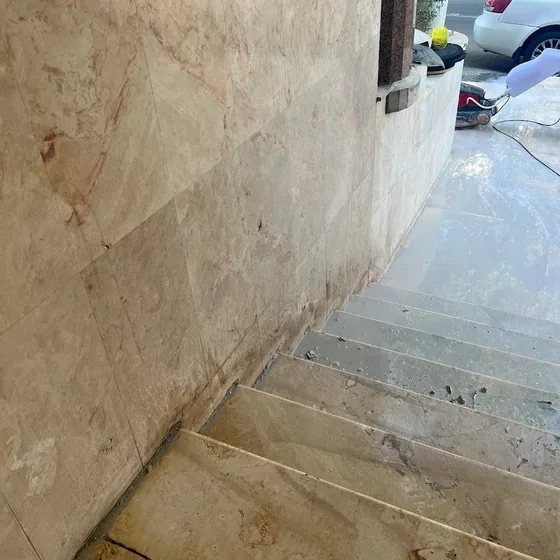
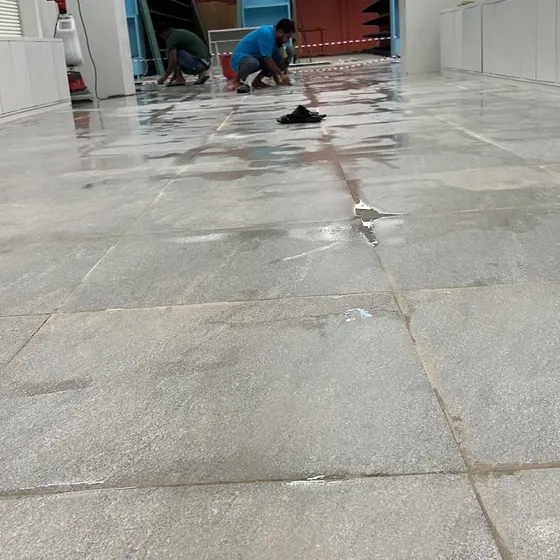
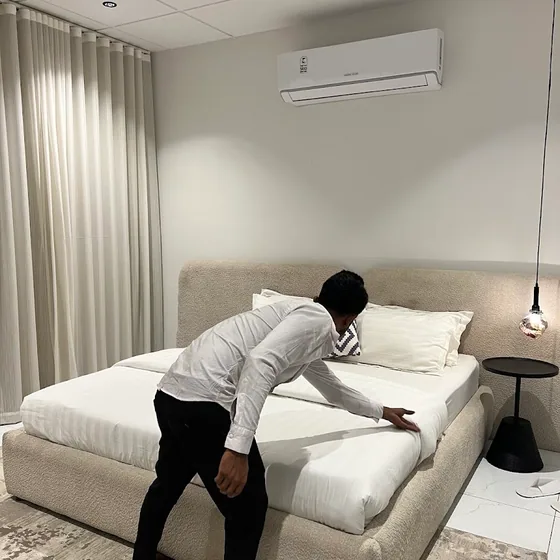
The commitment is simple enough to be keepable: we do not leave until you have seen the result and given your view of it.
Abhur South extends along the South Obhur Corniche, where hotels and chalets overlook the creek directly, and Obhur Creek separates it from Obhur North. The work is reached via King Abdulaziz Road and Madinah Road, which connect the coastal properties to the city.
We provide these in Abhur South too, and more than one can share a single visit.