
We clear, and we take it away
The clearing is half the job; getting the waste off your property is the other half.
Prince Fawaz South lies in south Jeddah between the sea and the heavy goods roads that run towards the port and the industrial quarter. The dust here is not clean sand but diesel soot and workshop grit, darker and much more oily than dust from anywhere else in the city. It clings to net curtains, stains marble and leaves a musty smell in stored fabrics.
Outdoor furniture here becomes soiled with soot quickly, and net curtains turn grey from the accumulation of soot particles in the weave. For the method itself, see our guide to garden cleaning.
The heavy goods roads send diesel soot over the gardens and paths. This soot is not mere dust but carries diesel oils that stick to fabrics and stone. Water alone leaves traces of oil behind.
Cement floors and older ceramic darken where soot is walked in. Cleaning needs products that remove oily deposits, not just water applied to the surface.
The sea air adds humidity to the soot and grease, causing musty smells in stored fabrics and mildew in bathrooms. Cleaning must tackle both the oily soot and the damp that feeds mould growth.
A densely built residential area near the Haramain Road and Jeddah Makkah Expressway, between the sea and heavy transport routes, with darker and oilier dust.
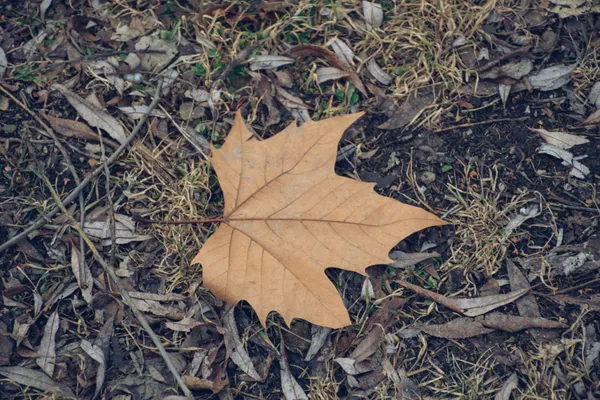
Leaves and debris here are coated with soot and must be collected carefully to avoid spreading soot across clean surfaces.
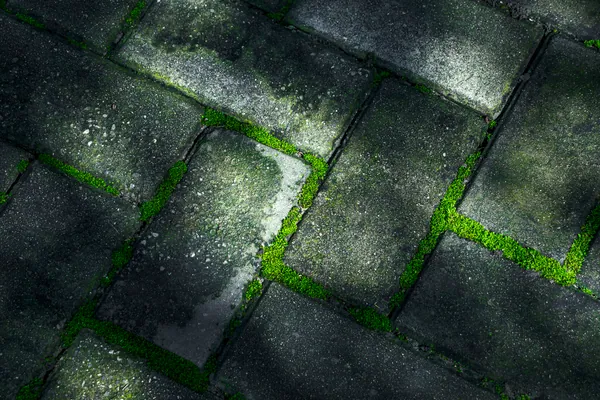
Weeds between joints grow among sooty floors, and their removal leaves the joints clear but the tiles need heavy washing.
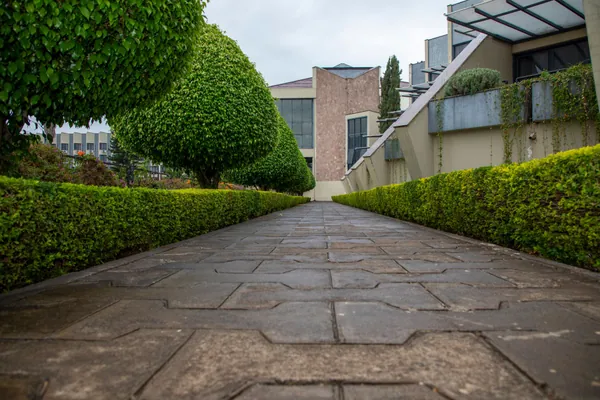
Paths and outdoor tiles need heavy washing because soot bonds to marble and cement, and water alone is insufficient.
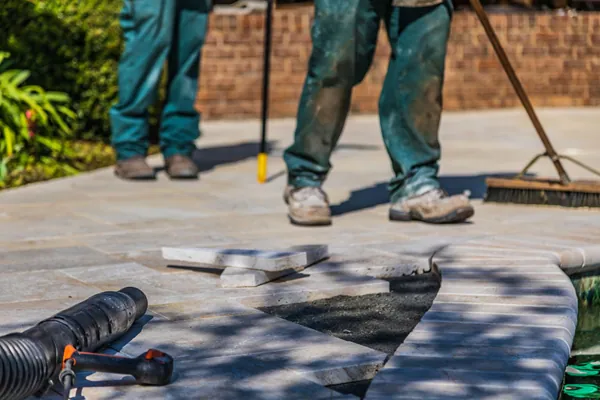
Seating and outdoor furniture trap soot and oils in the fabrics, requiring extended washing and drying time.
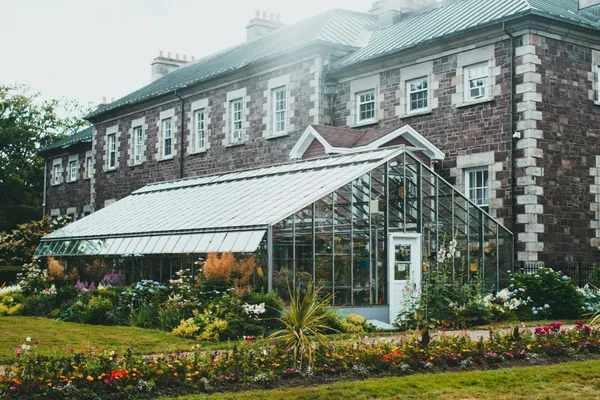
Planting beds and surrounding soil need clearing because soot settles on leaves and soil, leaving stains.
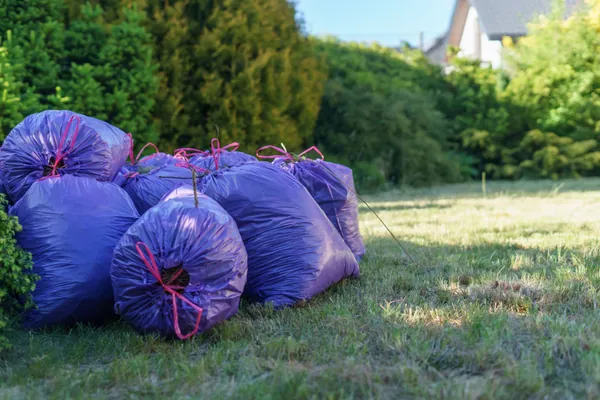
Waste here is soiled with soot and must be bagged carefully and removed promptly to avoid spreading contamination.
We go through it with you first, what's cleared, what's cut back, what stays.
Leaves, twigs and litter across the whole space come first, while everything's dry.
Weeds pulled from the beds and the gaps between pavers, roots lifted where they'll come, so the clearing lasts more than a week.
Growth crowding the paths, walls and fences is cut back to what you agreed and cleared to the waste pile as we go.
With the debris gone, the paving and tiles are swept and washed, the dust film and the dark damp grime in the shaded spots, last so nothing lands back on clean stone.
All the green waste is bagged and taken with us.
Prince Fawaz South sits about 1 km from Prince Fawaz North and about 1 km from Al Shifa.
Open in Google MapsThe clearing is half the job; getting the waste off your property is the other half.
We send a team, not one person, so a garden that would eat your whole weekend is cleared in a single visit.
The tools for clearing, cutting back and washing arrive with the team, no hiring, no waiting on gear that's somewhere else.
This is cleaning, not landscaping.
Photographs from real jobs carried out by the crew.












The commitment is simple enough to actually keep: we don't leave until you've walked the garden and told us what you think.
South Jeddah runs from the port and the industrial city down towards Al Khumrah, and homes here sit between the sea and the heavy goods roads. The dust is darker and oilier than in the north, a mix of diesel soot and workshop grit, and it clings to net curtains, window sills and the tops of kitchen cupboards. Floors in the older low rise housing are often plain cement or ceramic tile that darkens where soot is walked in. Humidity from the coast adds mildew in bathrooms and a musty smell in stored fabrics.
We provide these in Prince Fawaz South too, and more than one can share a single visit.



